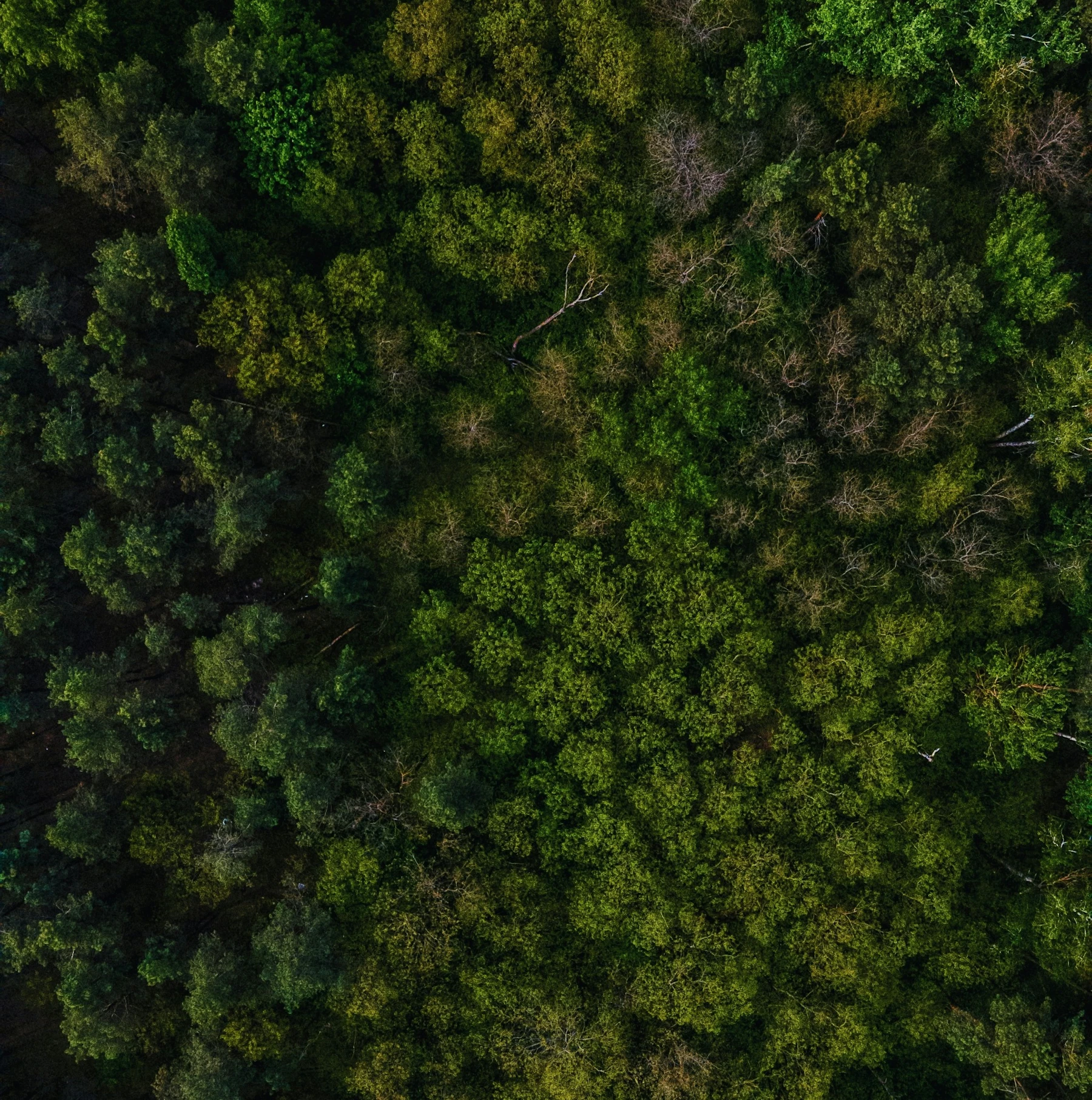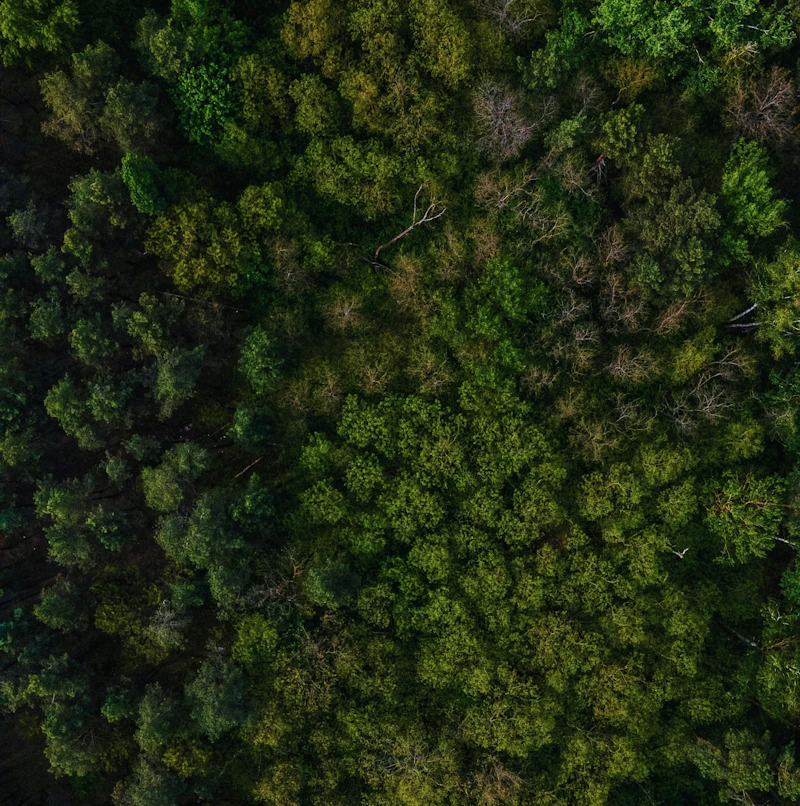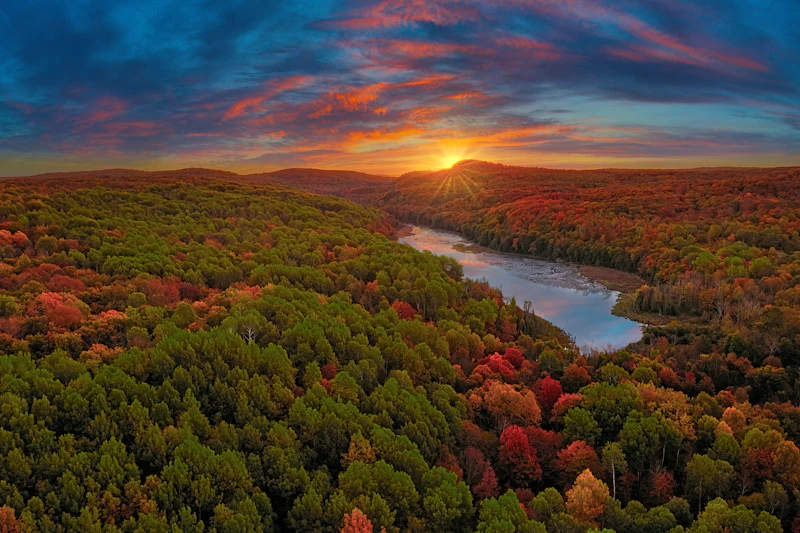
Uncover the Chequamegon-Nicolet National Forest, which covers more than 1.5 million acres of mixed hardwood and wetlands in Wisconsin’s Northwoods. The forest features more than 800 miles of trails, some 600 lakes larger than ten acres, and unique landscapes that support rare species like the gray wolf.
Hike part of the North Country National Scenic Trail, fish for smallmouth bass and muskie on Flambeau River, and come winter, cross-country ski the Lakewood Ski Trail.


What is the History of the Chequamegon-Nicolet National Forest?
Since 1993, these two National Forests have been managed as one, with headquarters offices in both Park Falls and Rhinelander. Each National Forest has retained its individual identity. Both the Chequamegon and the Nicolet National Forests were established by presidential proclamations in 1933, but that was not the beginning.
Archeologists have traced the cultural history to 10,000 years ago when the area was inhabited by Paleo-Indians. This was followed by the Archaic Indians and the Woodland Tradition Indians.
In the 1600s, Europeans arrived in what is now Wisconsin. The Nicolet is named after Jean Nicolet, a French explorer and fur trader who came to the Great Lakes Region in the 1600s. The name Chequamegon is derived from an Ojibway word meaning “place of shallow water,” and refers to Lake Superior’s Chequamegon Bay. During the 17th century, growing numbers of Europeans and Native Americans made the Northwoods their home.
Following close behind the fur traders were the lumbermen who established the timber industry. Early loggers used rivers to move pine logs to the sawmills. When the old-growth pinery dwindled, lumbermen used railroads to move the heavier hardwood logs to mills. Lumbering reached its peak on the forest in the 1920s.
In 1928, the federal government began buying abandoned and tax delinquent land in the Northwoods with the idea of establishing a National Forest. In March 1933, shortly before he left office, President Herbert Hoover issued a proclamation establishing the Nicolet National Forest. The Chequamegon was established as a separate National Forest in November 1933, by President Franklin Roosevelt, from the Nicolet’s westernmost lands.
When the Great Depression rolled across the United States, thousands of young, unemployed men joined the Civilian Conservation Corps. CCC camps were established in the newly formed National Forests. During the ten years the Civilian Conservation Corps was active, Corpsmen planted thousands of acres of jack pine and red pine, built fire lanes, and constructed recreational facilities across the national forests. Much of their work is still evident today.
How to Get to the Chequamegon-Nicolet National Forest
Visitors coming from the south often travel via Interstate 94 and connect to U.S. highways heading north. From the west, U.S. Highway 2 runs near the northern boundary.
The northwestern Chequamegon side of the forest covers Ashland, Bayfield, Sawyer, Price, Taylor and Vilas counties while the southeastern Nicolet side covers Florence, Forest, Langlade, Oconto, Oneida and Vilas counties.
Visitors often take Highway 8 or 52 to reach the Chequamegon side, entering via gateway communities like Hayward and Park Falls. To reach the Nicolet side, Highways 141 and 8 reach the towns of Rhinelander, Crandon, and Laona.
- Eau Claire, Wisconsin: 1 to 2 hours by car
- Green Bay, Wisconsin: 1 to 2 hours by car
- Appleton, Wisconsin: 1.5 to 2.5 hours by car
- Duluth, Minnesota: 2 to 2.5 hours by car
- Minneapolis, Minnesota: 2.5 to 3 hours by car

Much of Chequamegon-Nicolet National Forest is made up of water. The forest is home to the headwaters of three major drainages, 2,000 miles of stream, and more than 50 fish species, including native brookies and muskie. Plus, some 300 miles of the streams are categorized as Class 1, which means they hold only wild trout. This quarter-mile fishing trail accesses 11 fishing sites, including cantilever decks, filled with brook and brown trout.
This cross-country and ski-skating trail has a 15-mile main route that cuts through beautiful forest and rolling hills, and features several offshoot loops. While the main trail is for intermediate skiers, beginners can try the Red Loop, which begins in a red-pine plantation off of Highway 32, while experts can opt for the northeastern Black, Blue, and Gold Trails.
Birders will love this 2.5-mile point-to-point trail that connects Kentuck and Spectacle Lake campgrounds. The route follows parts of the former Thunder Lake Railroad, which was active during the early 1900s timber rush, and offers potential sights of the area’s many songbirds. Hikers can cool off at Spectacle Lake’s sandy swimming beach.
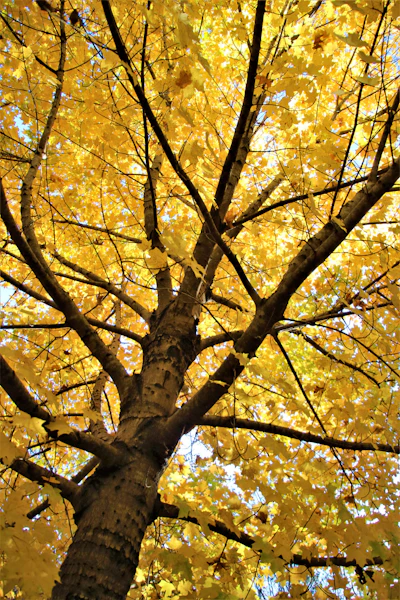 Sugar maple This hardwood is one of the most common in the Chequamegon-Nicolet, known for its five-lobed leaves that turn every color in the fall and for producing the sap used in maple syrup.
 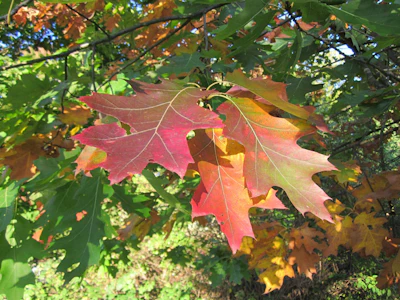 Northern red oak Growing up to 80 feet fall, with lobed leaves that turn red in the fall, this tree produces acorns that are a vital source for deer, turkeys, and squirrels.
  Garter snake The forest’s most common snake is the garter, which has brown coloration with yellow stripes and can reach up to 26 inches in length. It is non-venomous and likes to inhabit the areas surrounding the forest’s lakes.
  Muskie The official fish of Wisconsin, this torpedo-shaped predator can grow over 50 inches long and weigh up to 30 pounds. Despite its size and power, it’s an elusive species, which makes it a prized catch for anglers.
 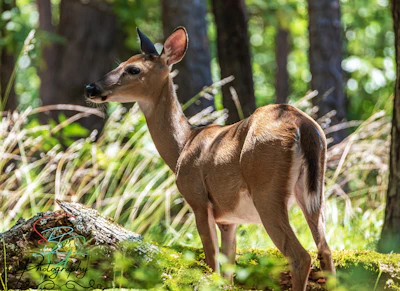 White-tailed deer With a red-brown coat that turns gray in the winter, this deer is frequently spotted throughout the forest. Bucks, or adult males, grow antlers annually, which they shed after mating season.
 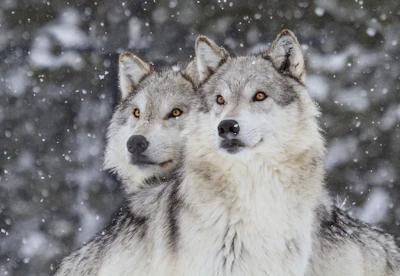 Gray wolf This top predator has had a complex trajectory in the Northwoods, and populations have fluctuated since conservation efforts were established following near-decimation in the 1950s. It lives in large packs and preys on deer and small mammals.
 What’s the Best First-Timer’s Adventure in the Chequamegon-Nicolet National Forest?
Spend a weekend at Anvil Lake Recreation Area, an excellent base for a variety of adventures in Chequamegon-Nicolet National Forest. The 337-acre Anvil Lake has a boat launch, swimming beach, and 18 campsites. There’s also access to the Anvil National Recreation Trail, a popular trail system for hiking and mountain biking.
Where to Find More Information on the Chequamegon-Nicolet National Forest
For more information or questions, visit https://www.fs.usda.gov/r09/chequamegon-nicolet
Discover how communities, volunteers, and partners are shaping the future of our National Forests and Grasslands.
The National Forest Foundation works with partners across Northern Colorado to restore forests, reduce wildfire risk, and care for the…
After years of damage, recovery, and reconstruction, the trail to Hanging Lake has been fully rebuilt, creating a more durable,…
Erosion and wildfire had left Arizona's historic Highline Trail rutted and unsafe. After five years of work with the Tonto…
Forest restoration near Flagstaff is reducing wildfire risk for local communities and safeguarding the water supply for millions across the…
Colorado's 14ers draw thousands of visitors each year, and the pressure on these fragile alpine landscapes is growing. Here's a…
Visitors of all ages can explore forest trails and sparkling waters, discover wildlife and underwater habitats, and connect with Tahoe’s…
A partnership-driven program connecting youth on Montana’s Flathead Reservation with hands-on conservation work, heritage education, and pathways in natural resource…
Seeing the impact first hand on the Grand Mesa, Uncompaghre and Gunnison National Forests
Seven Years of Reopening Trails After the Eagle Creek Fire
Field Ranger Program Connects Diverse Communities to Forests in Southern California
Our Forests Need Us Today.
Your donation powers critical, on-the-ground conservation—from wildfire recovery to watershed restoration—protecting forests for the future.