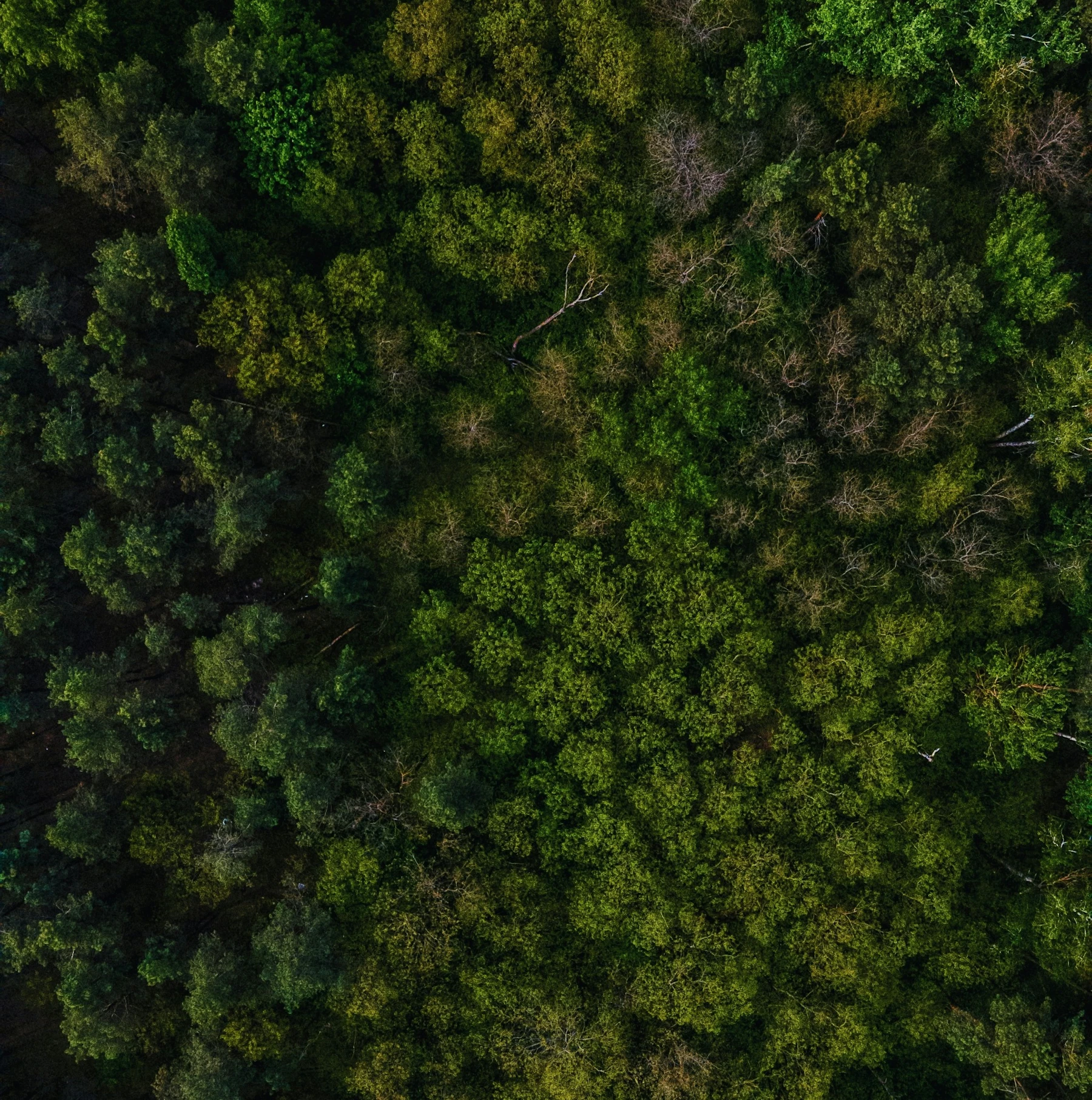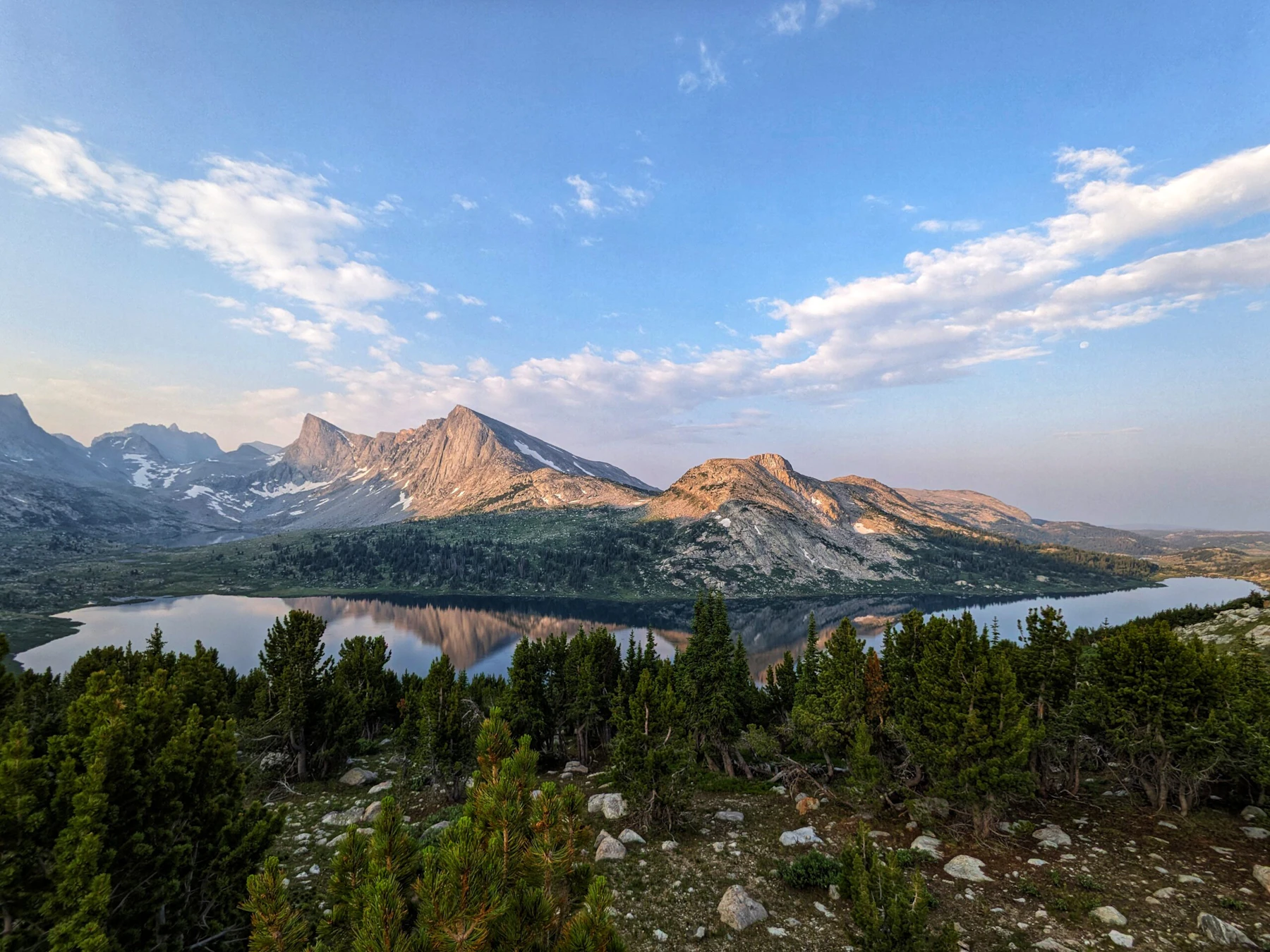
Explore Bridger-Teton National Forest, which comprises a large swath of the Greater Yellowstone Ecosystem, the largest intact ecosystem in the lower 48. This 3.4-million-acre wilderness is the central wilderness of a vast protected area that spans Grand-Teton National Park, Yellowstone National Park, the National Elk Refuge, Shoshone National Forest, and Caribou-Targhee National Forest.
With 37 developed campgrounds, 2,200 miles of trails, three ski areas, and one of the oldest mountain ranges in the country, Bridger-Teton is a less-trafficked rival to its busy national park neighbors. Backpack the famed Wind River Range, spot incredible wildlife, and raft Snake River.
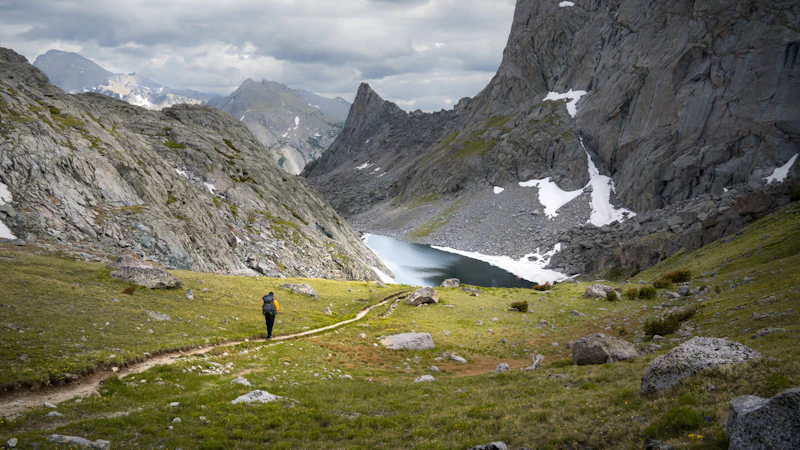 Photo by Rylee Olsen
 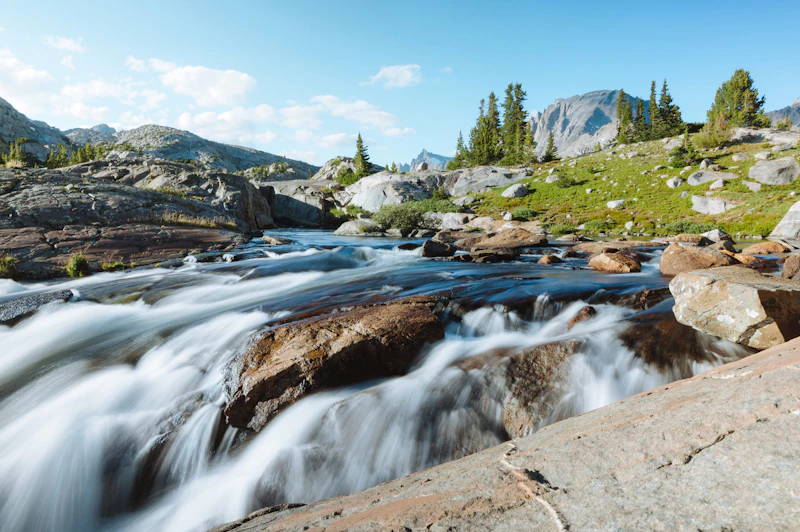 Photo by Will Fenwick
 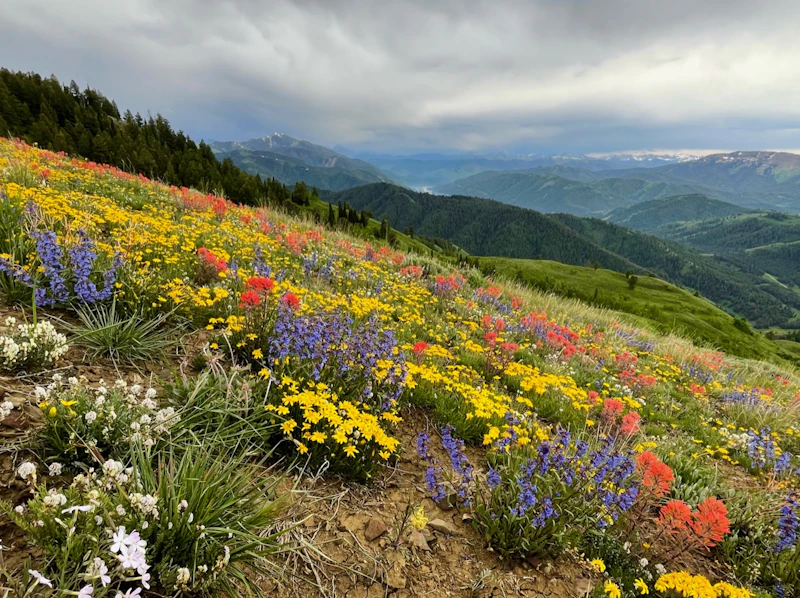 Photo by Joey Nadeau
 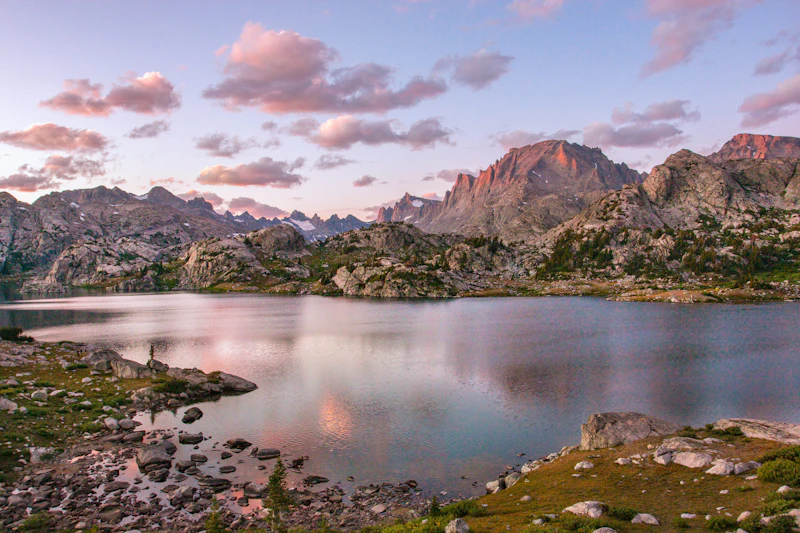 Photo by Josh Couts
 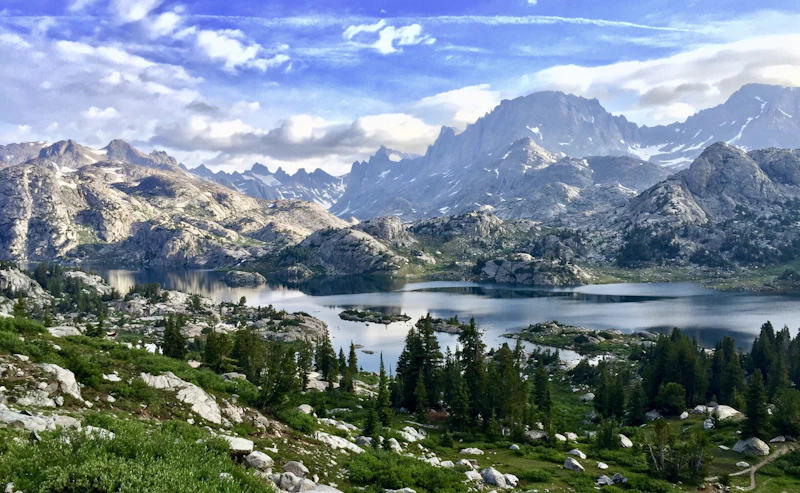 Photo by Mike Beer
 What is the History of the Bridger-Teton National Forest?
Human life has been present in the area that is now the Bridge-Teton National Forest for 10,000 years, a history that’s been discovered in more than 800 sites across the forest. Indigenous groups such as the Shoshone and Bannock traveled throughout this region, before early fur trappers descended and wiped out much of the beaver population.
The main Oregon Trail, which passed south of Bridger-Teton, was established in the 1840s. A decade or so later saw the construction of the Lander Cut-off, the first federally funded road project west of the Mississippi, before the transcontinental railroad was established in the early 1900s.
The Teton National Forest, named after the mountain range, was established in 1908; the Bridger National Forest, named after explorer Jim Bridger, in 1911. The two were administratively combined in 1973. Today, the forest is a hub of recreation and wildlife conservation, playing a key role in protecting grizzly bears and wolves.
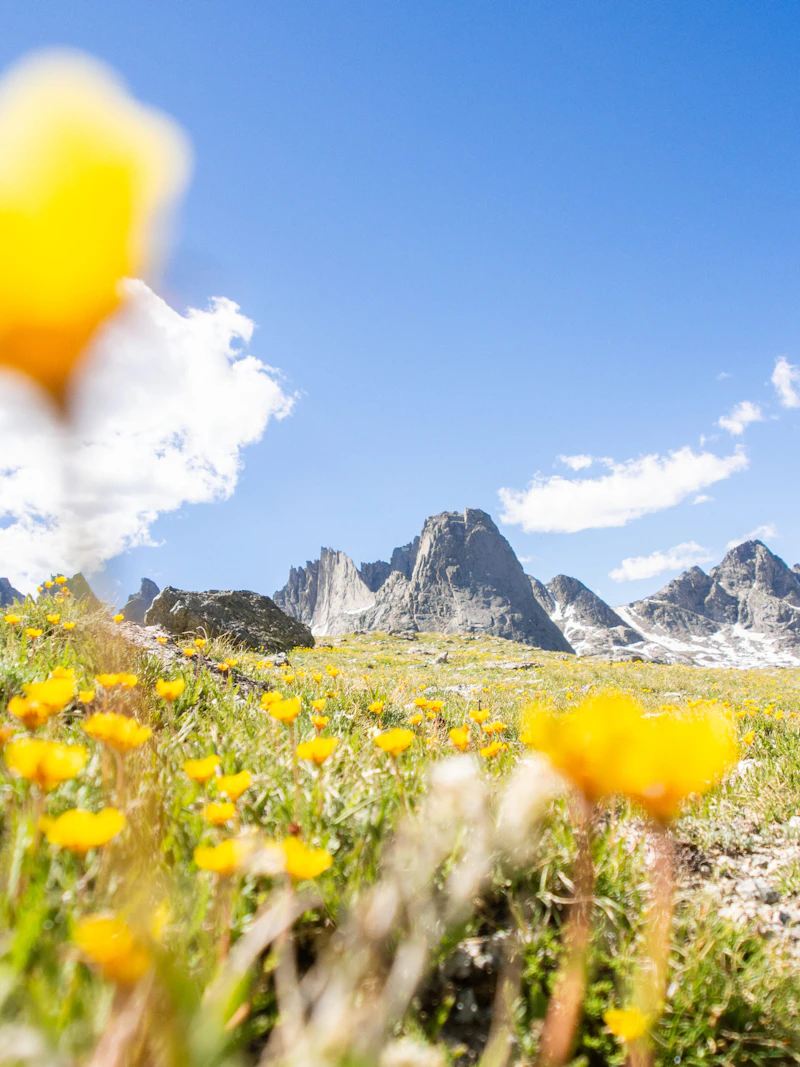
How to Get to the Bridger-Teton National Forest
From the primary gateway city of Jackson, which is home to an airport, take highways 191/89/26 that runs along the scenic Snake River north-south through the valley. Highway 189 travels the forest’s western side, near the town of Afton, while Highway 28 travels the southeastern area, near Farson. For access to the Wind River Range, take Highway 191.
- Casper, Wyoming: 2.5 to 3 hours by car
- Salt Lake City, Utah: 3.5 hours by car
- Cheyenne, Wyoming: 4 to 5 hours by car

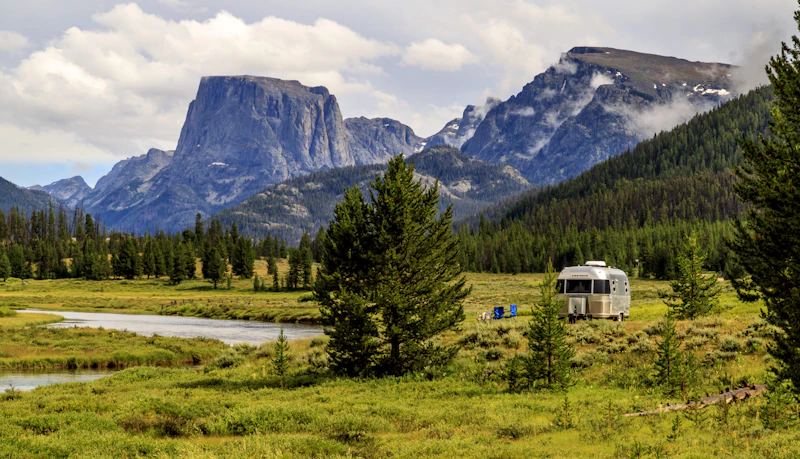
This vast range, the oldest in North America and home to the most extensive glaciers in the lower 48, is a hiking and backpacking paradise. Elevations top out at 13,804-foot Gannett Peak, the tallest point of the Rockies. For epic mountain scenery without having to summit, hike 24-mile out-and-back Highline Trail, which offers incredible views of Squaretop Mountain, a granite monolith, from the Green River Lakes.
At 9,500 feet in elevation, Togwotee Pass Area is one of the best places in the Bridger-Teton National Forest to spot grizzly bears in the summer. Be sure to use designated pullouts and look for huckleberry patches, where they like to forage for berries.
In 1925, a one-mile wide section of mountain collapsed, damming the Gros Ventre River. Lower Slide Lake formed behind the dam; two years later the dam gave way, flooding the town of Kelly. This unique geologic site, located 18 miles northeast of Jackson, now features a fascinating interpretive trail that winds through the area enabling visitors to learn the history and ecology of this massive landslide.
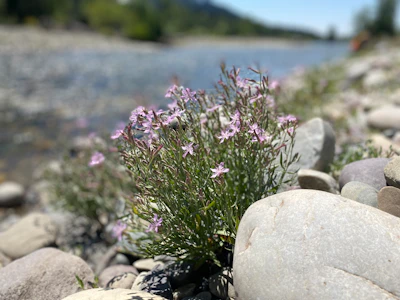 Teton wirelettuce Part of the rose family, this rare species blooms pink along the tributaries of Snake River. It was discovered relatively recently, in the 21st century, and botanists are still uncovering new populations. Photo by Sienna Wessel (CC BY-NC)
 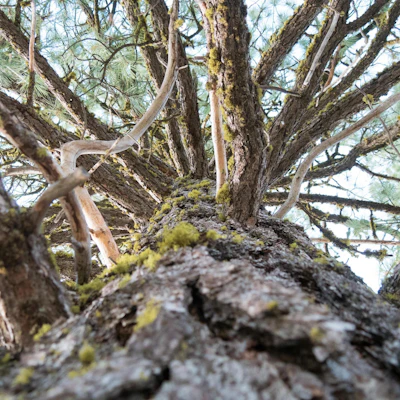 Lodgepole pine This tall conifer is the most common tree found on mountain slopes of the Bridger-Teton National Forest. Its name comes from its traditional use by Indigenous peoples for constructing tipis and lodges.
 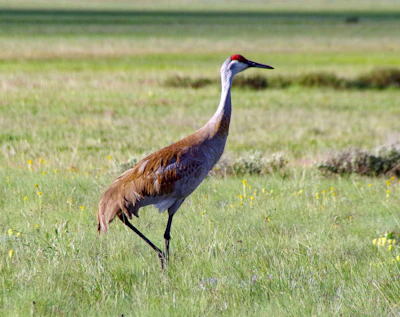 Sandhill crane This large migratory bird, which occupies marshy areas in the spring and summer, is known for piercing calls and entertaining mating dances.
 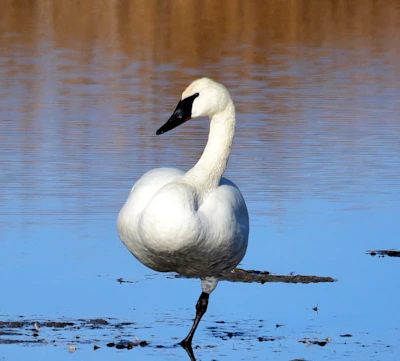 Trumpeter swan The largest native waterfowl, this swan can grow up to six feet in length and weigh more than 25 pounds. It has trumpet-like calls and needs a long runway—often up to 100 yards—to take flight.
 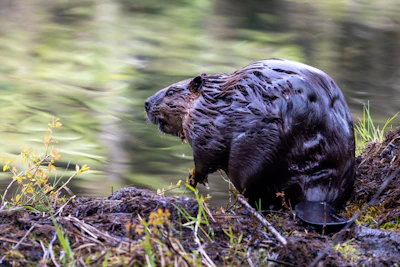 Beaver Nature’s best engineer used to be a common presence in the forest, creating a thriving riparian habitat before trappers—the first European settlers—arrived in Jackson Hole. Today, its population is steadily increasing.
 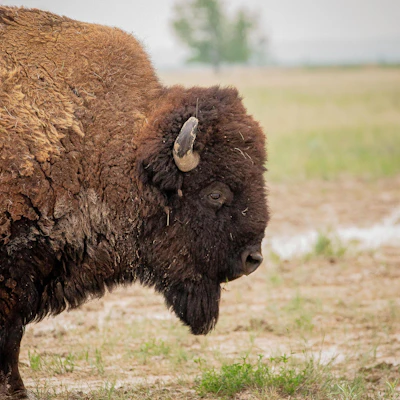 Bison This massive herbivore, which weighs up to 2,000 pounds and runs 35 mph, used to roam these lands in huge herds and can now be spotted on the forest’s grasslands.
 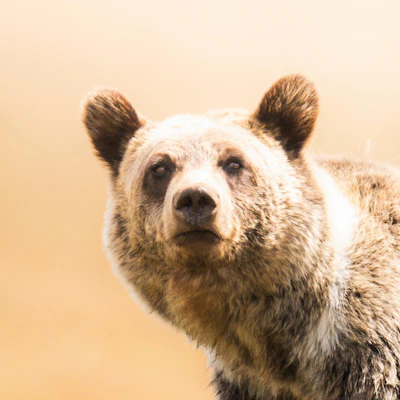 Grizzly bear This apex predator is growing in population size across this region and displays little fear of humans, so keeping food stowed properly and remaining aware are crucial when visiting the Bridger-Teton.
 Related Impact
Cultivating Leaders in the Mission Mountains
A partnership-driven program connects youth on Montana’s Flathead Reservation with hands-on conservation work, heritage education, and pathways in natural resource careers.
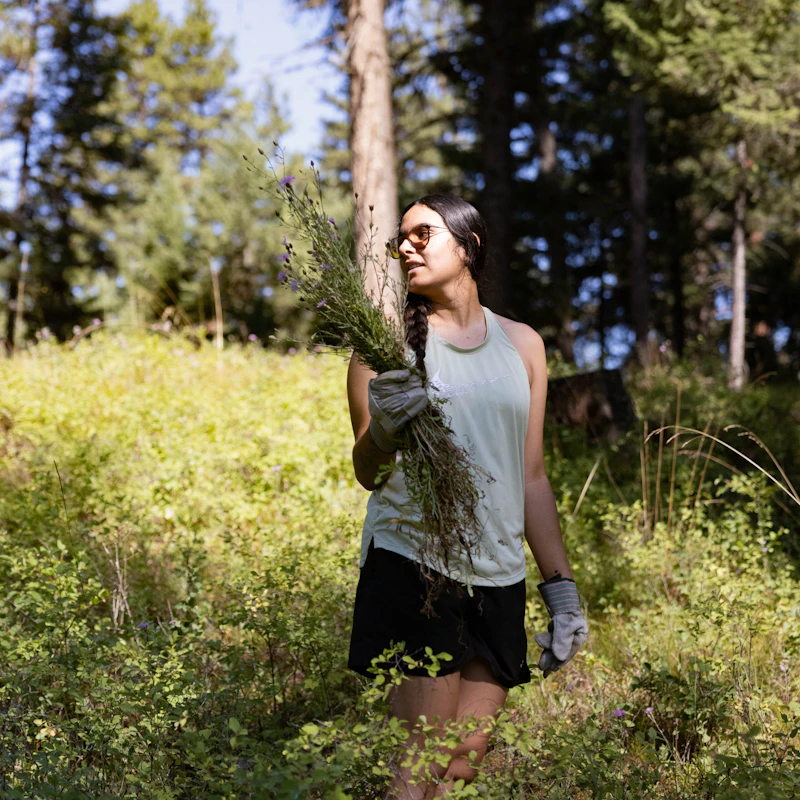
What’s the Best First-Timer’s Adventure in the Bridger-Teton National Forest?
With 37 developed campgrounds, there’s no shortage of opportunity to spend a weekend in the majesty of Bridger-Teton National Forest. For a first visit, consider the Crystal Creek Campground, located on Gros Ventre River and Crystal Creek, both of which are designated Wild and Scenic Rivers. In addition to excellent fishing, a number of surrounding trails offer hiking and biking through spectacular scenery.
Where to Find More Information on Bridger-Teton National Forest
For more information or questions, visit https://www.fs.usda.gov/r04/bridger-teton
Discover how communities, volunteers, and partners are shaping the future of our National Forests and Grasslands.
After years of damage, recovery, and reconstruction, the trail to Hanging Lake has been fully rebuilt, creating a more durable,…
Erosion and wildfire had left Arizona's historic Highline Trail rutted and unsafe. After five years of work with the Tonto…
Forest restoration near Flagstaff is reducing wildfire risk for local communities and safeguarding the water supply for millions across the…
Colorado's 14ers draw thousands of visitors each year, and the pressure on these fragile alpine landscapes is growing. Here's a…
Visitors of all ages can explore forest trails and sparkling waters, discover wildlife and underwater habitats, and connect with Tahoe’s…
A partnership-driven program connecting youth on Montana’s Flathead Reservation with hands-on conservation work, heritage education, and pathways in natural resource…
Seeing the impact first hand on the Grand Mesa, Uncompaghre and Gunnison National Forests
Seven Years of Reopening Trails After the Eagle Creek Fire
Field Ranger Program Connects Diverse Communities to Forests in Southern California
Anna's family has been planting trees for 50 years. Now she is helping build a sustainable model to meet the…
Our Forests Need Us Today.
Your donation powers critical, on-the-ground conservation—from wildfire recovery to watershed restoration—protecting forests for the future.