Building Better Watersheds: A Tiered Approach to LTPBR Project Monitoring at the NFF
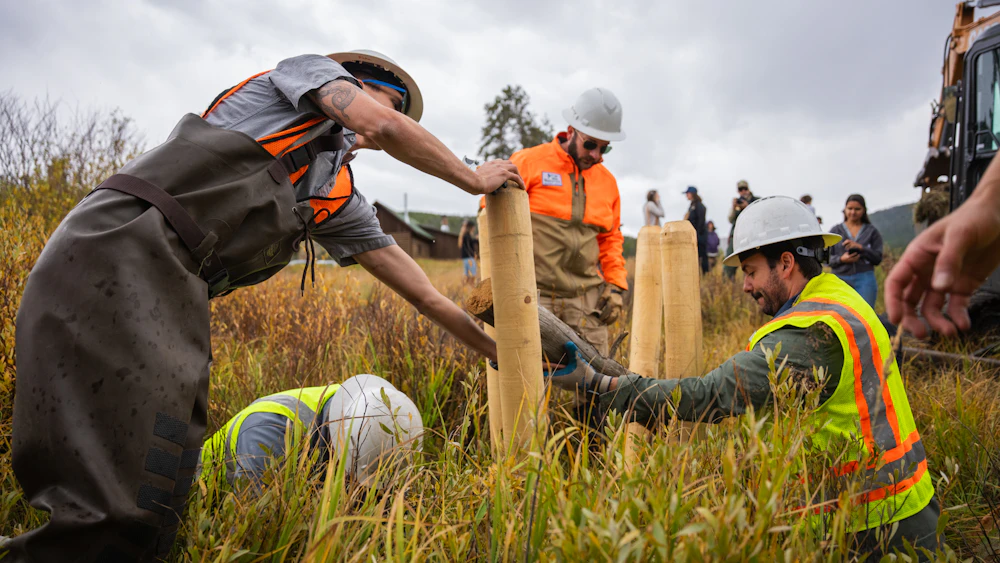
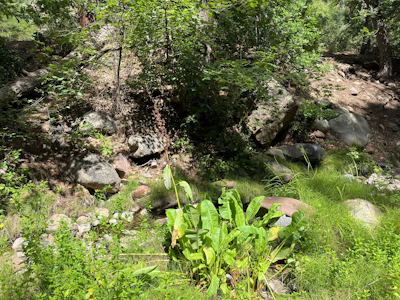
Photo by Emily Fairfax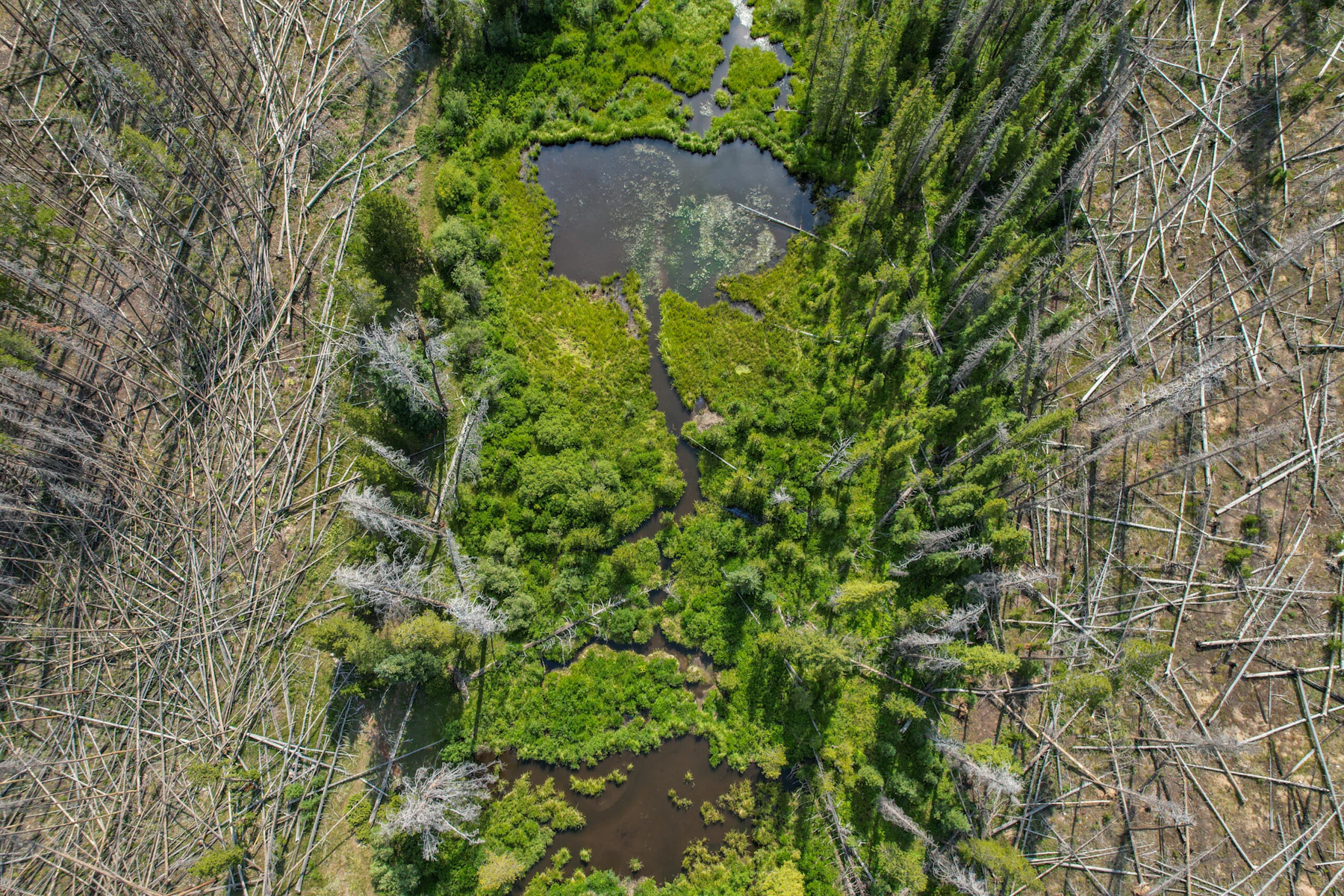
Over the past year, I’ve had the opportunity to support the National Forest Foundation (NFF) Watershed Team as they expand stream restoration projects across the greater Colorado River Basin.
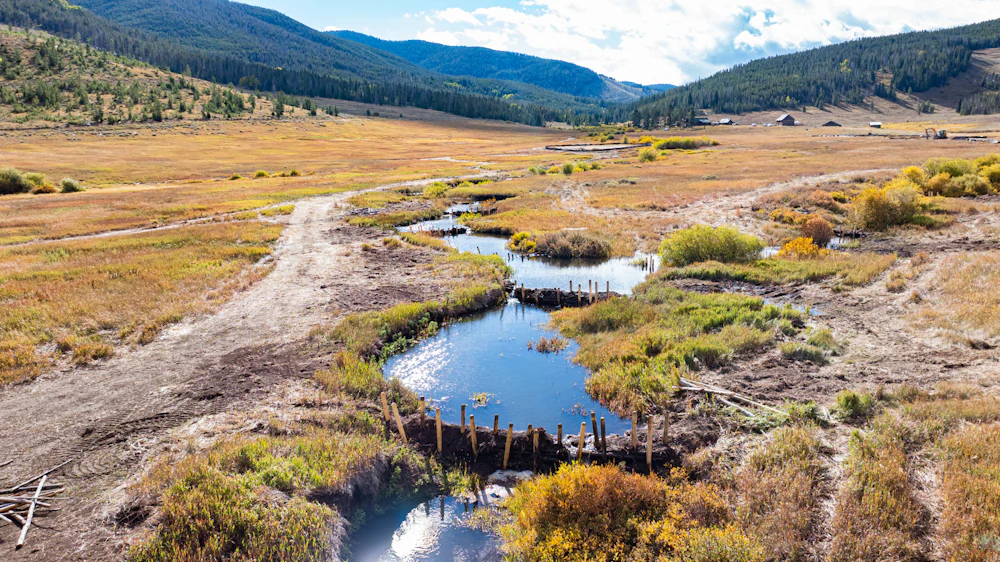
Since 2022, the NFF has launched more than 30 low‑tech, process‑based restoration (LTPBR) projects. LTPBR is a relatively simple, nature-based solution that helps degraded streams to recover and flow better; this can be accomplished via structures such as beaver dam analogs, which mimic the ecosystem engineering capabilities of beavers.
As the NFF’s Watershed Team’s work has grown, so too has the need for a clear, consistent, and data-driven way to track results and share progress with partners. This challenge was the focus of my practicum as a Conservation Connect Fellow.
The goal of my practicum was to develop a watershed project monitoring framework that helps NFF staff and partners decide what metrics to track after an LTPBR project is completed. The framework provides a flexible menu of monitoring options that can be tailored to each project’s goals, size, and available resources. Building the framework required a phased approach. First, I created a database of current NFF watershed projects and reviewed existing monitoring practices across the organization. I then looked at how peer organizations like Trout Unlimited, American Rivers, and the Sierra Meadows Partnership approach post‑project monitoring. After this research, a clear pattern emerged, a tiered, comprehensive monitoring system inspired by peer organizations, as well as existing practices at the NFF.
The final framework ranges from low‑cost remote sensing tools to more detailed water quality measurements that require additional time and funding. The tiered nature of the framework means easier scalability, as well as the potential to gather larger amounts of data from projects. To supplement the framework document, I also put together a one-page quick reference guide as well as a trial ArcGIS Survey123 form to collect post-project data, both of which are targeted at field staff and contractors for on-the-ground work.
As a Great Lakes native, I have always held a deep appreciation for the conservation of freshwater ecosystems. Learning about the challenges facing watersheds in the West, and contributing to solutions through my NFF practicum, expanded my understanding of the interconnectedness of our nation’s water resources. Developing this monitoring framework ultimately showed me how thoughtful, comprehensive data collection can strengthen restoration outcomes, empower partners, and help the NFF tell a clearer story about its impact.
Mary Kelly is a 2025 Conservation Connect Fellow with the NFF Watershed Program and graduate student at the University of Michigan studying geospatial data sciences. For her master’s research, Mary worked with the Indigenous-led Buffalo Nations Grasslands Alliance to develop geospatial wildlife connectivity tools and advocate for federal policies that will enable Native Nations in the Northern Great Plains to prioritize lands for restoration and funding. Mary’s academic and professional interests center on the applications of GIS and data science to projects across conservation, transportation, and terrestrial/water resources.
Our Forests Need Us Today.
Your donation powers critical, on-the-ground conservation—from wildfire recovery to watershed restoration—protecting forests for the future.