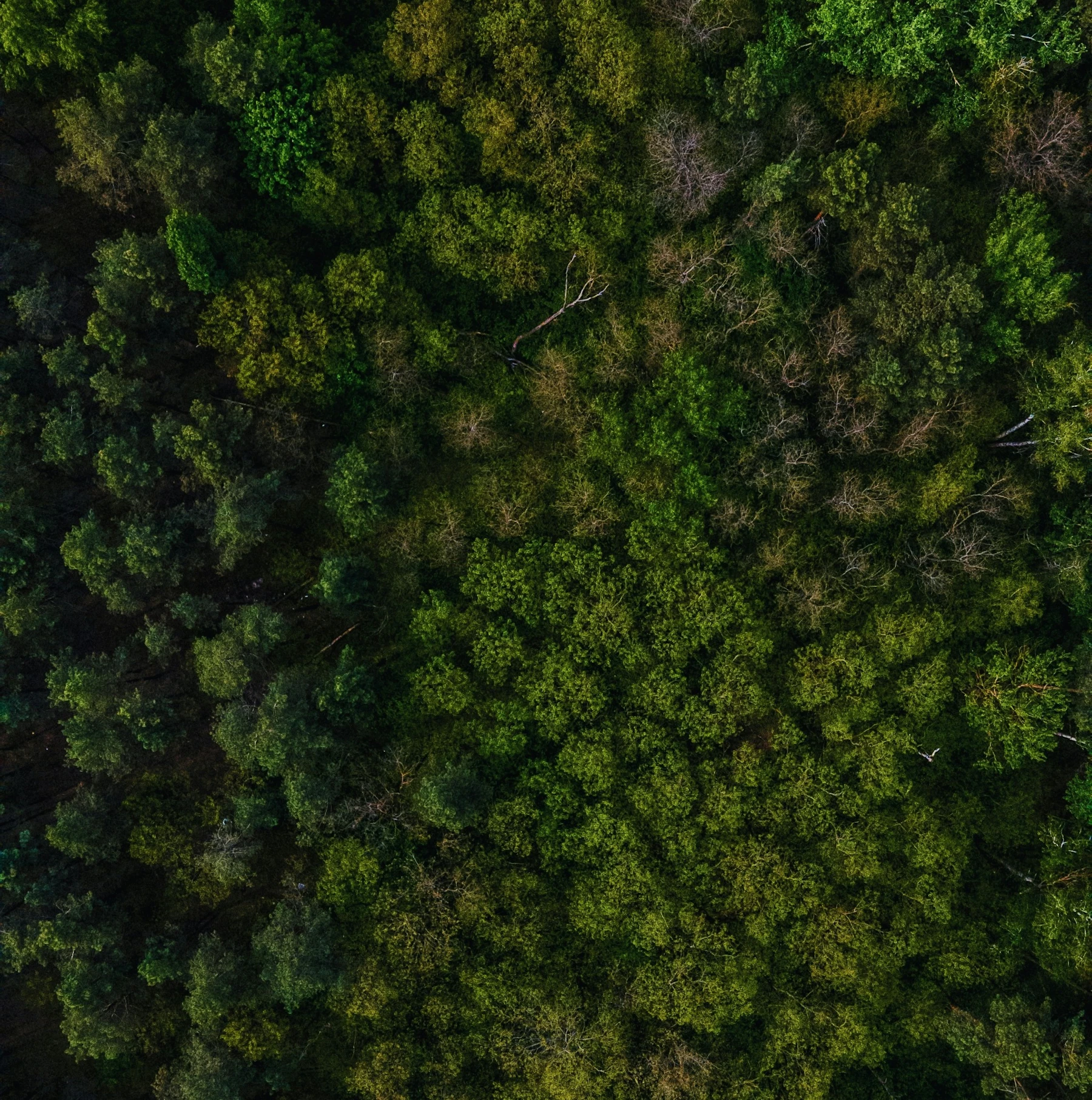
Is there such a thing as too many trees? The short answer is yes (for the long answer, you can read our blog on overstocked forests here)!
For a forest to be healthy and resilient, each tree needs enough nutrients, water, and sunlight to thrive. When trees grow too close together, they have to compete for these resources. This results in weaker trees that are more susceptible to disease, insect infestations, and drought, which makes wildfires more destructive and difficult to control.
Many seasonally dry forests in the western U.S. have adapted to and need low-intensity fire to maintain a healthy density. Due to past fire suppression policies, however, many of these forests have become overgrown and at risk for severe wildfires that can be catastrophic for the forest and surrounding communities.
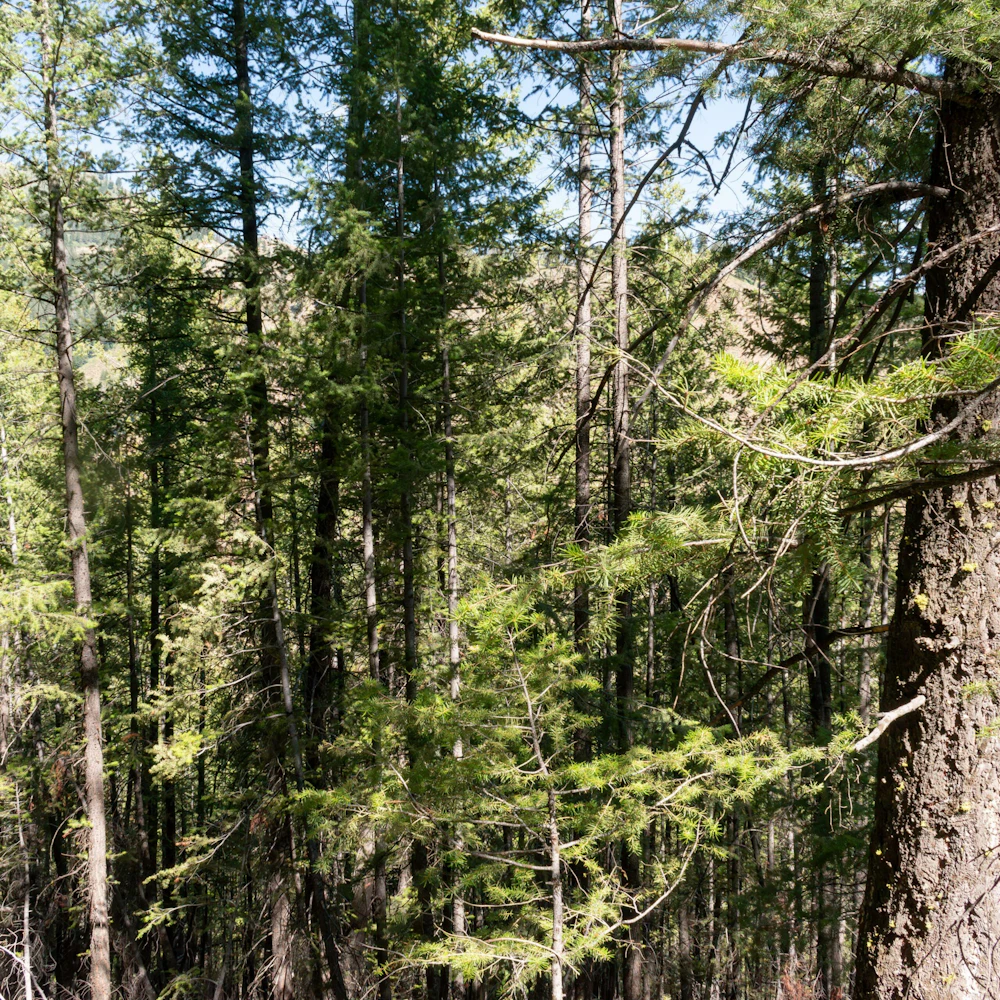
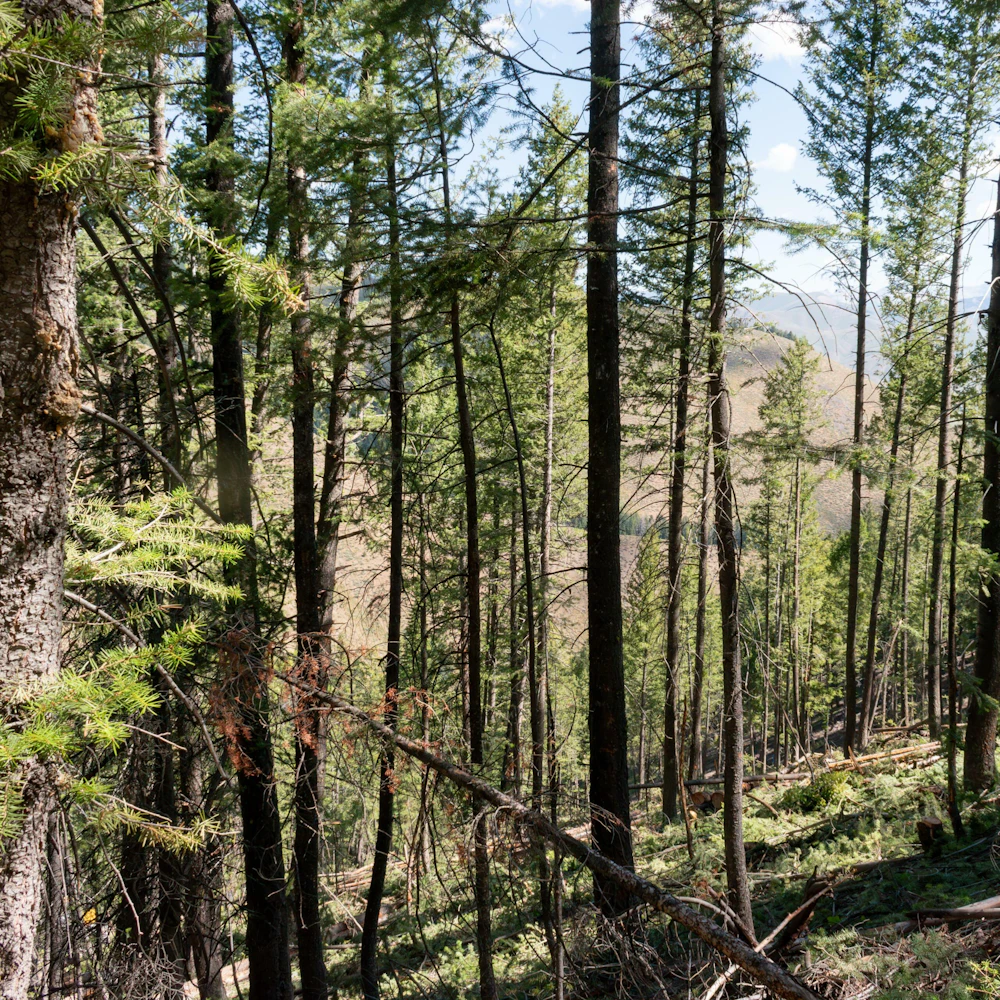
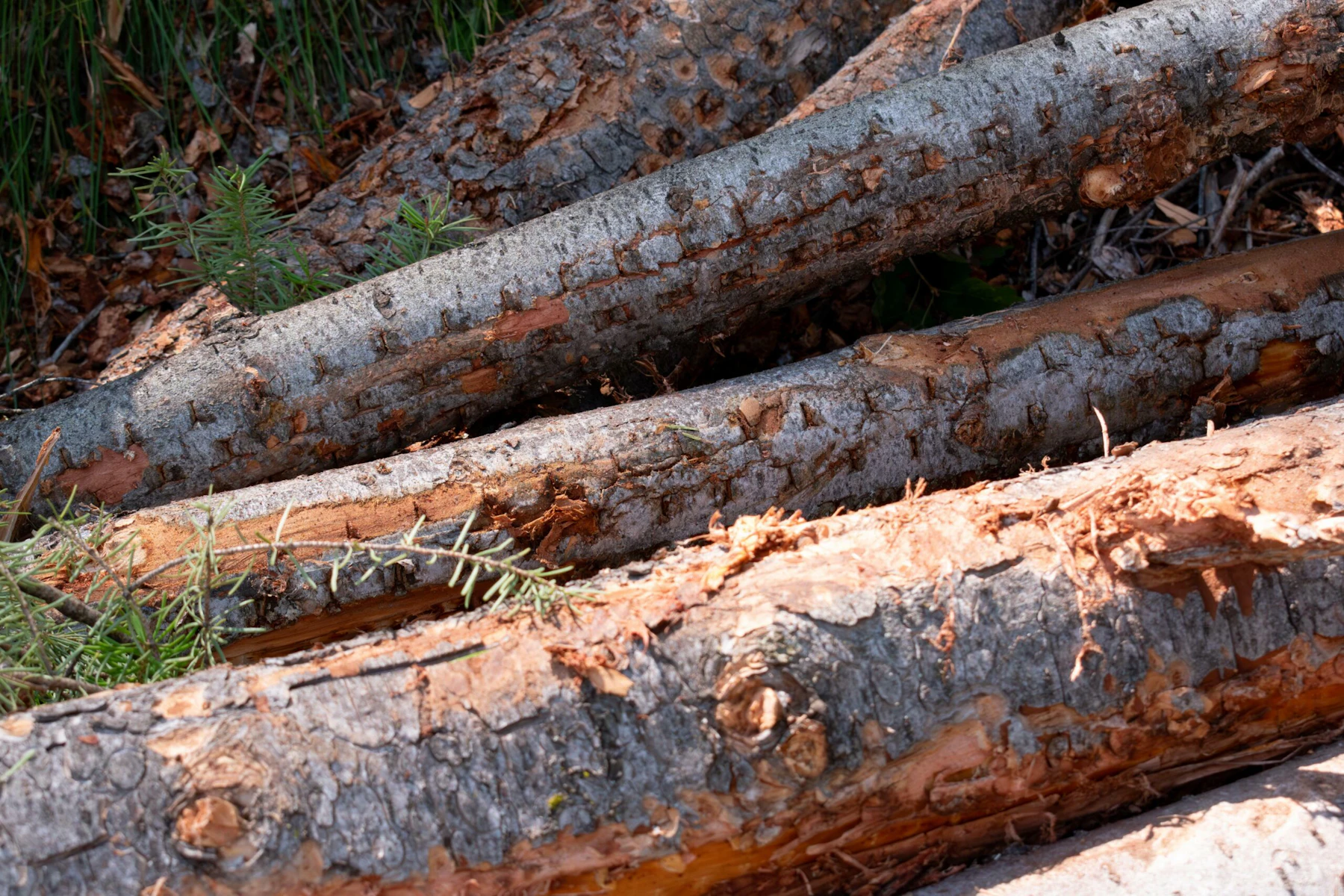
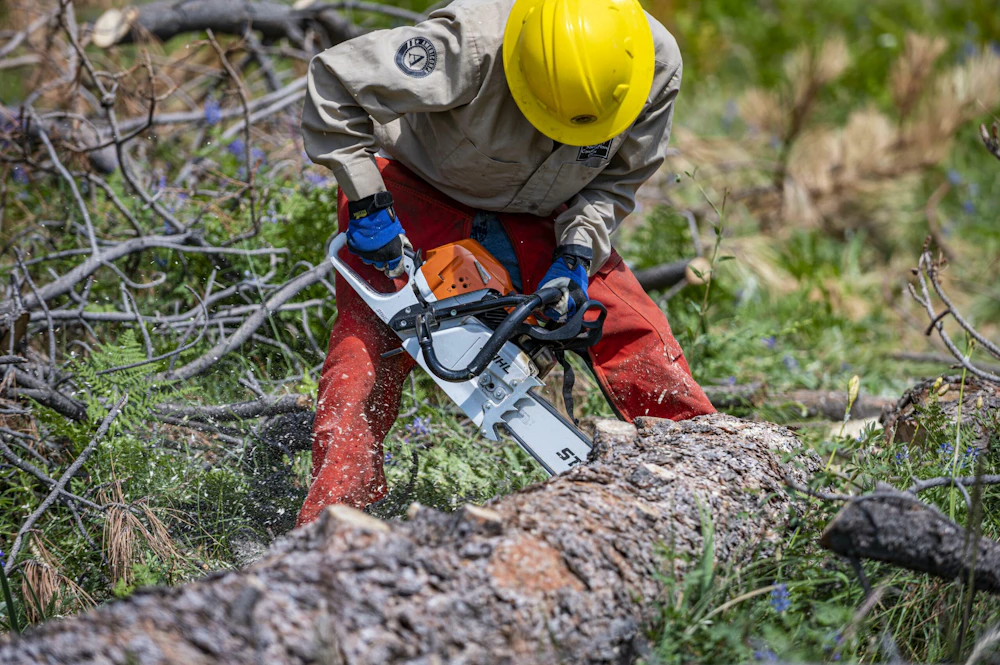
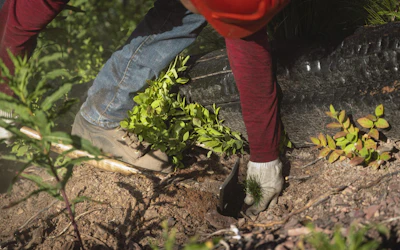
Forest thinning is an important tool for restoring these landscapes to their natural state by removing small or weak trees so that the remaining trees can thrive. The National Forest Foundation (NFF), U.S. Forest Service, and other land mangers use a variety of methods to reduce forest density and increase fire resiliency across the National Forest System including prescribed burns, mechanical thinning, and hand removal.
The Benefits of Forest Thinning
Forest thinning is one of the most important tools land managers have to reduce the frequency and intensity of wildfires. Through thinning, land managers can remove surface fuels such as brush and dead, dying, or weak trees that would feed a growing forest fire. Removing smaller trees also reduces the number of paths wildfires can use to climb from the ground into the forest canopy, which can turn a low-risk fire into a dangerous and unmanageable one.
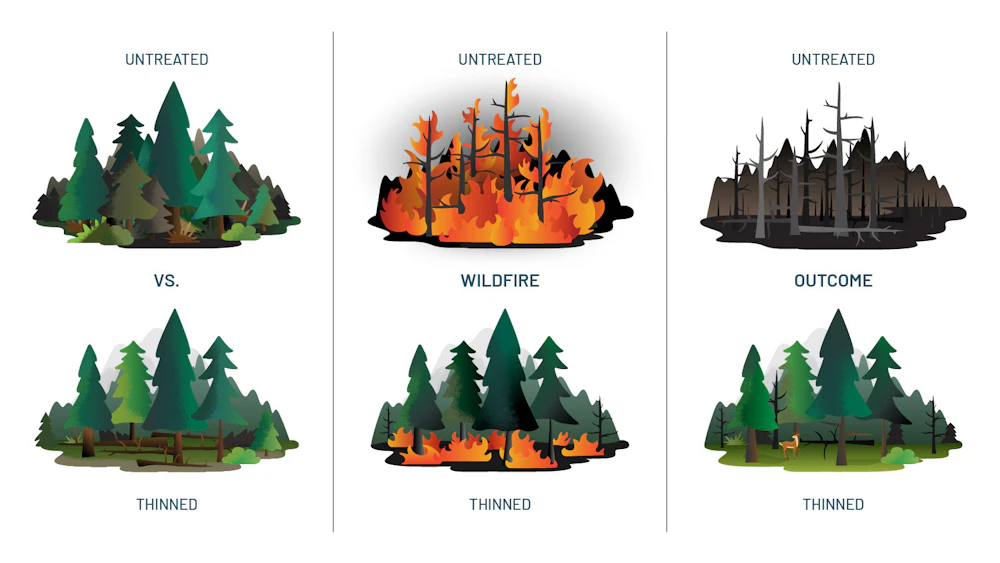
When smaller trees are removed, larger trees also face less competition for resources and are better able to withstand fires, disease, insect infestations, and drought.
Beyond increasing resiliency in the remaining trees, opening the forest canopy also creates diverse ecosystems that provide important habitat for wildlife and increases biodiversity. This creates opportunities for native, fire-resistant species like the ponderosa pine to grow without competition from non-native species that fuel wildfires.
Forest thinning can also benefit local economies through commercial wood and create more areas for recreation for everyone to enjoy!
Thinning Forests Mindfully
When engaging in forest thinning the NFF and our partners are always mindful of the unique physical and ecological characteristics of each treatment area. We work with skilled professionals to minimize thinning treatments’ effect on surrounding soil, water, and sensitive habitats. We also consider tree species distribution, age, and ecological contribution (such as wildlife habitat and fire-resiliency) to determine which trees should be removed. Thinning treatments should always be a part of a larger effort to restore, sustain, and protect forest ecosystems.
Want to learn more? Check out these additional resources from the U.S. Forest Service and the National Association of Forest Service Retirees.


Our Forests Need Us Today.
Your donation powers critical, on-the-ground conservation—from wildfire recovery to watershed restoration—protecting forests for the future.