What Do We Do When a Low-Tech Method for Process-Based Restoration Isn’t Possible?
Photo by James “Q” Martin.

Process-based restoration (PBR) mimics natural processes that keep ecosystems healthy, encouraging those natural processes to return or continue.
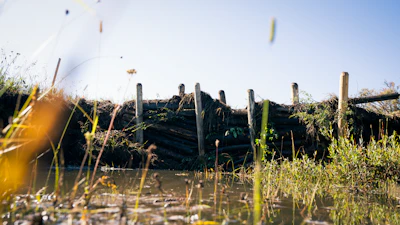
Often, we talk about low-tech process-based restoration (LTPBR), a type of restoration done mostly by hand using simple techniques, such as placing rocks or weaving barriers within a waterway. These techniques and structures mimic the natural process of a beaver dam blocking the stream flow, forcing water to spread across the surrounding landscape, otherwise known as the floodplain.
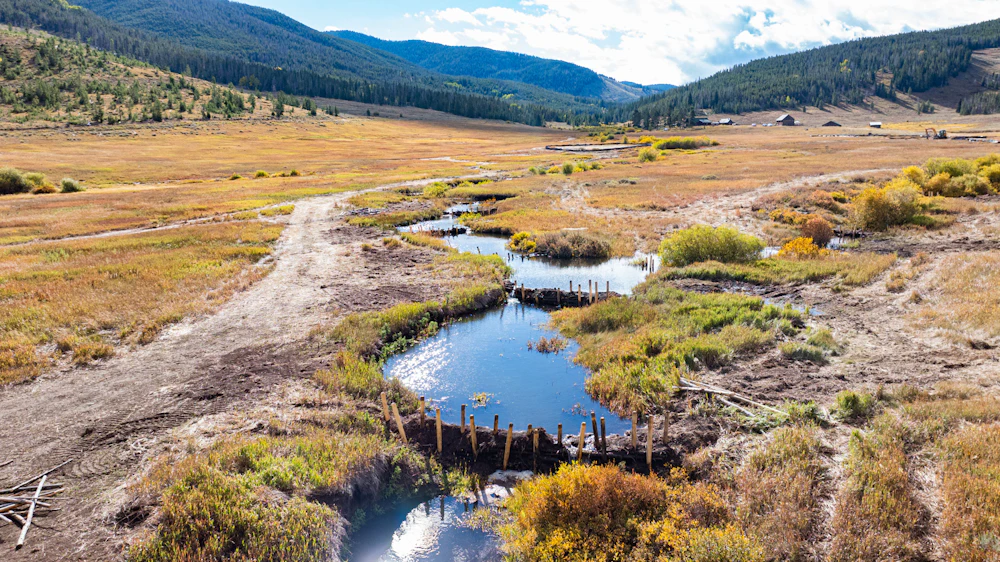
Restoring floodplains brings benefits, such as:
- Reduced flood risk
- Recharged groundwater
- Healthy habitats for fish, wildlife, and native plants
- Resilience to drought, fire, and climate extremes
However, sometimes a site is in such poor condition that a low-tech method will not be effective in restoring the ecosystem’s natural processes. When this happens, we implement a different type of PBR called high-tech process-based restoration.
What is high-tech, process-based restoration (HTPBR)?
High-tech process-based restoration (HTPBR) involves more intensive methods, sometimes including heavy machinery. One type of HTPBR is called “stage zero” in which heavy machinery is required to reshape the landscape by moving sediment and improving the structural stability and functionality of the land.
This type of restoration is often needed at sites that have experienced extreme stream incision: when a stream deepens its active channel through erosion and causes a drop in adjacent water levels within the floodplain.
This drop in water levels prevents water from reaching the roots of nearby plants, degrading the overall health of the ecosystem . Stream incision occurs naturally, but is accelerated by human activities, such as agriculture, forestry, mining, road development, and changing land uses.
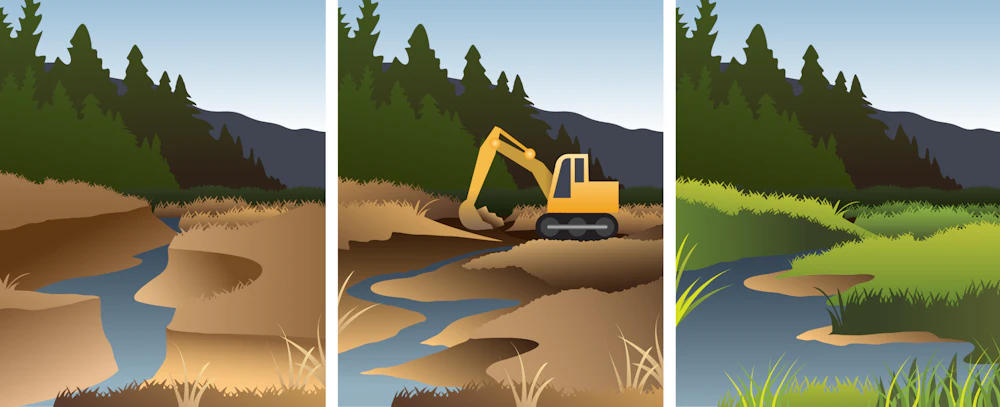
HTPBR often involves moving sediment to “reverse” the effects of stream incision and make the active channel shallow enough so that it can spread across the floodplain and raise the adjacent water levels once again. Sometimes HTPBR is enough for an ecosystem to return to its natural processes and sometimes it may need to be followed up by a low-tech method such as manually placing rocks or logs to restore the ecosystem’s functions.
HTPBR in Tonto National Forest’s Little Green Valley Fen Meadow
In Arizona’s Tonto National Forest, the NFF and our partners are implementing a stage zero HTPBR project at the Little Green Valley Fen. Heavy machinery was necessary to reshape the landscape and reconnect the floodplain.
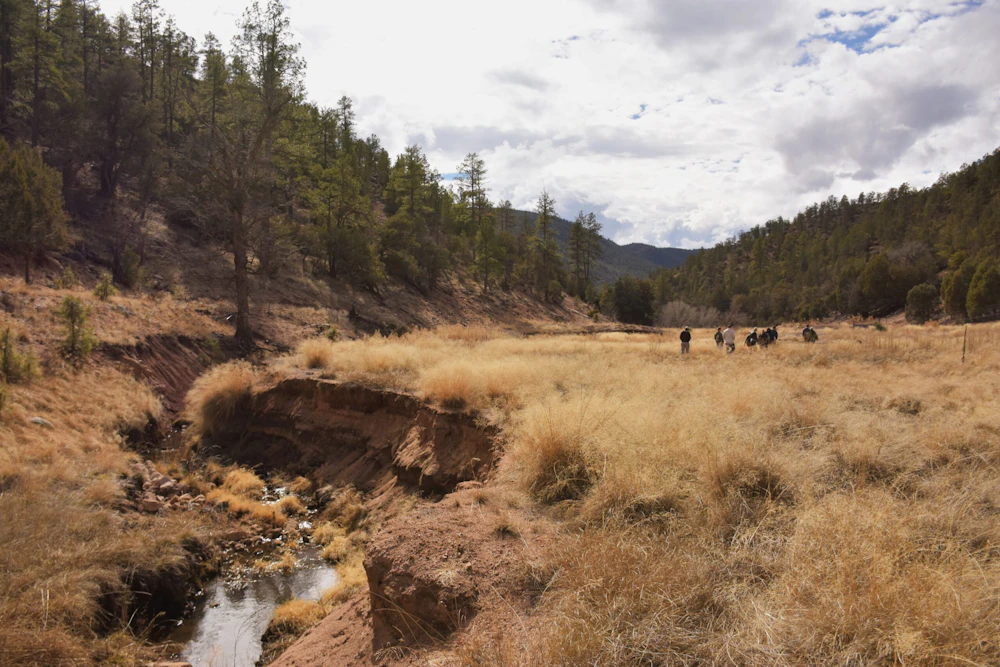
The project included reviewing the original slope of the valley bottom and then using heavy machinery to move sediment to fill in the areas that had degraded, or become channelized, over time.
By restoring the landscape’s natural gradient, the project has reconnected the wet meadow’s floodplain, which will provide more water to the Green Valley watershed and the Salt River watershed . The Salt River watershed is responsible for providing water to the entire Phoenix metro area, meaning this project’s benefits ultimately impact the millions of people living in Phoenix.

How is HTPBR different from other restoration techniques?
Just like low-tech, process-based restoration, HTPBR aims to restore an ecosystem’s natural processes so they can continue to improve the landscape’s health after work is complete.
Both HTPBR and LTPBR are long-term, sustainable solutions that rely on natural processes rather than continuous human intervention.
Cover photo of project work at Little Green Valley Fen by James “Q” Martin.

Our Forests Need Us Today.
Your donation powers critical, on-the-ground conservation—from wildfire recovery to watershed restoration—protecting forests for the future.