Any method of restoring an ecosystem that requires a five-letter acronym might, understandably, call to mind complicated scientific processes and highly technical interventions. But broken into its core components, low-tech, process-based restoration (LTPBR) is fairly simple to understand, and even simpler to put into practice:
- Low-tech restorations are done by hand using simple techniques like placing rocks or weaving barriers, with little help from heavy machinery.
- Process-based restorations mimic natural processes that keep ecosystems healthy, encouraging those natural processes to return or continue.
What is Low-Tech, Process-Based Restoration (LTPBR)?
Rather than describing any single way to restore an unhealthy ecosystem, like planting a tree or removing hazardous fuels, LTPBR describes any restoration that is both low-tech, and process based:
Taken together, a low-tech, process-based restoration is any project that can be completed by hand and encourages processes that already occur in nature to keep ecosystems healthy.
For a closer look at how LTPBR works, let’s look at beaver dam analogs, one of the most common LTPBR methodologies the NFF and our peers implement across the Mountain West to restore our nation’s waterways.
Recovering A Natural Process
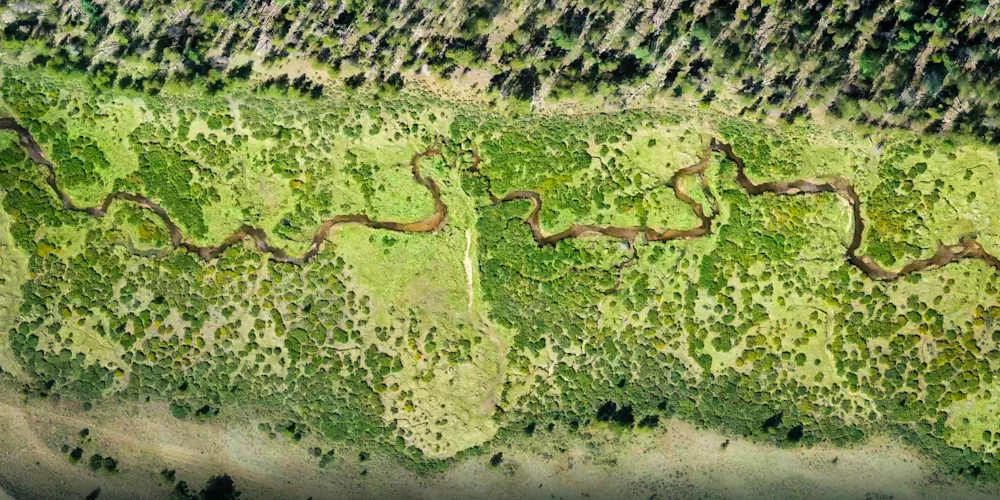
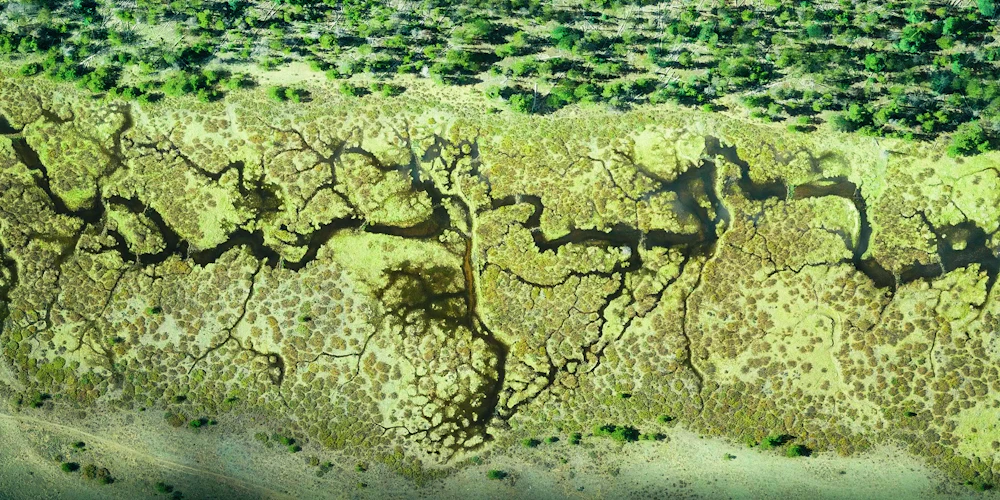
A healthy stream looks like a web of interconnected paths and pools, rather than a single channel that water rushes through. In nature, these webs of water are created by beaver dams that force water up and out of stream beds onto land – quickly transforming the surrounding area into wetland.
These wetlands have tremendous benefits for the plants and animals that live there, as well as the human communities living nearby or downstream:
- Green Vegetation. More water means more plants that stay green longer, providing beauty and biodiversity, as well as a refuge and fuel break for nearby wildfires.
- Wildlife habitat. Deep pools and slow-moving water provide shelter for young fish to grow, and mature fish to retreat when the surface freezes.
- Water storage and filtration. Wetlands act like sponges that hold and filter water, meaning downstream communities have greater access to clean water year-round.
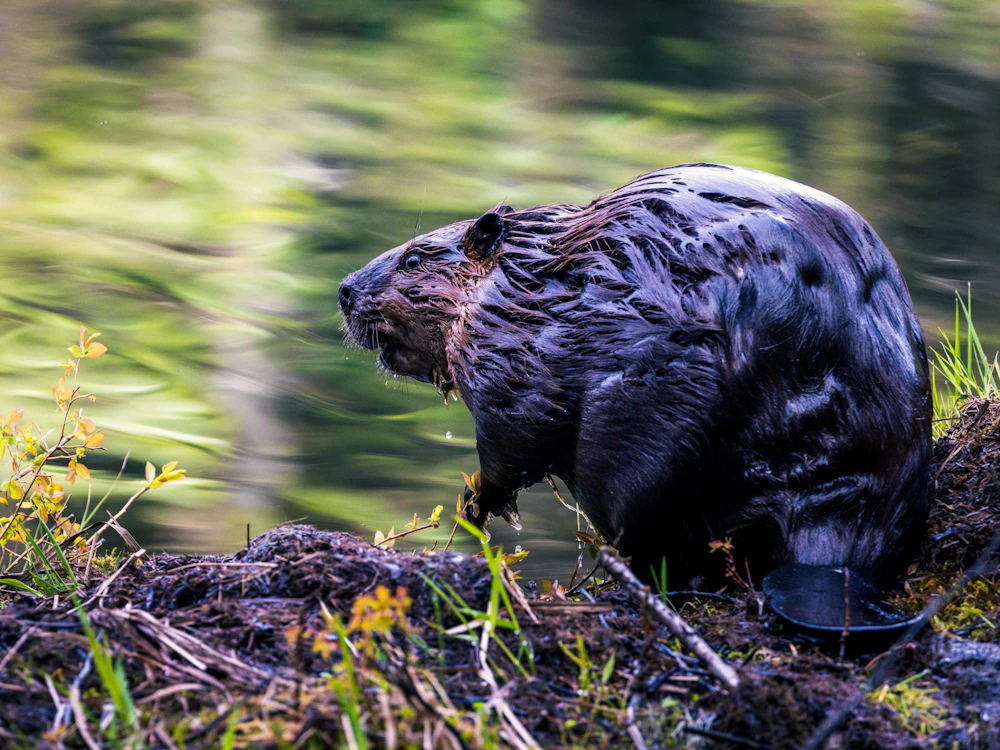
When beavers are nearby, they do an excellent job of turning single channel streams into wet, webby wetlands. But beavers largely disappeared from many of these landscapes over 200 years ago during the fur trade, and many of the wetlands they created have since been drained, plowed over, or converted back into single channel streams.
A Simple, Low-Tech Solution
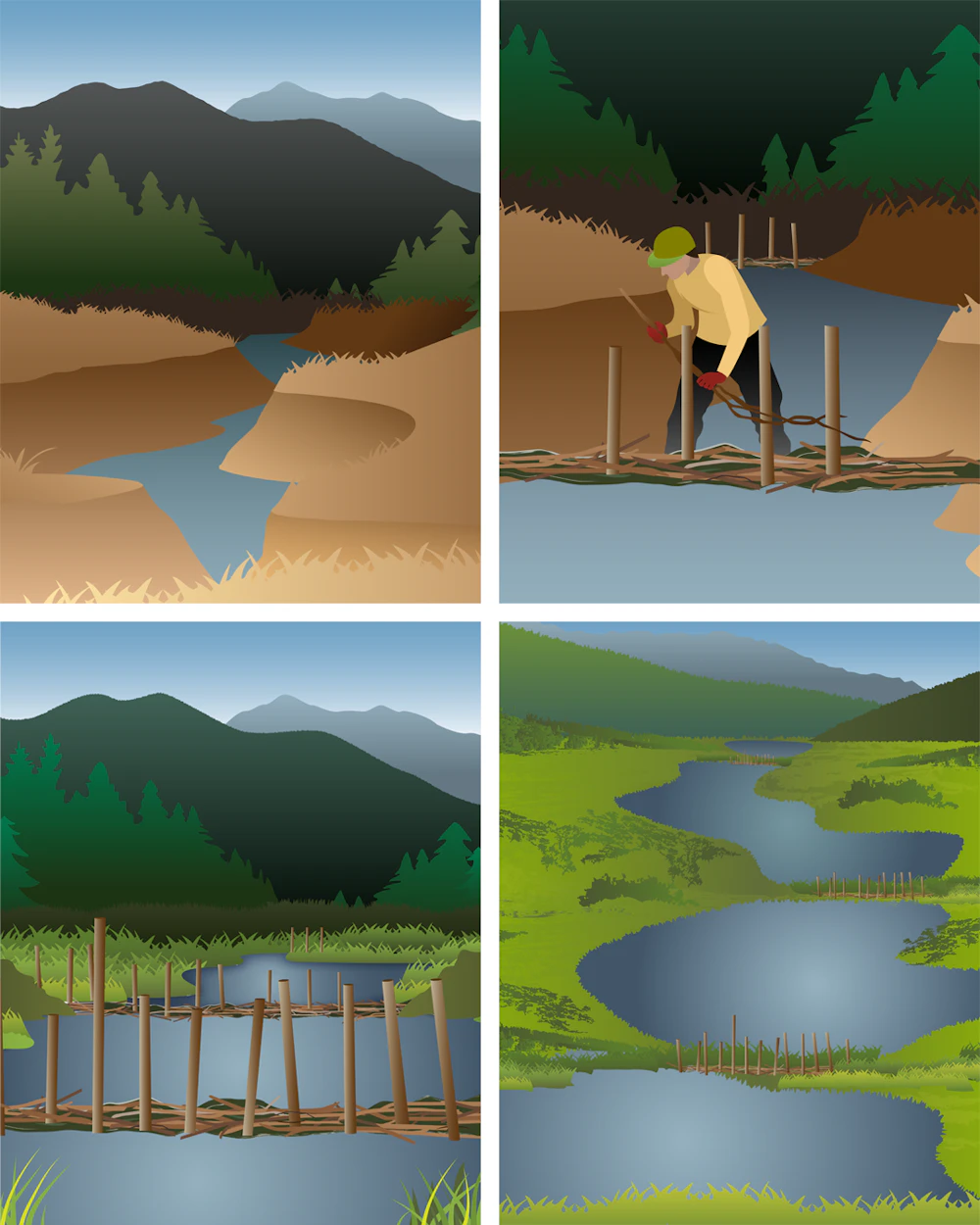
So how can we recreate the processes that once formed and sustained our nation’s wetlands? In true LTPBR fashion, the answer is shockingly simple: build our own beaver dams.
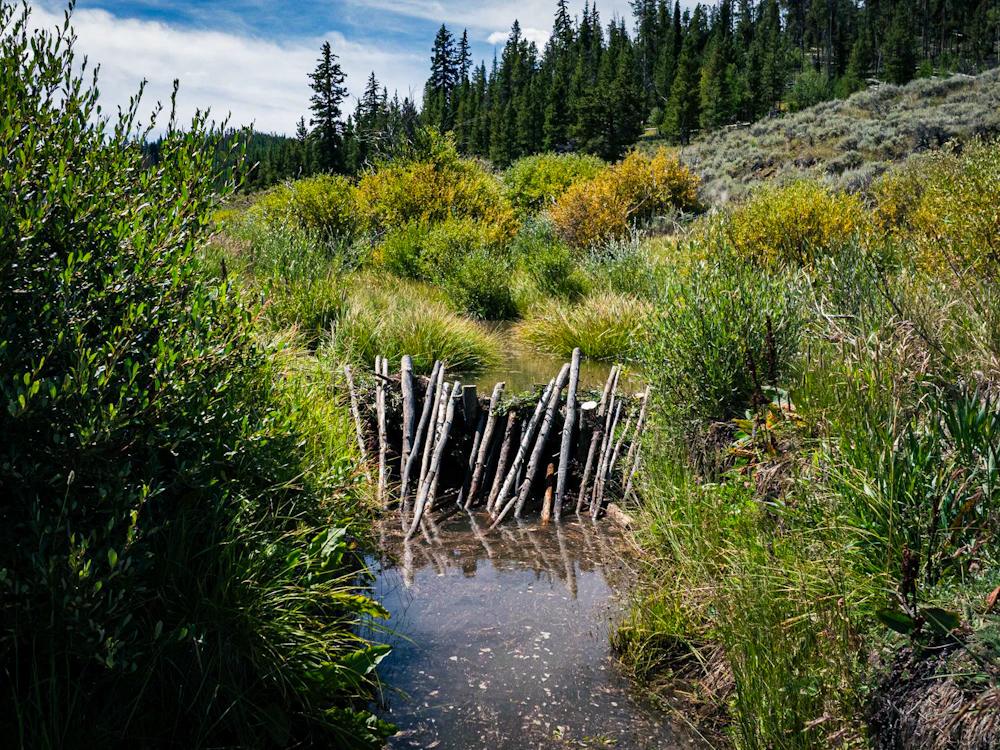
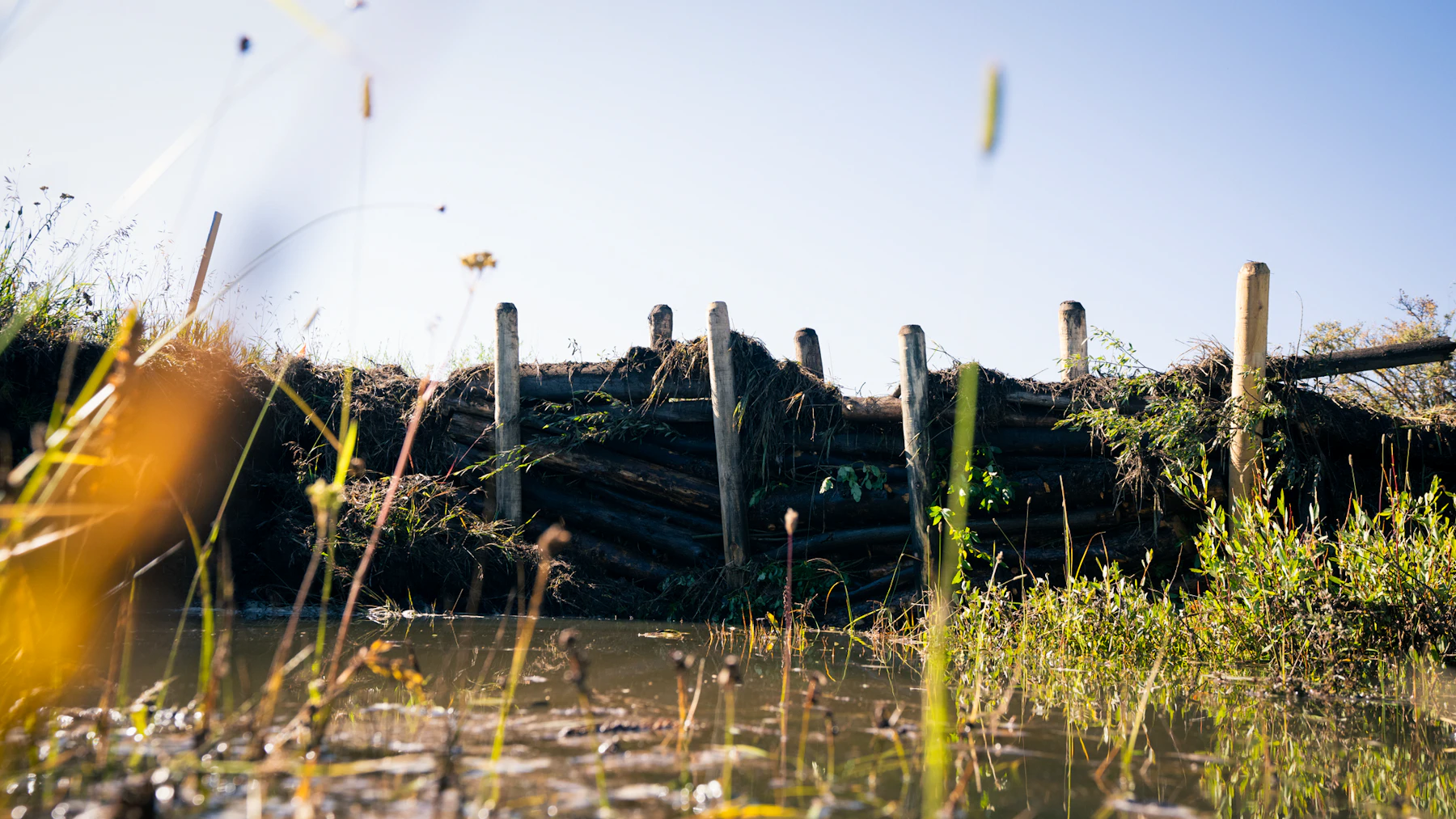
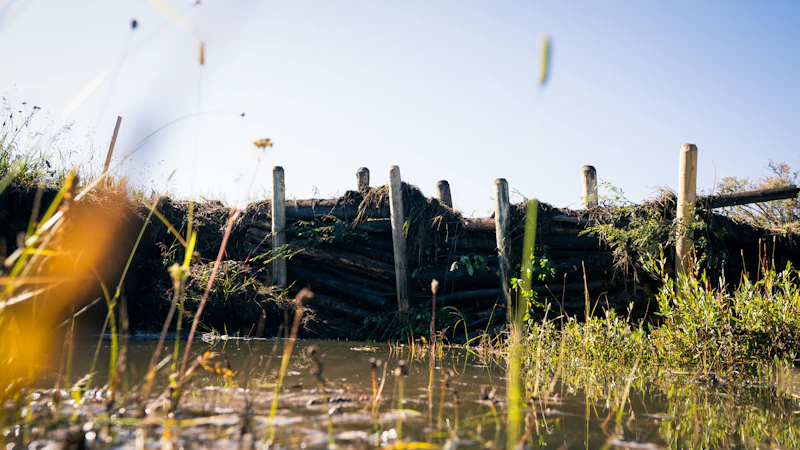
Beaver Dam Analogs are simply wooden posts sunk into a streambed with willows woven in between, mimicking the way an actual beaver dam blocks stream flow and forces water to spread across the surrounding landscape.
The LTPBR Advantage
The simple brilliance of LTPBR is that, by harnessing the power of natural processes, we can partner with nature to finish what we start at a fraction of the cost of conventional methods. Two years after the NFF built beaver dam analogs along Colorado’s Trail Creek, beavers moved back to the area and began building dams of their own.
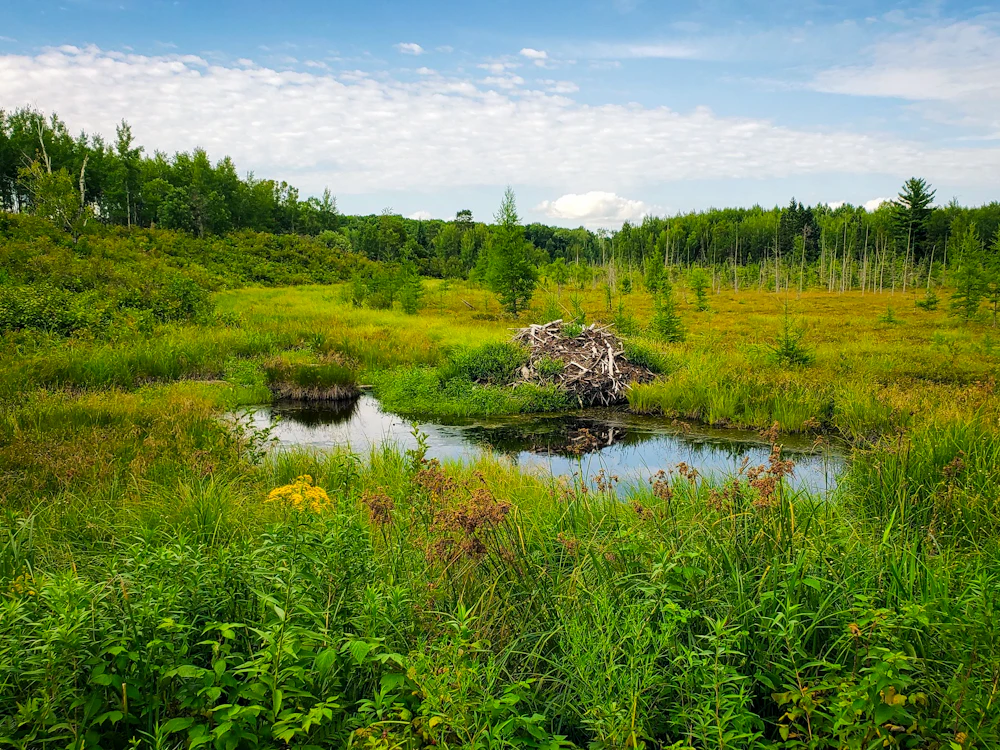
By creating the conditions for beavers to once again build dams across western waterways, we can make sustainable progress towards providing more, clean water for ecosystems and communities increasingly threatened by wildfire and drought.
Discover how the NFF is using LTPBR to restore the Colorado River Basin.


Our Forests Need Us Today.
Your donation powers critical, on-the-ground conservation—from wildfire recovery to watershed restoration—protecting forests for the future.