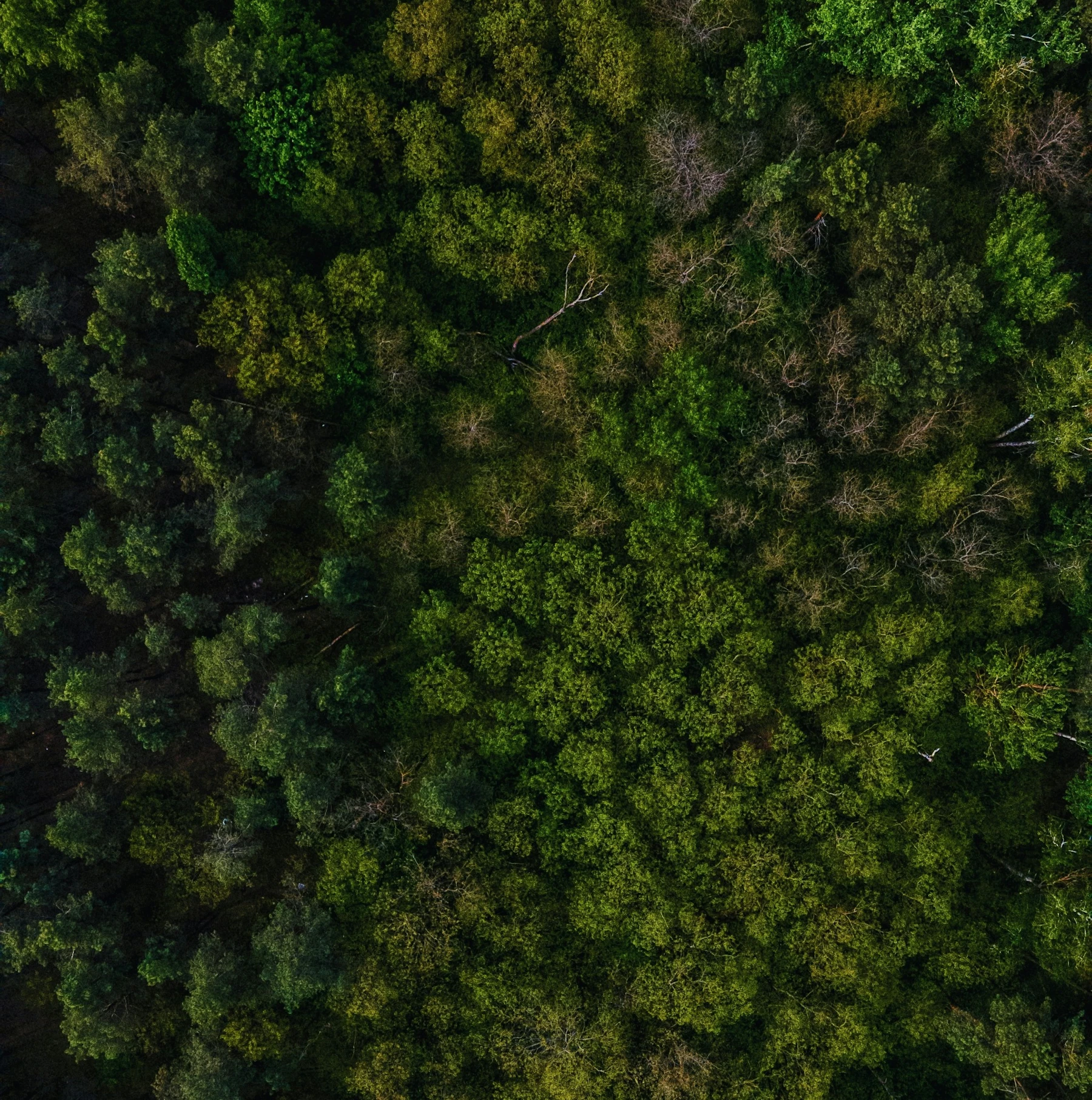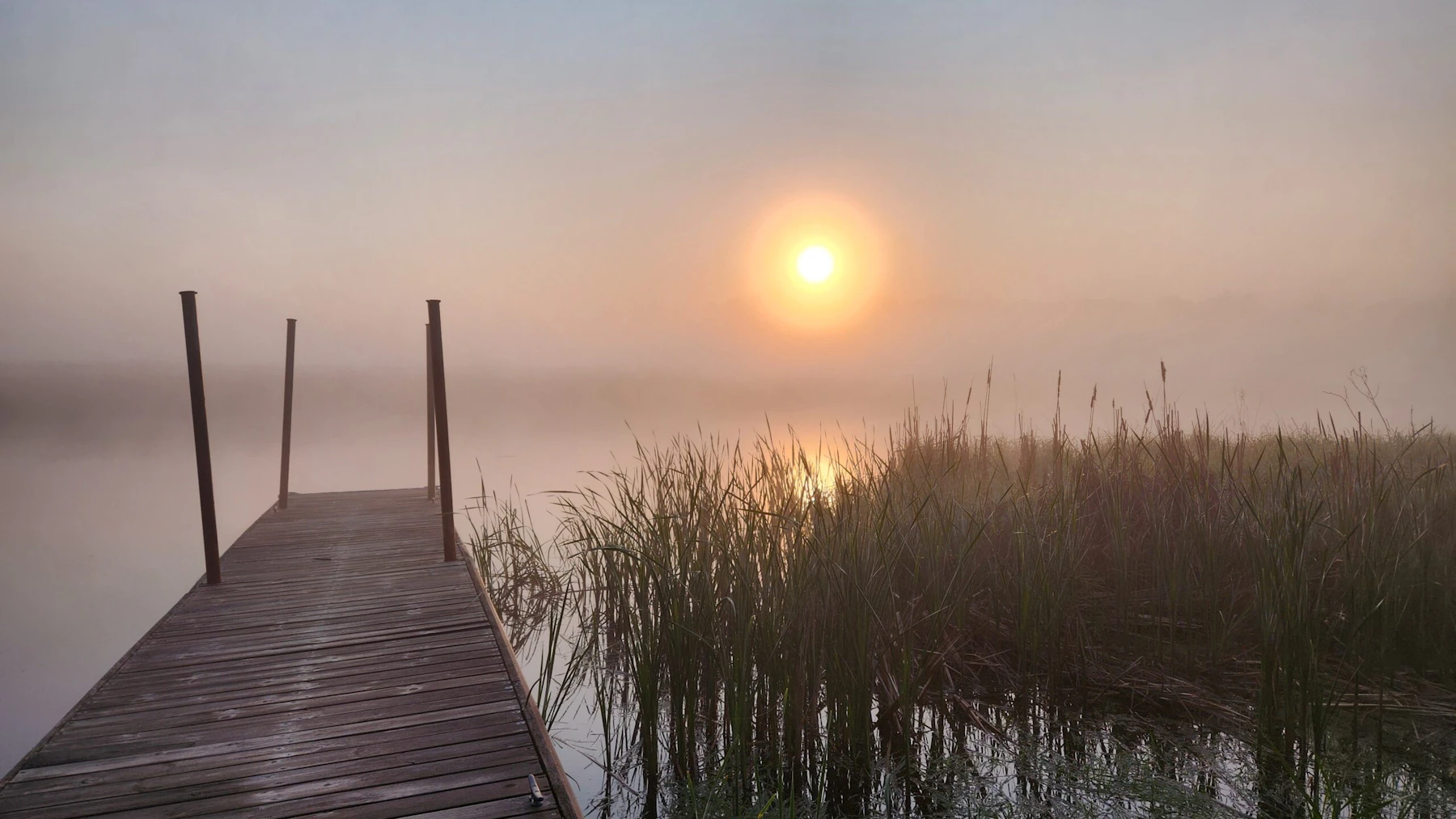

Discover the Chippewa National Forest in Minnesota, where half of its 1.6 million acres are open and wetlands, making it one of the most aquatic National Forests. The Chippewa is at the headwaters of two major drainages: The Mississippi River and Hudson Bay.
Nineteen watersheds lace the forest, consisting of over 400,000 acres of wetlands, 923 miles of streams, and 1,300 lakes, including three of Minnesota’s ten largest. Not surprising, it’s also home to two Wild and Scenic Rivers.
While its watery wonders comprise half of the forest, the other half is filled with incredible hiking, camping, horseback riding, snowmobiling, and cross-country skiing opportunities. For the best of the Chippewa: catch the Northern Lights at a backcountry campsite, fish for walleye on the Mississippi River, and spot bald eagles along one of nine canoe trails.
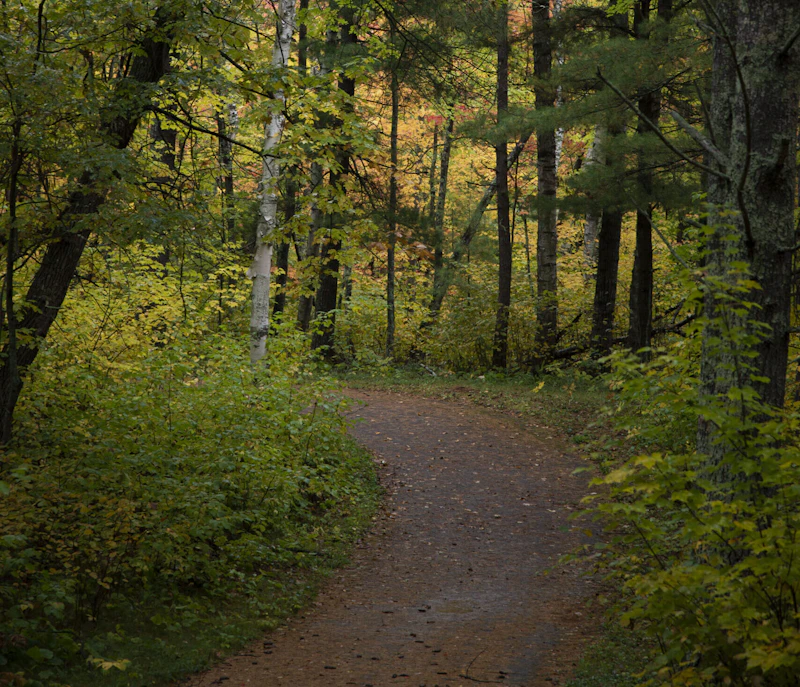
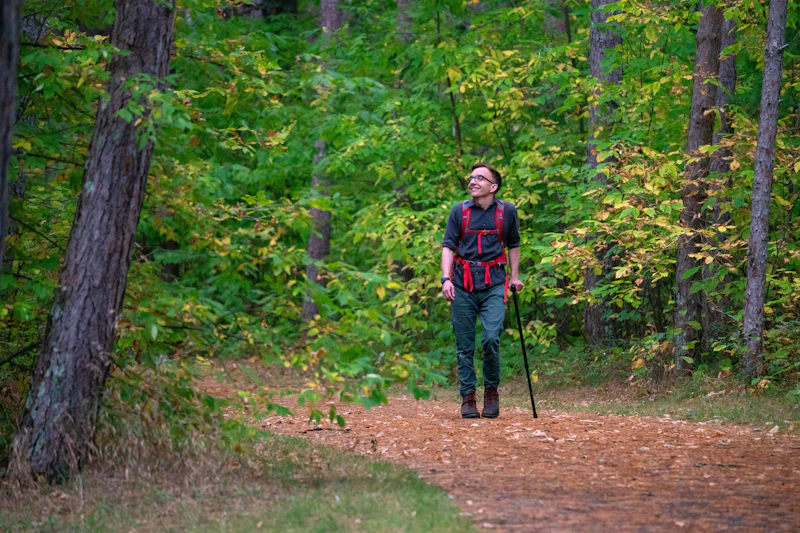 Migizi Trail. Photo by Robert Ferdinandt, courtesy of the U.S. Forest Service
 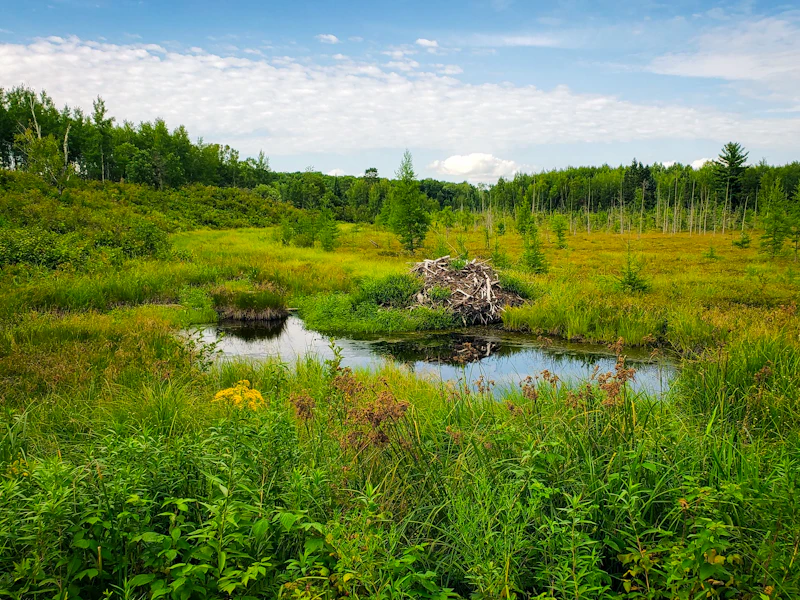 Beaver lodge. Photo by Janna Wolter
 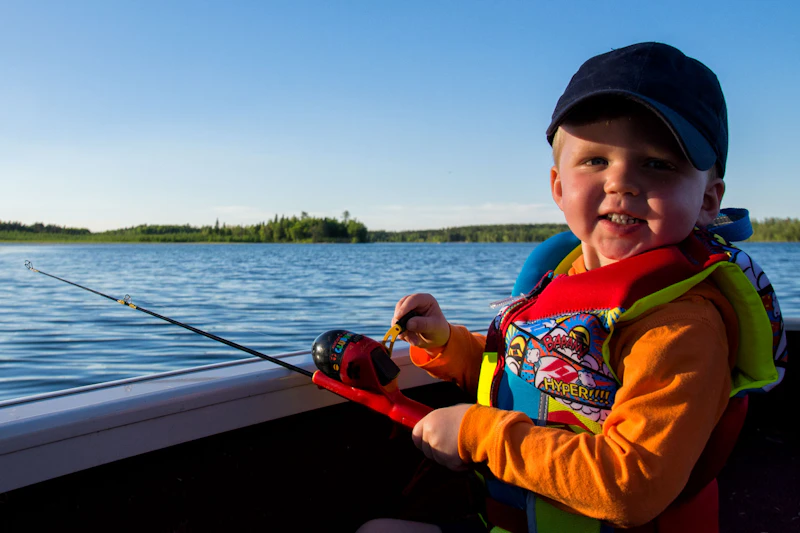 Fishing on Lake Andrusia. Photo by the U.S. Forest Service
 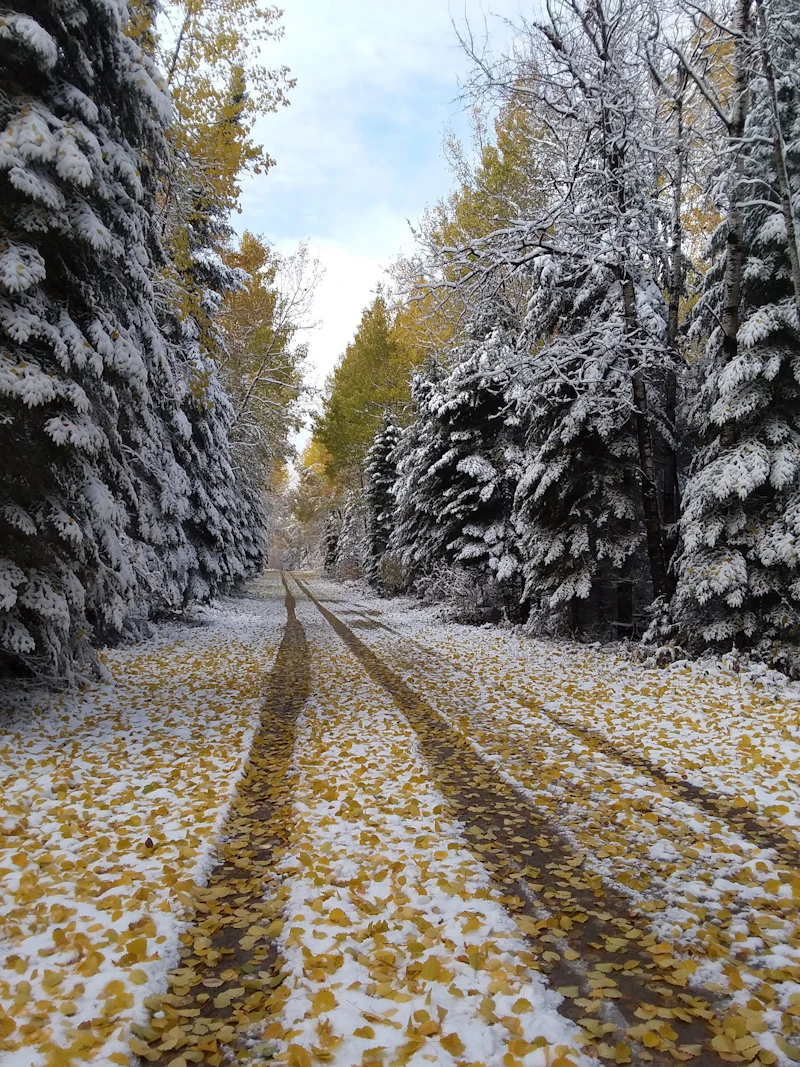 Photo by Helen Bachtold
 What is the History of the Chippewa National Forest?
Originally known as the Minnesota National Forest, the name was changed in 1928 to honor the Chippewa, or Ojibwe, people native to the region. Today, many tribal members reside on the Leech Lake Reservation, which shares almost 2,000 miles of boundary, with about 90 percent of the reservation situated within the National Forest.
The Chippewa National Forest is one of the few areas with wetlands that are essentially unchanged since settlement. It was the first National Forest east of the Mississippi River and played a key role in early conservation efforts. Shortly after its renaming, the Civilian Conservation Corps played a major role in its reforestation and infrastructure development.
The forest has more than 3,000 archeological and historic sites, from the Cut Foot Sioux Ranger Station, the first of its kind east of the Mississippi River to the Forest Supervisor’s office built by the CCC in 1936, which is listed on the National Historic Register.
How to Get to the Chippewa National Forest
The Chippewa National Forest is located in north-central Minnesota, about 120 miles northwest of Duluth, home to an international airport. The main east-west route is Highway 2, which runs along the southern edge of the forest through the gateway communities of Grand Rapids, Deer River, and Cass Lake, home to the forest’s headquarters.
The main north-south route is Highway 71, which goes through the small city of Bemidji, west of the forest. Those traveling from Minneapolis-St. Paul often take Interstate 94, Highway 10, and Highway 371.
- Duluth, Minnesota: 2 to 2.5 hours by car
- Fargo, North Dakota: 3.5 hours by car
- Minneapolis—St. Paul, Minnesota: 3.5 to 4 hours by car
- Winnipeg, Manitoba, Canada: 5 hours by car

The Chippewa National Forest is home to the highest breeding population of bald eagles in the lower 48. (A threatened species in Minnesota, eagles have been monitored on the Chippewa since 1962). More than 180 pairs live in the forest, often seen soaring near the larger lakes and the Mississippi River, or perching in old-growth trees, particularly white pine, on the windy side of lakes. The best time to spot them is at dawn and dusk.
Travel the paths of the Anishinabe on one of five canoe trails, ranging from the mighty Mississippi to the unpredictable Leech Lake. These routes offer excellent opportunities to view bald eagles, loons, and a variety of northern Minnesota wildlife. There’s also good fishing for walleye and northern pike
The largest of the four islands in Cass Lake, known for its star shape and its lake-within-a-lake, Star Island is an unique getaway for pristine nature. The 980-acre island, which combines public land and private homes, features more than eight miles of shoreland, six miles of hiking trails, and great bald-eagle spotting opportunities. Visitors can either boat or canoe from the Wayside Rest Area off of Highway 2.
 Red pine At the height of Minnesota’s logging era, 144 acres of red and white pines went due to a surveying error, leaving a rare patch of old-growth red and white pine for visitors to enjoy. The largest red pine in Minnesota was discovered here in 2010, measuring 120 feet tall and 115 inches in circumference.
 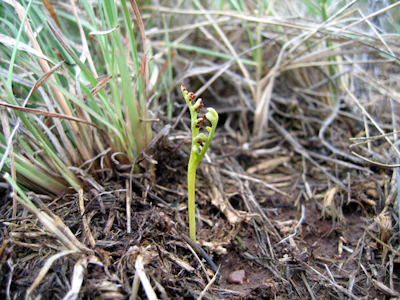 Goblin ferns This tiny plant that grows up to three inches tall is known for sprouting a single leaf that looks like a goblin hand. Given its high sensitivity to environmental disturbances, the fern is used as an important indicator of forest health.
 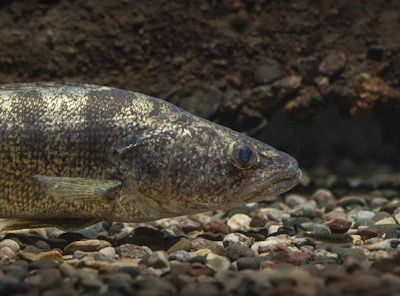 Walleye With green coloration and reflective eyes, this fish is the most popular game in Chippewa, and is abundant in Cass and Leech lakes.
 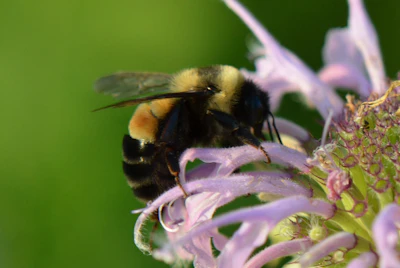 Rusty patched bumble bee Distinguished by a rusty-orange patch on its back, this bumble bee has experienced steep population declines due to habitat loss and pesticide use, resulting in focused restoration efforts.
 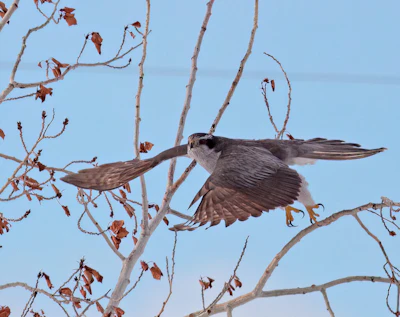 Goshawk This impressive raptor, with its barred grey belly and distinct white eyebrow, inhabits large territories of undisturbed forest. It’s an agile hunter, elusive, and hard to spot.
 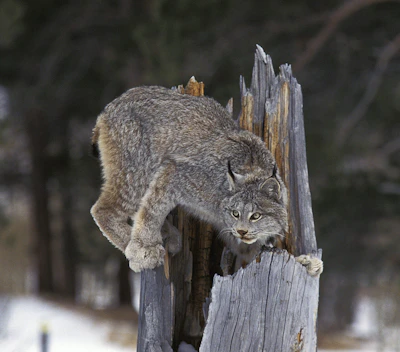 Canadian lynx This elusive wild cat, known for its unique proportions—long legs and large, furry paws—relies on snowshoe hares. It is occasionally seen in the Chippewa, but their populations have been in decline due to habitat and prey loss.
 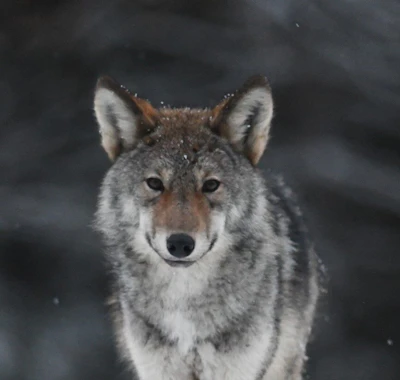 East timber wolf The largest predator found in Chippewa, this subspecies of the gray wolf can weigh up to 100 pounds. Once nearly extinct in the lower 48, the gray wolf has been making a return in these areas, and are actively monitored in the Chippewa.
 What’s the Best First-Timer’s Adventure in the Chippewa National Forest?
Located on the southern edge of Cass Lake, Norway Beach Recreation Area is a one-stop-shop for all of Chippewa’s highlights. The area features sandy beaches, boat ramps, a paved biking trail, and excellent lakeside camping amid red and white pines. There’s also a historic visitor center, built by the Civilian Conservation Corps that often hosts programs and exhibits about the forest.
Where to Find More Information on the Chippewa National Forest
For more information or questions, visit https://www.fs.usda.gov/r09/chippewa
Discover how communities, volunteers, and partners are shaping the future of our National Forests and Grasslands.
The National Forest Foundation works with partners across Northern Colorado to restore forests, reduce wildfire risk, and care for the…
After years of damage, recovery, and reconstruction, the trail to Hanging Lake has been fully rebuilt, creating a more durable,…
Erosion and wildfire had left Arizona's historic Highline Trail rutted and unsafe. After five years of work with the Tonto…
Forest restoration near Flagstaff is reducing wildfire risk for local communities and safeguarding the water supply for millions across the…
Colorado's 14ers draw thousands of visitors each year, and the pressure on these fragile alpine landscapes is growing. Here's a…
Visitors of all ages can explore forest trails and sparkling waters, discover wildlife and underwater habitats, and connect with Tahoe’s…
A partnership-driven program connecting youth on Montana’s Flathead Reservation with hands-on conservation work, heritage education, and pathways in natural resource…
Seeing the impact first hand on the Grand Mesa, Uncompaghre and Gunnison National Forests
Seven Years of Reopening Trails After the Eagle Creek Fire
Field Ranger Program Connects Diverse Communities to Forests in Southern California
Our Forests Need Us Today.
Your donation powers critical, on-the-ground conservation—from wildfire recovery to watershed restoration—protecting forests for the future.