Explore the Dakota Prairie Grasslands, more than 1.2 million acres across four National Grasslands in North and South Dakota. Established to preserve native prairie ecosystems, these lands protect expansive grasslands, badlands, wetlands, and river corridors.
The Dakota Prairie Grasslands represent some of the last remaining intact mixed-grass and shortgrass prairies in the United States, and a less developed alternative to neighboring Theodore Roosevelt National Park. Each of the areas—Little Missouri National Grassland, Sheyenne National Grassland, Cedar River National Grassland, and Grand River National Grassland—has unique ecosystems and exciting recreation.
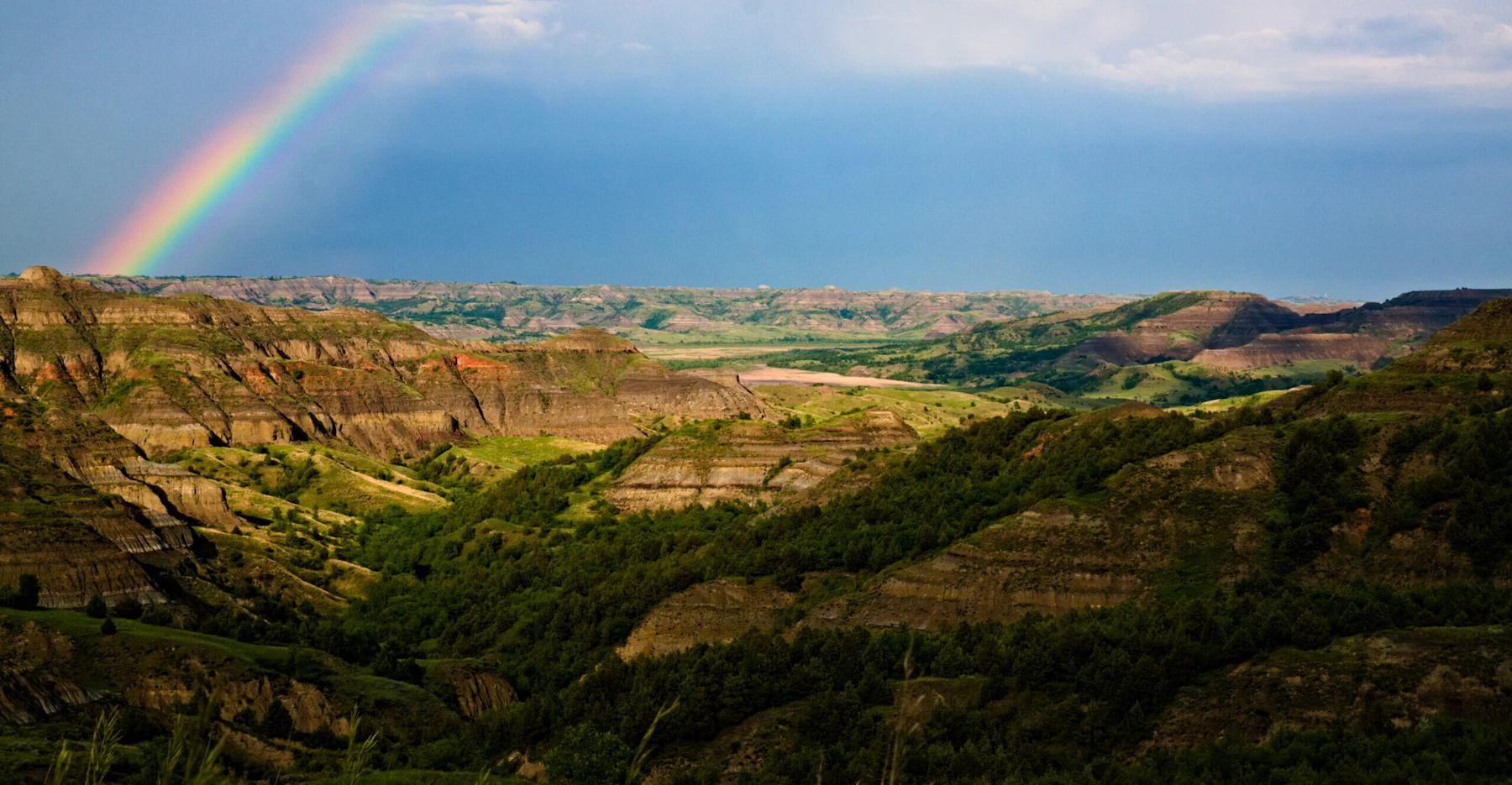
The Little Missouri River, a State Scenic River, meanders through the badlands, exposing colorful geologic layers and offering excellent fishing. The wide-open prairies filled with game birds also offer great hunting. Miles of trails draw hikers, including a segment of the long-distance North Country Trail, draws hikers, mountain bikers, and horseback riders.
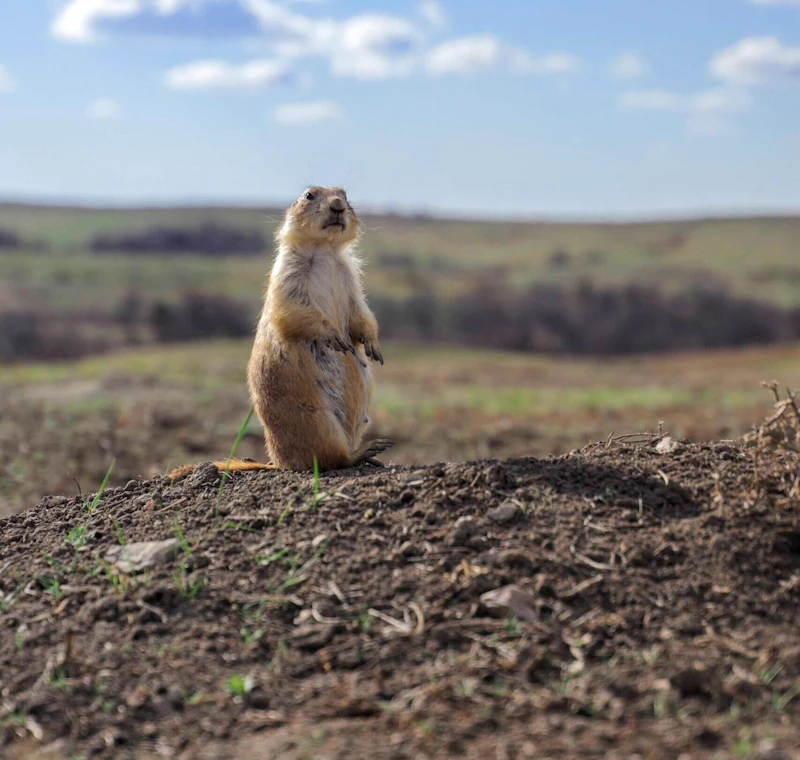 Photo by Kenji Doi
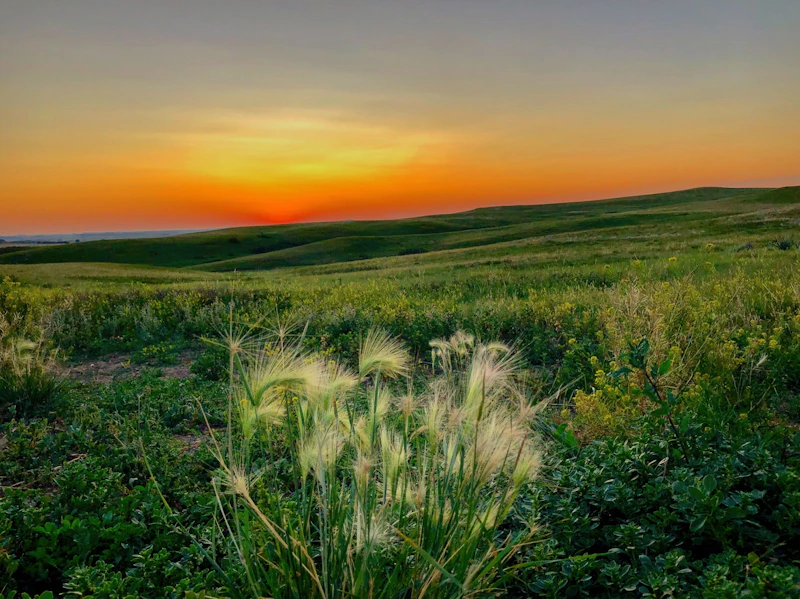 Photo by Bronwyn Phillips
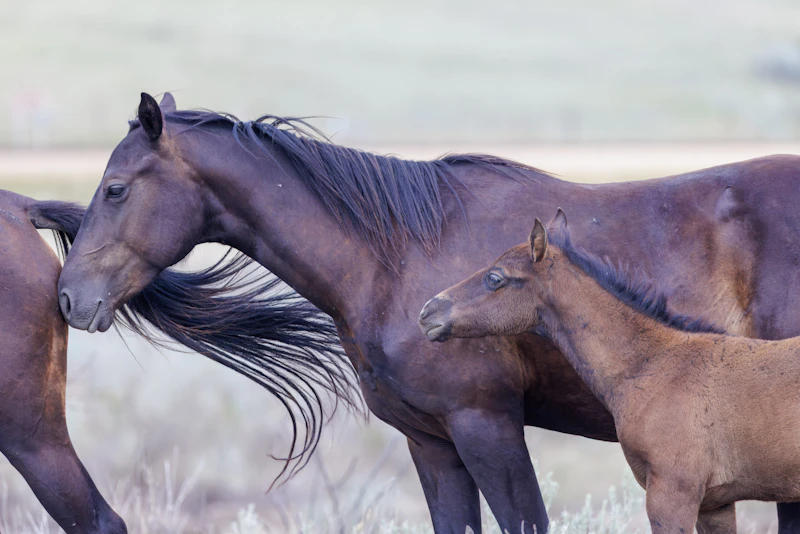 Photo by Jenny Clark
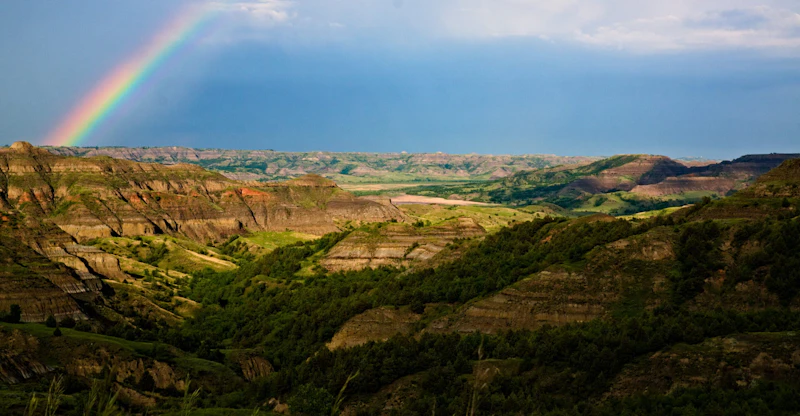 Photo by Caleb Uran
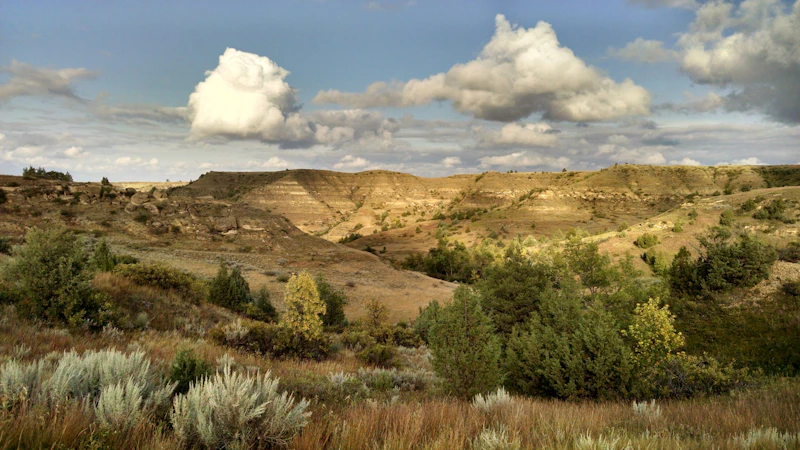 Photo by the U.S. Forest Service
What is the History of the Dakota Prairie Grasslands?
The region was home to Native American peoples, including the Mandan, Hidatsa, and Arikara, who relied on the prairies for hunting bison, gathering plants, and seasonal migration. In the 19th century, European settlers arrived, establishing ranching and agriculture, which led to widespread conversion of native prairie. Overgrazing, soil erosion, and drought prompted federal acquisition of lands during the 1930s, eventually forming the Dakota Prairie Grasslands in 1998.
How to Get to the Dakota Prairie Grasslands
The Little Missouri National Grassland in western North Dakota is the largest of the four Dakota Prairie Grasslands. Interstate 94 connects the towns of Medora or Dickinson to the grassland, while U.S. Highway 85 and U.S. Highway 2 accesses the northern sections near Watford City and Williston.
The Sheyenne National Grassland, in southeastern North Dakota near Fargo and the town of Lisbon, is accessible via Interstate 94 to Fargo, then State Highway 27 or Highway 46 south and west toward the grassland.
The Cedar River National Grassland, located in south-central North Dakota near Hettinger, Mott, and Regent, is reached via U.S. Highway 12 or North Dakota Highway 8.
The Grand River National Grassland lies just across the border in northwestern South Dakota near the towns of Lemmon and Bison accessed by U.S. Highway 12 or U.S. Highway 85.
- Bismarck, North Dakota: 2 to 3 hours by car
- Rapid City, South Dakota: 3 to 4 hours by car
- Fargo, North Dakota: 5 to 6 hours by car

Twenty-five miles of this 4,800-mile route, the longest in the country, passes through the Sheyenne National Grassland. The trail passes offers excellent birdwatching, particularly great flocks of geese, ducks, and sandhill cranes, which migrate through the area.
Head to this grassland during migrations and nesting seasons to spot up to 300 species that thrive across its mixed-grass prairie and wetlands, including such unique birds as Baird’s sparrow, chestnut-collared longspur, Sprague’s pipit, and upland sandpiper.
This 97-mile route that traverses through the scenic and rugged North Dakota badlands. The trail passes through the Little Missouri National Grassland, as well as state and private land, before reaching Theodore Roosevelt National Park.
 Blue grama
This short, tufted grass, one of the most common found across the prairies, is easily recognized by its distinctive eyelash-shaped seed heads.
Blue grama
This short, tufted grass, one of the most common found across the prairies, is easily recognized by its distinctive eyelash-shaped seed heads.
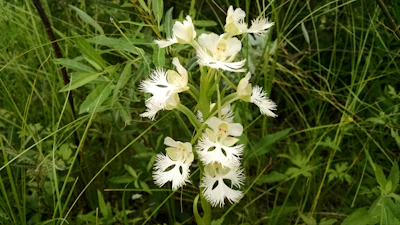 Western prairie fringed orchid
This federally threatened species grows in mixed-grass prairies and blooms white fringed petals in the summer.
Western prairie fringed orchid
This federally threatened species grows in mixed-grass prairies and blooms white fringed petals in the summer.
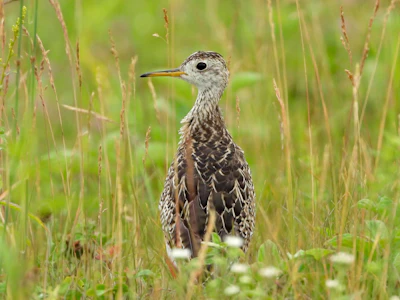 Upland sandpiper
This unique shorebird, which arrives from its South American wintering grounds in the spring, prefers uplands to wetlands.
Upland sandpiper
This unique shorebird, which arrives from its South American wintering grounds in the spring, prefers uplands to wetlands.
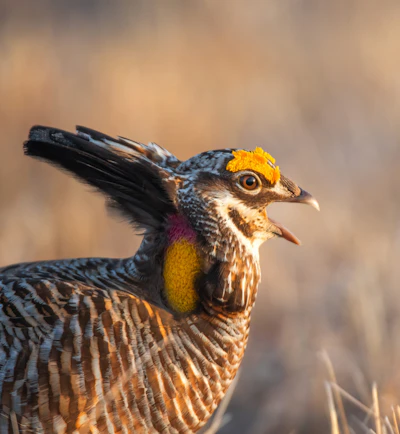 Greater prairie chicken
This large bird in the grouse family is known for its dramatic spring mating displays, which involve dancing with inflated orange throats and fanned tail feathers.
Greater prairie chicken
This large bird in the grouse family is known for its dramatic spring mating displays, which involve dancing with inflated orange throats and fanned tail feathers.
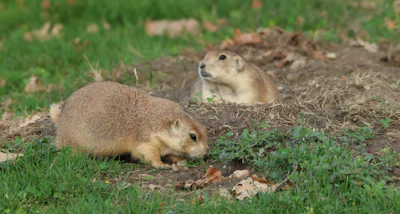 Black-tailed prairie dog
This social rodent lives in large underground colonies and helps aerate soil and promote the growth of native grasses.
Black-tailed prairie dog
This social rodent lives in large underground colonies and helps aerate soil and promote the growth of native grasses.
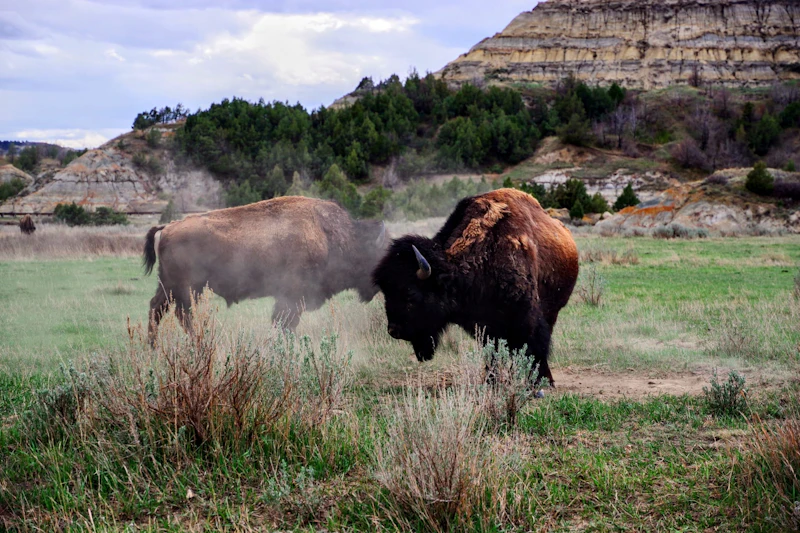
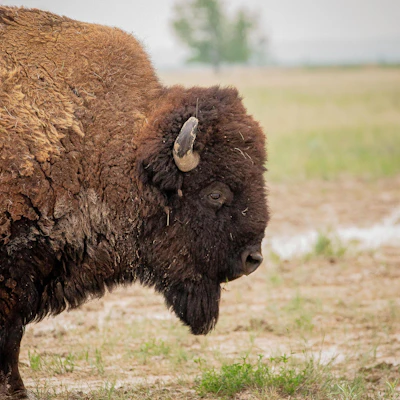 Bison
This massive grazer shapes grassland vegetation through selective feeding, wallowing, and trampling, which promotes plant diversity and creates habitat for smaller species.
Bison
This massive grazer shapes grassland vegetation through selective feeding, wallowing, and trampling, which promotes plant diversity and creates habitat for smaller species.
What’s the Best First-Timer’s Adventure in the Dakota Prairie Grasslands
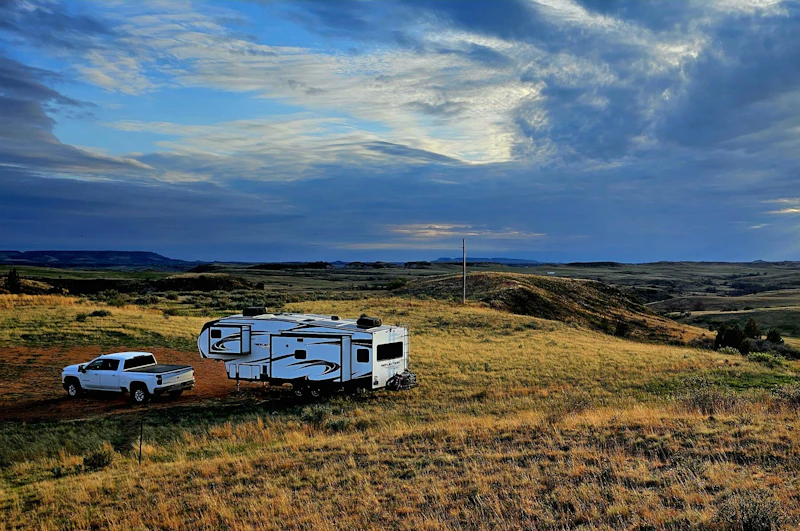
Visiting Sather Lake Recreation Area in Little Missouri National Grassland is a peaceful escape into North Dakota’s rugged Badlands. The lake features year-round fishing for bass, trout, and crappie, as well as boating and swimming. Spend the weekend at the lake’s 18-site campground.
Where to Find More Information on the Dakota Prairie Grasslands
For more information or questions, visit https://www.fs.usda.gov/r01/dpg
Discover how communities, volunteers, and partners are shaping the future of our National Forests and Grasslands.
The National Forest Foundation works with partners across Northern Colorado to restore forests, reduce wildfire risk, and care for the…
After years of damage, recovery, and reconstruction, the trail to Hanging Lake has been fully rebuilt, creating a more durable,…
Erosion and wildfire had left Arizona's historic Highline Trail rutted and unsafe. After five years of work with the Tonto…
Forest restoration near Flagstaff is reducing wildfire risk for local communities and safeguarding the water supply for millions across the…
Colorado's 14ers draw thousands of visitors each year, and the pressure on these fragile alpine landscapes is growing. Here's a…
Visitors of all ages can explore forest trails and sparkling waters, discover wildlife and underwater habitats, and connect with Tahoe’s…
A partnership-driven program connecting youth on Montana’s Flathead Reservation with hands-on conservation work, heritage education, and pathways in natural resource…
Seeing the impact first hand on the Grand Mesa, Uncompaghre and Gunnison National Forests
Seven Years of Reopening Trails After the Eagle Creek Fire
Field Ranger Program Connects Diverse Communities to Forests in Southern California
Our Forests Need Us Today.
Your donation powers critical, on-the-ground conservation—from wildfire recovery to watershed restoration—protecting forests for the future.