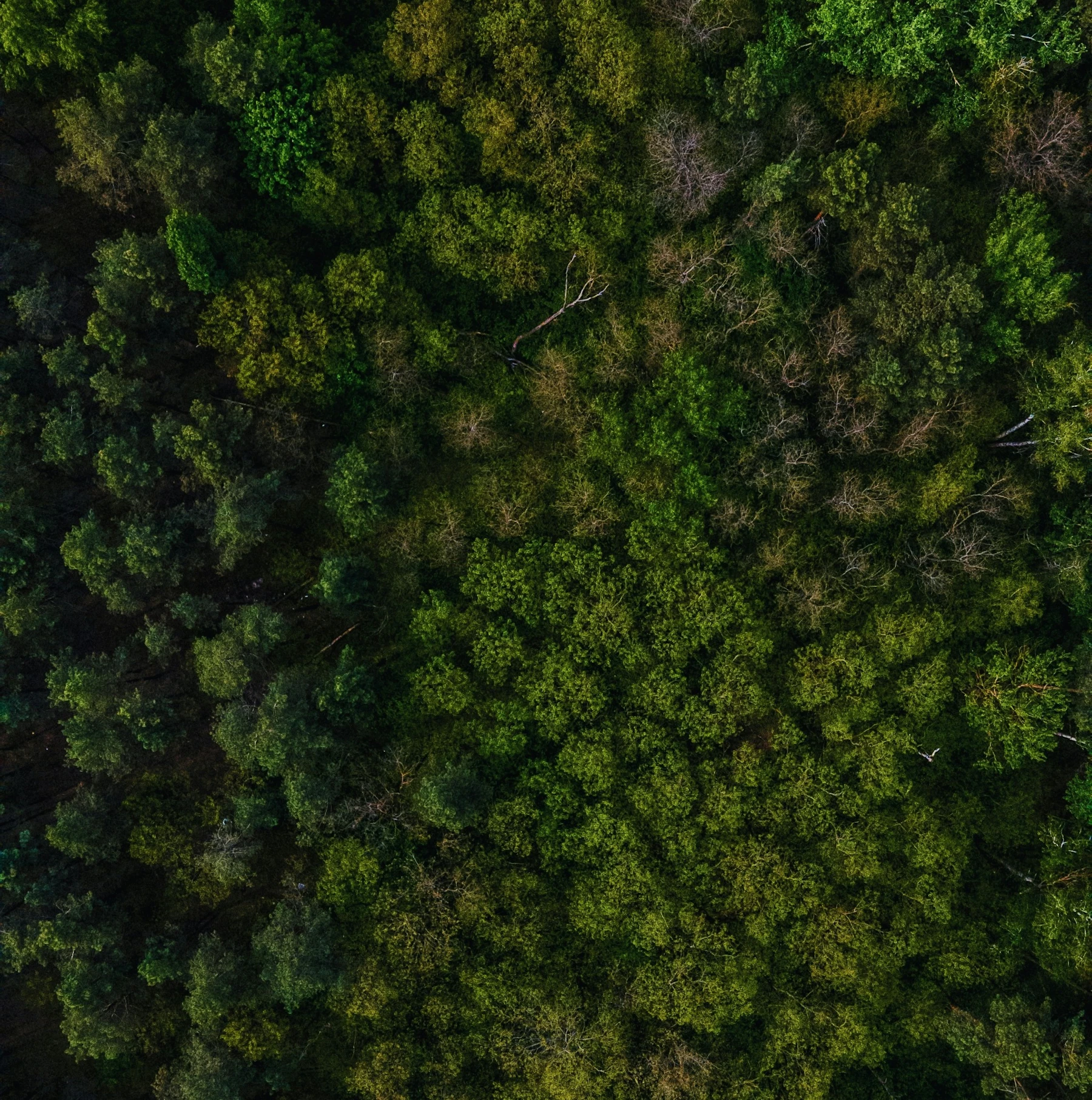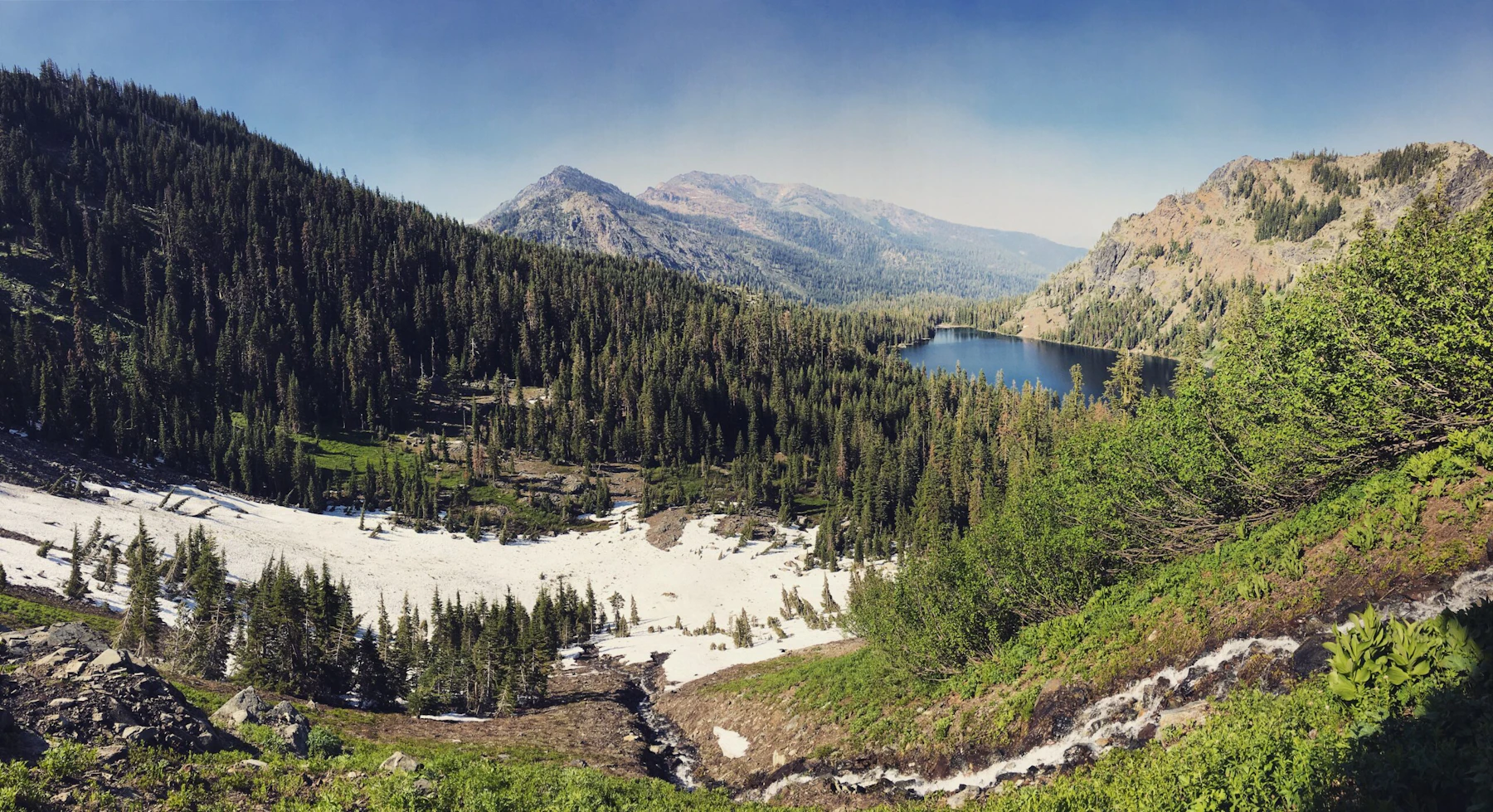
Experience the Klamath National Forest, encompassing 1.7 million acres of rugged mountains, deep canyons, wild rivers, and dense woodlands on the border of California and Oregon. It lies at the intersection of several major mountain ranges, creating one of the most biologically rich regions in the United States, from the volcanic landscape of the southern Cascade Mountains to the rugged slopes of the Klamath Mountains.
The forest contains parts of four Wilderness Areas: the Marble Mountain, Russian, Red Buttes, and Siskiyou [note: only Marble has a standalone webpage to link to]. The Marble Mountain Wilderness, one of the oldest in California, is especially known for its striking marble outcrops and wildflower meadows. The Pacific Crest Trail passes through portions of the forest, offering panoramic views of craggy peaks, alpine lakes, and old-growth forests.
There are 200 miles of river system for rafting and 152 miles of designated Wild and Scenic Rivers. The Klamath, Salmon, and Scott Rivers meander from one end of the forest to the other, and offer excellent fishing, rafting, and tubing.
Along with 34 campgrounds, the Klamath is home to more than 1,000 miles of trails for hiking, biking, and horseback riding. In the winter, enjoy some 135 miles of maintained cross-country ski trails, including many that lead into the forest Mt Ashland Ski Area, just outside the forest. The forest also has three scenic drives, including the Bigfoot Scenic Byway that traces the Klamath River and the Volcanic Legacy National Scenic Byway that passes near Mount Shasta.
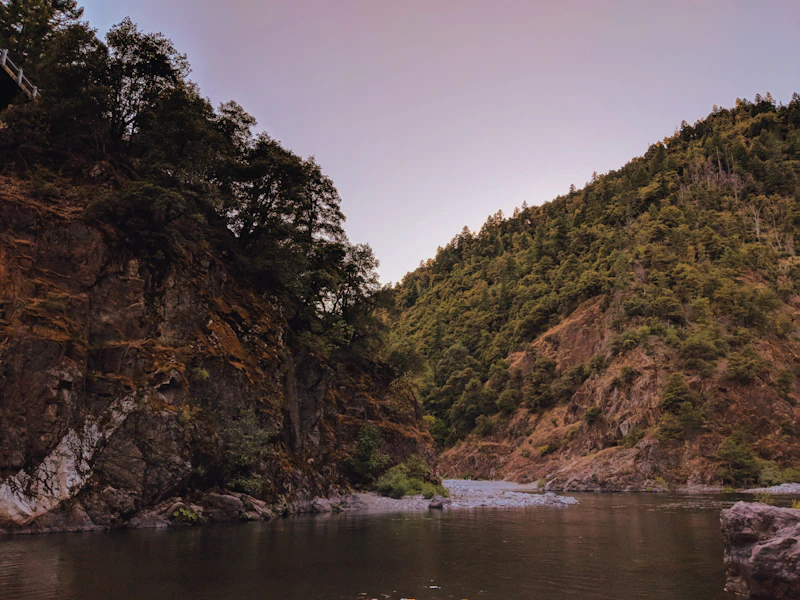 Salmon River. Photo by Christian Kamm
 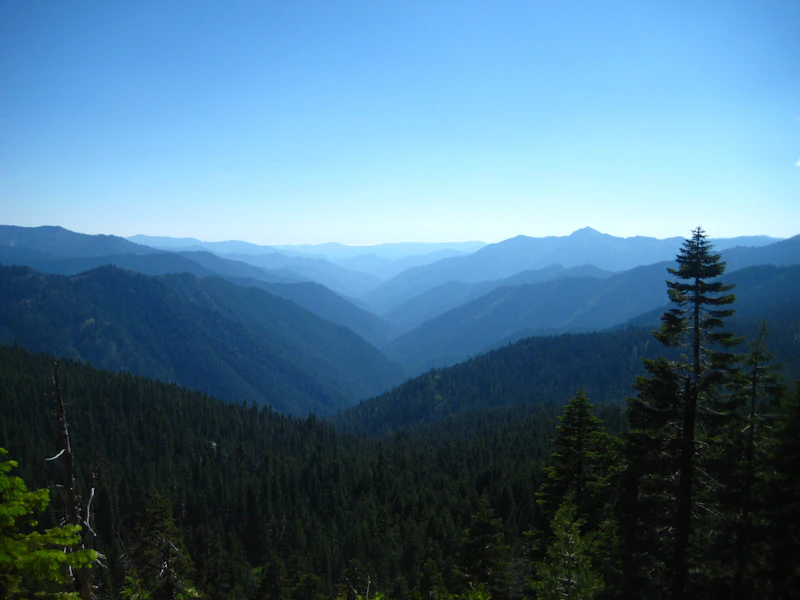 Photo by Jenya Schneider
  Photo by Lisa Bousfield
 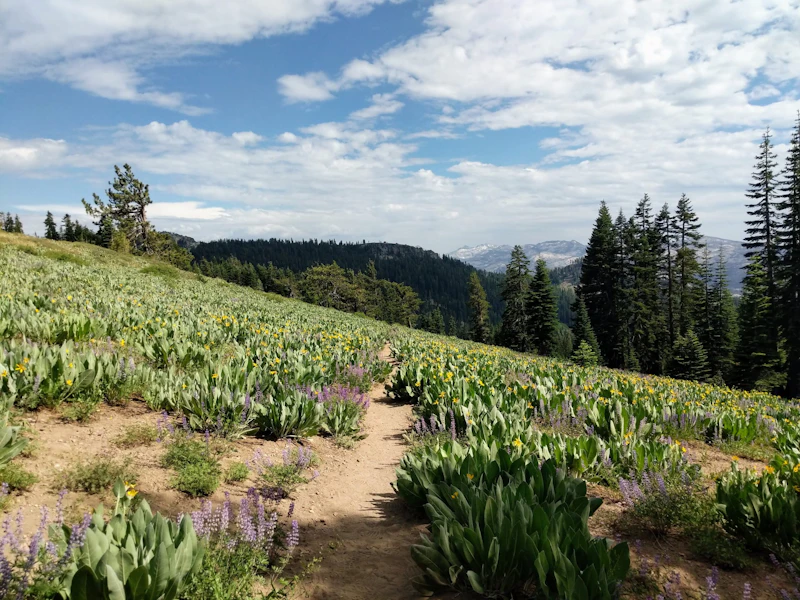 Pacific Crest Trail. Photo by April Kinkade
 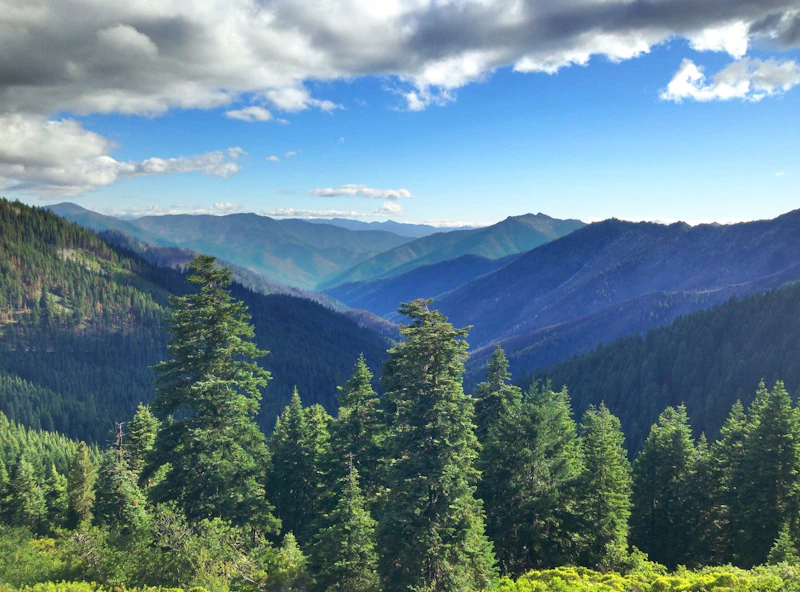 Photo by Jenya Schneider
 What is the History of the Klamath National Forest?
For thousands of years, the Klamath has been home to Indigenous peoples such as the Karuk, Yurok, and Klamath tribes, whose traditions and livelihoods remain deeply connected to the land and waterways. The forest’s rivers—especially the Klamath and Salmon Rivers—continue to hold ecological and cultural importance.
European-American settlers arrived in the mid-19th century during the California Gold Rush, bringing mining, logging, and settlement. The Klamath National Forest was officially established in 1905 and continued to be a multiuse site of logging and mining. In recent decades, attention has shifted toward balancing ecological preservation with community needs.
How to Get to the Klamath National Forest
From the south, Interstate 5 runs north–south through the region and connects towns of Yreka, Fort Jones, and Etna in California to the forest’s southern and central areas. Yreka is the main administrative hub for the forest and a good starting point for exploring the Marble Mountain and Russian wilderness areas.
To the north, visitors can reach the forest from Ashland or Medford, Oregon, also via Interstate 5, then travel on Highway 96, known as the scenic Klamath River Highway. This route winds through dramatic river canyons and small communities such as Happy Camp. Those coming from the west can take Highway 299 or Highway 3, connecting the forest with the Trinity Alps and coastal regions.
- Medford, Oregon: 1 hour by car
- Redding, California: 1.5 to 2 hours by car
- Eugene, Oregon: 3.3 to 4 hours by car
- Sacramento, California: 4 to 4.5 hours by car
- Reno, Nevada: 4.5 hours by car

This rare stream in the Marble Mountain Wilderness contains summer steelhead and both fall and spring runs of king salmon. Be sure to pick up a permit before heading out: All hunting and fishing in the National Forest and the wilderness is regulated by the California Department of Fish and Game.
The Klamath is filled with unique geological wonders, partly due to the fact that a lot of the volcanic activity in the forest is relatively recent. Head to Little Glass Mountain to see obsidian, Condrey Mountain for blueschist, and Cement Banks for glacial features.
This Wild and Scenic River offers world-class whitewater rafting and kayaking, with sections suitable for both beginners and experts. The stretch between the communities of Happy Camp and Orleans is particularly scenic, winding through deep canyons and lush forests teeming with wildlife.
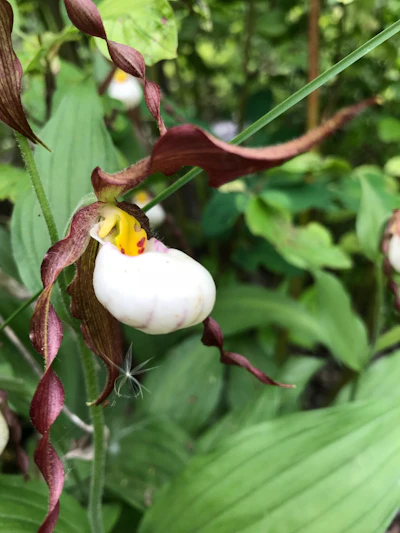 Mountain lady’s slipper This rare orchid is a coveted sight for wildflower seekers, thanks to its white pouch-shaped blossoms and striped petals that blanket the shaded woodlands in the late spring and early summer.
  Tanbark oak Its appearance is a mix between an oak and a chestnut, and its name derives from its valuable high-tannin bark that was used for leather tanning.
  California quail Easily recognized by its black topknot plume, this ground-dwelling bird lives in the open woodlands of the Klamath.
 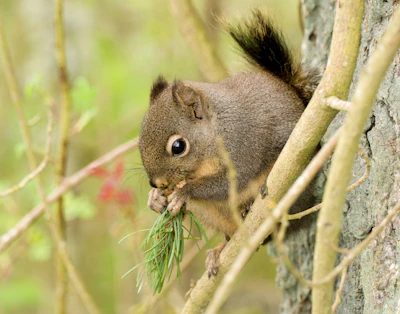 Douglas squirrel This red-brown squirrel, also known as a chickaree, lives in the fir forests of the Klamath, from where it gets its name.
 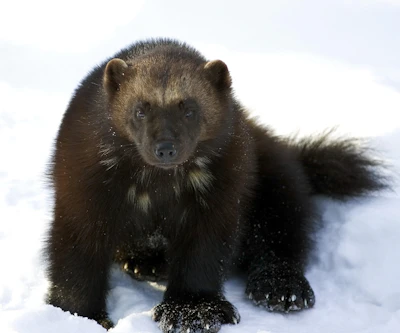 Wolverine This elusive member of the weasel family can weigh up to 40 pounds and stand up to 1.5 feet tall.
 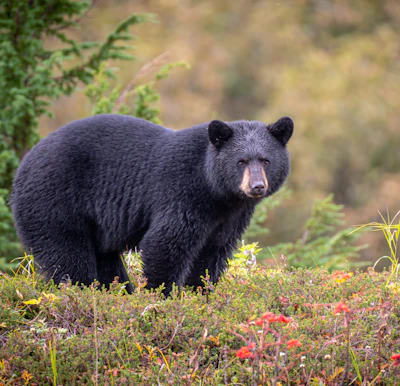 Black bear Ranging in color from black to light brown, this bear is a common sight in the Klamath’s mixed woodlands and riparian areas, so be sure to stow food away properly and be bear aware.
 Related Impact
Reforestation on the Umpqua
Anna’s family has been planting trees for 50 years. Now she is helping build a sustainable model to meet the Forest’s future post-fire reforestation needs.
What’s the Best First-Timer’s Adventure in the Klamath National Forest
For an ideal starting point to a hike, head to Lover’s Camp Trailhead, from which trails leading to Marble Valley, Red Rock Valley, Sky High Lakes, Marble Rim, and other sites of great scenic beauty begin. To reach the Marble Rim, take the Canyon Creek Trail (not to be confused with the trail of the same name in the Trinity Peaks Wilderness) or part of the PCT.

Where to Find More Information on the Klamath National Forest
For more information or questions, visit https://www.fs.usda.gov/r05/klamath
Discover how communities, volunteers, and partners are shaping the future of our National Forests and Grasslands.
The National Forest Foundation works with partners across Northern Colorado to restore forests, reduce wildfire risk, and care for the…
After years of damage, recovery, and reconstruction, the trail to Hanging Lake has been fully rebuilt, creating a more durable,…
Erosion and wildfire had left Arizona's historic Highline Trail rutted and unsafe. After five years of work with the Tonto…
Forest restoration near Flagstaff is reducing wildfire risk for local communities and safeguarding the water supply for millions across the…
Colorado's 14ers draw thousands of visitors each year, and the pressure on these fragile alpine landscapes is growing. Here's a…
Visitors of all ages can explore forest trails and sparkling waters, discover wildlife and underwater habitats, and connect with Tahoe’s…
A partnership-driven program connecting youth on Montana’s Flathead Reservation with hands-on conservation work, heritage education, and pathways in natural resource…
Seeing the impact first hand on the Grand Mesa, Uncompaghre and Gunnison National Forests
Seven Years of Reopening Trails After the Eagle Creek Fire
Field Ranger Program Connects Diverse Communities to Forests in Southern California
Our Forests Need Us Today.
Your donation powers critical, on-the-ground conservation—from wildfire recovery to watershed restoration—protecting forests for the future.