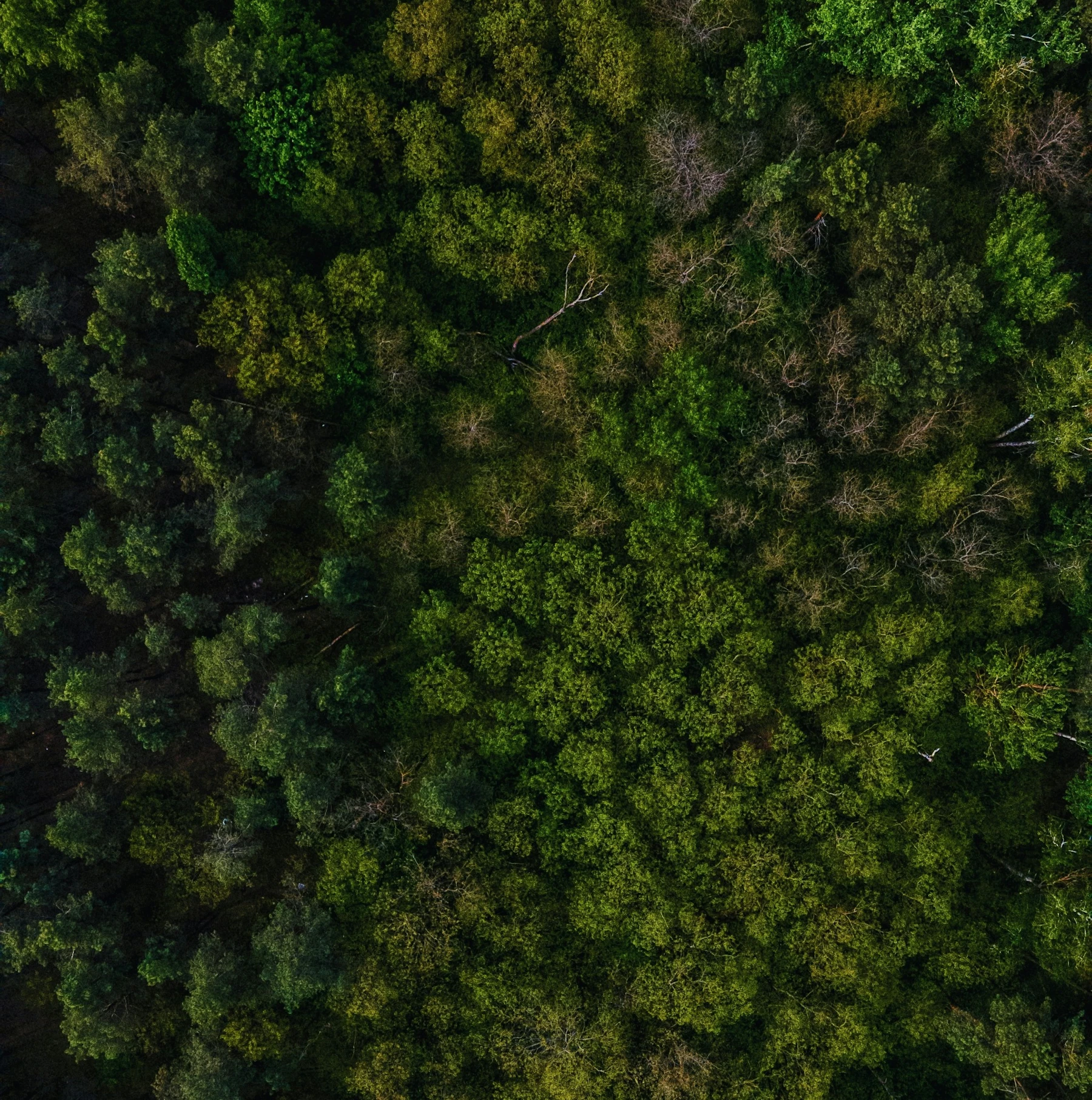
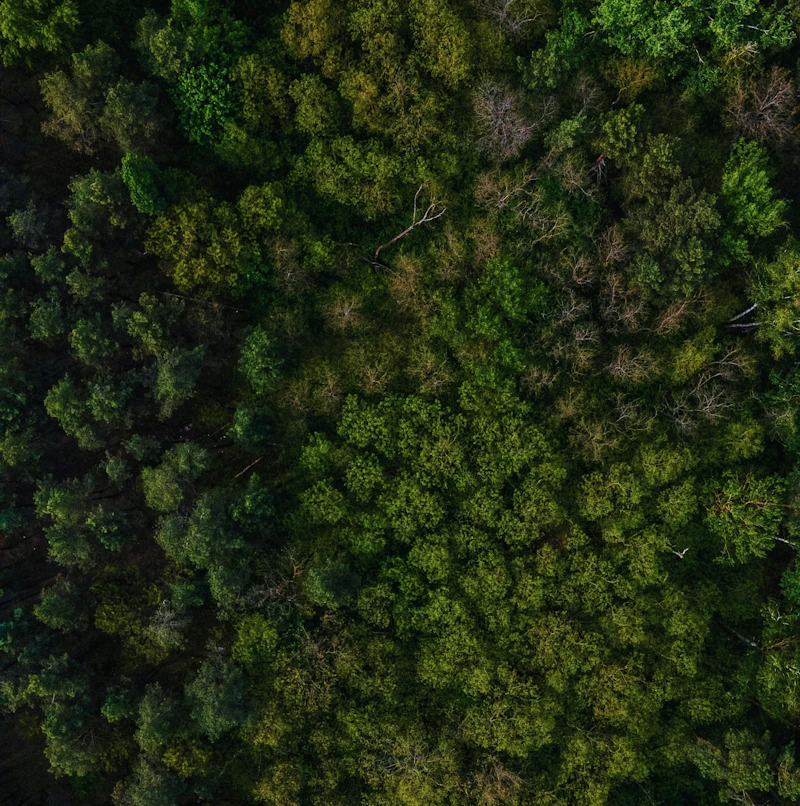
Discover the Lake Tahoe Basin National Forests, some 154,000 acres spread across Lake Tahoe’s blue waters and the Sierra Nevada Mountains. The forests straddle the California-Nevada state line,
The forests are a unique administrative division of the Forest Service that manages public lands surrounding the iconic Lake Tahoe, with a special focus on water quality and forest health. The unit includes lands within the Tahoe National Forest and four Wilderness Areas.
The Lake Tahoe Basin Management Unit manages Meiss Country Roadless Area and shares management duties of Desolation Wilderness, a swath of sub-alpine and alpine forest and glacially-formed features, with the Eldorado National Forest, as well as the Mt. Rose Wilderness, home to the highest peak in the Carson Range, with the Humboldt-Toiyabe National Forest.
The centerpiece of the area—Lake Tahoe—is the site of most adventure, including various water sports and on-land activities that make the most of the views. The forests are home to trails that offer spectacular hiking, including parts of the Pacific Crest Trail and Tahoe Rim Trail, as well as biking and horseback riding. The area is an ideal area for a longer adventure, with three resorts with cabins for rent, as well as scenic campgrounds.
 Photo by Marilou Lekanne Middleton
 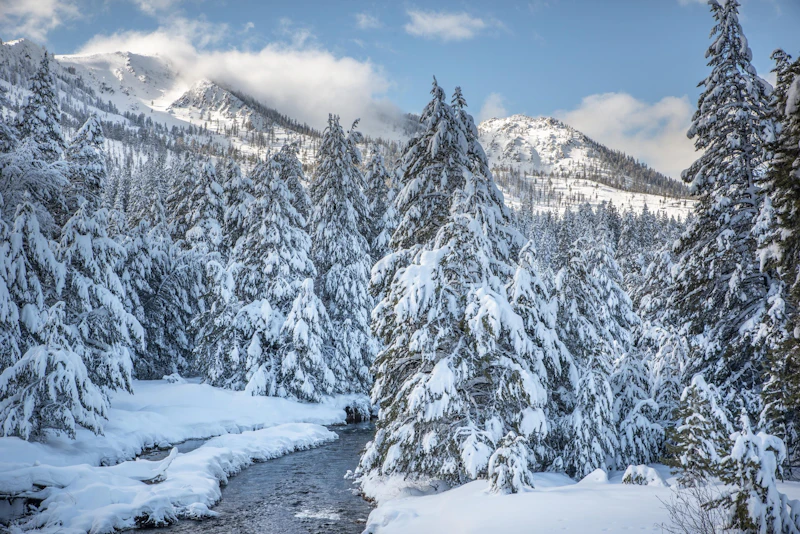 Photo by Phil Reedy
  Photo by Ashley Coppock
  Photo by Annie Nyborg
 What is the History of the Lake Tahoe Basin National Forests?
Lake Tahoe has a rich and diverse cultural heritage spanning thousands of years. Much remains to be learned about the first peoples who utilized the Lake Tahoe Basin as many as 8,000 to 10,000 years ago, but at the time of first European contact, the Washoe Tribe and their ancestors had been calling the resource-rich Lake Tahoe their home for at least 2,000 years.
The Lake Tahoe Basin Management Unit was established in 1973 as a specialized unit of the Forest Service, created to address the basin’s unique ecological and social challenges. Unlike typical national forests, the management unit emphasizes protecting Lake Tahoe’s clarity, managing high visitation, and prioritizing forest conservation.
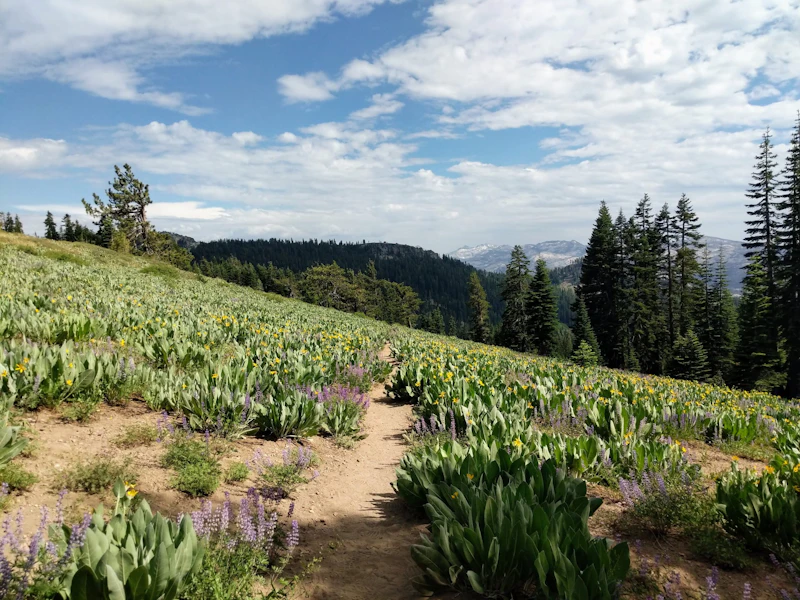
How to Get to the Lake Tahoe Basin National Forests
The Lake Tahoe Basin Management Unit surrounds Lake Tahoe, straddling the California–Nevada border, and covers areas within El Dorado, Placer, and Tahoe counties as well as parts of Douglas and Washoe counties in Nevada.
From the west and cities like Sacramento, U.S. Highway 50, runs directly into South Lake Tahoe, a primary gateway town. From the north, Interstate 80 leads to Truckee, California, another key gateway town providing lodging, dining, and access to nearby wilderness areas like the Desolation Wilderness.
From the east, U.S. Highway 50 and Highway 28 provide access from Carson City, Nevada, leading to North Lake Tahoe communities such as Incline Village and Kings Beach, which serve as starting points for recreation in the forest and along the lake.
- Reno, Nevada: 1 hour by car
- Sacramento, California: 2 to 2.5 hours by car
- Stockton, California: 3 to 3.5 hours by car
- Chico, California: 3 to 3.5 hours by car
- San Francisco, California: 3.5 to 4 hours by car

This scenic trail that circles Lake Tahoe over 165 miles, offering some of the best views of the lake, and passing through subalpine meadows, volcanic peaks, and parts of Mt Rose and Desolation wilderness areas.
On the southwestern shore of Lake Tahoe, this historic site offers a glimpse into the region’s Gilded Age history. Today. the remains of the resort, once called the “Greatest Resort in the World,” and restored estates, where San Francisco’s elite families would summer, attract thousands of visitors annually.
In addition to world-class ski resorts such as Heavenly, Palisades, and Northstar California. The land around Lake Tahoe Basin is also home to incredible backcountry skiing, with popular access points near Donner Summit and Desolation Wilderness.
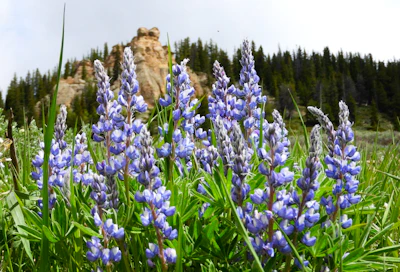 Lupine With its tall, colorful spikes of purple, blue, pink, or white flowers, this wildflower blooms bright across alpine and subalpine landscapes during the late spring and summer.
 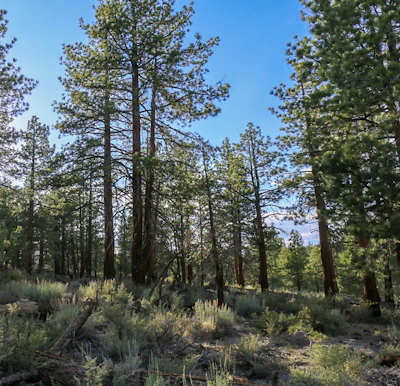 Jeffrey pine One of the most characteristic trees of the area, this pine has reddish-brown bark that smells like vanilla and butterscotch.
 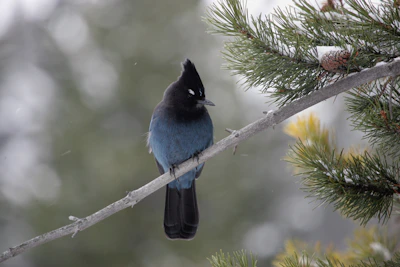 Steller’s jay This striking blue bodied and black crested bird is an important distributor of pine seeds.
 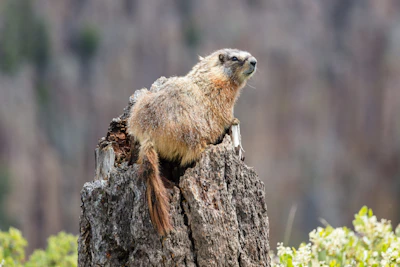 Yellow-bellied marmot This marmot—with its brownish fur and yellow belly—thrives in sunny, open areas near talus fields and boulder piles.
 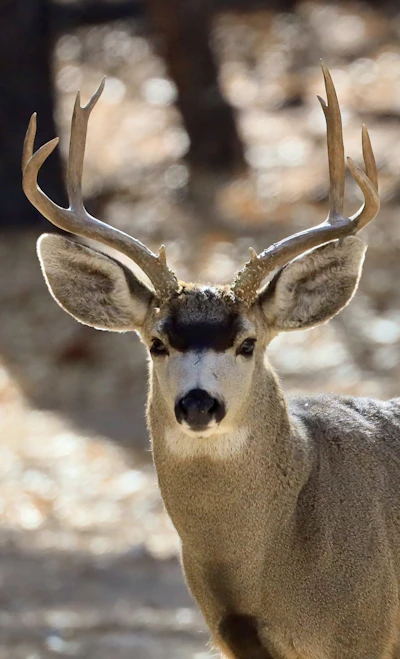 Mule deer With a stocky build, black-tipped tail, and a brown coat that turns gray in the winter, this deer feeds on shrubs, grasses, and acorns and prefers high elevation areas.
 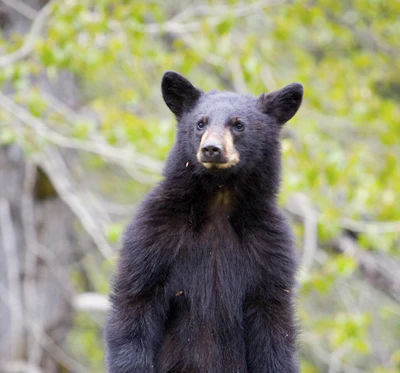 Black bear This medium-sized bear resides in the dense forests and open meadows of the forest, foraging for berries, insects, and small animals.
 Related Impact
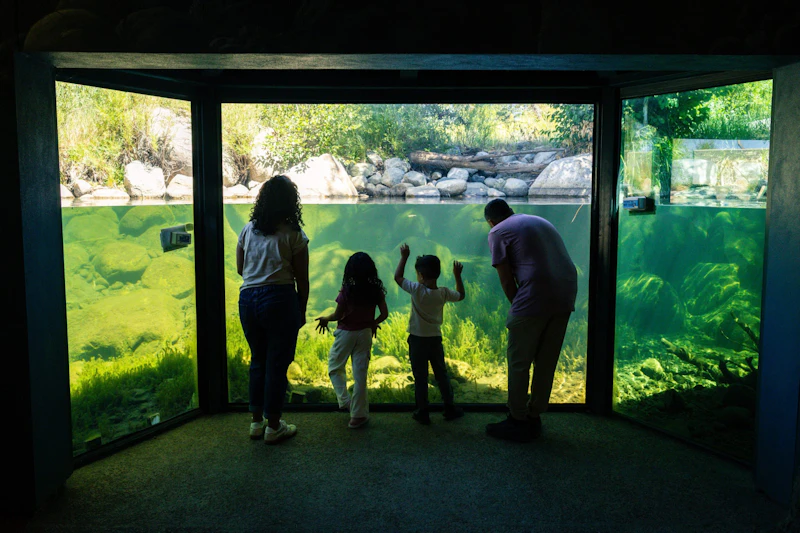
Step Into Wonder at Taylor Creek Visitor Center
Visitors of all ages can explore forest trails and sparkling waters, discover wildlife and underwater habitats, and connect with Tahoe’s natural and cultural treasures.
Together with our partners, the NFF is ensuring that Taylor Creek remains a place of discovery and stewardship.
What’s the Best First-Timer’s Adventure in the Lake Tahoe Basin National Forests
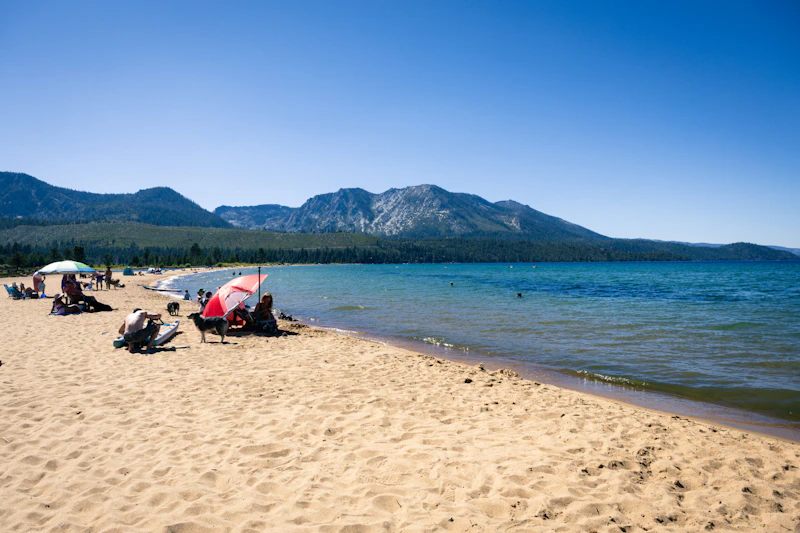
The best introduction to Lake Tahoe Basin is, of course, hitting the water. Kayak, canoe, or paddleboard along rocky coves, sail or boat the lake’s full 22-mile length, fish for trout and salmon, and swim in sandy beaches like Sand Harbor and Baldwin Beach.
Where to Find More Information on the Lake Tahoe Basin National Forests
For more information or questions, visit https://www.fs.usda.gov/r05/laketahoebasin
Discover how communities, volunteers, and partners are shaping the future of our National Forests and Grasslands.
The National Forest Foundation works with partners across Northern Colorado to restore forests, reduce wildfire risk, and care for the…
After years of damage, recovery, and reconstruction, the trail to Hanging Lake has been fully rebuilt, creating a more durable,…
Erosion and wildfire had left Arizona's historic Highline Trail rutted and unsafe. After five years of work with the Tonto…
Forest restoration near Flagstaff is reducing wildfire risk for local communities and safeguarding the water supply for millions across the…
Colorado's 14ers draw thousands of visitors each year, and the pressure on these fragile alpine landscapes is growing. Here's a…
Visitors of all ages can explore forest trails and sparkling waters, discover wildlife and underwater habitats, and connect with Tahoe’s…
A partnership-driven program connecting youth on Montana’s Flathead Reservation with hands-on conservation work, heritage education, and pathways in natural resource…
Seeing the impact first hand on the Grand Mesa, Uncompaghre and Gunnison National Forests
Seven Years of Reopening Trails After the Eagle Creek Fire
Field Ranger Program Connects Diverse Communities to Forests in Southern California
Our Forests Need Us Today.
Your donation powers critical, on-the-ground conservation—from wildfire recovery to watershed restoration—protecting forests for the future.