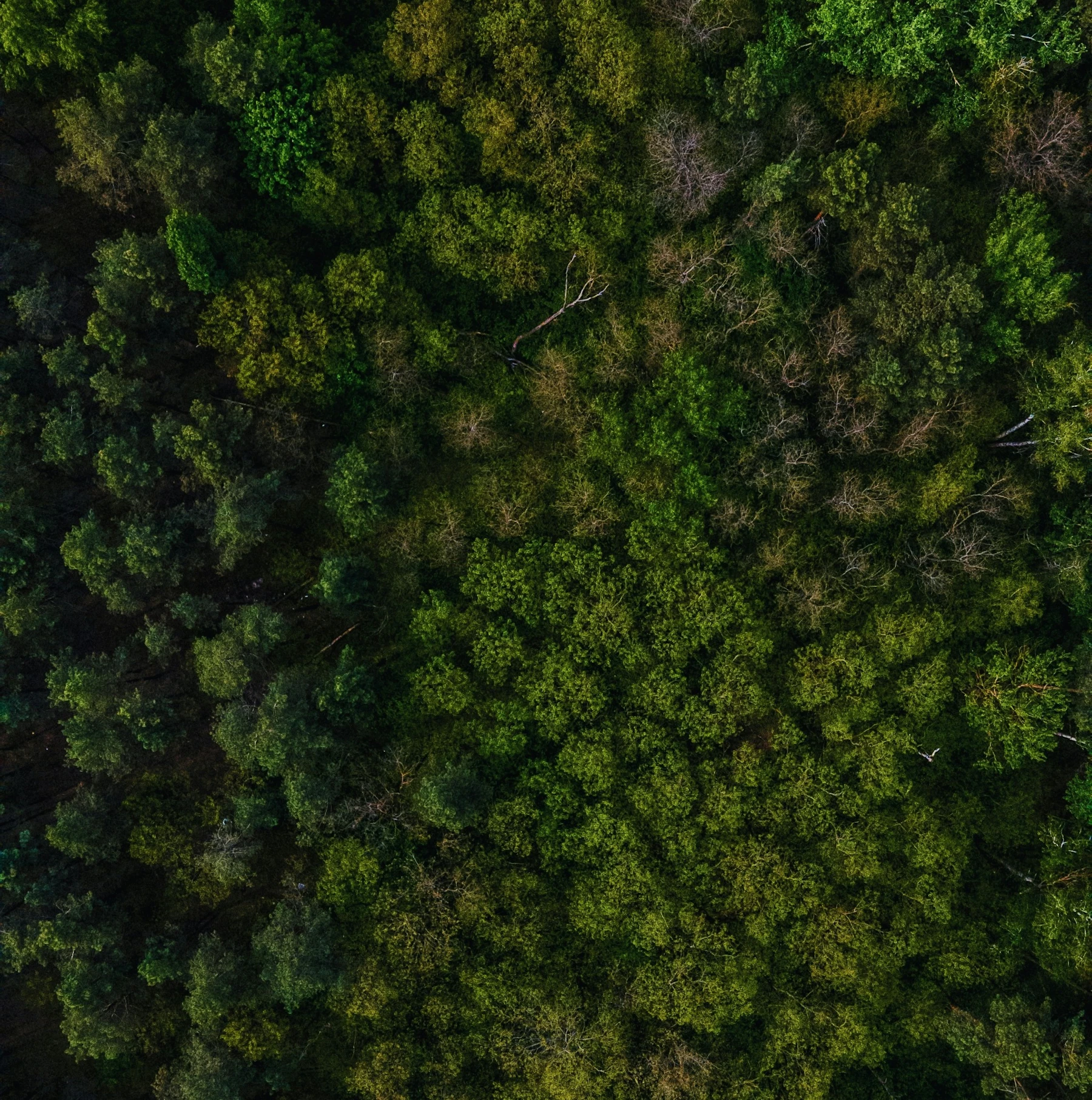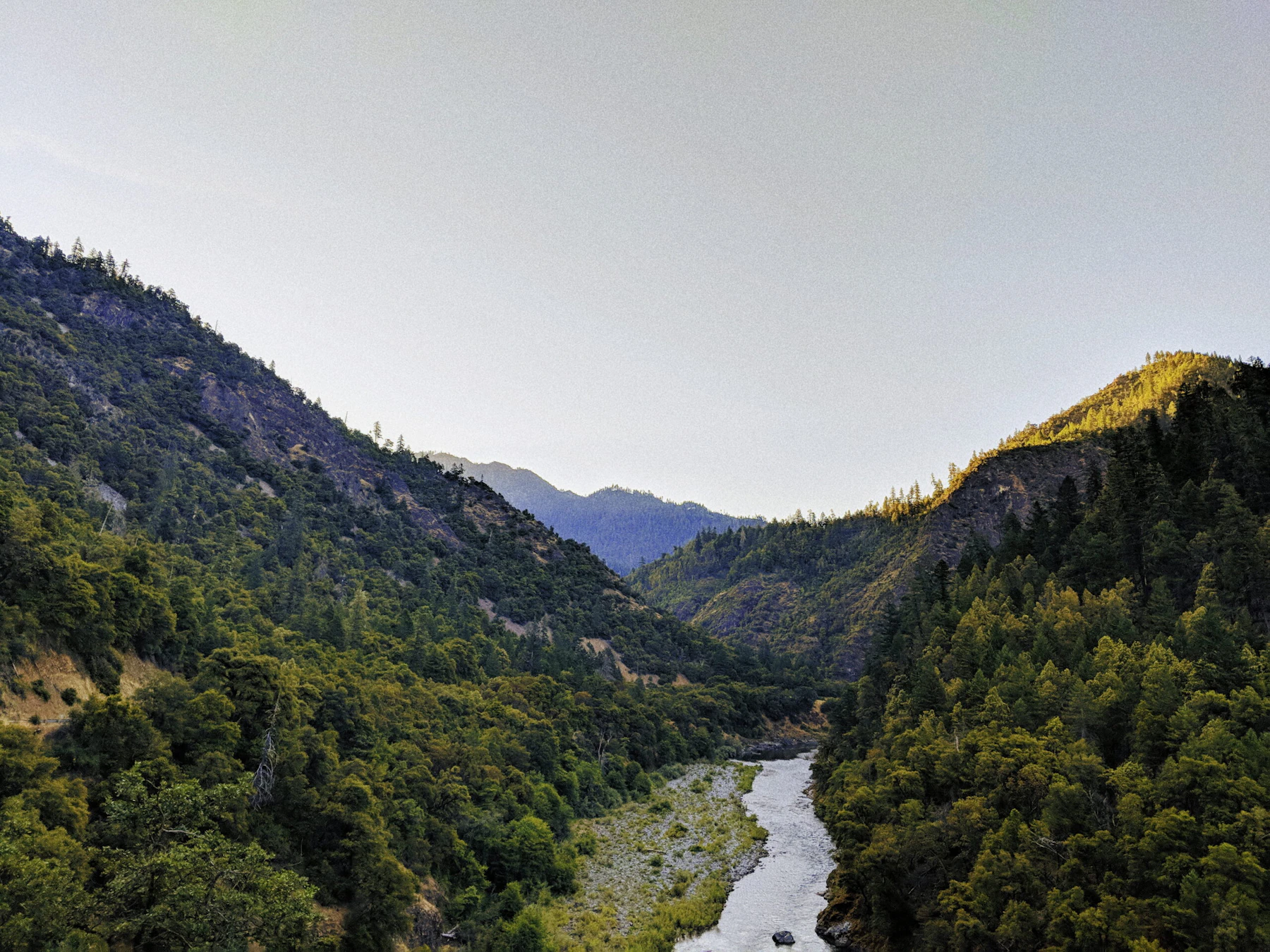
Uncover the Six Rivers National Forest, more than a million acres of mountainous wildlands just south of the Oregon border in northern California. The forest’s terrain ranges from coastal lowlands and dense temperate forests to high, rocky ridges, topping out at 6,184-foot Orleans Mountain.
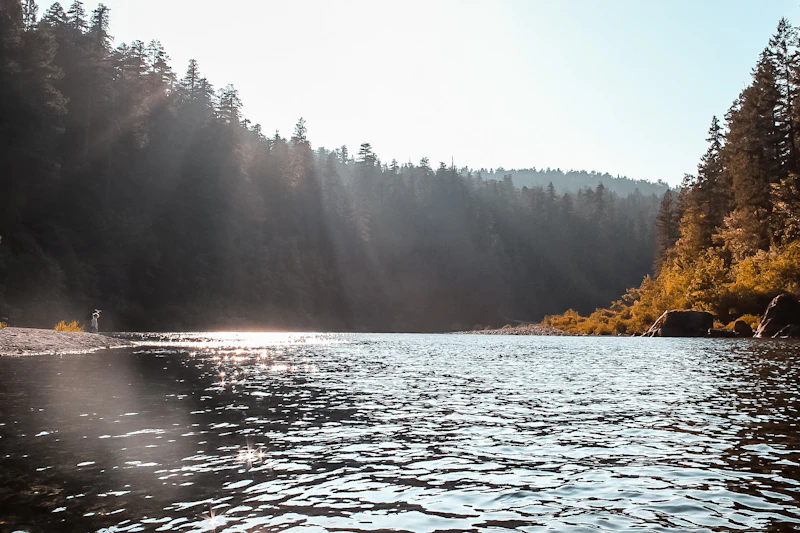
Water gives this forest its identity. Some areas average up to 200 inches of rain a year, and the forest’s 1,500 miles of streams supply about nine percent of California’s total runoff. The six rivers that give this forest its name—the Smith, Klamath, Trinity, Mad, Van Duzen, and Eel Rivers—offer incredible scenery, as well as great fishing, paddling, and rafting.
Hikers, bikers, and horseback riders can explore 250 miles of trails through old-growth stands, across six Wilderness Areas, or to mountain lookouts such as Bear Basin Butte, one of the historic lookouts available to rent. With three national scenic byways, there’s also plenty to see from behind the wheel.
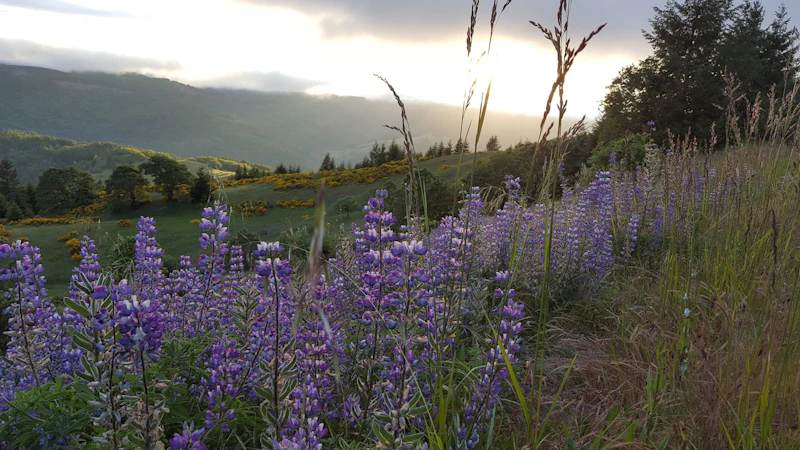 Photo by Jill Coop
 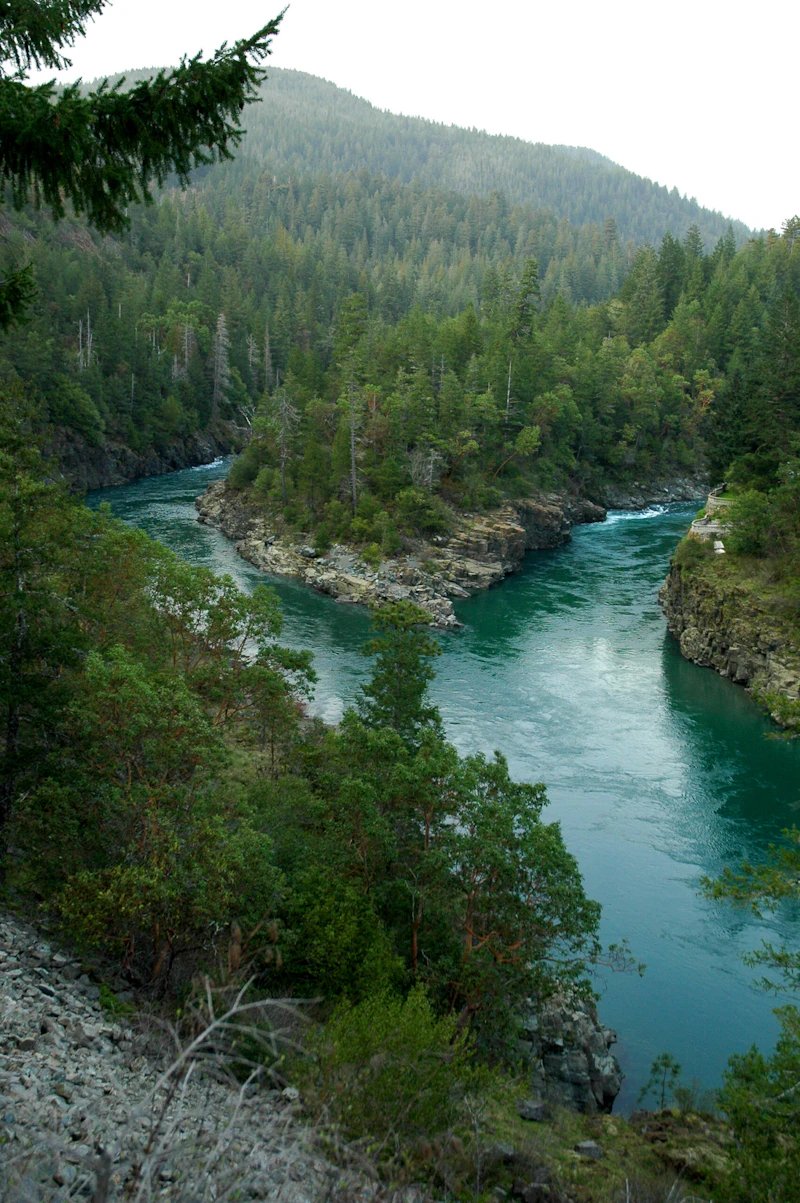 Smith River. Photo by the U.S. Forest Service
  Photo by Nate Dunlap
  Photo by Marissa Crumrine
 What is the History of the Six Rivers National Forest?
The Six Rivers National Forest is deeply connected to Native American tribes—including the Karuk, Yurok, Hoopa, and Tolowa—who have lived along its rivers for thousands of years. During the Gold Rush of the 1800s, prospectors traveled up the Klamath, Trinity, and Salmon Rivers in search of mineral wealth. Logging followed, and soon, the need for management. The Six Rivers National Forest was established in 1947, formed from parts of Trinity, Siskiyou, and Klamath National Forests.

How to Get to the Six Rivers National Forest
U.S. Highway 101 is the main coastal route to the forest, as well as gateway towns such as Eureka, Trinidad, Crescent City, and Klamath. From Highway 101, the scenic Highway 199 leads to Smith River National Recreation Area.
To reach areas along the Trinity or Klamath Rivers, State Route 299 runs east–west between Arcata and Redding. Farther north, Highway 96, the Klamath River Highway, connects Yreka, Happy Camp, Orleans, and Hoopa and provides access to more remote parts of the forest.
- Redding, California: 4 to 4.5 hours by car
- Chico, California: 5 to 5.5 hours by car
- Medford, Oregon: 5 to 6 hours by car
- Sacramento, California: 6 to 6.5 hours by car

Get a group of friends or family together and spend a weekend atop a mountain ridge overlooking the Siskiyou Mountains and Pacific Ocean at this unique stay, which includes a historic fire lookout and a new 1930s-style cabin.
This easy two-mile out-and-back trail is a step into the unique mining, cultural and geologic history of the Six Rivers National Forest. Following an old mining ditch and filled with interpretive signs, the trail provides insight into the area’s past and biodiverse present.
For a stunning journey through one of California’s most pristine river corridors, head out on this 33-mile journey along the emerald-green waters and steep canyon walls of the forest’s most impressive waterway. Enjoy scenic pullouts and access to swimming holes and fishing spots.
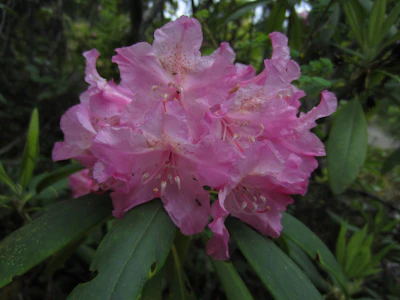 Pacific rhododendron With large clusters of pink to red blossoms that appear in the late spring and early summer, this flowering shrub is a welcomed sight in the understory.
  Port Orford cedar This drooping cedar with twisting limbs sometimes exceeding six feet in diameter is under threat from a soil-borne pathogen.
 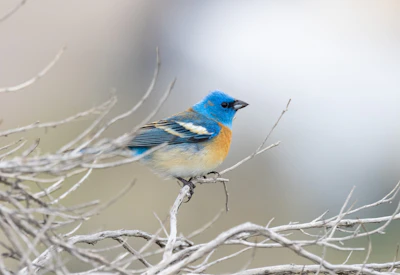 Lazuli bunting This summer songbird, with brilliant blue heads, orange chests, and white bellies, is known for its warbling call.
 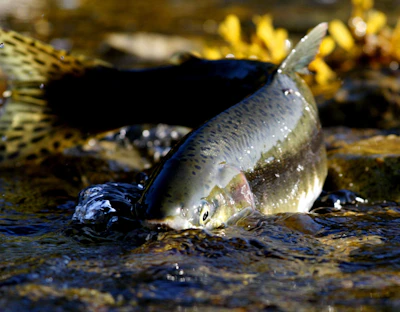 Salmon Species such as chinook, coho, and steelhead migrate upstream each year to spawn, enriching forest habitats with nutrients carried from the ocean.
 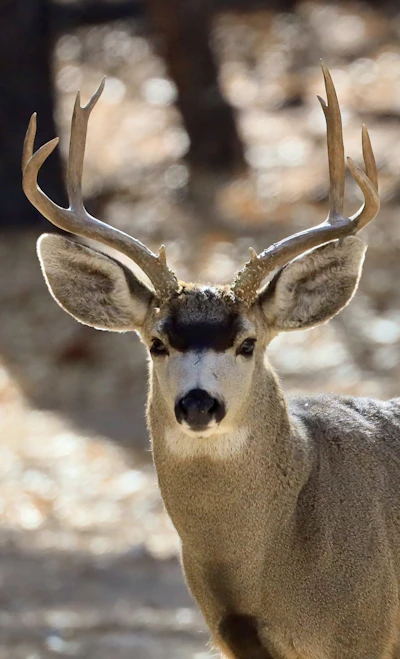 Mule deer With a stocky build, black-tipped tail, and a brown coat that turns gray in the winter, this deer feeds on shrubs, grasses, and acorns and prefers high elevation areas.
 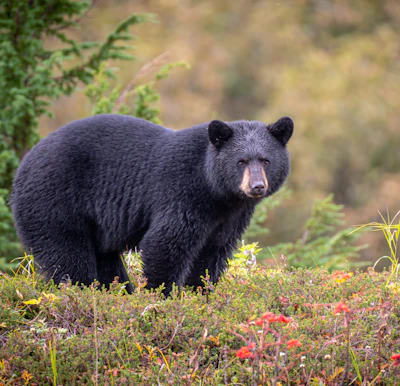 Black bear Ranging in color from black to light brown, this bear is a rare site in the forest’s mixed woodlands and riparian areas, but be sure to stow food away properly and be bear aware.
 Related Impact
Creating a Fire Resilient Truckee
The largest, most destructive wildfires in California’s history have occurred in the last ten years. Everything is at stake for mountain communities like Truckee.
What’s the Best First-Timer’s Adventure in the Six Rivers National Forest
The Smith River, the last remaining undammed river in California, is a sight to behold—and filled with every kind of adventure possible. Head to the Smith River National Recreation Area for hiking, swimming, rafting, and fishing for salmon, trout, and steelhead.
Where to Find More Information on the Six Rivers National Forest
For more information or questions, visit https://www.fs.usda.gov/r05/sixrivers.
Discover how communities, volunteers, and partners are shaping the future of our National Forests and Grasslands.
The National Forest Foundation works with partners across Northern Colorado to restore forests, reduce wildfire risk, and care for the…
After years of damage, recovery, and reconstruction, the trail to Hanging Lake has been fully rebuilt, creating a more durable,…
Erosion and wildfire had left Arizona's historic Highline Trail rutted and unsafe. After five years of work with the Tonto…
Forest restoration near Flagstaff is reducing wildfire risk for local communities and safeguarding the water supply for millions across the…
Colorado's 14ers draw thousands of visitors each year, and the pressure on these fragile alpine landscapes is growing. Here's a…
Visitors of all ages can explore forest trails and sparkling waters, discover wildlife and underwater habitats, and connect with Tahoe’s…
A partnership-driven program connecting youth on Montana’s Flathead Reservation with hands-on conservation work, heritage education, and pathways in natural resource…
Seeing the impact first hand on the Grand Mesa, Uncompaghre and Gunnison National Forests
Seven Years of Reopening Trails After the Eagle Creek Fire
Field Ranger Program Connects Diverse Communities to Forests in Southern California
Our Forests Need Us Today.
Your donation powers critical, on-the-ground conservation—from wildfire recovery to watershed restoration—protecting forests for the future.