Improving riparian health and water retention in the Indian Creek watershed in eastern Utah
Indian Creek winds through the high-desert canyons of Bears Ears National Monument till it enters the southeastern Canyonlands National Park before joining the Colorado River. In this arid landscape, riparian corridors are rare and vital—providing habitat for wildlife, supporting native vegetation, and storing water in a region where every drop counts.
Over time, the creek has been altered by channel incision, past land use, and changing hydrology, leaving it disconnected from its floodplain. These changes reduce groundwater levels, limit water storage, and simplify habitat, making the system less resilient to drought, flash floods, and climate variability.
The Bears Ears Watershed Restoration Project works with nature to restore the creek’s health. Using low-tech, process-based techniques like beaver dam analogs, crews help reconnect the stream to its floodplain, slow water, capture sediment, and rebuild habitat complexity. These efforts improve water availability, stabilize the channel, and support wildlife and native plants—all while empowering local youth and strengthening community stewardship.
Through these hands-on restoration efforts, the Indian Creek watershed is not just recovering—it’s building long-term resilience for people and nature across this iconic Utah landscape.
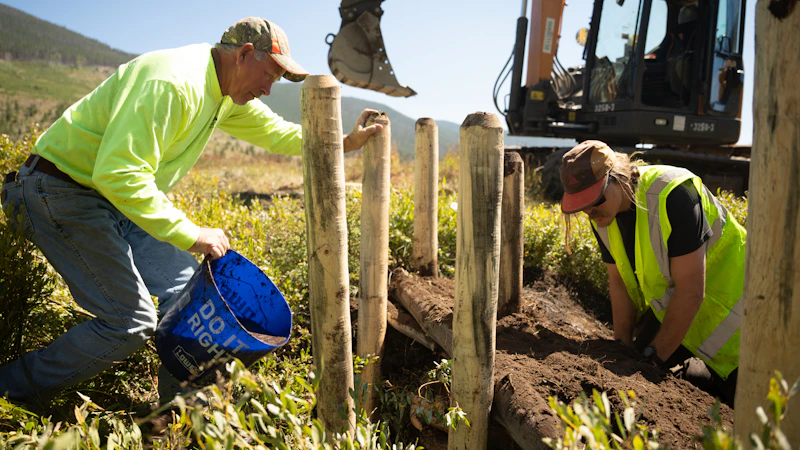
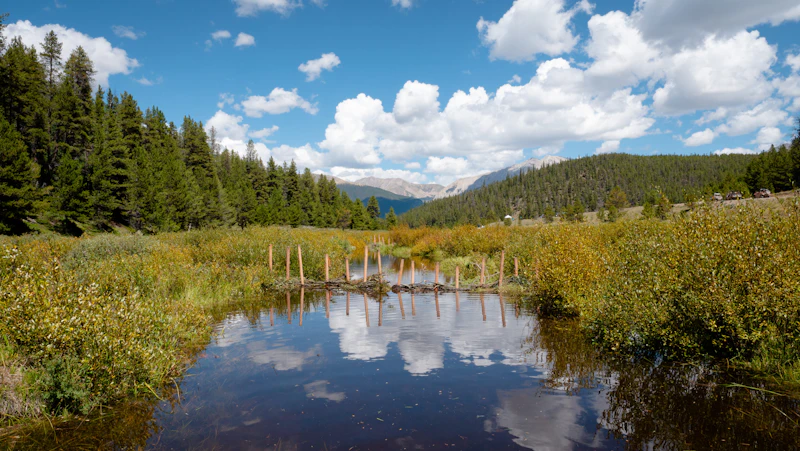

This project uses low-tech, process-based techniques to strengthen habitat, enhance water storage, and support local community conservation efforts in a culturally and ecologically significant landscape.
In 2025 the NFF entered a partnership with USFS and Bears Ears Conservation Partnership.
This project uses low-tech, process-based restoration (LTPBR), a nature-inspired approach that helps streams recover by restoring the processes that maintain healthy ecosystems. Unlike engineered fixes, LTPBR works with natural forces using simple structures built from local wood and willow to encourage the stream to heal itself over time. This approach is especially effective in arid landscapes, where reconnecting streams to their floodplains improves groundwater recharge, water availability, and habitat complexity across the watershed.
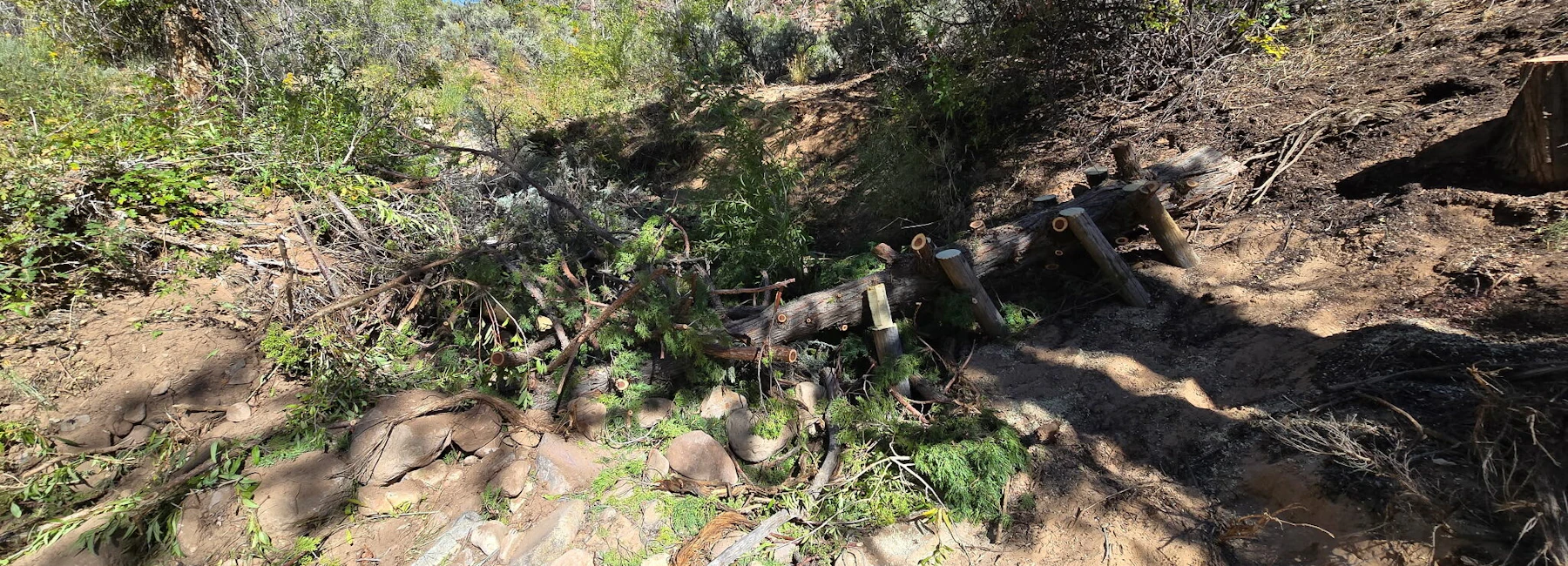
A central tool is the beaver dam analog (BDA), a hand-built structure that mimics the effect of a beaver dam. BDAs slow water, trap sediment, raise groundwater, and reconnect the stream with its floodplain. These changes stabilize channels, improve water storage, and enhance habitat for fish, wildlife, and riparian vegetation.
So far, the Canyon Country Youth Crew managed by the Bears Ears Partnership installed 20 BDAs along the half-mile stretch of Indian Creek and will continue to construct more in 2026.
Behind every project is a story about the people that love and rely on their National Forest for clean water, strong economies, and safe communities.
Nature-based solutions are bringing life back to streams and wetlands in the Colorado River Watershed, securing water for people, wildlife,…
Seeing the impact first hand on the Grand Mesa, Uncompaghre and Gunnison National Forests
The streams and creeks of the LBJ National Grassland flow into the Trinity River Basin, which supplies water for over…
Our Forests Need Us Today.
Your donation powers critical, on-the-ground conservation—from wildfire recovery to watershed restoration—protecting forests for the future.