Downstream Impacts: A Watershed’s Role in Water Supplies
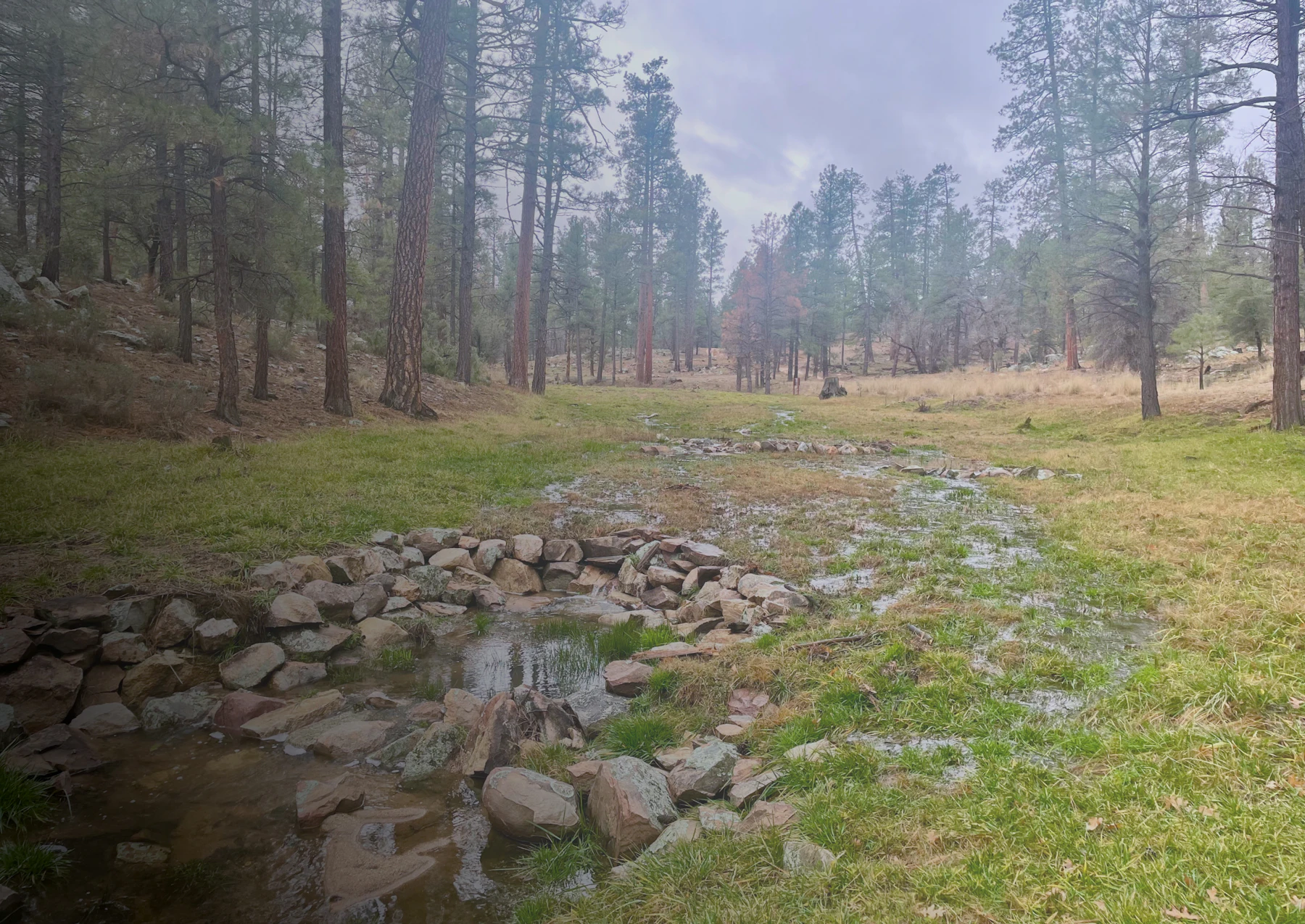
The Stringtown Wash-Pine Creek watershed (SWPCW) is in the Prescott National Forest – Chino Ranger District (USFS). To help restore and protect its ecosystems, NFF has identified 7 project sites within Stringtown Wash-Pine Creek watershed. These sites use “low-tech” restoration techniques to restore wet meadows and reconnect streams/channels to their floodplains, recharging groundwater along streams, and improving riparian and aquatic habitats.
While not designated as a municipal watershed, it does supply water to rural areas. Additionally, the SWPCW drains into the Big Chino Wash watershed, then into the Upper Verde River watershed, which provides water to the Phoenix metro area. Any impacts on the SWPCW, good or bad, have a downstream impact on water supplied to the Verde Valley and Phoenix metro area.
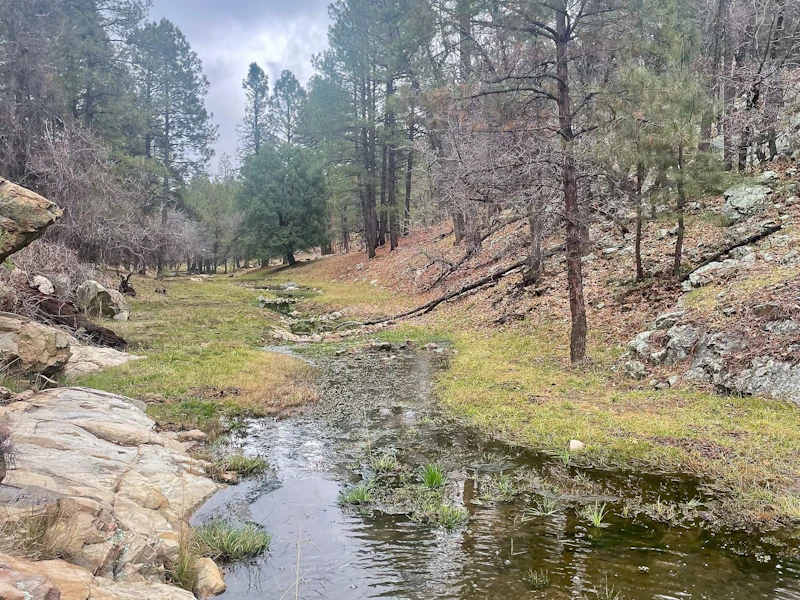
What LTPBR Looks Like in Watershed Restoration
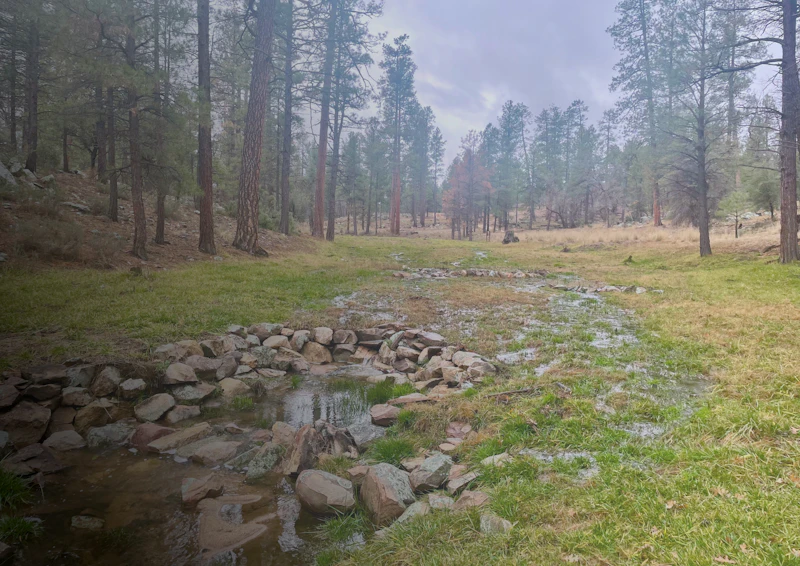
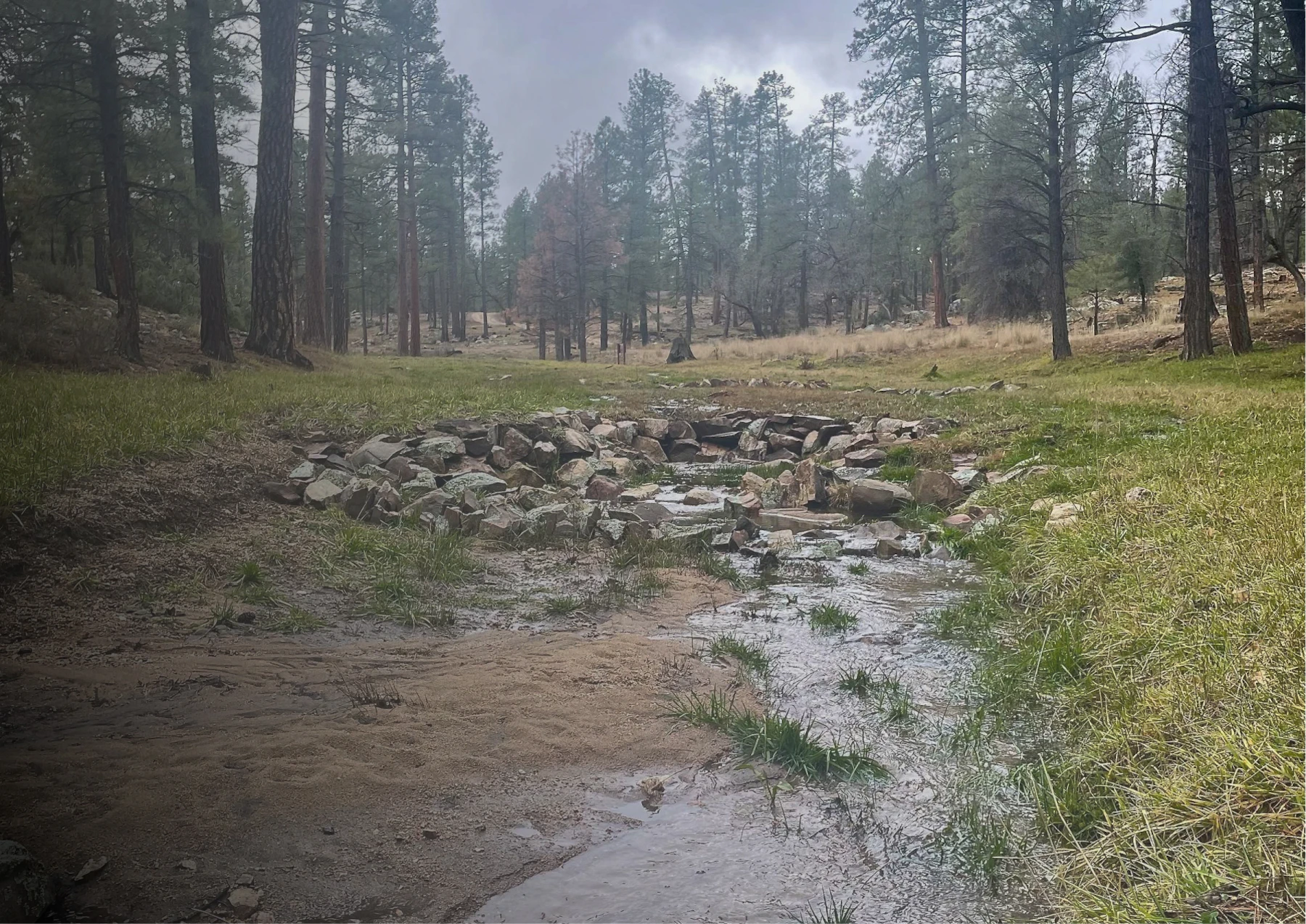
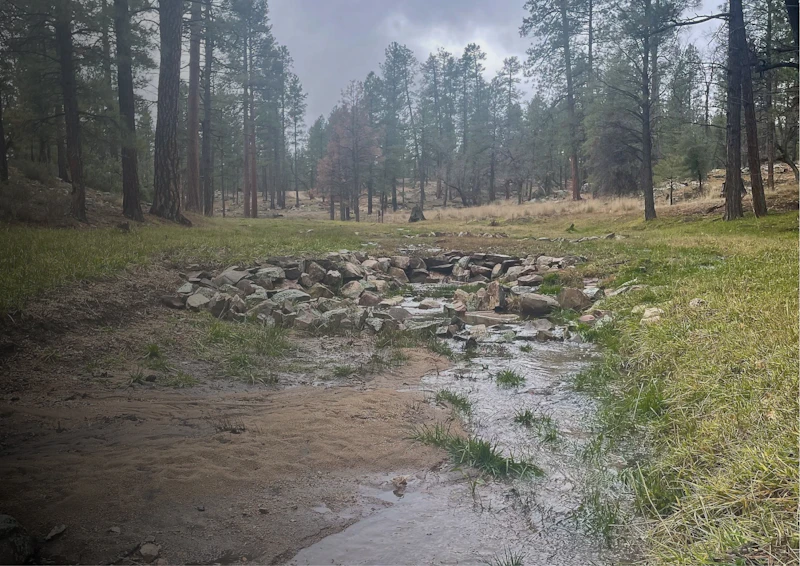
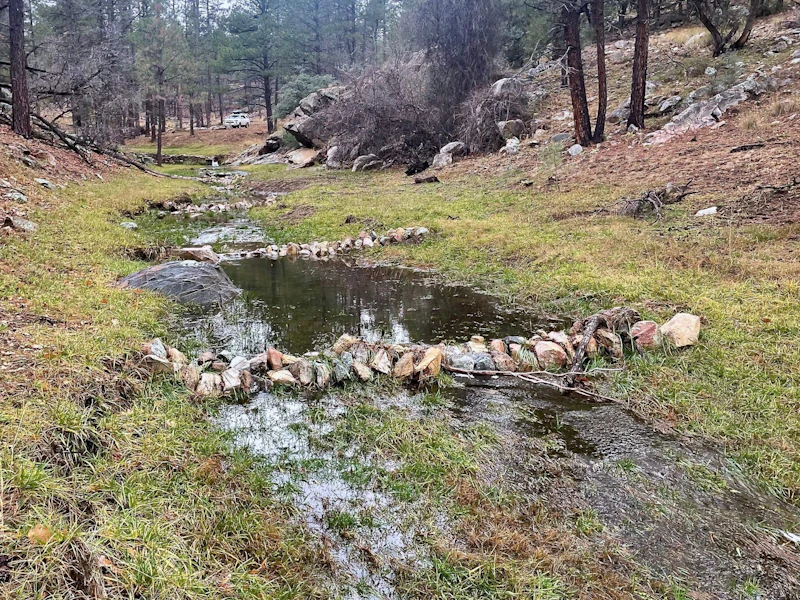
One of the most common LTPBR techniques used in the SWPCW is rock structures, such as one rock dams, Zuni bowls, and rock rundowns. These structures can provide bank stabilization, catch sediments, and/or slow and spread the water, recharging the ground water storage.
Additional LTPBR techniques at some sites include log sills, log vanes, wicker weirs, whole tree baffles, and exclusionary fencing to limit damage from livestock and wildlife during restoration.
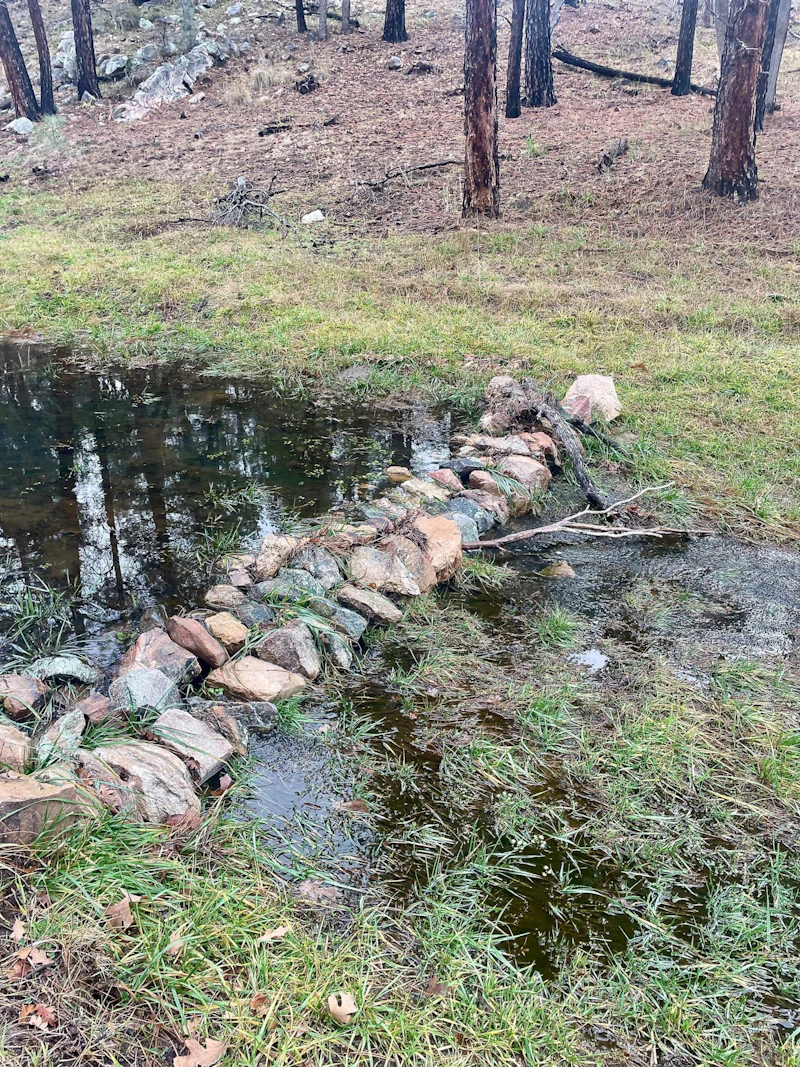
How Adjacent Restoration Projects Maximize Benefits
The health of connected watersheds and ecosystems impact each other, making one’s restoration a benefit to its neighbors. Located just several miles southeast of SWPCW is Horse Wash, characterized by similar ecological features and experiencing similar degradation issues.
There are also plans for rock structures and other LTPBR projects at Horse Wash. The restoration occurring at both sites is a great example of cross-boundary restoration benefits, as restoration at one enhances restoration at the other.
Behind every project is a story about the people that love and rely on their National Forest for clean water, strong economies, and safe communities.
The National Forest Foundation works with partners across Northern Colorado to restore forests, reduce wildfire risk, and care for the…
After years of damage, recovery, and reconstruction, the trail to Hanging Lake has been fully rebuilt, creating a more durable,…
Erosion and wildfire had left Arizona's historic Highline Trail rutted and unsafe. After five years of work with the Tonto…
Forest restoration near Flagstaff is reducing wildfire risk for local communities and safeguarding the water supply for millions across the…
Colorado's 14ers draw thousands of visitors each year, and the pressure on these fragile alpine landscapes is growing. Here's a…
Visitors of all ages can explore forest trails and sparkling waters, discover wildlife and underwater habitats, and connect with Tahoe’s…
Support Watershed Restoration
Your support helps advance large-scale watershed restoration, reduce wildfire risk, and protect communities and watersheds near Prescott. Together, we can restore healthier, more resilient forests for the future.