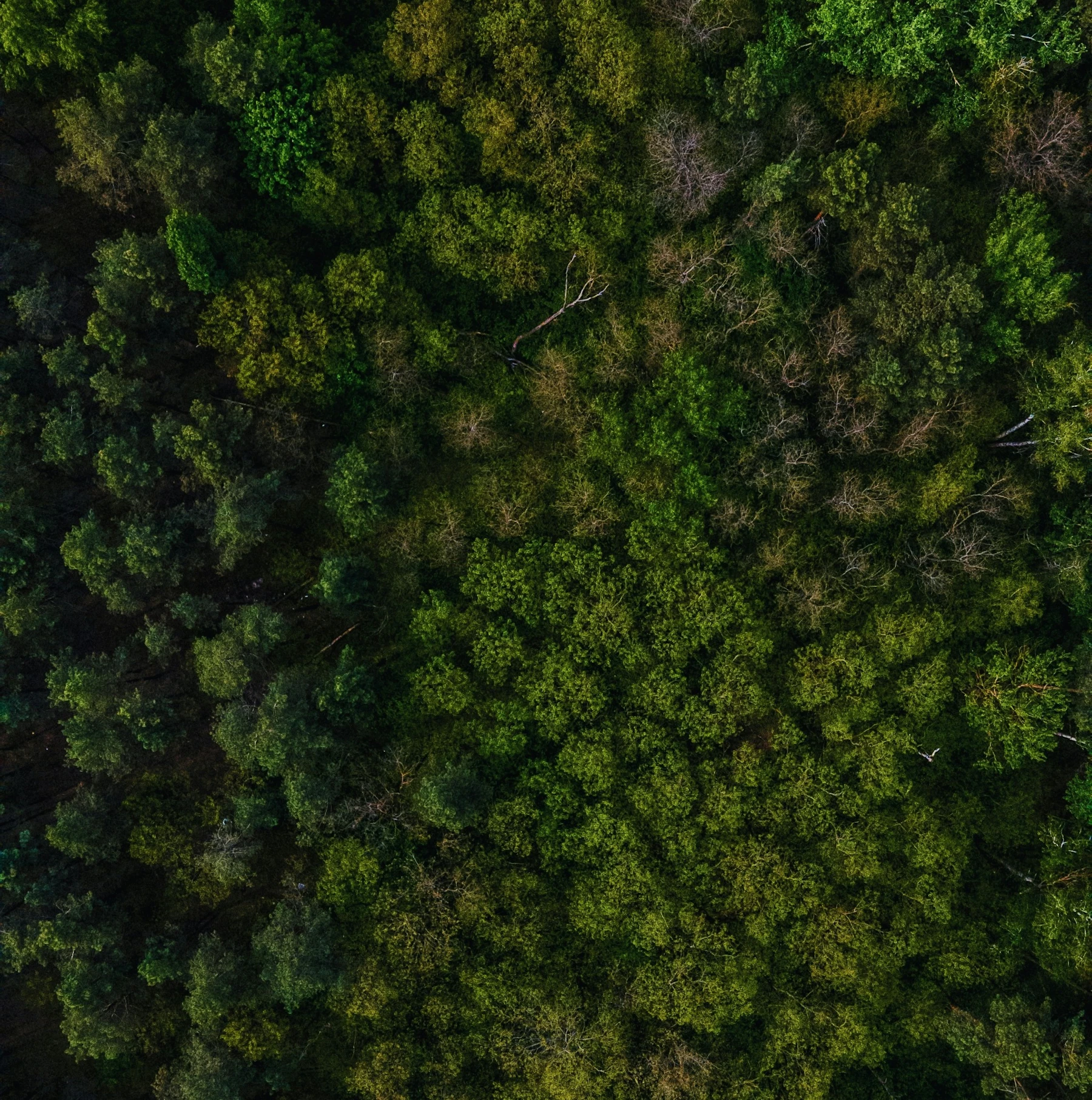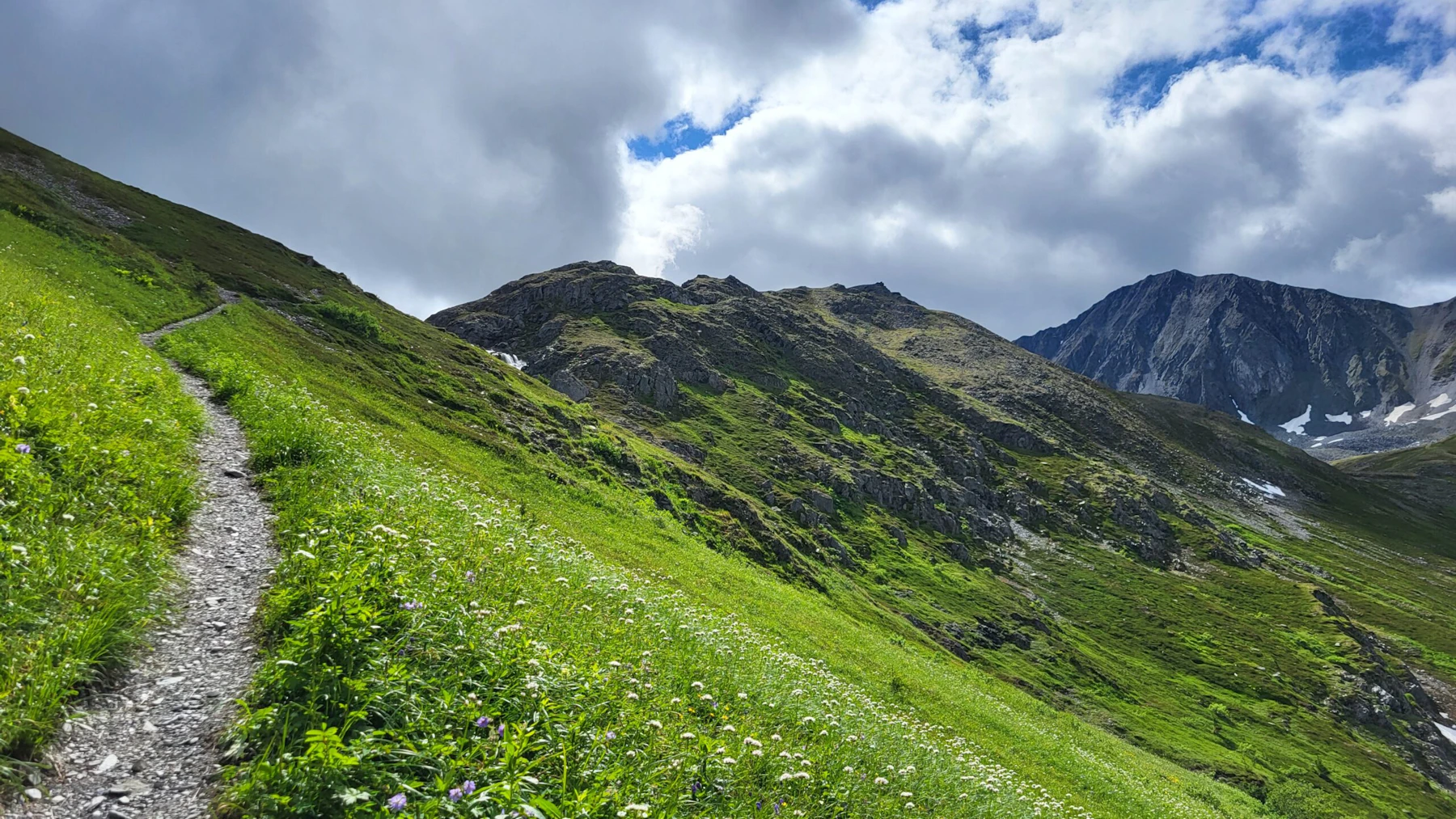
Discover the Chugach National Forest in southern Alaska, an expanse of 5.4 million acres shaped by fire, wind, and ice that stretches from the Kenai Peninsula and the Prince William Sound to the Copper River Delta. Because of its size and diversity, the Chugach is divided into three ranger districts, each of which has a distinct character.
The Glacier Ranger District encompasses most of western Prince William Sound, an area of remote coastlines, bays, and islands that’s considered one of the most beautiful places in the world. This area holds the remains of the ice-masses that shaped the topography of the North American continent.
Accessible only by land and water, the Cordova Ranger District is a commercial fishing community and home to the world famous Copper River Wild Salmon. The district is nestled between the Copper River Delta and the southeastern end of Prince William Sound, covering some 2.3 million acres.
Located on the Kenai Peninsula, the Seward Ranger District district features rugged mountains, glaciers, coastal fjords, and lush temperate rainforests. The area is home to a section of the spectacular Resurrection Pass Trail and a gateway to Kenai Fjords National Park.
With over 500 miles of trails and countless more of coastline, world-class birding and salmon runs, and landscapes that span temperate rainforest and islands to glaciers, Chugach is a world unto itself. Fish the world-famous salmon run, kayak the bays of Prince William Sound, and hike along the Kenai Peninsula.
 Photo by Linea Marshall
 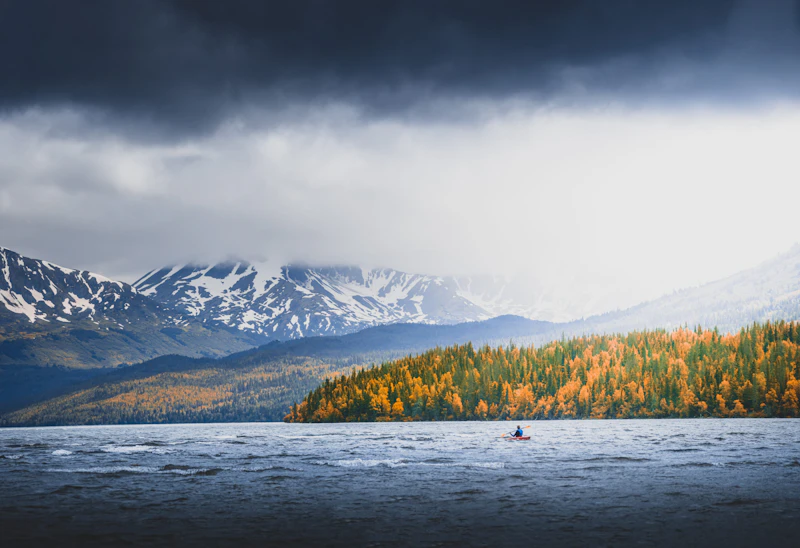 Kayaker crosses Kenai lake. Photo by Logan Maddox
 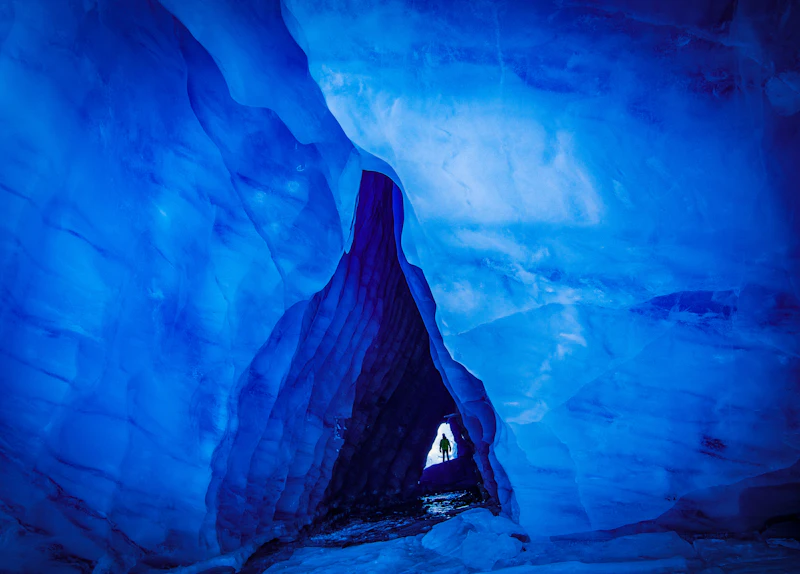 Photo by Steven Skrocki
 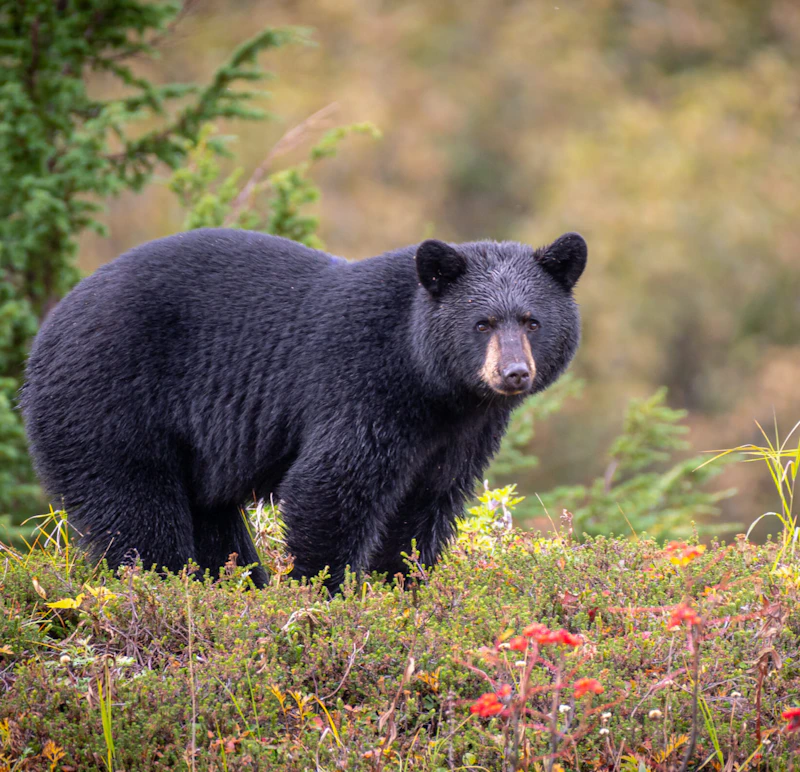 Photo by Dylan Schaiterer
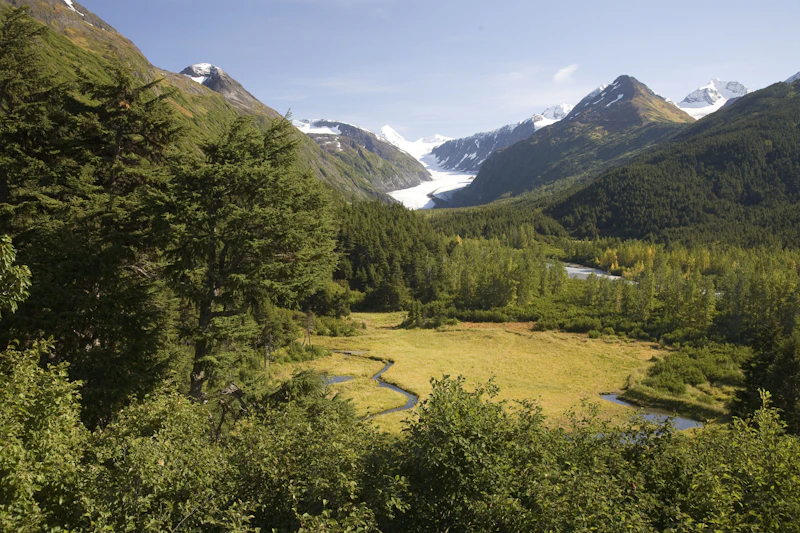
 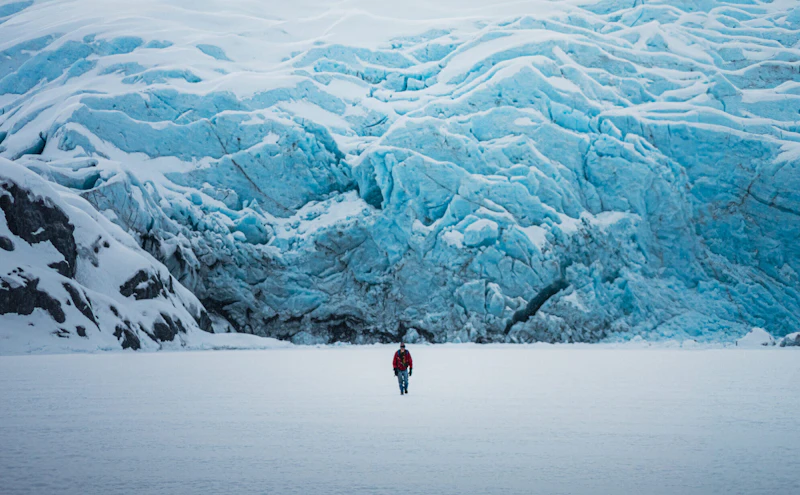 Portage Glacier. Photo by Logan Maddox
 What is the History of the Chugach National Forest?
For more than 10,000 years, Eskimos and Indians have inhabited the Chugach National Forest. Athabascan Indians inhabited Cook Inlet, where their descendants still live; Eskimos in Prince William Sound, where many now live in the villages of Chenega and Tatitlek; and Eyak Indians in the Copper River area, where many still reside.
Spanish and Russian explorers and traders arrived in the 18th century, followed by the English seeking passage to the Pacific, before American settlers arrived after the U.S. purchased Alaska in 1867. Logging, oil, and fishing industries shaped early economic activity in the region. But no industry had more of an impact than mining, with the discovery of gold in Resurrection Creek in the late 19th century leading to Alaska’s first rush and prompting the development of railroads and ports.
The area was established as a National Forest in 1907. Over time, conservation efforts prioritized the protection of Chugach’s diverse ecosystems and scenic beauty. Today, the forest is managed for multiple uses, including recreation, subsistence, and wildlife habitat.
How to Get to the Chugach National Forest
Half of Alaska’s population is well within a day’s drive from Chugach National Forest, which is 25 miles south of Anchorage. From the capital, travelers can reach the forest via the scenic Seward Highway, which runs south along Turnagain Arm and into the Kenai Peninsula. This route provides direct access to popular destinations like the Seward Ranger District, Portage Valley, and Kenai Lake.
To reach the eastern portions of the forest, including the Cordova Ranger District and the Copper River Delta, visitors can take Richardson Highway from Valdez or fly into Cordova, which is accessible only by air or ferry. The state’s ferry system also connects gateway communities such as Whittier, Cordova, and Valdez.
- Anchorage, Alaska: 1 to 2.5 hours

For an iconic Alaskan adventure, head to Chugach National Forest in the summer, when thousands of salmon—primarily sockeye, coho, pink, and chinook return to the forest’s rivers and streams to spawn. Anglers flock to popular spots like the Russian River, Resurrection creek and to streams around Cordova and Prince William Sound to take part. Be sure to grab a license from Alaska Fish & Game and follow size and weight restrictions.
One of the most scenic places in the country, Prince William Sound has more than 3,500 miles of coastline, diverse marine life, and more tidewater glaciers than any other region in North America. Kayaking the inlets is a spectacular way to take in its unique landscape, which offers primitive campsites to visitors looking to expand their adventures. Be sure to review tide, bear, and water-safety protocol beforehand and secure permits.
The 21-mile, point-to-point Crow Pass Trail is regarded as one of the best hikes in the Chugach Mountains. It follows part of the former Iditarod Trail, the original site of the annual long-distance sled dog race. Starting in the town of Girdwood, just an hour south of Anchorage, the path is packed with classic Chugach scenery, from glaciers and waterfalls to wildflowers and mine ruins.
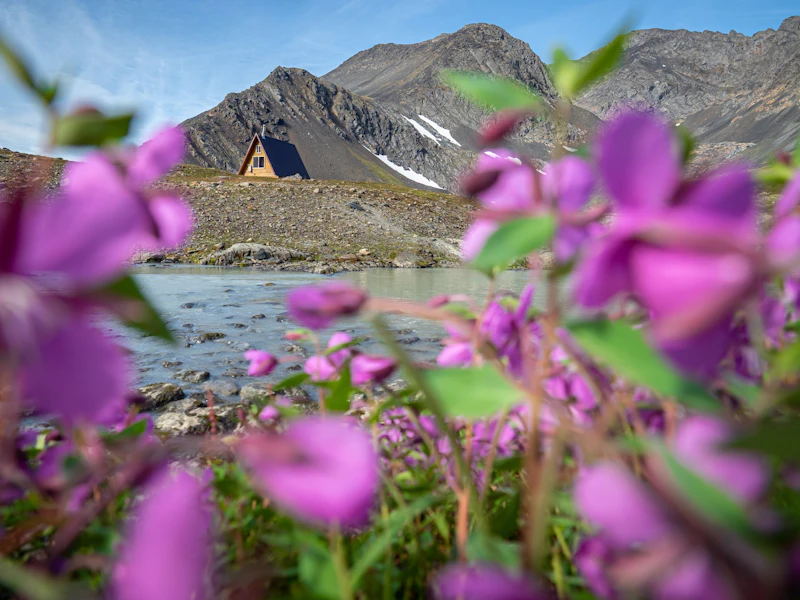
With more than 40 cabins dotted throughout the most scenic corners of Chugach. The forest’s newest build, Spencer Bench Cabin, is perched at 1,900 feet and overlooks Spencer Glacier. The trapper-style cabin features wooden bunks, table, kerosene heater, and a detached outhouse. To reach the cabin, open from late May to mid-September, take the Glacier Discovery Train to the Spencer Glacier Trail, before making a challenging 5.4-mile trek up to the cabin.
 Yellow water lily With yellow, cup-shaped flowers, this lily blooms in the summer across the Copper River Delta. Visitors can spot them and other unique flora at Alaganik Slough, a wildflower viewing area.
 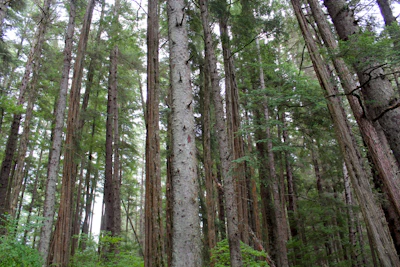 Sitka spruce One of the most common trees in the Chugach, this large specimen—with an average diameter of seven feet and height of 200 feet—is among the most valuable species, both for the health of the ecosystem and as timber.
 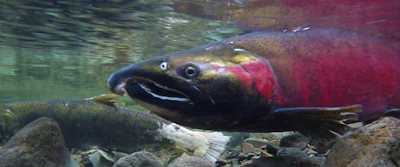 Pacific salmon Five species of Pacific salmon—king, red, silver, chum, and pink—can be found in the rivers and streams of Chugach National Forest. This salmon, silver in the ocean, change color and develop distinctive markings ahead of spawning in freshwater.
 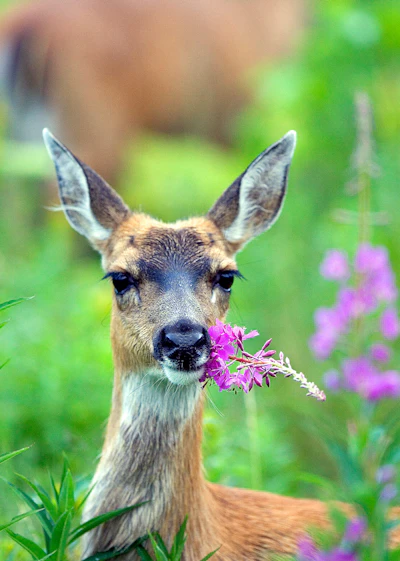 Sitka black-tailed deer This smaller subspecies of mule deer, with a coat that goes from red-brown in the summer to brown-gray in the winter, is native to coastal Alaska. They are one of the most important food sources for the area’s big predators, wolves and bears.
 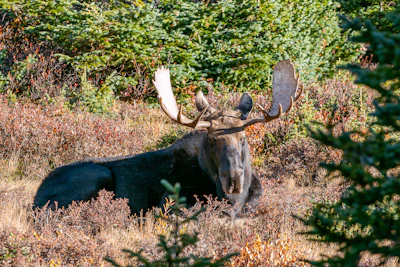 Moose A common sighting across the forest, especially across the Kenai Peninsula and Copper River Delta, this herbivore is largely solitary and feeds on willows, aquatic plants, and shrubs.
 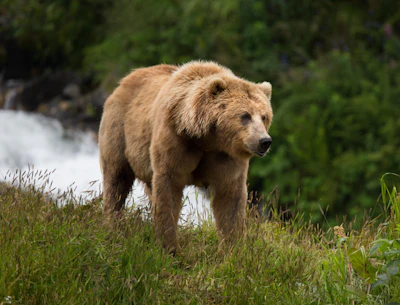 Brown bears This powerful creature—adult males can weigh up to 1,500 pounds—resides in remote coastal and alpine areas of the forest. With its distinct shoulder hump, the brown bear is seldom spotted, compared to the forest’s black bears.
 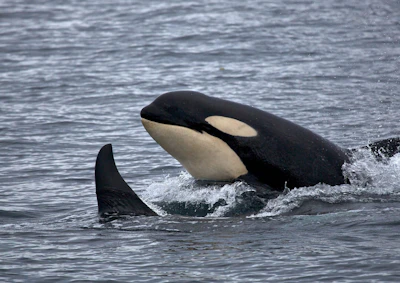 Orcas This intelligent, social animal lives and hunts in pods in the coastal waters of Chugach, particularly in the Prince William Sound. It feeds on fish, seals, and at times, other whales.
 What’s the Best First-Timer’s Adventure in the Chugach National Forest?
For an easy hike with a big reward, consider the Winner Creek Trail. The three-mile trail takes visitors on a well-developed path with little elevation gain through scenic temperate rainforest before reaching a bright-blue-water gorge and Glacier Creek. Hikers looking for a longer excursion can continue on along the nine-mile upper trail, which offers even more spectacular mountain scenery.
Where to Find More Information on Chugach National Forest
For more information or questions, visit https://www.fs.usda.gov/r10/chugach
Discover how communities, volunteers, and partners are shaping the future of our National Forests and Grasslands.
The National Forest Foundation works with partners across Northern Colorado to restore forests, reduce wildfire risk, and care for the…
After years of damage, recovery, and reconstruction, the trail to Hanging Lake has been fully rebuilt, creating a more durable,…
Erosion and wildfire had left Arizona's historic Highline Trail rutted and unsafe. After five years of work with the Tonto…
Forest restoration near Flagstaff is reducing wildfire risk for local communities and safeguarding the water supply for millions across the…
Colorado's 14ers draw thousands of visitors each year, and the pressure on these fragile alpine landscapes is growing. Here's a…
Visitors of all ages can explore forest trails and sparkling waters, discover wildlife and underwater habitats, and connect with Tahoe’s…
A partnership-driven program connecting youth on Montana’s Flathead Reservation with hands-on conservation work, heritage education, and pathways in natural resource…
Seeing the impact first hand on the Grand Mesa, Uncompaghre and Gunnison National Forests
Seven Years of Reopening Trails After the Eagle Creek Fire
Field Ranger Program Connects Diverse Communities to Forests in Southern California
Our Forests Need Us Today.
Your donation powers critical, on-the-ground conservation—from wildfire recovery to watershed restoration—protecting forests for the future.