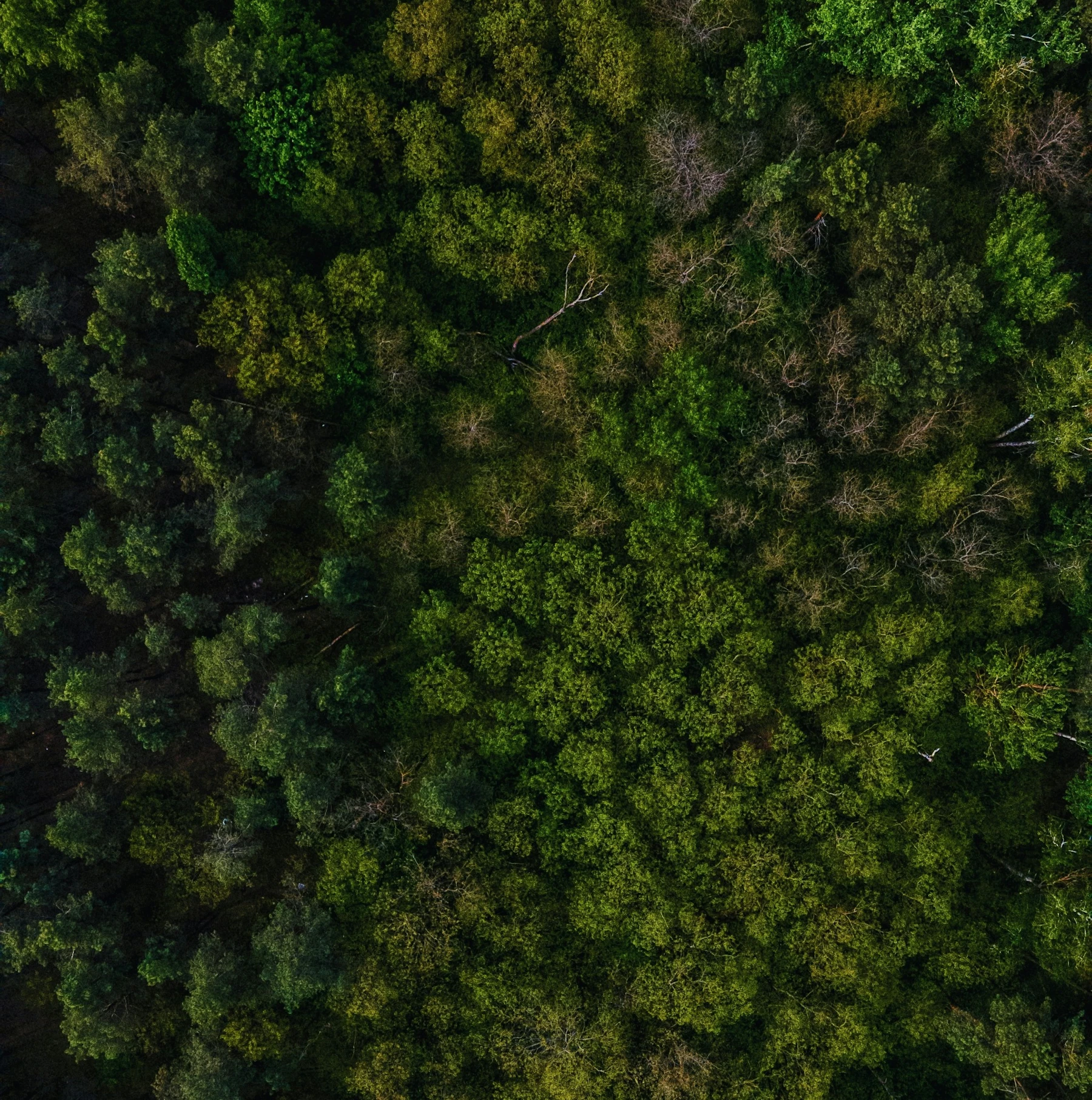
For a wilderness in the mountains of arid Arizona, the Apache-Sitgreaves National Forest is a verdant landscape, with 34 lakes and reservoirs and more than 680 miles of rivers and streams—more than can be found in any other national forest in the Southwest.
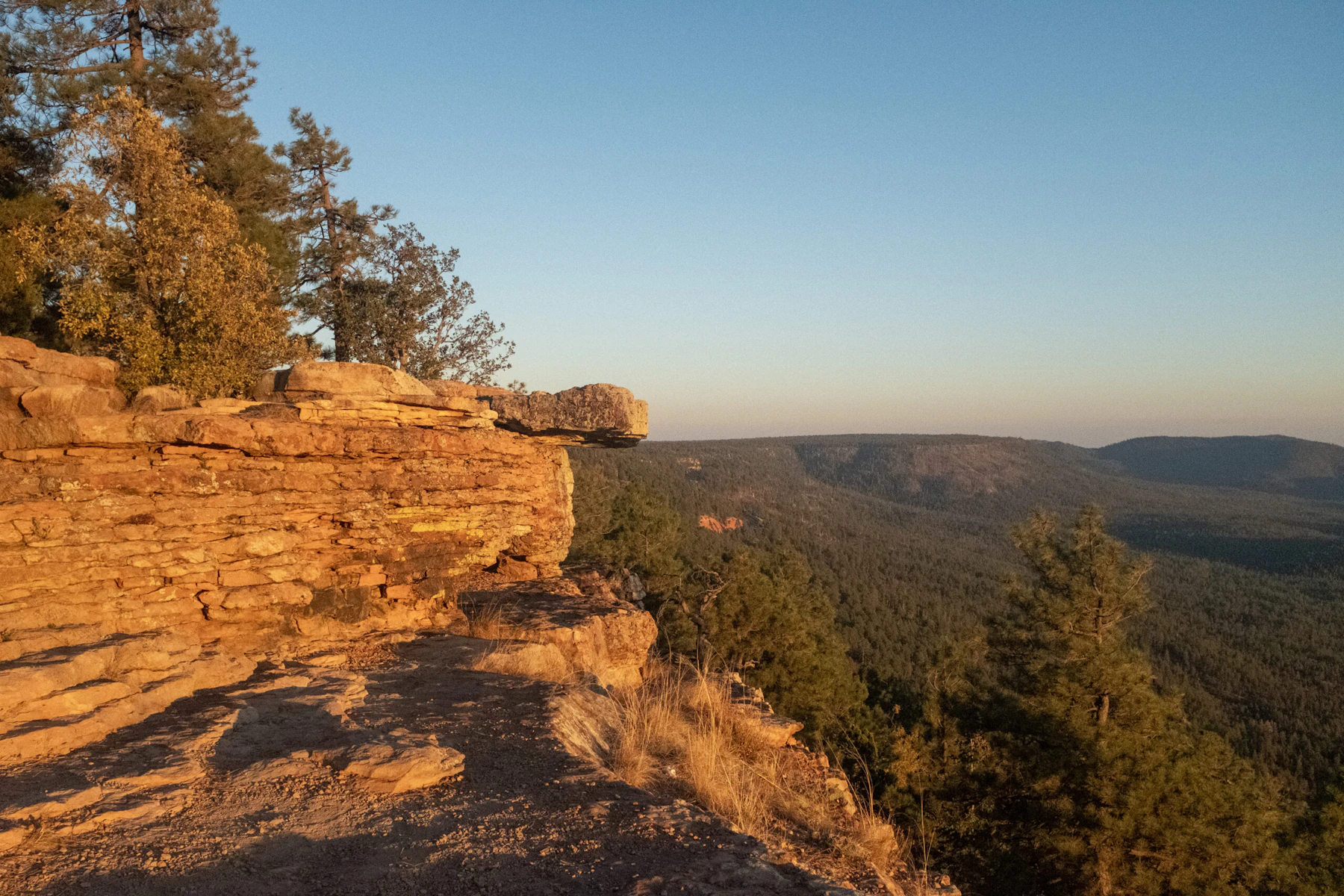
On the Apache, the area from Mount Baldy east to Escudilla Mountain is often referred to as the White Mountains of Arizona. On the Sitgreaves, the Mogollon Rim (pronounced: muggy-own) and a string of manmade lakes extends two hundred miles from Flagstaff into western New Mexico. From the rim’s 7600-foot elevation, vistas offer incredible views of the low country to the south and west.
Three wilderness areas (Mount Baldy, Escudilla, and Bear Wallow) and the Blue Range Primitive Area make the Apache one of the country’s premier backcountry forests. Enjoy hiking, horseback riding, mountain biking on 1,000 miles of trails and some of the region’s best fishing.
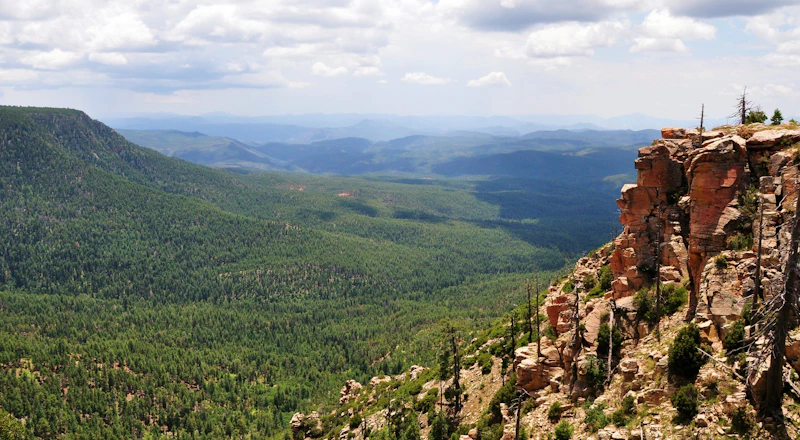 Photo by U.S. Forest Service
 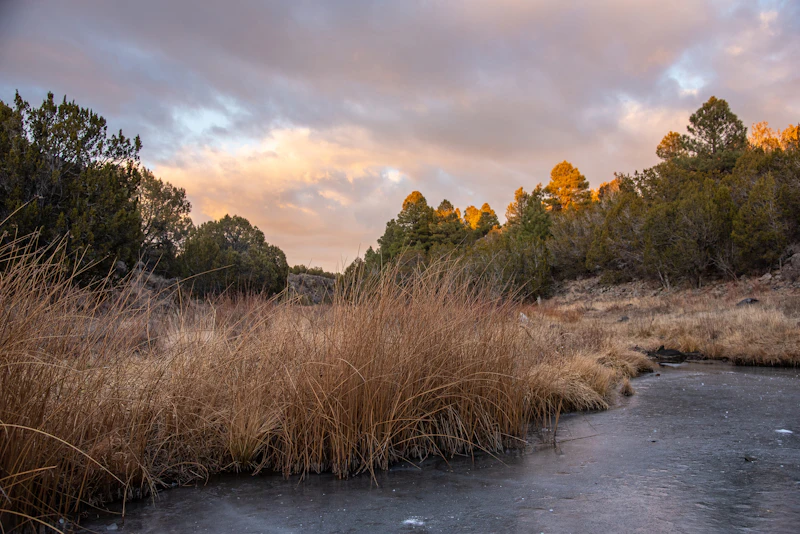 Photo by Liz Hastings
 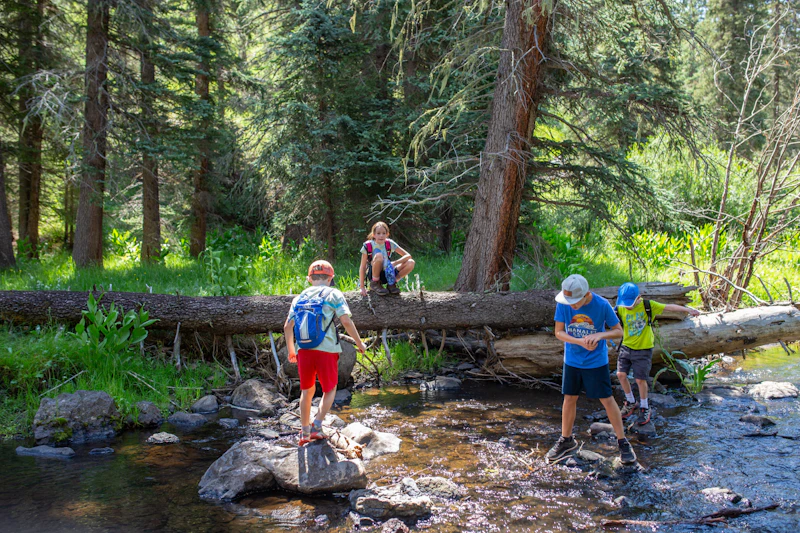 Photo by Stephanie Bloom
 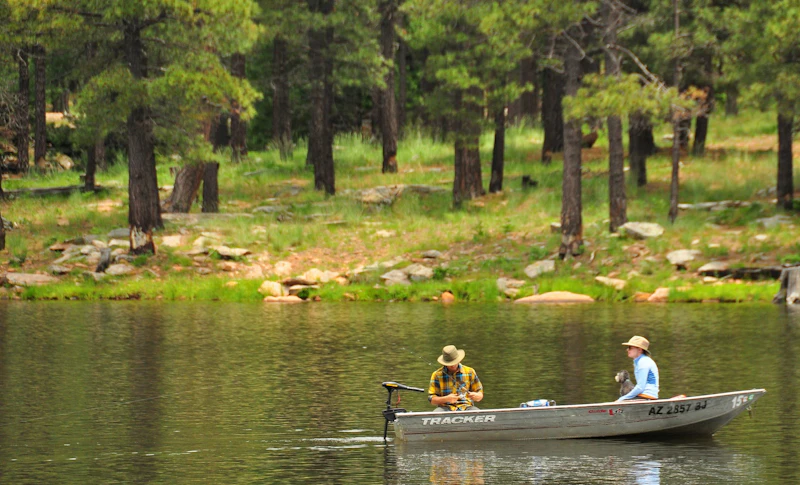 Photo by U.S. Forest Service
 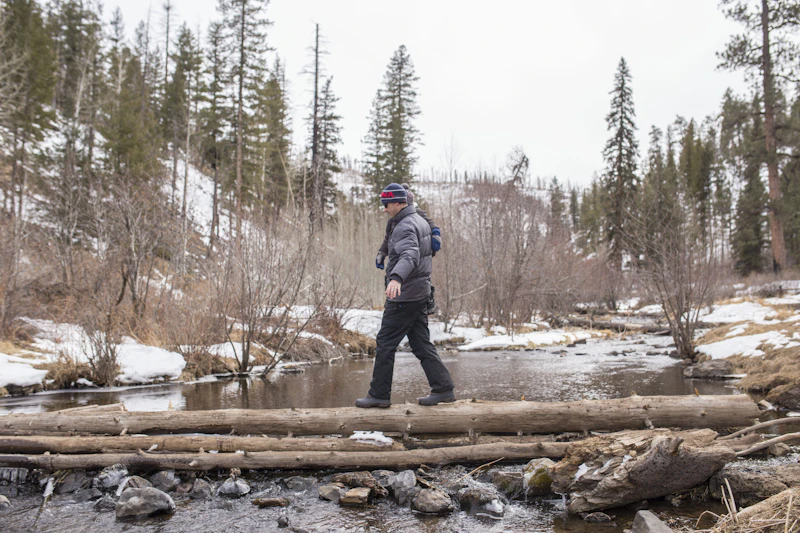 Photo by Stephanie Bloom
 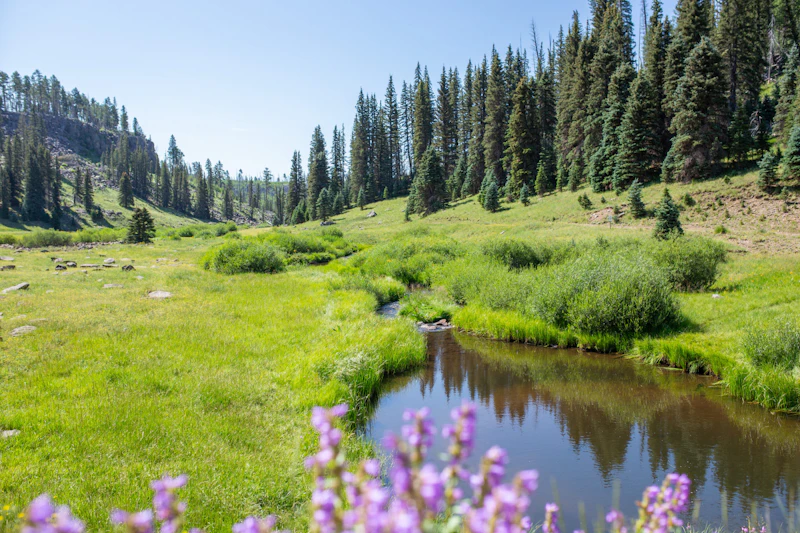 Photo by Stephanie Bloom
  Photo by Ryan McGinley
 What is the History of the Apache-Sitgreaves National Forest?
The Apache-Sitgreaves National Forests were established by proclamation of President Roosevelt as two separate National Forests in 1908. Apache National Forest is named after the Native American tribe from the area, while Sitgreaves was named after a 19th-century topographical engineer, Captain Lorenzo Sitgreaves, who led the first scientific expedition across Arizona.
The forest has a fascinating heritage with many archeological resources. Prehistoric site types range from the remains of hunting and plant collecting areas to large pueblos with enclosed plazas, much like those seen today at Hopi and Zuni. Rock shelter and cave sites are found in the steeper canyons of the Mogollon Rim and along the Blue River.
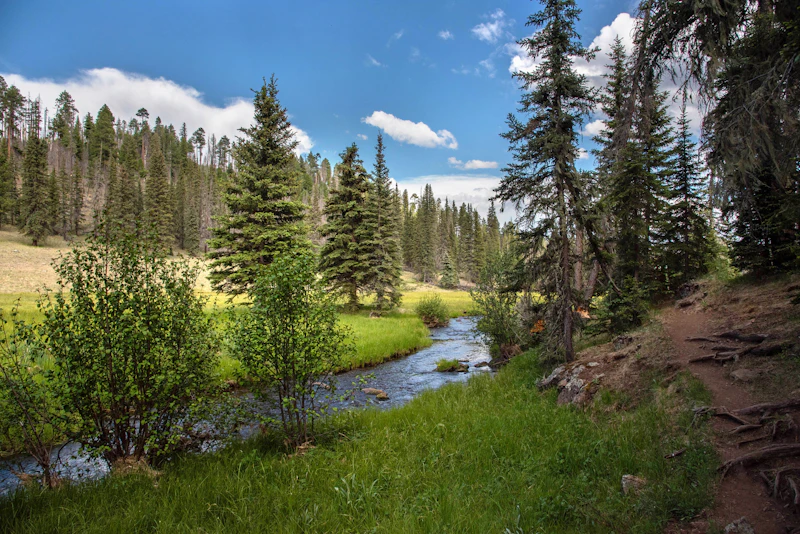
How to Get to the Apache-Sitgreaves National Forest
Located in western Arizona on its border with New Mexico, it requires some driving to reach. From Phoenix or Tucson, travelers can take Highway 60 through Show Low, one of the primary gateway towns. From the east, Interstate 40 connects to Highway 77 or Highway 191 leading to Springerville and Eagar, other key access points. Highway 260 also runs east-west through the forest, linking towns like Pinetop-Lakeside, a popular base for recreation.
- Phoenix, Arizona: 2 hours by car
- Tuscon, Arizona: 3 hours by car
- Albuquerque, New Mexico: 3 to 3.5 hours by car

The forest has three National Recreation Trails: 28.5-mile Eagle, 8.7-mile Blue Ridge, and 3.3-mile Escudilla. The Escudilla summits its namesake mountain at 10,912 feet, and leads to a fire lookout tower, the highest in the state. Apache-Sitgreaves also offers several barrier-free trails, including the Mogollon Rim Interpretative Trail and Pintail Wetlands Nature Trail.
The forest is also considered one of the top forests in the nation for fishing. The Apache-Sitgreaves contains over 450 miles of streams and nearly 2,000 surface acres of cold water lakes. Fish species include arctic grayling, rainbow, German brown, brook, Apache, and cutthroat trout.
Located in the White Mountains of Apache-Sitgreaves National Forest is Sunrise Park Resort, Arizona’s largest ski resort, which features 67 runs across three peaks, plus summer activities like zip‑lines, mountain biking, and an alpine coaster.
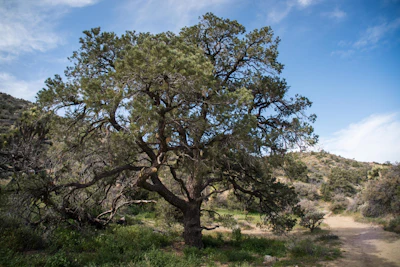 Pinyon pine A slow-growing tree native that to the Southwest, known for its edible pine nuts and dense, fragrant wood commonly used for household stoves.
 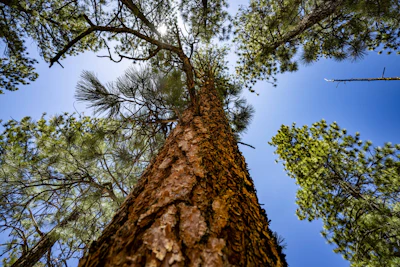 Ponderosa pine This largely fire-resistant tree, with orange-colored and vanilla-scented bark, is commonly found through the West.
 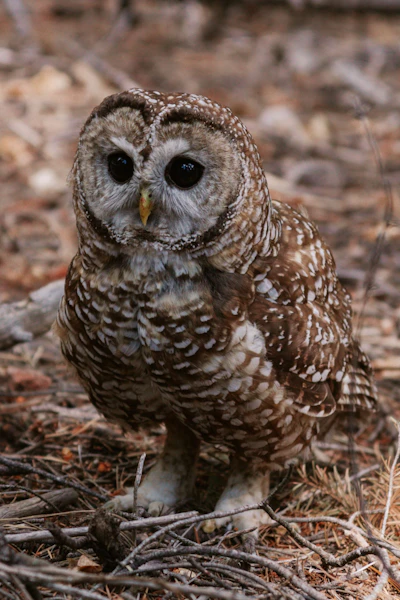 Mexican spotted owl One of the largest owls in North America, this protected species is known for its distinct dark eyes and resides in dense woodland.
 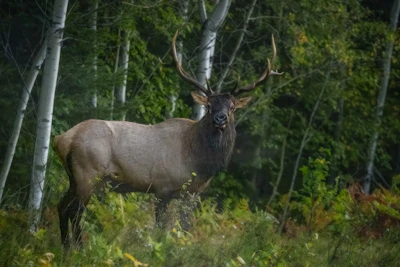 Elk This majestic animal, the second largest species in the deer family after moose, is usually seen grazing in herds across high-elevation meadows and forests of Apache-Sitgreaves.
 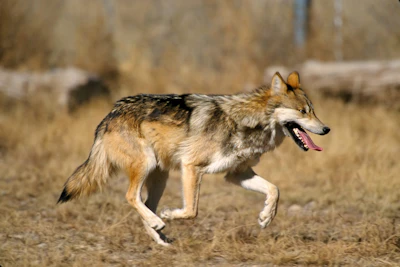 Mexican gray wolf Native to Mexico and the southwestern US, this wolf thrives in high-desert plateaus and mountains. After significant population decline throughout the 20th century, reintroduction efforts have bolstered their recovery. The Blue Range Wolf Recovery Area spans the Apache-Sitgreaves and Gila National Forest in New Mexico.
 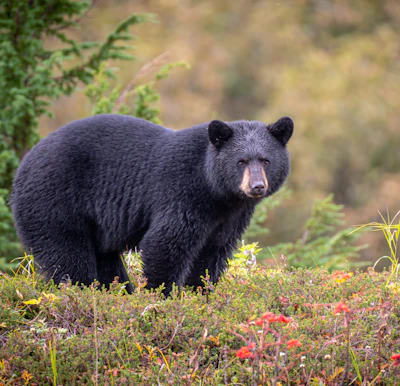 Black bear The only bear species still found in Arizona, the black bear resides in woodland habitats. It is shy and usually avoids humans, but its excellent sense of smell means visitors should keep food stowed properly when camping.
 Related Impact
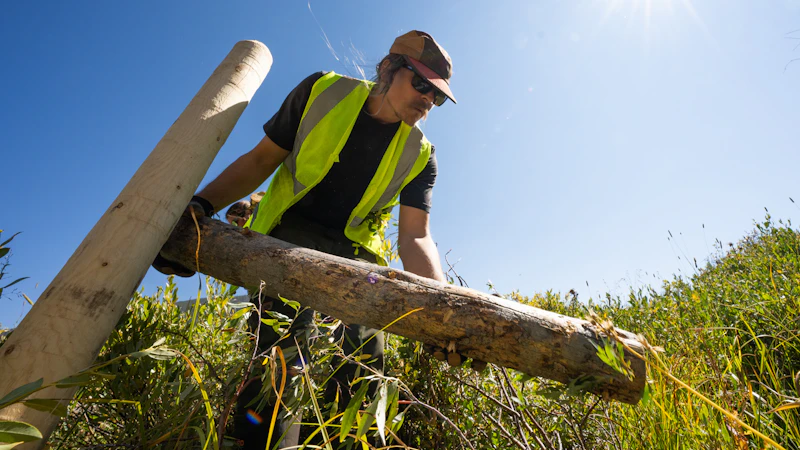
Restoring the Colorado River Watershed through Nature Based Solutions
The National Forest Foundation and our partners are taking action through process-based restoration techniques that work with nature to bring life back to streams and wetlands in the Colorado River Watershed, securing water for people, wildlife, and the future.
What’s the Best First-Timer’s Adventure in the Apache-Sitgreaves National Forest?
Rock art, both painted pictographs and carved or etched petroglyphs that date between 900 and 600 years ago, can be spotted throughout the forests. The best way to see the examples of painted art on Black Canyon Auto Tour, which winds through a canyon below the Mogollon Rim country to settlements on top of the 200-mile-long plateau.
Where to Find More Information on the Apache-Sitgreaves National Forest
For more information or questions, visit https://www.fs.usda.gov/r03/apache-sitgreaves
Discover how communities, volunteers, and partners are shaping the future of our National Forests and Grasslands.
The National Forest Foundation works with partners across Northern Colorado to restore forests, reduce wildfire risk, and care for the…
After years of damage, recovery, and reconstruction, the trail to Hanging Lake has been fully rebuilt, creating a more durable,…
Erosion and wildfire had left Arizona's historic Highline Trail rutted and unsafe. After five years of work with the Tonto…
Forest restoration near Flagstaff is reducing wildfire risk for local communities and safeguarding the water supply for millions across the…
Colorado's 14ers draw thousands of visitors each year, and the pressure on these fragile alpine landscapes is growing. Here's a…
Visitors of all ages can explore forest trails and sparkling waters, discover wildlife and underwater habitats, and connect with Tahoe’s…
A partnership-driven program connecting youth on Montana’s Flathead Reservation with hands-on conservation work, heritage education, and pathways in natural resource…
Seeing the impact first hand on the Grand Mesa, Uncompaghre and Gunnison National Forests
Seven Years of Reopening Trails After the Eagle Creek Fire
Field Ranger Program Connects Diverse Communities to Forests in Southern California
Our Forests Need Us Today.
Your donation powers critical, on-the-ground conservation—from wildfire recovery to watershed restoration—protecting forests for the future.