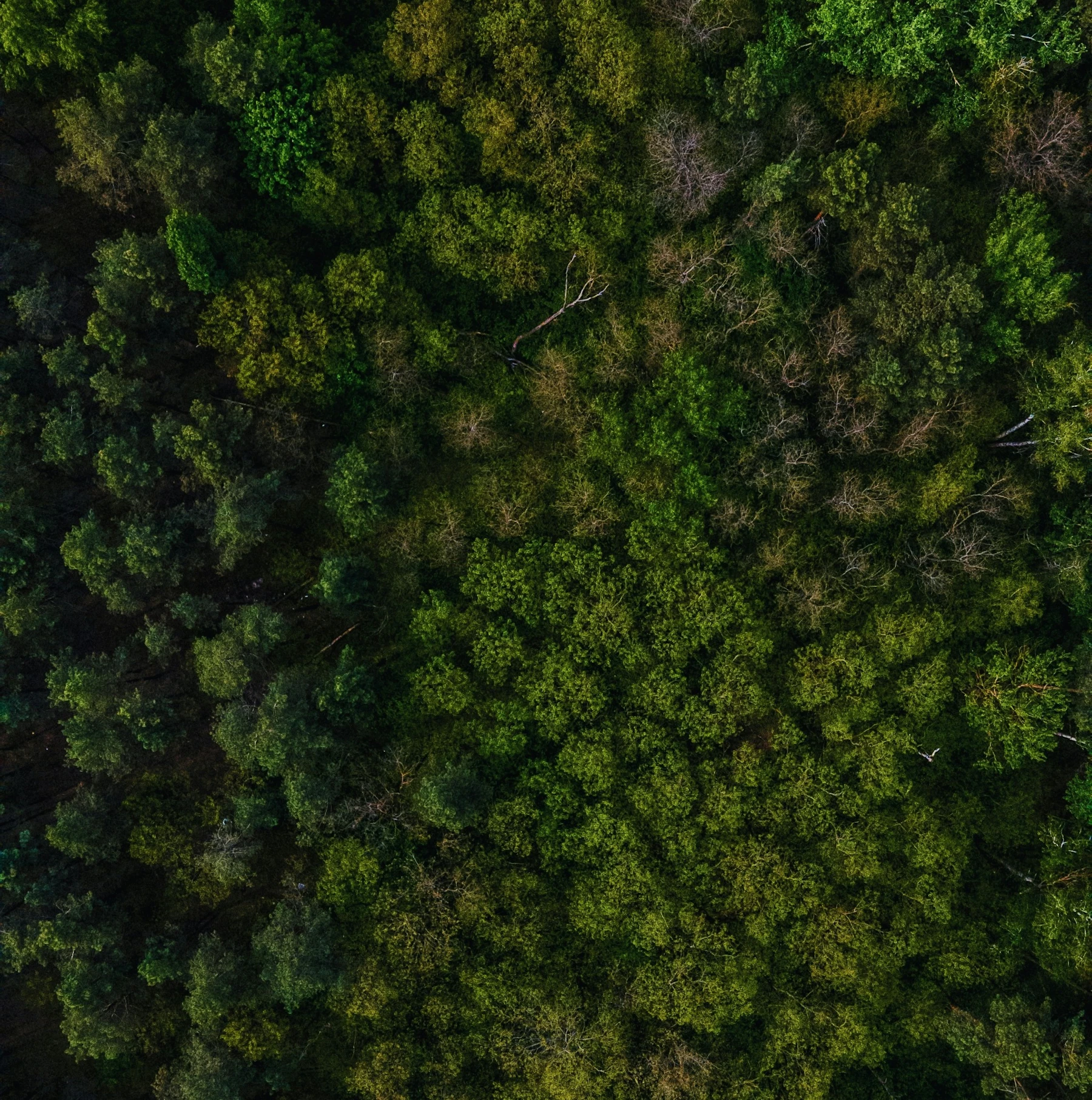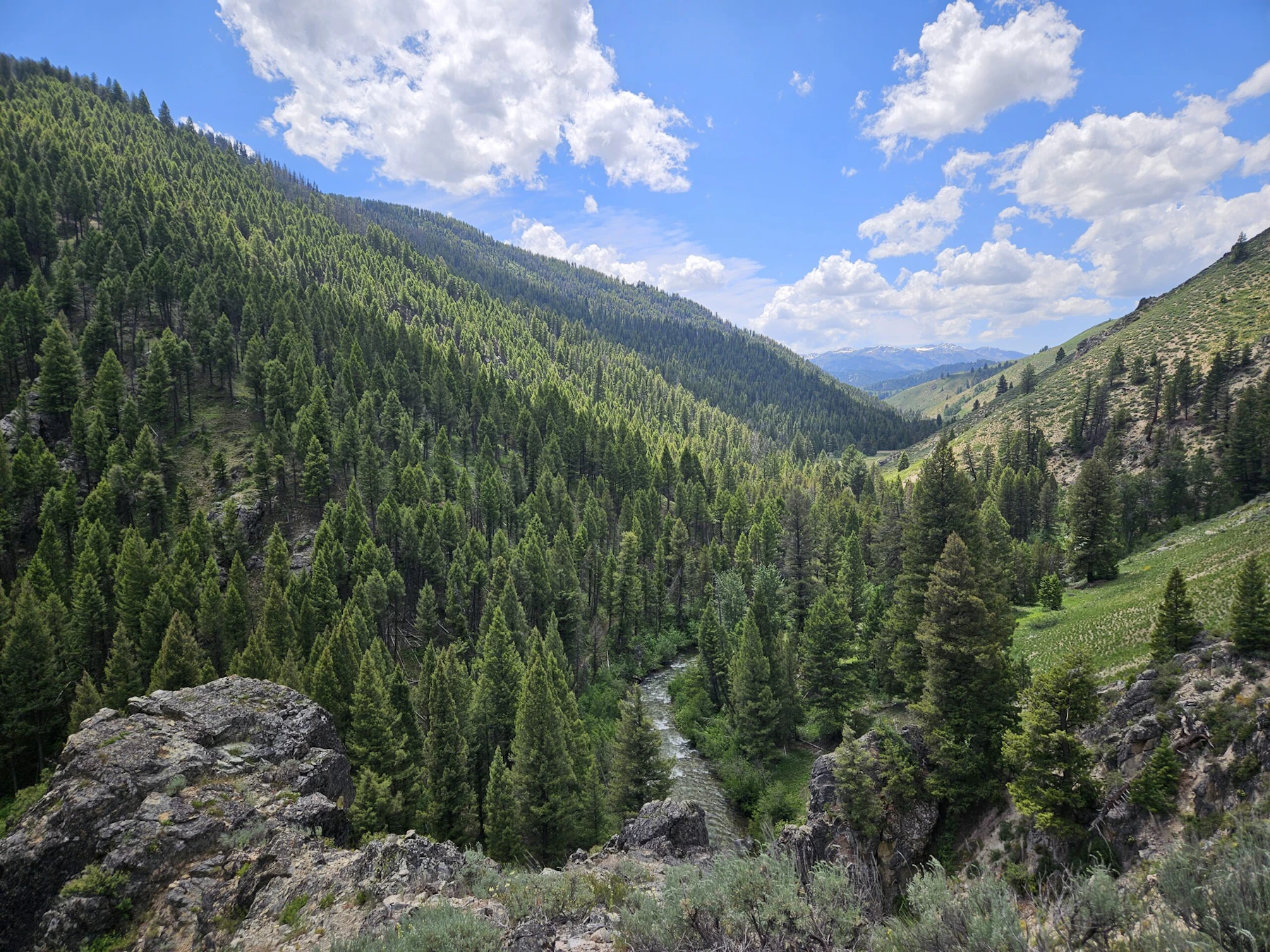
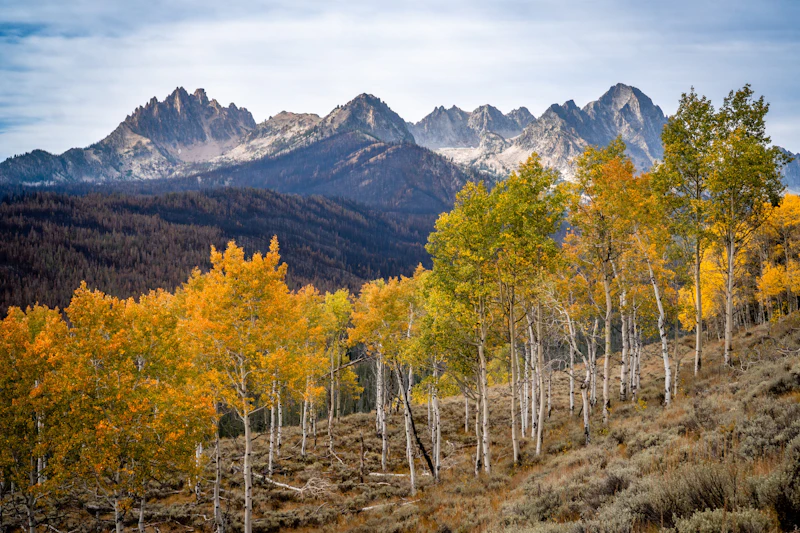
Discover the Sawtooth National Forest, more than two million acres of rugged mountains, alpine lakes, dense forests, and sweeping valleys in the center of Idaho. Named after the jagged peaks that dominate the forest, the forest hosts a wide variety of recreation, from very primitive settings like the Sawtooth Wilderness to highly developed recreation sites such as Redfish Lake Recreation Complex.
In addition to the Sawtooth Wilderness, the forest contains parts of the Cecil D. Andrus-White Clouds Wilderness, set along the Salmon River, and the Hemingway-Boulders Wilderness, known for its geological formations. All three wildernesses are home to an impressive number of granite peaks over 10,000 feet.
More than 700 miles of trails provide opportunities for hiking, biking, and horseback riding, while some 500 miles of motorized trails offer exciting off-highway vehicle adventures. The forest hosts over 3,500 miles of perennial streams, 7,600 acres of lakes, and many game-management units, making for excellent fishing, hunting, and water activities.
In the winter, head to one of four premier ski resorts—Sun Valley Resort, Soldier Mountain, Pomerelle Mountain Resort, and Magic Mountain Ski Resort—or embark on the forest’s many cross-country ski and snowmobile trails.
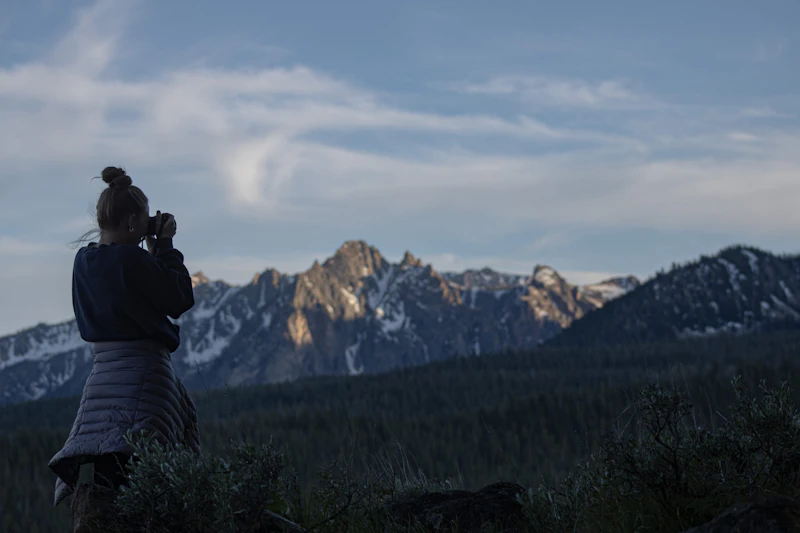 Photo by Rory Cushen
 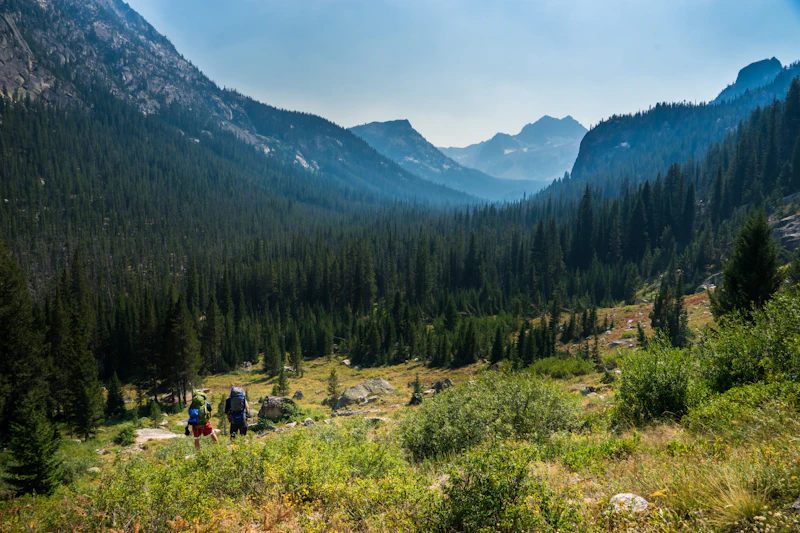 Redfish Lake Canyon. Photo by the U.S. Forest Service
 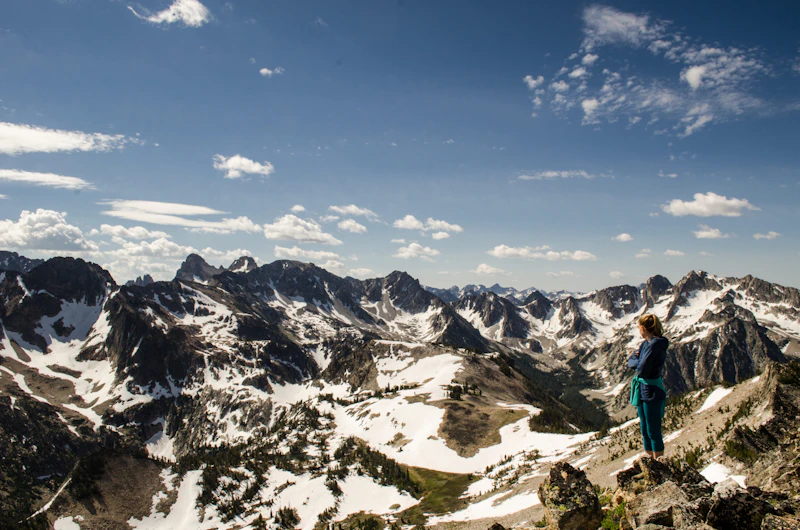 Photo by Aaron Olsen
 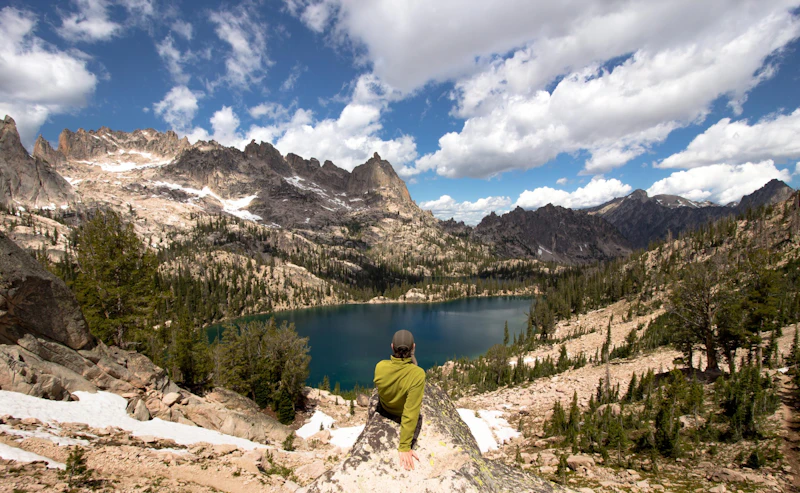 Photo by Mike Renner
 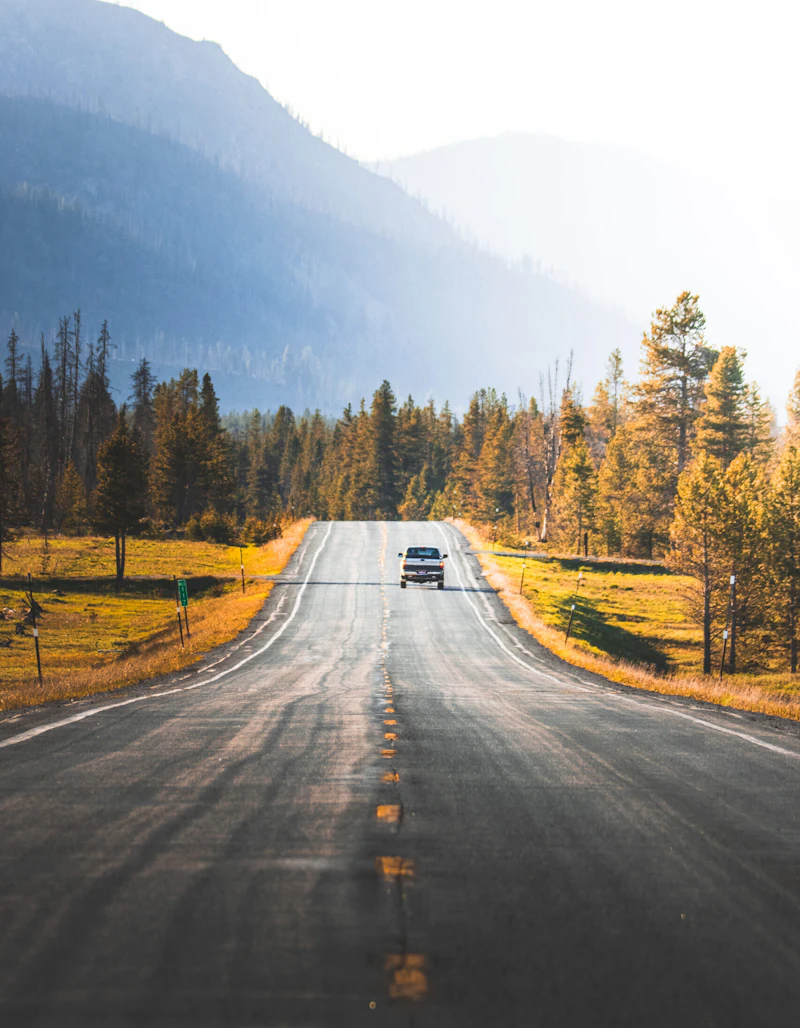 Photo by Logan Maddox
 What is the History of the Sawtooth National Forest?
The Sawtooth National Forest holds much historical and cultural significance. Native American peoples, including the Shoshone-Bannock tribes, have long inhabited the area. European-American settlers and miners from the 19th century leaving behind remnants of their activities that can still be found today.
The forest was designated in 1905. In the following decades, the forest’s boundaries evolved as nearby reserves and lands were reorganized. In 1972, part of the forest gained greater protection through the creation of the Sawtooth National Recreation Area.
How to Get to the Sawtooth National Forest
From Boise, the largest nearby city, Idaho State Highway 21, also known as the Ponderosa Pine Scenic Byway, leads through Idaho City and Lowman before reaching Stanley, one of the main gateways to the Sawtooth Mountains and the Sawtooth National Recreation Area.
Another popular way is via U.S. Highway 93 and Idaho State Highway 75, the Sawtooth Scenic Byway, which connects to the forest through Wood River Valley and the mountain towns of Ketchum and Sun Valley.
- Boise, Idaho: 2 to 2.5 hours by car
- Nampa, Idaho: 2 to 3 hours by car
- Idaho Falls, Idaho: 3 to 3.5 hours by car
- Salt Lake City, Utah: 4.5 to 5.5 hours by car

One of the most iconic hikes in Idaho, this 10-mile roundtrip hike to Sawtooth Lake takes you through alpine meadows and rocky terrain to one of the bluest lakes in the region. The views of Mount Regan rising above the water make this a quintessential Sawtooth experience.
The Sawtooth National Forest is home to a Easley Hot Springs Resort, as well as several undeveloped hot springs, including Kirkham, Sunbeam, and Bonneville, located in and around the forest. These springs provide a relaxing way to wind down after exploring the forest’s rugged mountain terrain.
This 116-mile section along Highway 75, one of three scenic drives in the forest, offers sweeping views of the Sawtooth Range and tops out at 8,7010foot Galena Summit. It’s ideal for visitors who want big scenery without strenuous hiking.
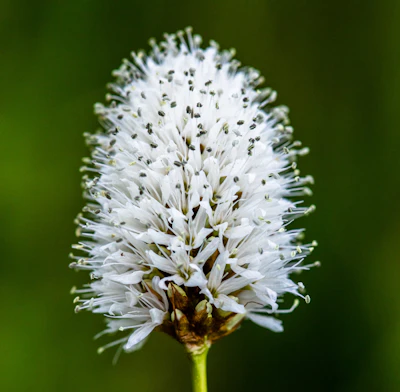 American bistort Its slender, bottlebrush-like spikes of tiny white flowers bloom in mid- to late summer across meadows and riparian areas.
 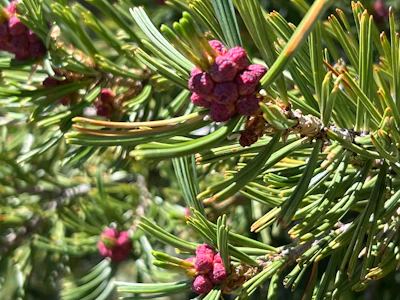 Whitebark pine This endangered species produces seeds that are an important food source for birds and bears, and grows on harsh sites in the upper subalpine forests, often appearing gnarled.
 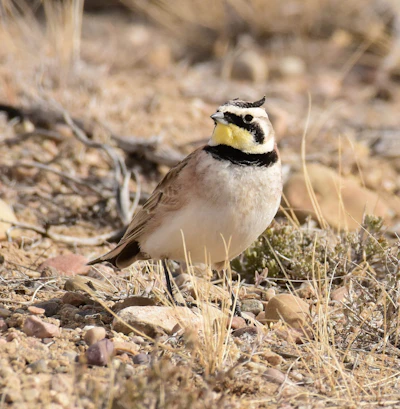 Horned lark With its small “horns” of feather tufts, this cute songbird is often seen flitting over the ground searching for seeds and insects or perched on rocks and logs.
 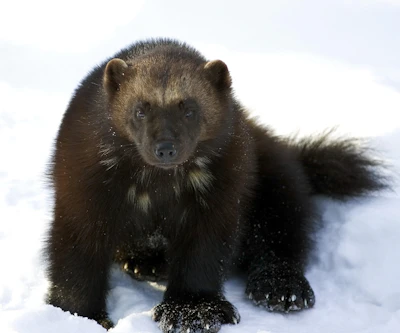 Wolverine This elusive member of the weasel family can weigh up to 40 pounds and stand up to 1.5 feet tall.
  Red fox This small fox, known for its red coat and bushy, white-tipped tail, are mostly nocturnal, hunting for small mammals and birds after nightfall.
 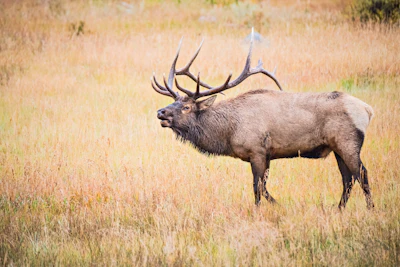 Rocky Mountain elk This majestic animal, the second largest species in the deer family after moose, inhabits the forest’s higher terrain in the summer and moves to its lower-elevation forests in the winter.
 Related Impact
Cultivating Leaders in the Mission Mountains
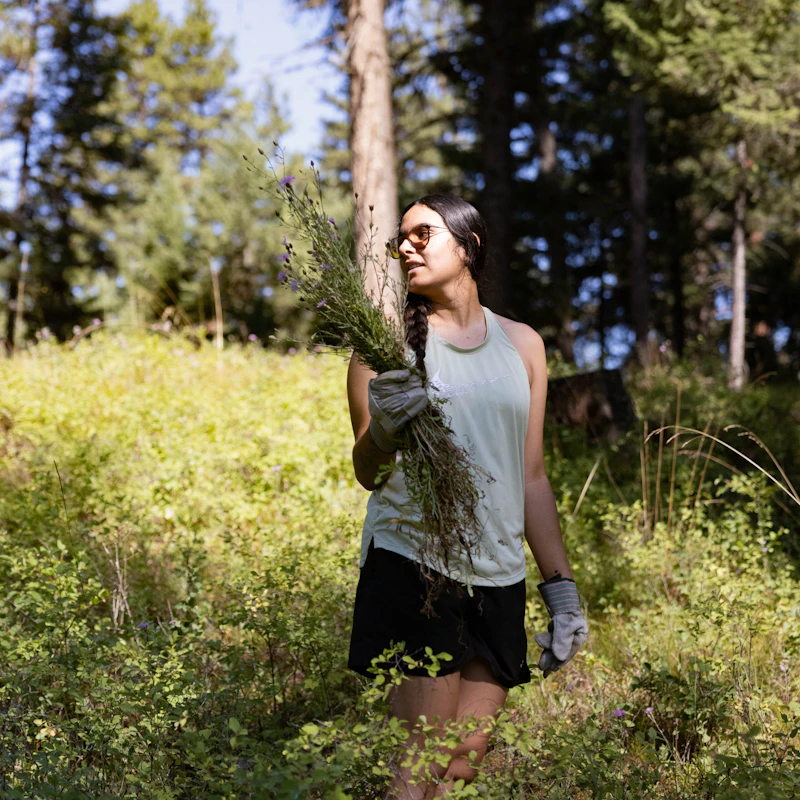
A partnership-driven program connects youth on Montana’s Flathead Reservation with hands-on conservation work, heritage education, and pathways in natural resource careers.
What’s the Best First-Timer’s Adventure in the Sawtooth National Forest
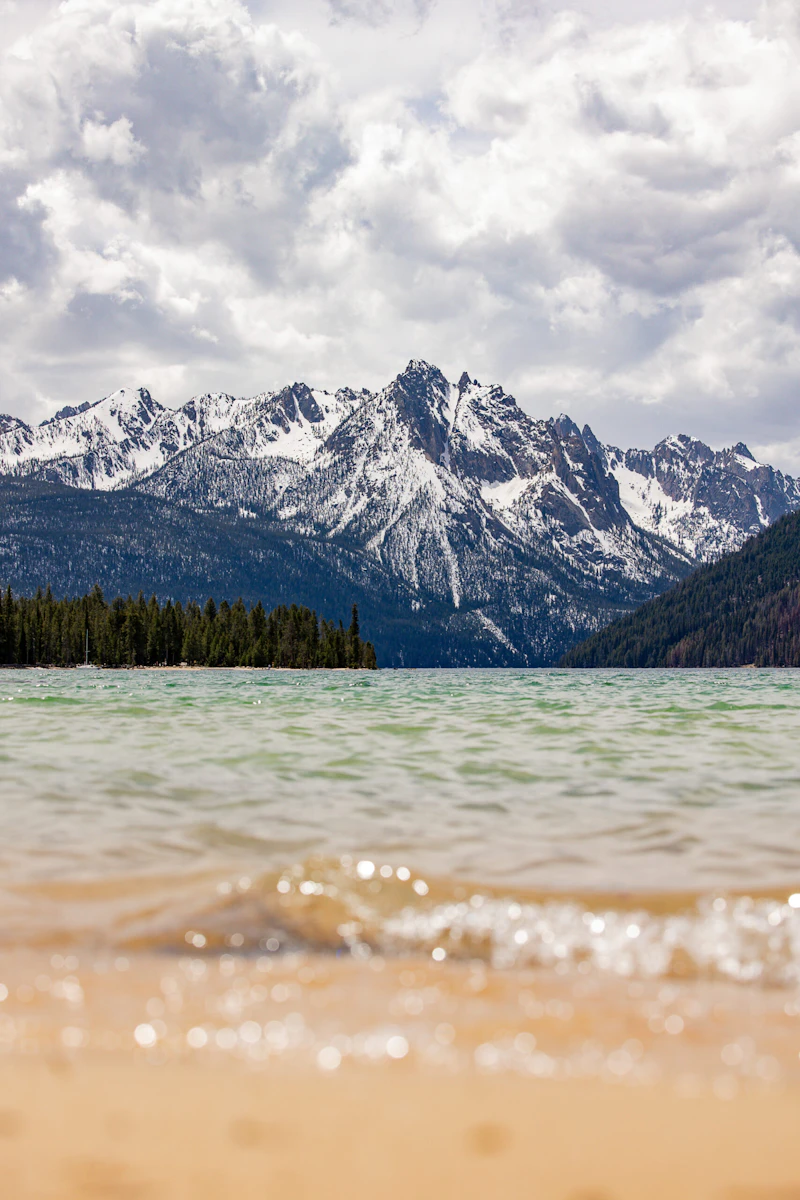
For an experience that offers epic scenery and every kind of activity, head to the Redfish Lake Recreation Complex. Surrounded by dramatic granite peaks, the area features a marina, lodge, campgrounds, beaches, and multiple trailheads that lead to spectacular lakes. Swim, paddleboard, kayak, or take a shuttle boat that takes hikers deeper into the backcountry.
Where to Find More Information on the Sawtooth National Forest
For more information or questions, visit https://www.fs.usda.gov/r04/sawtooth.
Discover how communities, volunteers, and partners are shaping the future of our National Forests and Grasslands.
The National Forest Foundation works with partners across Northern Colorado to restore forests, reduce wildfire risk, and care for the…
After years of damage, recovery, and reconstruction, the trail to Hanging Lake has been fully rebuilt, creating a more durable,…
Erosion and wildfire had left Arizona's historic Highline Trail rutted and unsafe. After five years of work with the Tonto…
Forest restoration near Flagstaff is reducing wildfire risk for local communities and safeguarding the water supply for millions across the…
Colorado's 14ers draw thousands of visitors each year, and the pressure on these fragile alpine landscapes is growing. Here's a…
Visitors of all ages can explore forest trails and sparkling waters, discover wildlife and underwater habitats, and connect with Tahoe’s…
A partnership-driven program connecting youth on Montana’s Flathead Reservation with hands-on conservation work, heritage education, and pathways in natural resource…
Seeing the impact first hand on the Grand Mesa, Uncompaghre and Gunnison National Forests
Seven Years of Reopening Trails After the Eagle Creek Fire
Field Ranger Program Connects Diverse Communities to Forests in Southern California
Our Forests Need Us Today.
Your donation powers critical, on-the-ground conservation—from wildfire recovery to watershed restoration—protecting forests for the future.