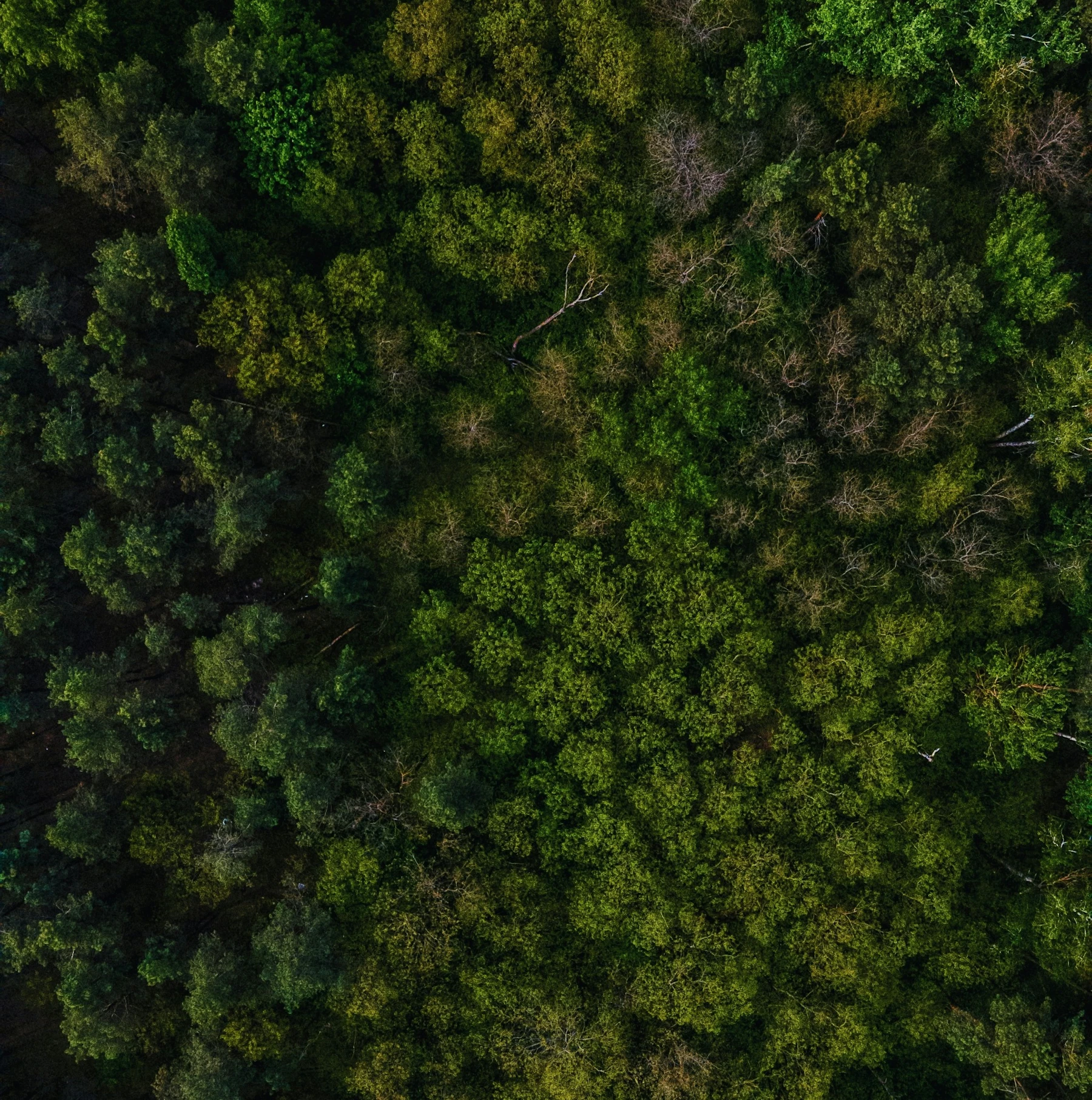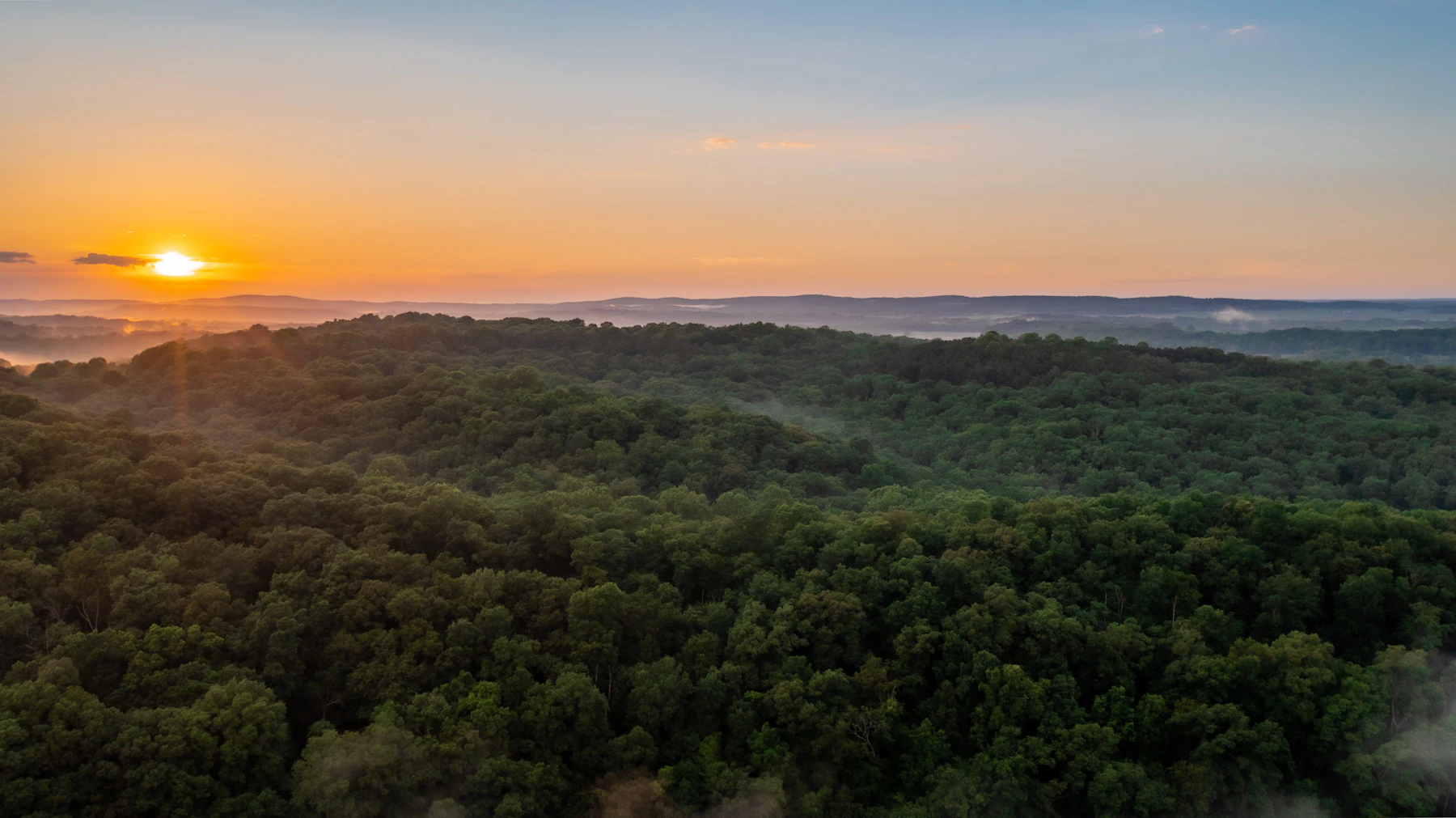
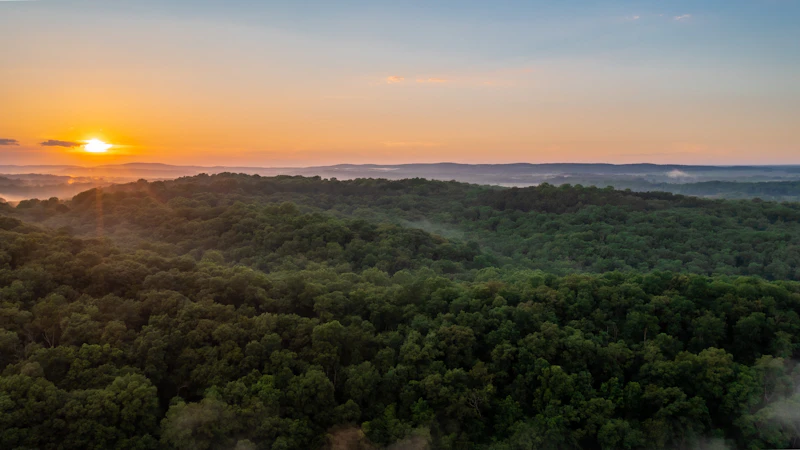
Discover the Shawnee National Forest, nearly 300,000 acres of diverse landscapes between the Ohio and Mississippi Rivers in southern Illinois. The forest is located at the junction of five physiographic regions and at the edge of the glaciated area, which results in a wide diversity of flora and fauna, as well as unique geologic features.
The forest sits at the edge of the Mississippi River Valley and contains unique formations such as the Garden of the Gods Recreation Area, a dramatic landscape of sandstone cliffs, spires, and balanced rock formations. The Shawnee contains seven Wilderness Areas that encompass 30,000 acres,
There are many miles of diverse hiking, backpacking, and biking trails in the Shawnee National Forest, including the 160-mile River to River Trail, which spans the width of the forest. Equestrians will enjoy scenic riding trails and horse camps.
The Shawnee has nearly 150 miles of rivers and streams and more than 200 lakes and ponds covering 5,200 surface acres, offering plenty of kayaking and swimming. These habitats support over 100 species of freshwater fish and mussels, as well as diverse recreational fisheries.
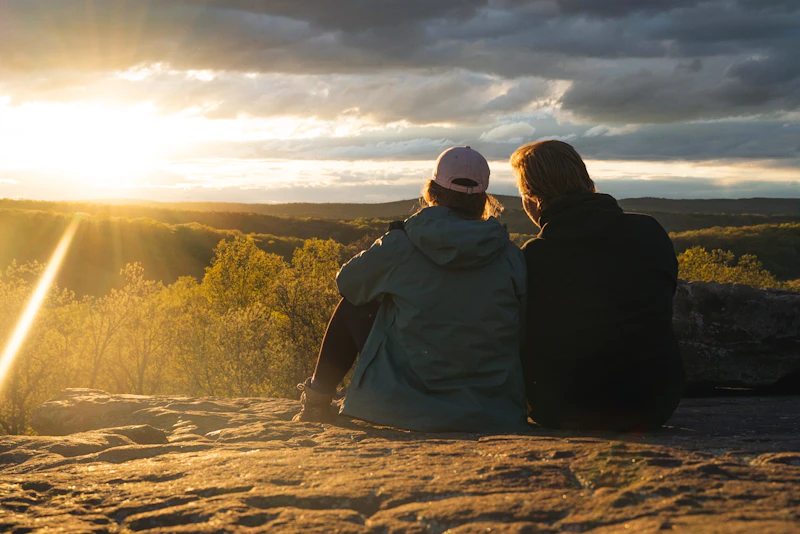 Photo by Colton Evens
 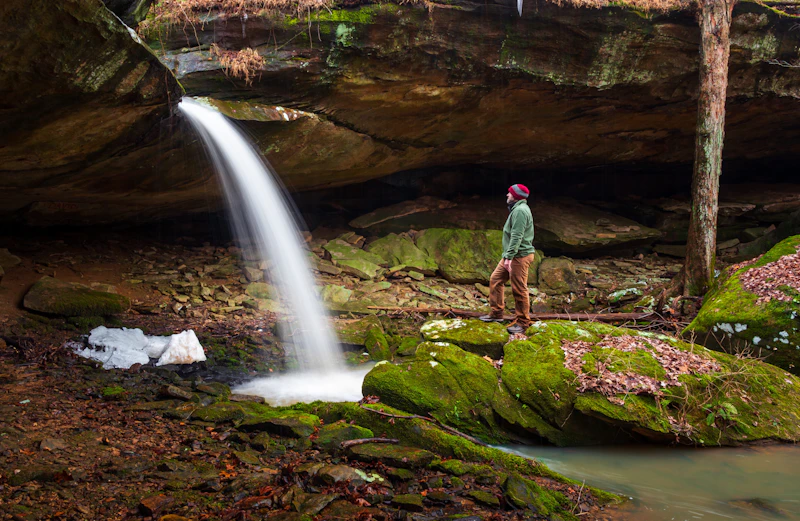 Bulge Hole Ecological Area. Photo by Grant Twiss
 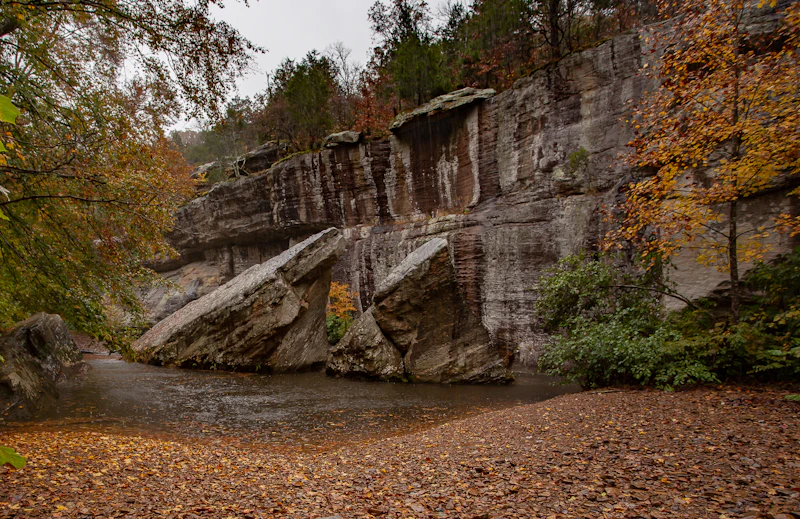 Devils Backbone. Photo by Angie Cox
 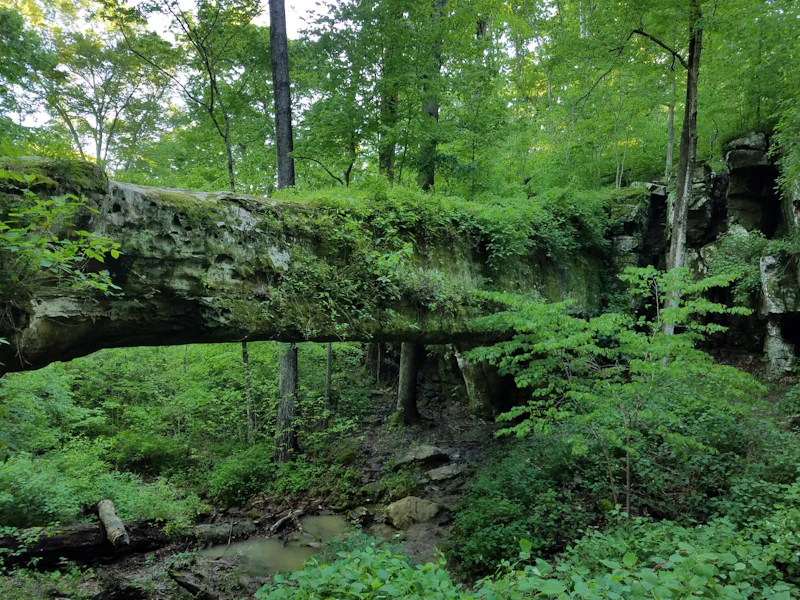 Pomona Bridge. Photo by Lorinda Sorensen
 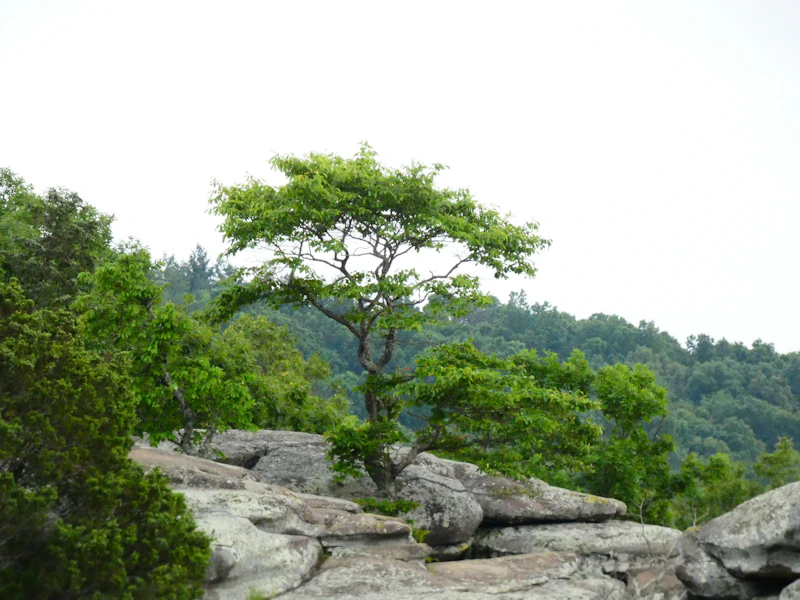 Photo by Jeni Gabrenya
 What is the History of the Shawnee National Forest?
Shawnee National Forest has a rich and complex natural and human history. Before European settlers arrived, Native American tribes, including the Shawnee, Chickasaw, and Cherokee, lived in the area.
During the 1830s, Native Americans who were forcibly removed from their ancestral lands and relocated west passed through this region, on a devastating journey called the Trail of Tears, which is a National Historic Trail.
Between 1800 and 1865, enslaved people used the forested hills and river valleys of southern Illinois as part of the network that supported the Underground Railroad.
By the late 19th century, European settlers extensively logged and farmed the region, leading to soil depletion and deforestation. In response, the government established the Shawnee National Forest in 1939.
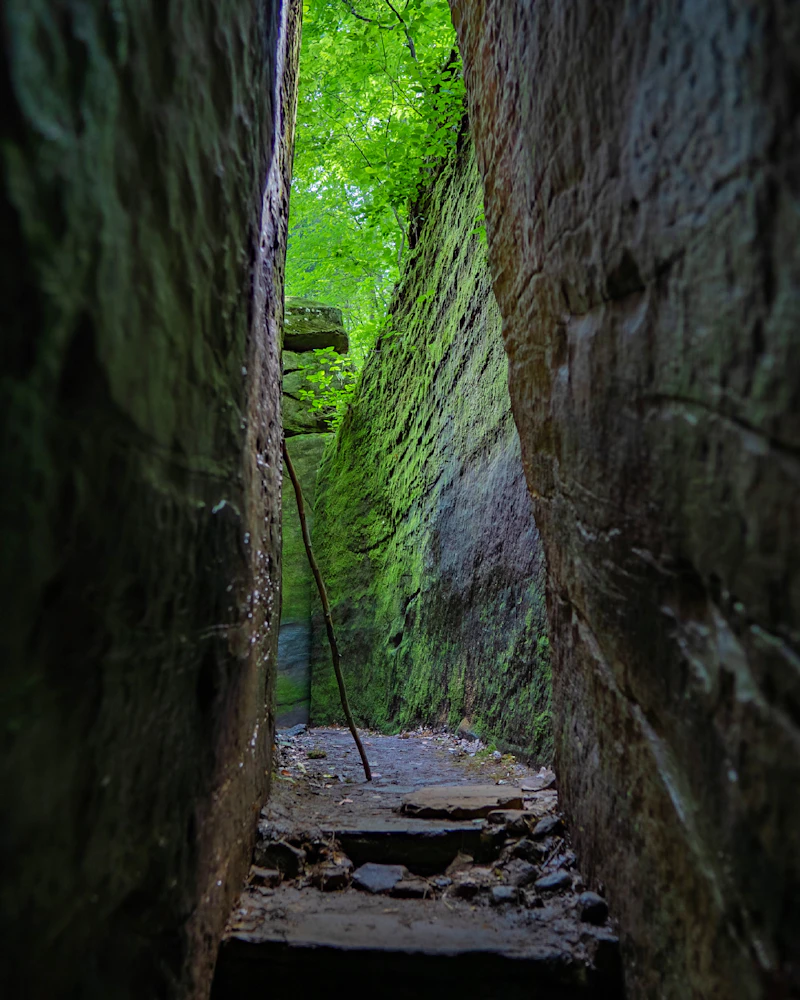
How to Get to the Shawnee National Forest
From the north, Interstate 57 leads to the eastern edges of the forest and nearby towns like Golconda and Metropolis, which serve as gateways. From the west, Interstate 24 connects southern Illinois or nearby Kentucky to the forest, while U.S. Highway 45 and Illinois Route 145 run directly through parts of the forest. Other gateway towns include Harrisburg, Jonesboro, and Vienna, which are located near popular areas like the Garden of the Gods and the River to River Trail.
- Evansville, Indianapolis: 1 to 1.5 hours by car
- St. Louis, Missouri: 1.5 to 2 hours by car
- Nashville, Tennessee: 2.5 to 3 hours by car
- Springfield, Illinois: 3 to 3.5 hours by car
- Louisville, Kentucky: 3 to 3.5 hours by car

The 0.25-mile Observation Trail is a quick and easy jaunt through the unique sandstone rock formations of the Garden of the Gods Recreation Area, featuring signs about the area’s geological history.
In the 1800s, escaping enslaved people used these rugged, wooded landscapes to hide in while traveling north to freedom, aided by local abolitionists. Many of the important sites of the Underground Railroad can be visited today, including Miller Grove, the site of the first free Black community. Two important stops of Miler Grove, now an archaeological site, are Crow Knob and Sand Cave, which reside on the River to River Trail.
This area features an eight-mile network of trails that wind through sandstone bluffs, cascading waterfalls, and crystal-clear pools that turn into swimming holes in the summer. Be sure to stop at Devil’s Backbone and Boulder Falls.
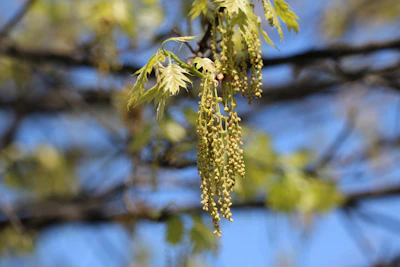 Shumard oak Growing up 100 feet tall, this sturdy tree features a rounded crown and acorns that are an important food source for deer, squirrels, and turkeys.
 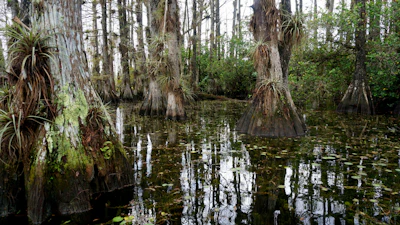 Bald cypress With its flared “knees” and feathery foliage that turns orange in fall, this deciduous tree thrives in swampy wetlands and along slow-moving streams.
 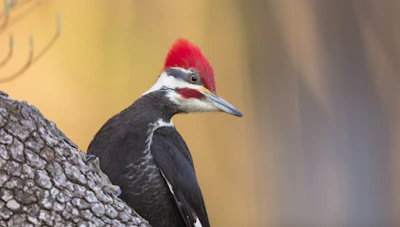 Pileated woodpecker This keystone species—one of the largest of the woodpecker—drills large cavities in decaying trees and feeds on ants, larvae, and other insects.
 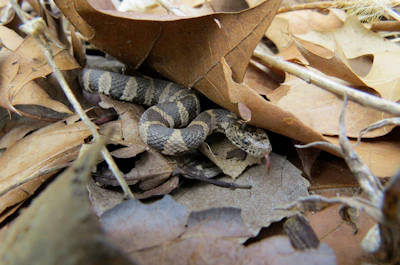 Northern watersnake This harmless, nonvenomous snake, sometimes mistaken for the venomous cottonmouth, can be spotted basking on rocks and logs and swimming in streams.
 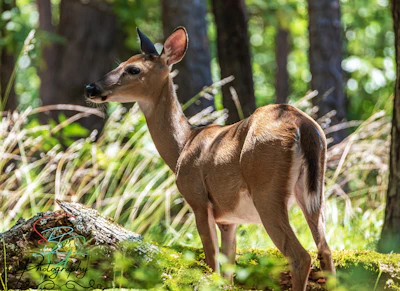 White-tailed deer This deer has a red-brown coat that turns gray in the winter. Bucks, or adult males, grow antlers annually, which they shed after mating season.
 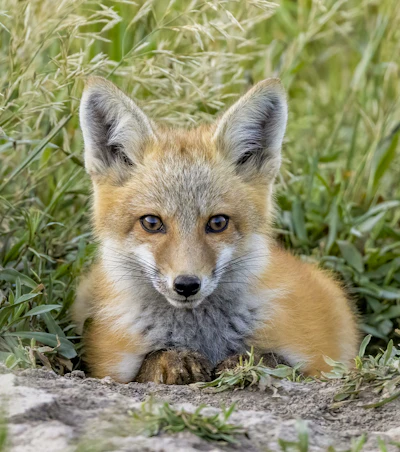 Red fox With a reddish coat, bushy tail, and sharp features, this fox is an opportunistic hunter, feeding on small mammals, birds, insects, and fruits.
 What’s the Best First-Timer’s Adventure in the Shawnee National Forest
Enjoy the sights from your car along the two scenic drives that meander this forest. The Ohio River National Scenic Byway transverses three states, Ohio, Indiana, and Illinois. The Illinois portion is approximately 300 miles and ends at the confluence of the Ohio and Mississippi Rivers in Cairo, Illinois.
Where to Find More Information on the Shawnee National Forest
For more information or questions, visit https://www.fs.usda.gov/r09/shawnee.
Discover how communities, volunteers, and partners are shaping the future of our National Forests and Grasslands.
The National Forest Foundation works with partners across Northern Colorado to restore forests, reduce wildfire risk, and care for the…
After years of damage, recovery, and reconstruction, the trail to Hanging Lake has been fully rebuilt, creating a more durable,…
Erosion and wildfire had left Arizona's historic Highline Trail rutted and unsafe. After five years of work with the Tonto…
Forest restoration near Flagstaff is reducing wildfire risk for local communities and safeguarding the water supply for millions across the…
Colorado's 14ers draw thousands of visitors each year, and the pressure on these fragile alpine landscapes is growing. Here's a…
Visitors of all ages can explore forest trails and sparkling waters, discover wildlife and underwater habitats, and connect with Tahoe’s…
A partnership-driven program connecting youth on Montana’s Flathead Reservation with hands-on conservation work, heritage education, and pathways in natural resource…
Seeing the impact first hand on the Grand Mesa, Uncompaghre and Gunnison National Forests
Seven Years of Reopening Trails After the Eagle Creek Fire
Field Ranger Program Connects Diverse Communities to Forests in Southern California
Our Forests Need Us Today.
Your donation powers critical, on-the-ground conservation—from wildfire recovery to watershed restoration—protecting forests for the future.