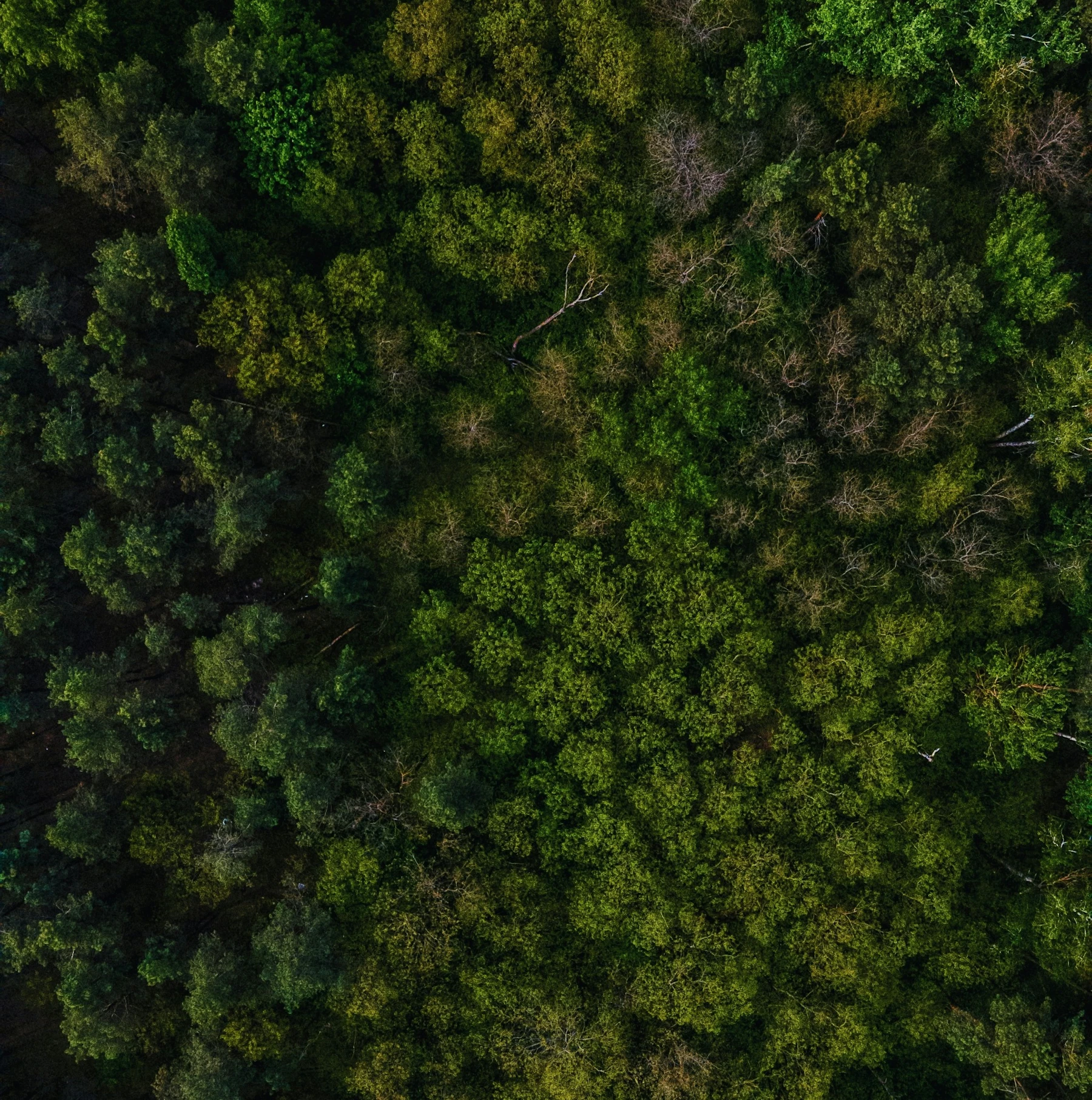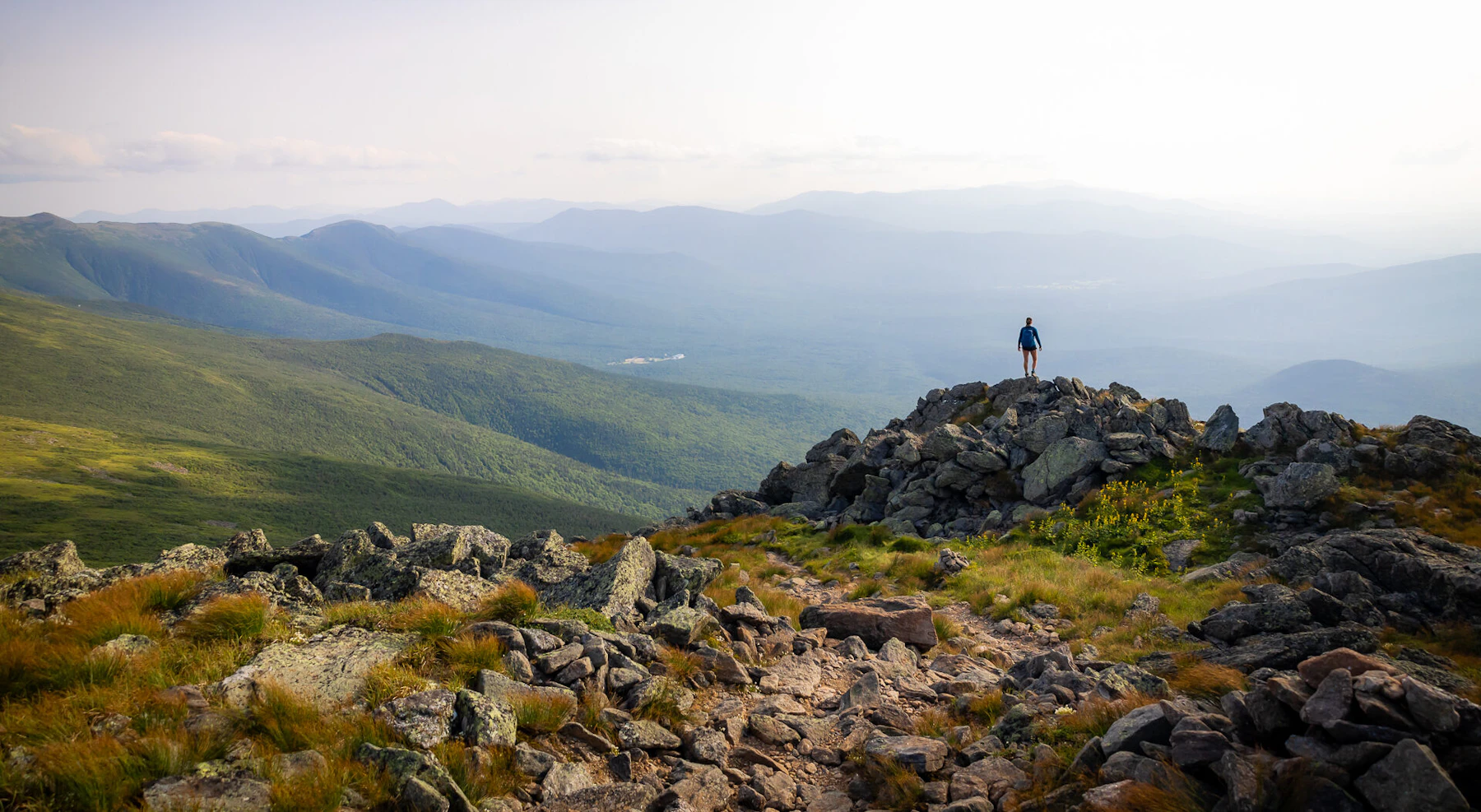
Explore the White Mountain National Forest, more than 800,000 acres of rugged alpine wilderness and rich hardwood forests between New Hampshire and Maine. One of only two National Forests in New England, the White Mountain is truly a unique natural wonder.
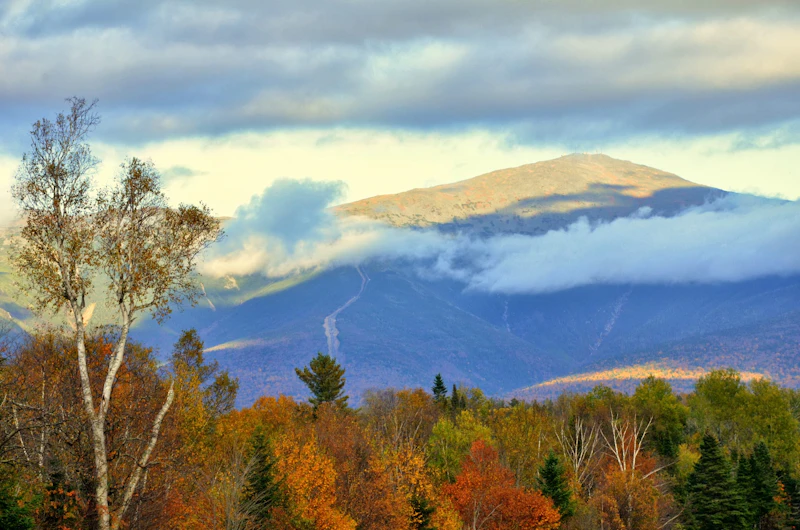
The region is dominated by the White Mountains, a subrange of the northern Appalachians. Among these peaks stands the iconic 6,288-foot Mount Washington, the highest point in the northeastern United States and a summit known for some of the world’s most extreme weather. Although many come to climb its slopes, the mountain is only one highlight in a forest filled with dramatic ridgelines, waterfalls, and scenic notches carved by glaciers.
The White Mountain National Forest is a recreation hotspot for a reason—the Whites are home to the most rugged and challenging terrain in the region. Hikers and backpackers test their endurance on trips that bring them from granite peak to peak, enjoying 1,400 miles of trails, 23 developed campgrounds, and six designated Wilderness Areas.
Much of the forest’s expansive trail network, which includes 160 miles of the Appalachian Trail, also allows mountain biking. The forest also restores vast water sources, with 35 watersheds, more than 4,000 miles of streams, and 12,000 acres of wetlands. This also means plenty of fishing, hunting, and paddling. In the winter, enjoy four alpine ski areas, six ski-touring zones, and 400 miles of snowmobile trails.
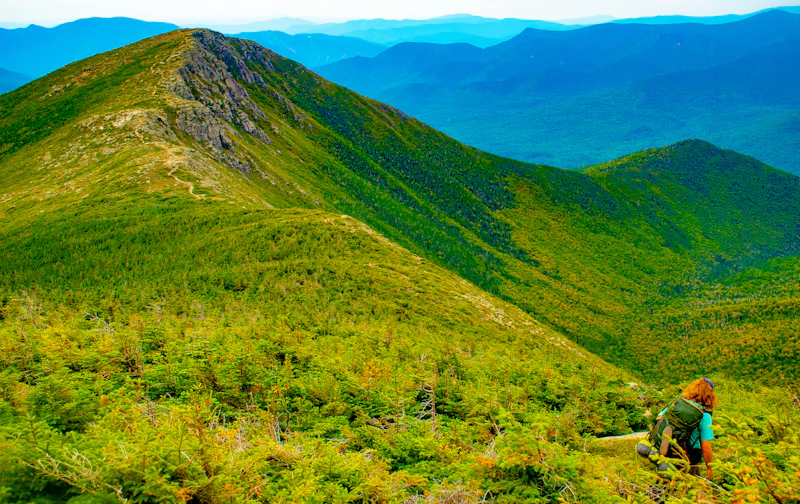 Bondcliff Trail. Photo by Cassandra Kane
  Photo by Jatinkumar Thakkar
 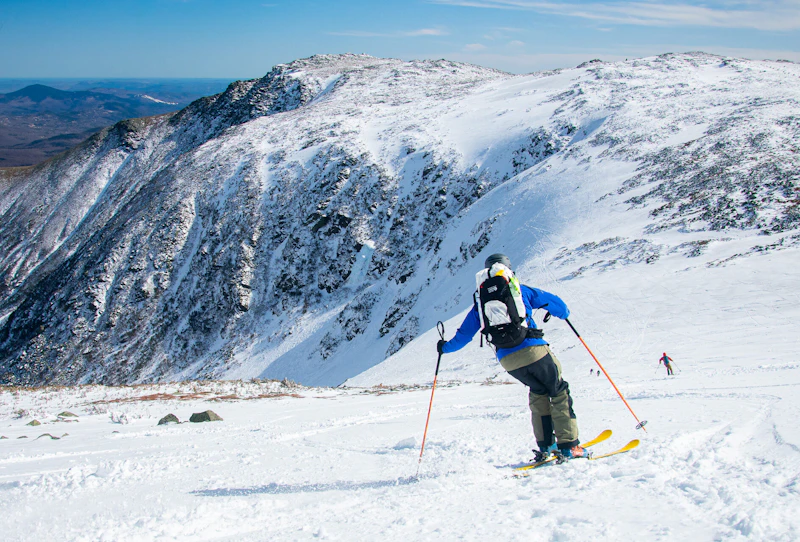 Tuckerman Ravine. Photo by Nick-Lawler
 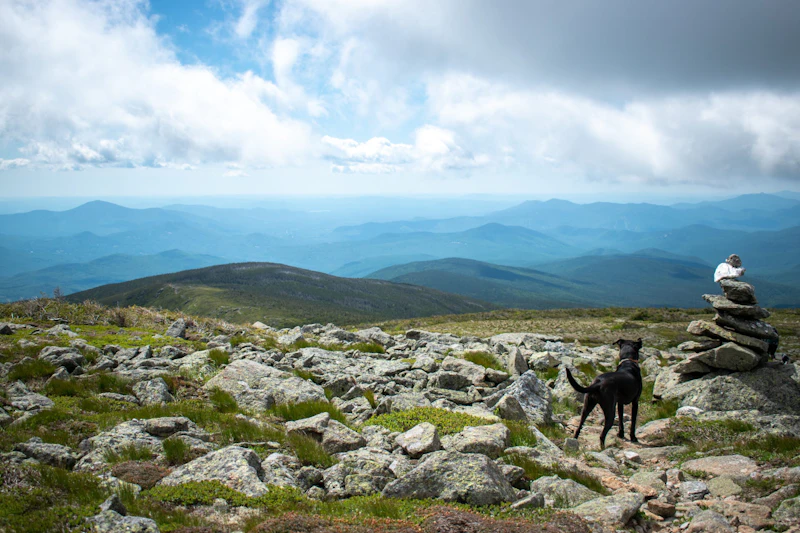 Photo by Danielle Anctil
 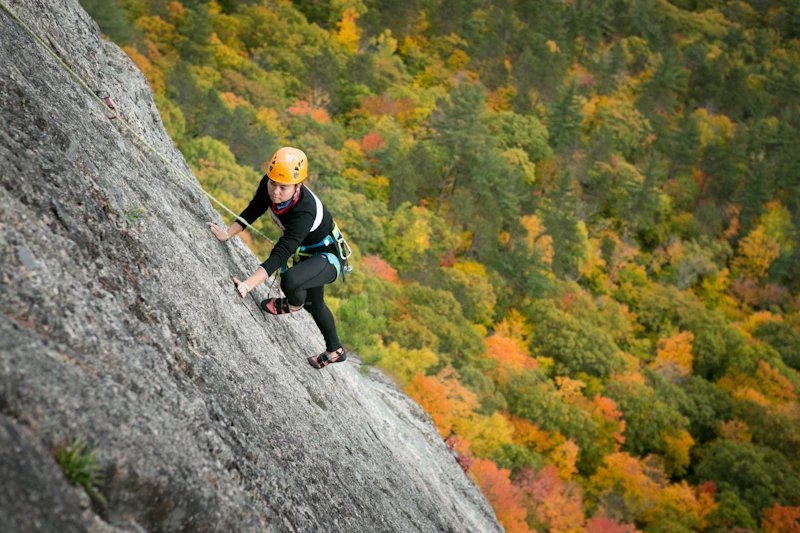 Photo by Corey Fitzgerald Photography
 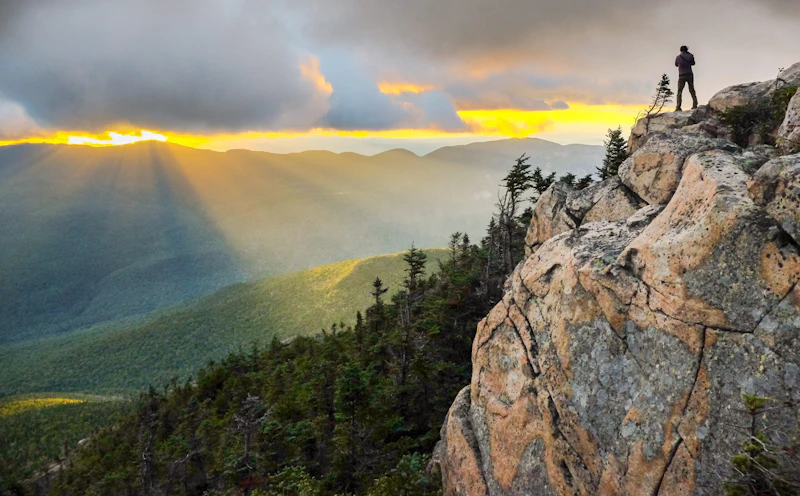 On the summit of Mount Liberty. Photo by Aaron Ibey
 What is the History of the White Mountain National Forest?
The history of the White Mountains follows a path of destruction and recovery, similar to most forests founded under the Weeks Act. The mountains were heavily logged in the late 1800s to provide timber and create pasture land, but the area remained a popular vacation destination.
The cleared lands, erosion, and fire damage brought about by the extensive timber harvest led concerned visitors to begin the discussion that eventually led to the passing of the 1911 Weeks Act. The White Mountain National Forest was established in 1914.
For thousands of years, Indigenous peoples—primarily the Abenaki, a group within the Wabanaki Confederacy—lived throughout the region. Many modern place names, including Kancamagus, trace back to Abenaki leaders and communities.
How to Get to the White Mountain National Forest
Some 70 million people live within a day’s drive of the White Mountain National Forest, which spans the border of New Hampshire and Maine.
From the south, Interstate 93 leads directly through the heart of the White Mountains, entering the forest near Lincoln and Franconia Notch. This corridor is ideal for reaching popular areas such as the Kancamagus Highway, Franconia Ridge, and the Pemigewasset Wilderness. From the west and north, U.S. Route 3 or Interstate 91 connects the towns of Littleton or Gorham to the forest.
From the east, U.S. Route 302 and New Hampshire Route 16 provide access from Maine and the coast. Route 16 runs through North Conway, one of the most visited gateway towns, and leads to destinations like Pinkham Notch, Mount Washington, and the Carter Range. Route 302 passes through Bartlett and Bretton Woods.
- Manchester, New Hampshire: 1 to 1.5 hours by car
- Portland, Maine: 1.5 to 2 hours by car
- Boston, Massachusetts: 2 to 2.5 hours by car
- Burlington, Vermont: 2 to 2.5 hours by car
- Albany, New York: 3 to 3.5 hours by car

One of the most iconic alpine hikes in the Northeast, this 8.5-mile loop traces Mount Lafayette, Lincoln, and Little Haystack along an exposed ridgeline with sweeping views. It’s challenging but unforgettable, especially on clear days when you can see the Presidential Range.
To experience one of the world’s most extreme weather stations up close, head to this 6,288-foot observatory. It hosts educational exhibits, real-time weather demonstrations, and guided tours that explain how meteorologists study the mountain’s intense conditions. Reach the summit by hiking, driving, or riding the historic Cog Railway.
New Hampshire’s largest wilderness area offers deep solitude, wildlife, river crossings, and classic routes like the 24-mile Bondcliff Trail, famous for dramatic ledges and sweeping views. In addition to dispersed camping, there are a number of shelters that cater to backpackers.
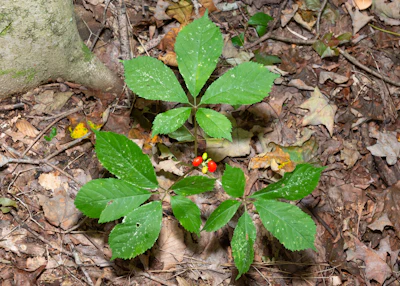 American ginseng A native woodland plant valued for its medicinal properties, this species is considered rare and vulnerable due to overharvesting and habitat loss. In the summer, it produces greenish-white flowers that later develop into bright red berries.
  Beech Known for its smooth, gray bark and sturdy presence, this tree often forms dense stands that glow golden in the fall.
  Golden eagle This powerful raptor has dark brown plumage, long wings, and subtle golden sheen on the back of its head and neck.
 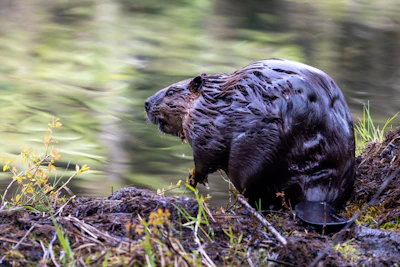 Beaver This keystone species constructs dams that slow water flow, create habitat for other wildlife, and reduce erosion.
 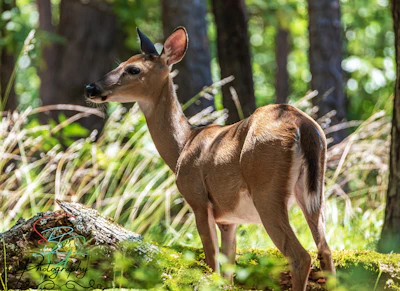 White-tailed deer With a red-brown coat that turns gray in the winter, these deer are frequently spotted throughout the forest. Bucks, or adult males, grow antlers annually, which they shed after mating season.
 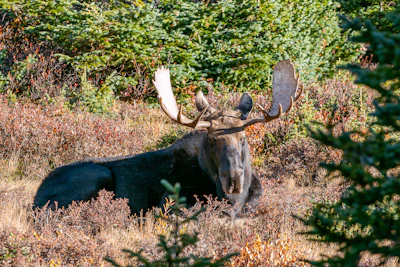 Moose Growing up to six feet tall and weighing up to 1,600 pounds makes this herbivore easy to spot, especially near lakes and rivers.
 What’s the Best First-Timer’s Adventure in the White Mountain National Forest
Visit New England’s tallest and most breathtaking waterfall, 160-foot-high Arethusa Falls. A three-mile out-and-back hike from Crawford Notch and winds through a lush forest of hardwoods and evergreens before gradually climbing toward the waterfall.

Where to Find More Information on the White Mountain National Forest
For more information or questions, visit https://www.fs.usda.gov/r09/whitemountain.
Discover how communities, volunteers, and partners are shaping the future of our National Forests and Grasslands.
The National Forest Foundation works with partners across Northern Colorado to restore forests, reduce wildfire risk, and care for the…
After years of damage, recovery, and reconstruction, the trail to Hanging Lake has been fully rebuilt, creating a more durable,…
Erosion and wildfire had left Arizona's historic Highline Trail rutted and unsafe. After five years of work with the Tonto…
Forest restoration near Flagstaff is reducing wildfire risk for local communities and safeguarding the water supply for millions across the…
Colorado's 14ers draw thousands of visitors each year, and the pressure on these fragile alpine landscapes is growing. Here's a…
Visitors of all ages can explore forest trails and sparkling waters, discover wildlife and underwater habitats, and connect with Tahoe’s…
A partnership-driven program connecting youth on Montana’s Flathead Reservation with hands-on conservation work, heritage education, and pathways in natural resource…
Seeing the impact first hand on the Grand Mesa, Uncompaghre and Gunnison National Forests
Seven Years of Reopening Trails After the Eagle Creek Fire
Field Ranger Program Connects Diverse Communities to Forests in Southern California
Our Forests Need Us Today.
Your donation powers critical, on-the-ground conservation—from wildfire recovery to watershed restoration—protecting forests for the future.