Experience the Lincoln National Forest, 1.1 million acres in southeastern New Mexico where the Chihuahua desert meets the majestic mountain ranges of Sacramento, Guadalupe, and Capitan. The forest is known as the birthplace of the world-famous Smokey Bear, the living symbol of the campaign to prevent forest fires. The original bear is buried in Capitan, New Mexico.
The Lincoln hosts two Wilderness Areas, Capitan and White Mountain, both on the Smokey Bear Ranger District. The Capitan has many large rock outcropping, including 10-083-foot Capitan Peak, the area’s highest point.
Pristine waters can be found within the White Mountain Wilderness Area, which flow below majestic 12,003-foot Sierra Blanca Peak. The spring-fed streams of the Southern Sacramento Mountains present quality waters and fishing experiences for the serious angler.
The Lincoln provides dispersed camping as well as access to many developed camping areas. The trails on the Lincoln vary from easy afternoon walks to challenging treks, and are available for hiking, mountain biking, off-roading, and horseback riding.
From cross country skiing to downhill developed ski areas and resorts, the Lincoln provides skiing access many months of the year. Ski Apache, a downhill ski resort operated by the Mescalero Apache Tribe, has a base elevation of 9,700 feet, while Ski Cloudcroft, another downhill area, elevations range from 8,500 to 9,500 feet.
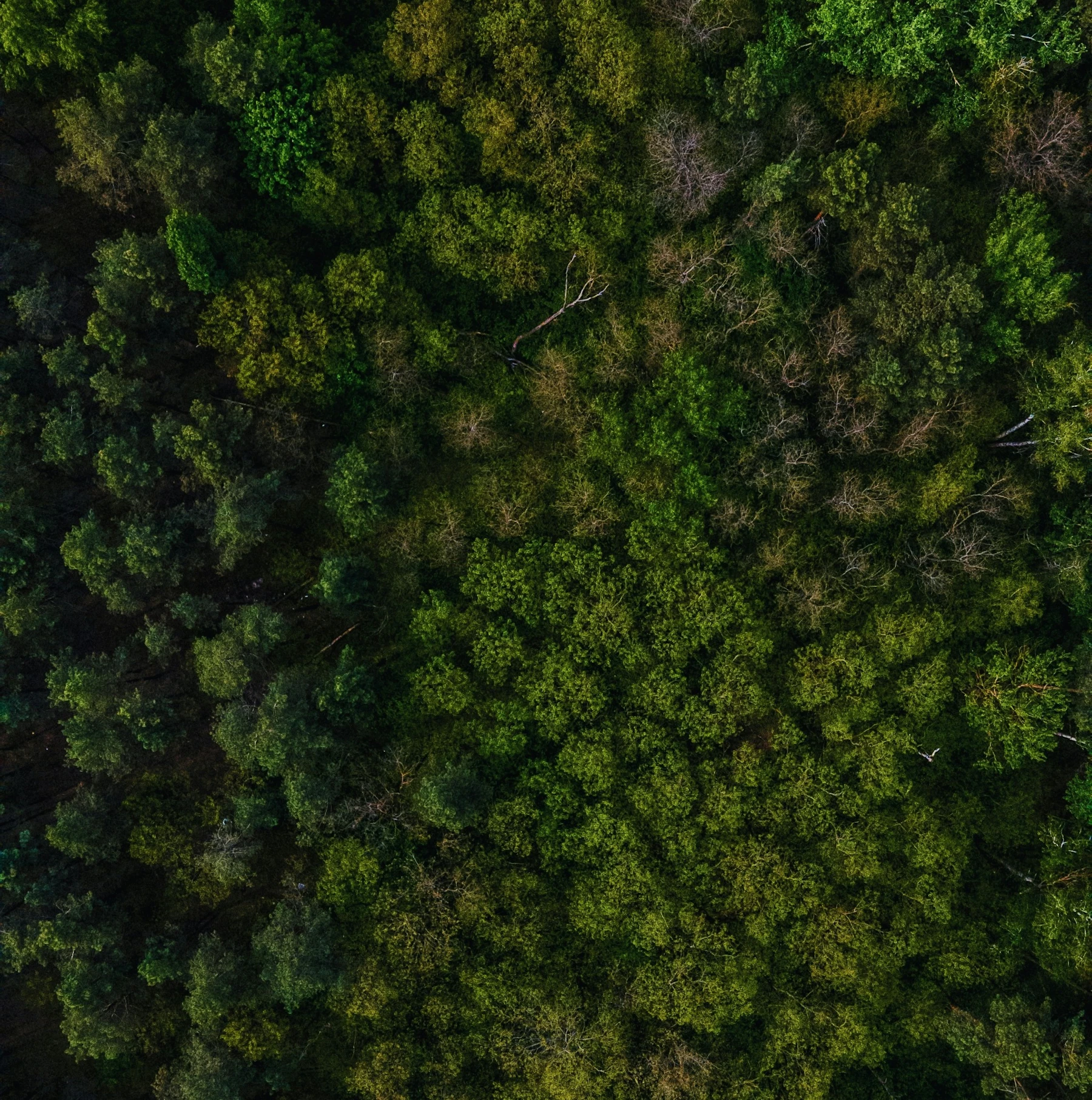
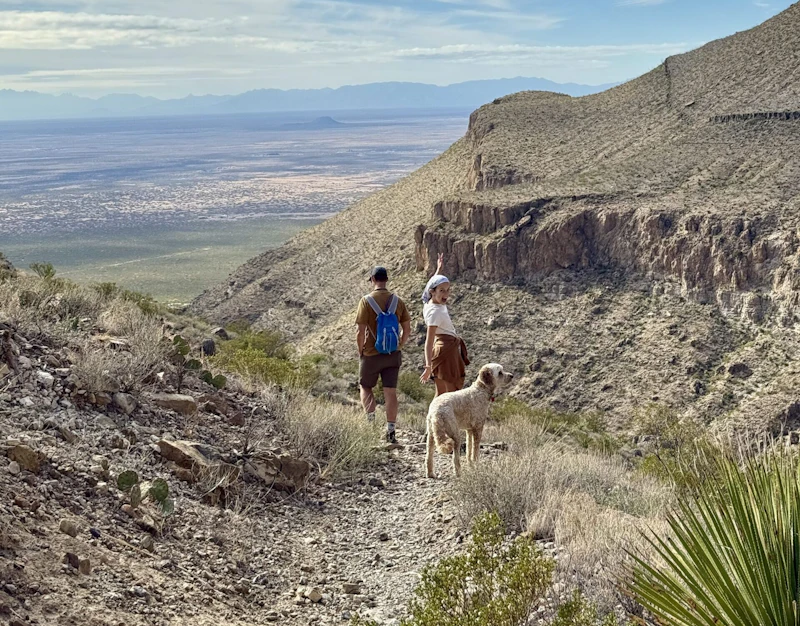
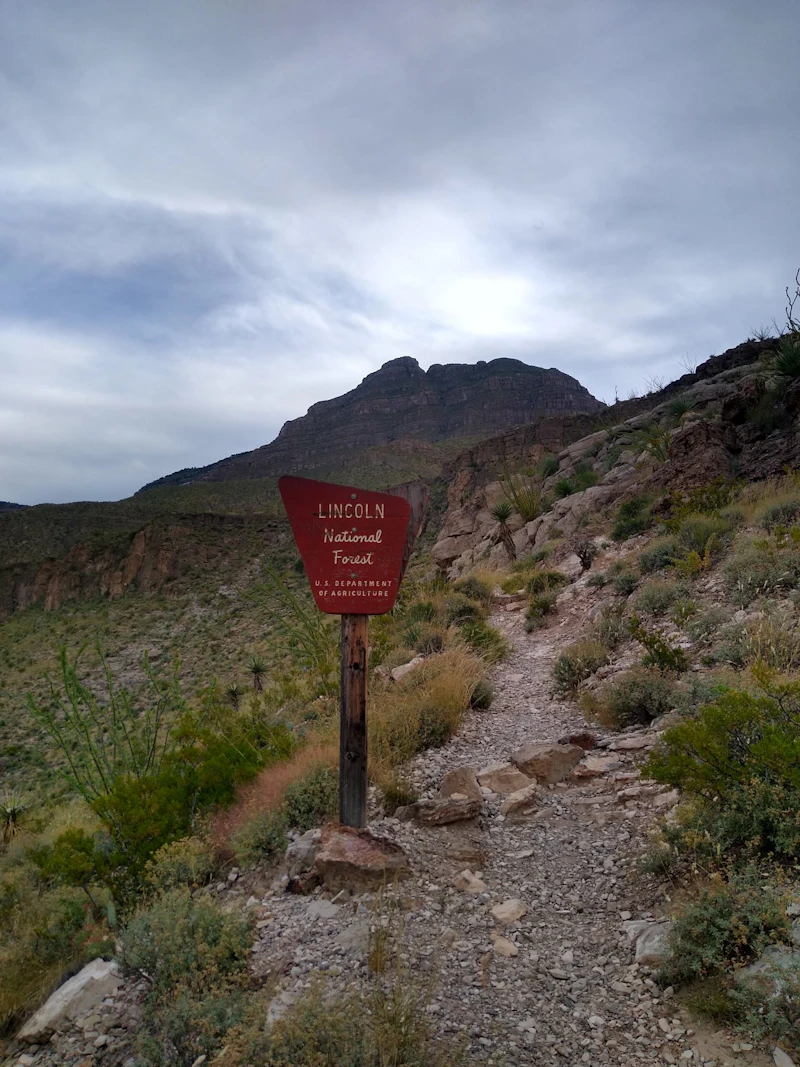 Dog Canyon. Photo by Pete Aniello
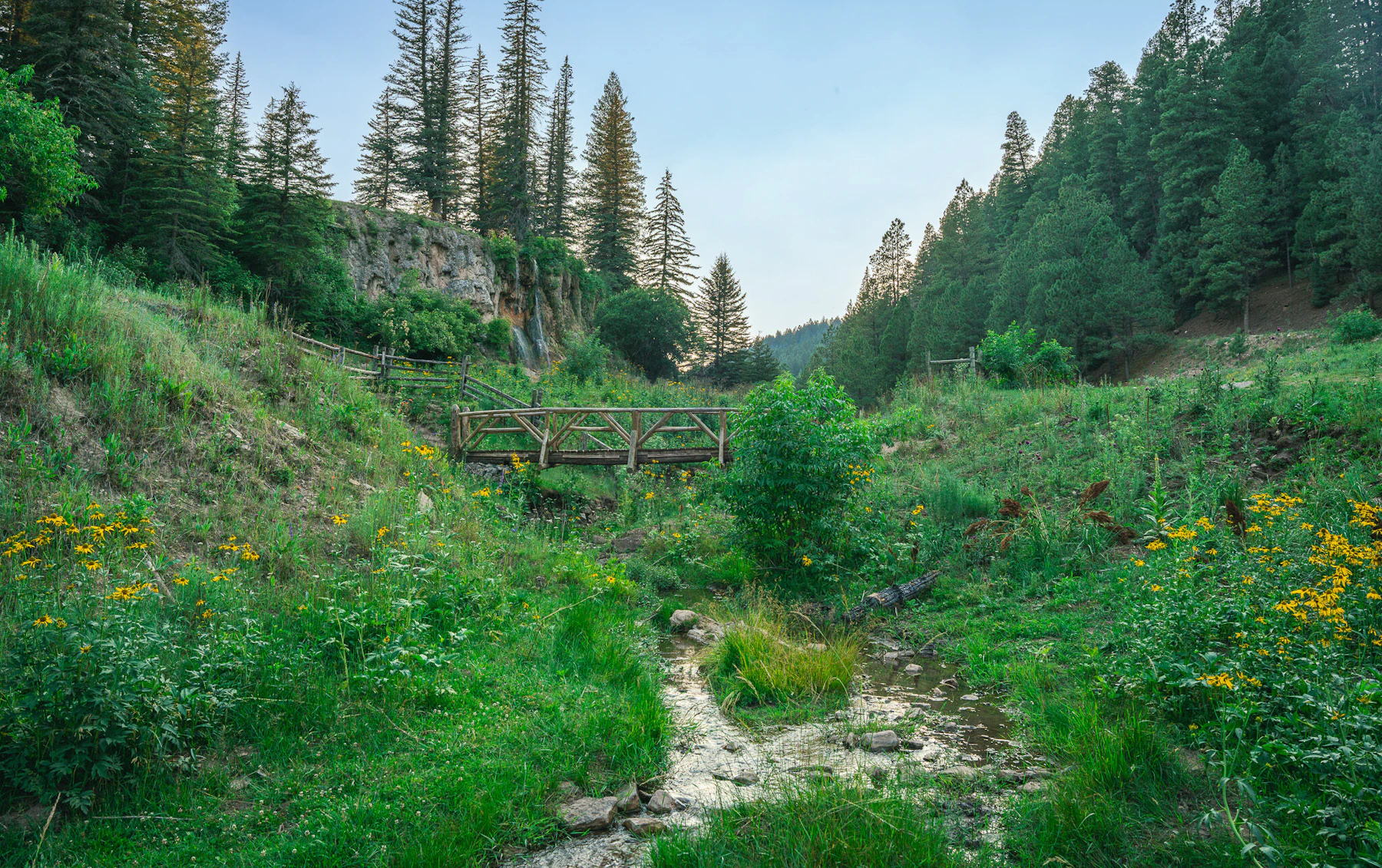
 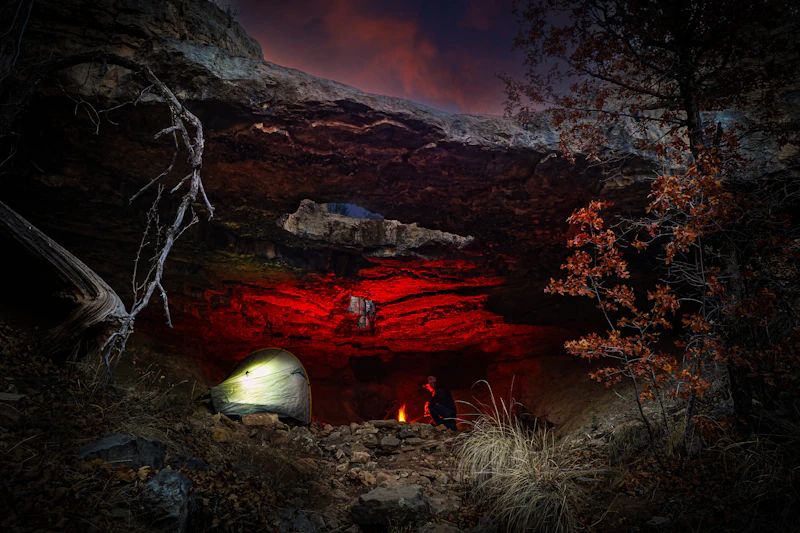 Photo by Bobby Moberly
 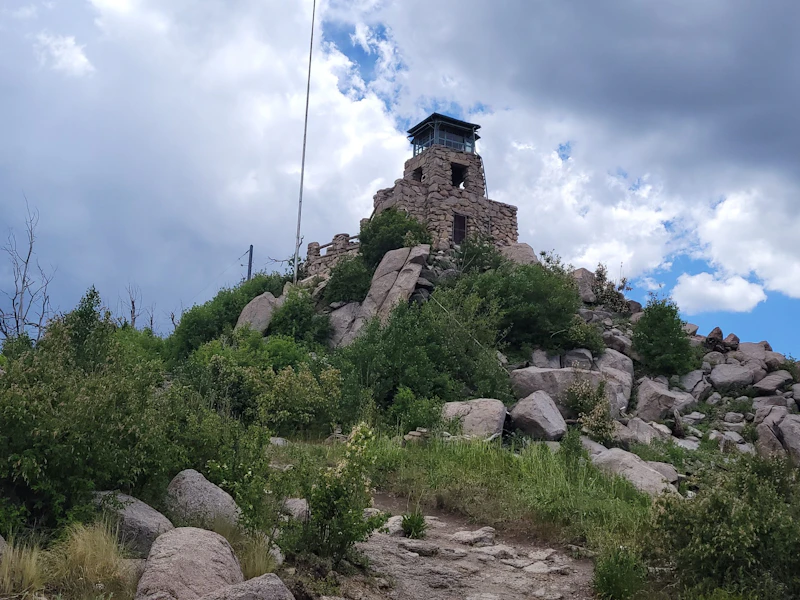 Photo by Darlene Hart
 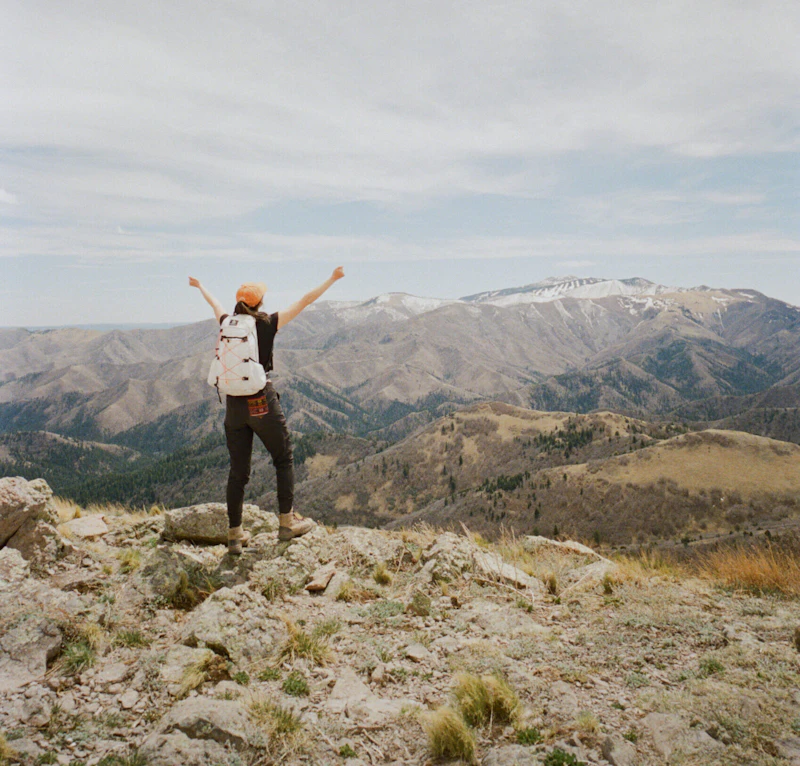 Photo by Jonathan Yales
 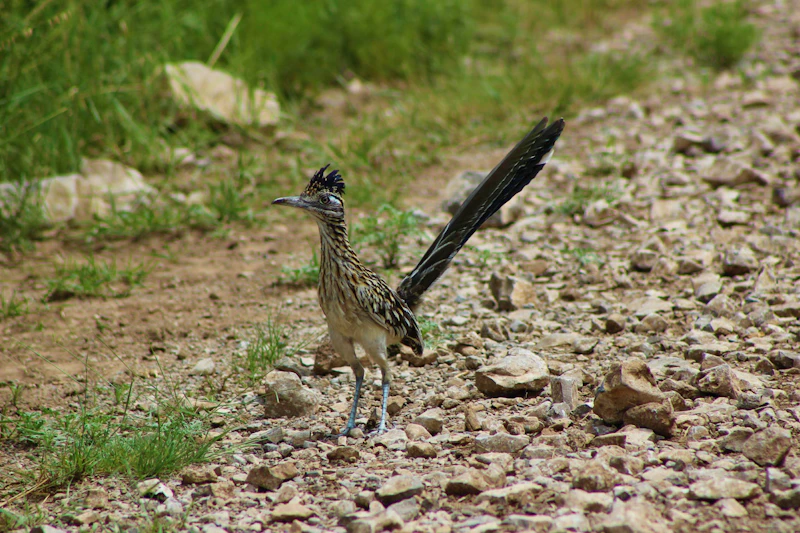 Roadrunner. Photo by Janis Huelsman
 What is the History of the Lincoln National Forest?
The Mescalero Apache Tribe has long-standing historical and spiritual ties to these lands. The forest contains archaeological sites, including ancient rock art, pueblos, and artifacts that reflect thousands of years of human habitation.
European settlers arrived in the region in the 16th and 17th centuries, bringing ranching, mining, and logging that gradually altered the environment. The area was originally established as the Sacramento National Forest in 1902. It was later renamed Lincoln National Forest in honor of President Abraham Lincoln.
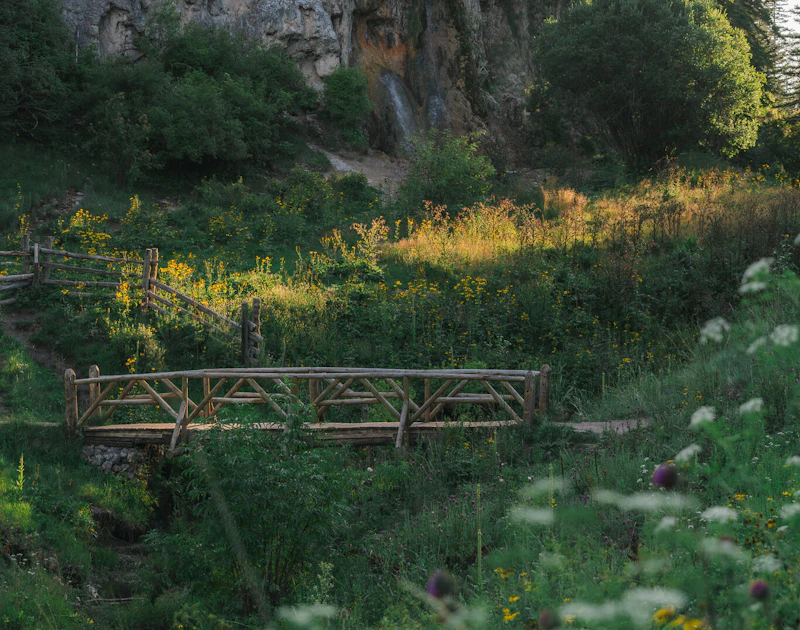
How to Get to the Lincoln National Forest
From the capital of Albuquerque or points north, Interstate 25 takes visitors to Highway 70, which runs east-west through the northern forest boundary, where the towns Carrizozo and Ruidoso serve as primary gateways.
From the west, visitors from Las Cruces or El Paso, Texas, can also use Highway 70, connecting to forest roads leading into the Sacramento Mountains. For access to the southern portions of the forest, including the Guadalupe Mountains area, travelers can use Highway 82 from the gateway hub of Cloudcroft.
- Las Cruces, New Mexico: 2 to 2.5 hours by car
- El Paso, Texas: 2.5 hours by car
- Albuquerque, New Mexico: 4 to 4.5 hours by car
- Santa Fe, New Mexico: 4.5 hours by car

This recreation area feels like an oasis in the middle of the desert, home to a spectacular waterfall that cascades 150 feet over fossil-rich limestone, part of the vast Capitan Reef, a 250-million-year-old ancient coral reef system. It also features a stunning natural cave.
This easy 2.5-mile trail passes through fragrant fir and pine forest, with views into the Tularosa Basin and toward White Sands National Park.
This resort on the slopes of Sierra Blanca Peak, operated by the by the Mescalero Apache Tribe, offers incredible skiing, with a vertical drop of 1,900 feet, 750 acres of skiable terrain, 55 trails with varied difficulty, and 180 inches of average snowfall a year.
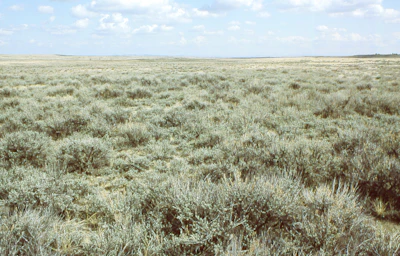 Sagebrush This hardy shrub thrives in volcanic soils and open meadows, providing critical habitat and food for wildlife such as mule deer, pronghorn, sage-grouse, and small mammals.
 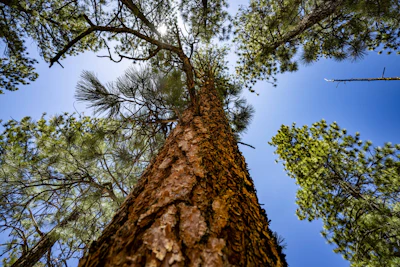 Ponderosa pine One of the most dominant trees in the Lincoln, it inhabits elevations between 6,500 and 8,000 feet and is known for vanilla-scented bark and large cones.
 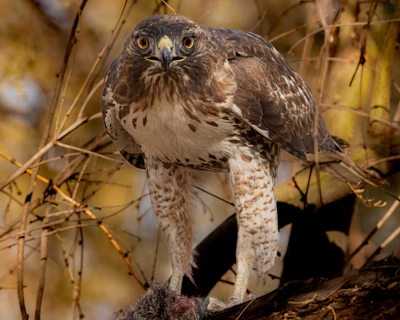 Red-tailed hawk With broad wings and a reddish-tail from which its name derives, this raptor is regularly spotted in open woodlands and along ridgelines.
 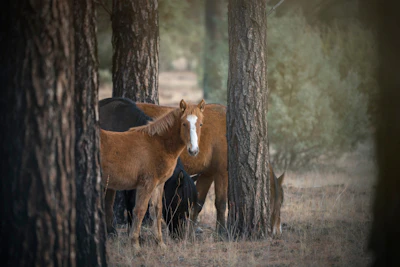 Wild horse While a striking sight, the bands of wild horses in the Lincoln are not a native species, believed to have originated from domestic stock and thereby posing an ecological issue.
 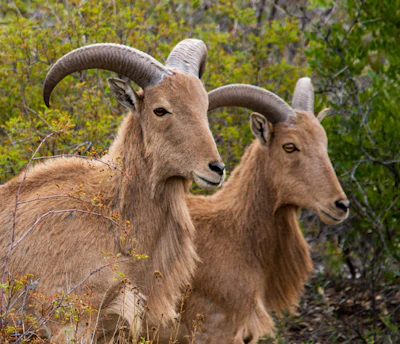 Barbary sheep Also called aoudad, this non-native species recognized by curved horns and sandy-brown coasts was introduced in the Southwest from North Africa for big-game hunting.
 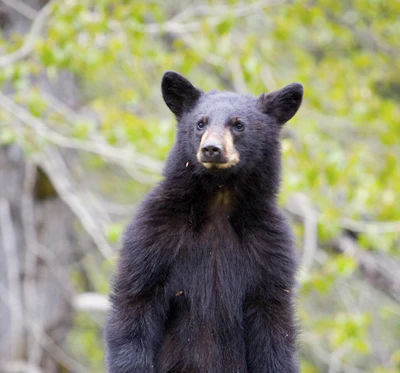 Black bear This medium-sized bear resides in the dense forests and open meadows of the forest, foraging for berries, insects, and small animals.
 What’s the Best First-Timer’s Adventure in the Lincoln National Forest
Bike the Sunspot Scenic Byway, which winds 16 miles through the Lincoln National Forest, from the village of Cloudcroft, through dense pine-fir forest, and climbing to the Sacramento Mountains. Stop at the Haynes canyon Vista for a view over the Tularosa Basin and White Sands National Park.
Where to Find More Information on the Lincoln National Forest
For more information or questions, visit https://www.fs.usda.gov/r03/lincoln
Discover how communities, volunteers, and partners are shaping the future of our National Forests and Grasslands.
The National Forest Foundation works with partners across Northern Colorado to restore forests, reduce wildfire risk, and care for the…
After years of damage, recovery, and reconstruction, the trail to Hanging Lake has been fully rebuilt, creating a more durable,…
Erosion and wildfire had left Arizona's historic Highline Trail rutted and unsafe. After five years of work with the Tonto…
Forest restoration near Flagstaff is reducing wildfire risk for local communities and safeguarding the water supply for millions across the…
Colorado's 14ers draw thousands of visitors each year, and the pressure on these fragile alpine landscapes is growing. Here's a…
Visitors of all ages can explore forest trails and sparkling waters, discover wildlife and underwater habitats, and connect with Tahoe’s…
A partnership-driven program connecting youth on Montana’s Flathead Reservation with hands-on conservation work, heritage education, and pathways in natural resource…
Seeing the impact first hand on the Grand Mesa, Uncompaghre and Gunnison National Forests
Seven Years of Reopening Trails After the Eagle Creek Fire
Field Ranger Program Connects Diverse Communities to Forests in Southern California
Our Forests Need Us Today.
Your donation powers critical, on-the-ground conservation—from wildfire recovery to watershed restoration—protecting forests for the future.