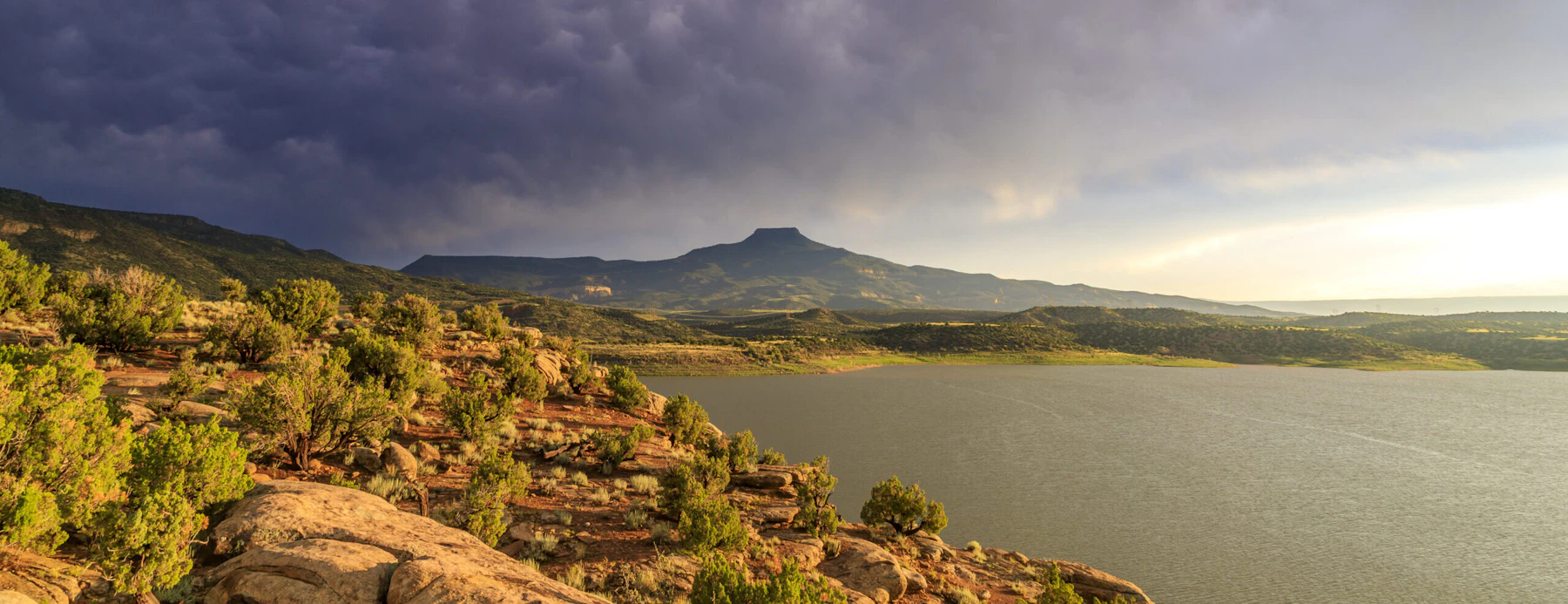
Discover the Santa Fe National Forest, 1.6 million acres of high-desert mesas and snow-capped peaks in northern New Mexico. Deep and narrow canyons, broad ridges, and rugged peaks characterize the Sangre de Cristo Mountains, which run through the forest.
Colorful volcanic formations can also be found, including a dormant volcano with a 15-mile-wide crater in the Valles Caldera National Preserve, formed by a massive eruption nearly 1.25 million years ago. Three Wild and Scenic Rivers run through the Santa Fe National Forest, including the upper reaches of the mighty Rio Grande.
The forest contains four Wilderness Areas: Pecos, Dome, Chama River Canyon, and San Pedro Parks. The highest point in the forest is the summit of 13,103-foot Truchas Peak, the second tallest mountain in New Mexico.
Hundreds of miles of trails that traverse every kind of terrain attract hikers, mountain bikers, and horseback riders. This includes one national scenic trail, three national historic trails, and two national recreation trails.
Some 20 fish-filled lakes and nearly a thousand miles of streams offer great paddling and world-class fishing, including rainbow trout, brown trout, and the Rio Grande cutthroat trout, New Mexico’s state fish. There’s also some of the best big-game hunting in the region.
In the winter, go cross-country skiing, or visit one of the area’s downhill ski resorts, including the Santa Fe Ski Basin or the Pajarito Mountain Ski Area.
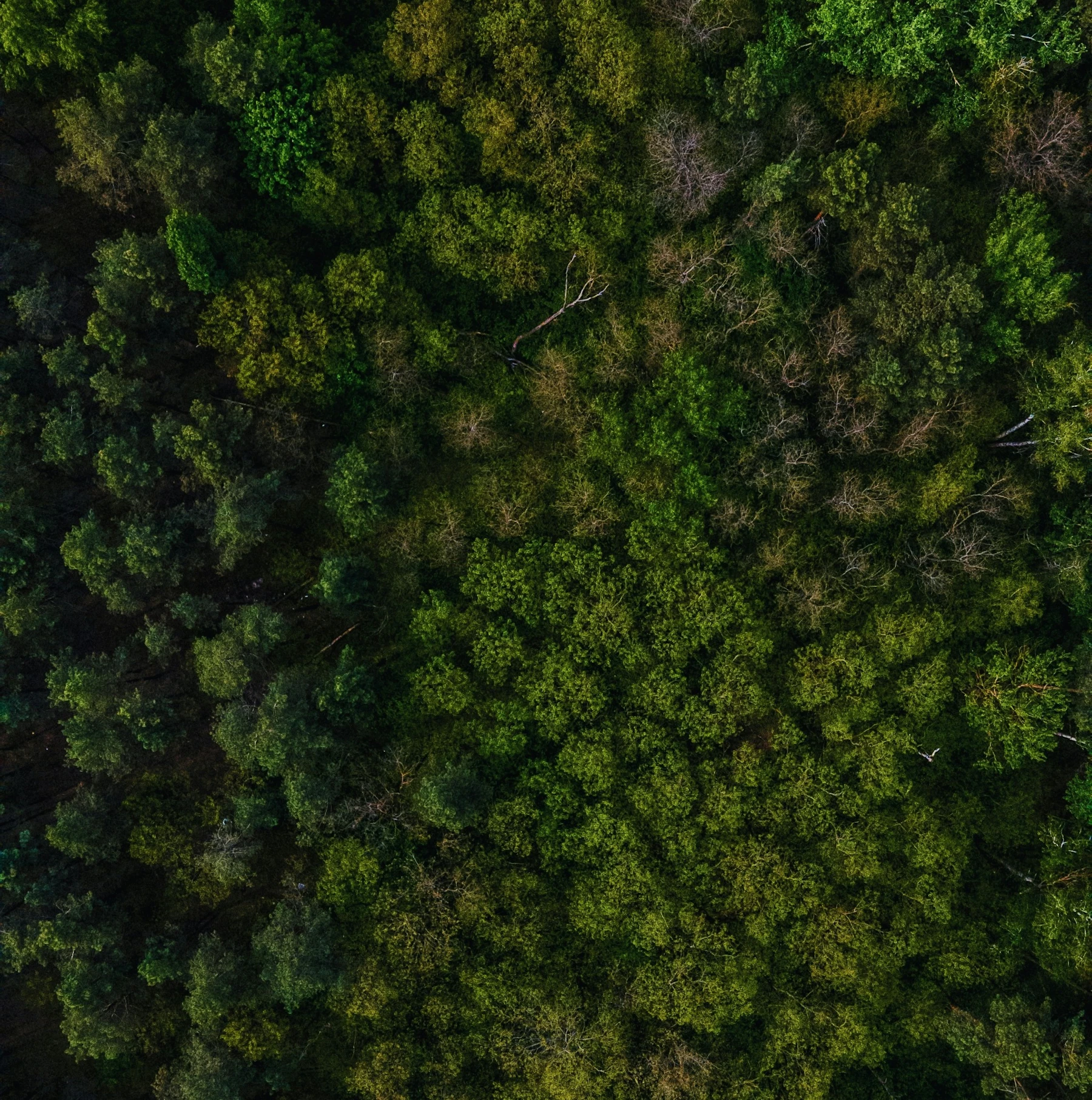
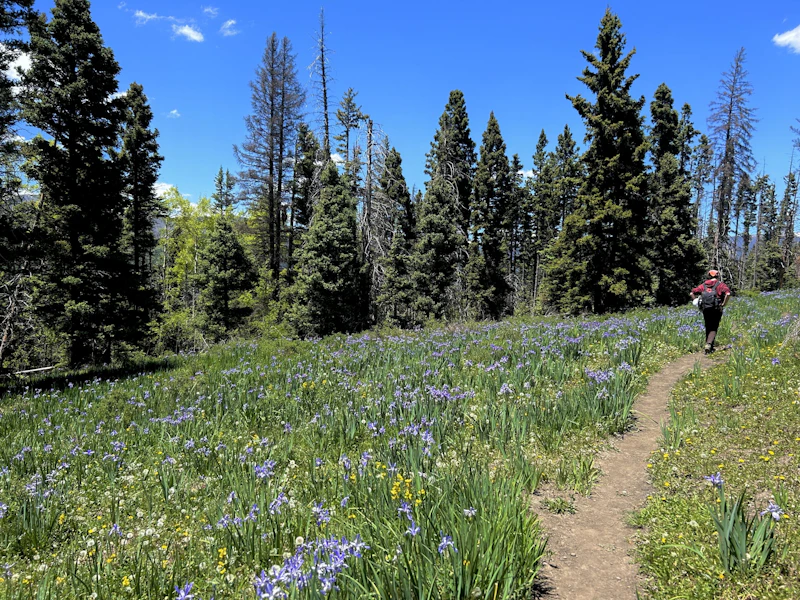 Photo by Sophie Jacobson
 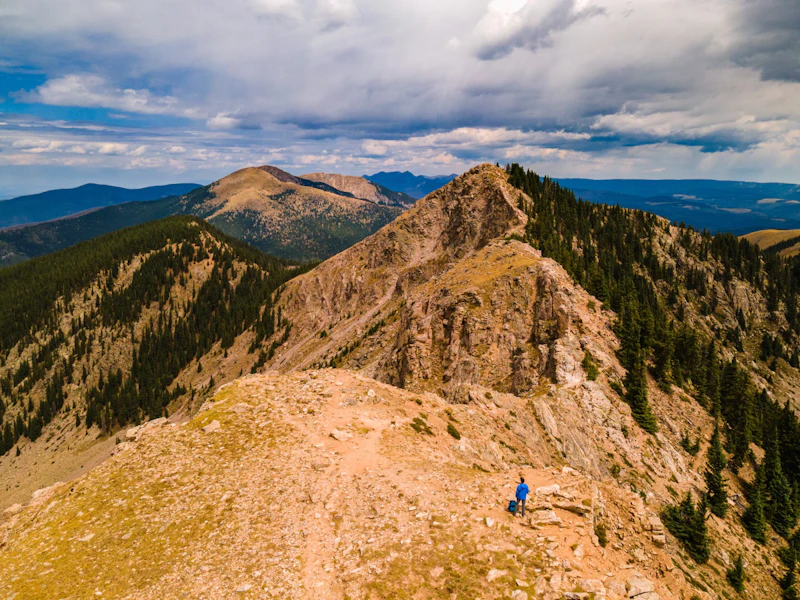 Deception Peak. Photo by Alexander Zinn
 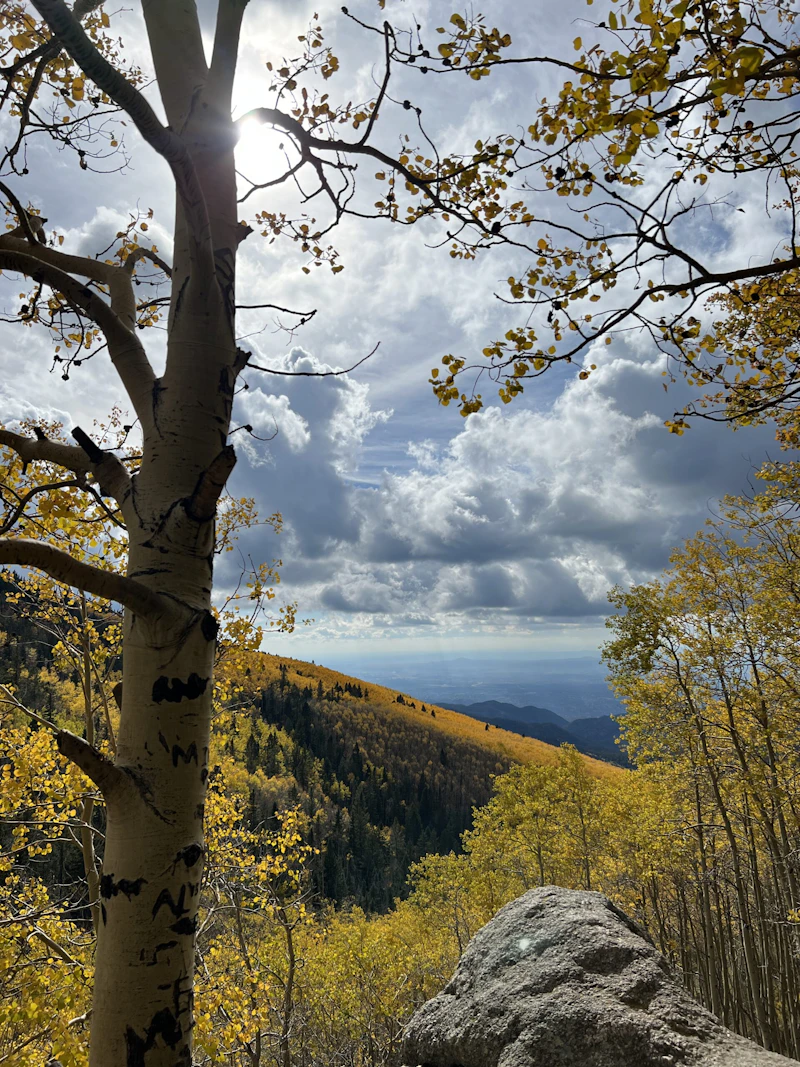 Photo by Robin Garrison
 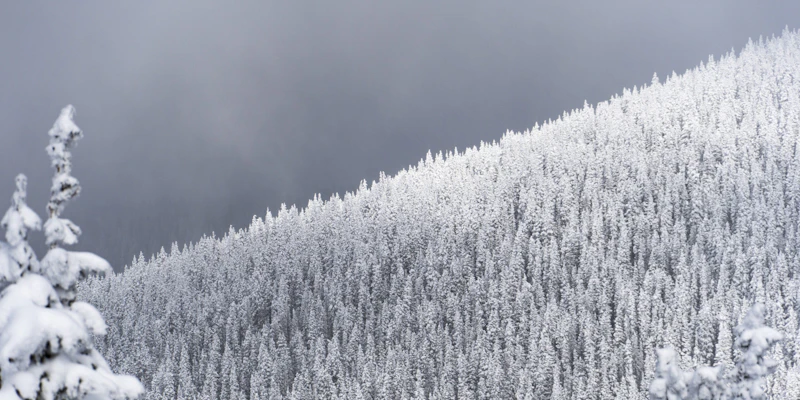 Photo by Stephen Trask
 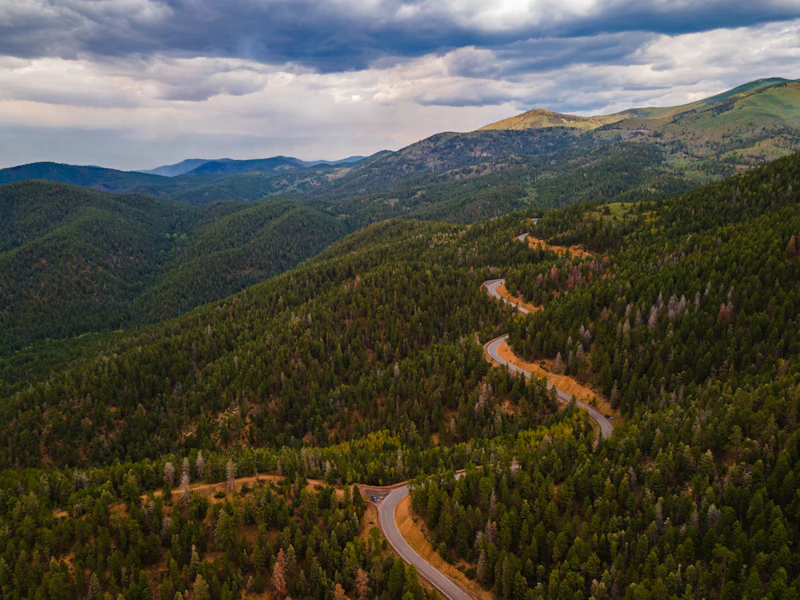 Photo by Alexander Zinn
 What is the History of the Santa Fe National Forest?
Before European settlement, the region was inhabited by Puebloan peoples, followed by nomadic tribes such as the Navajo and Apache. Spanish explorers arrived in the 16th century, introducing livestock grazing and large-scale agriculture. In the late 19th and early 20th centuries, logging, mining, and railroad expansion led to significant environmental degradation. In 1915, the Santa Fe National Forest was designated to conserve watersheds, timber, and wildlife while providing recreation.
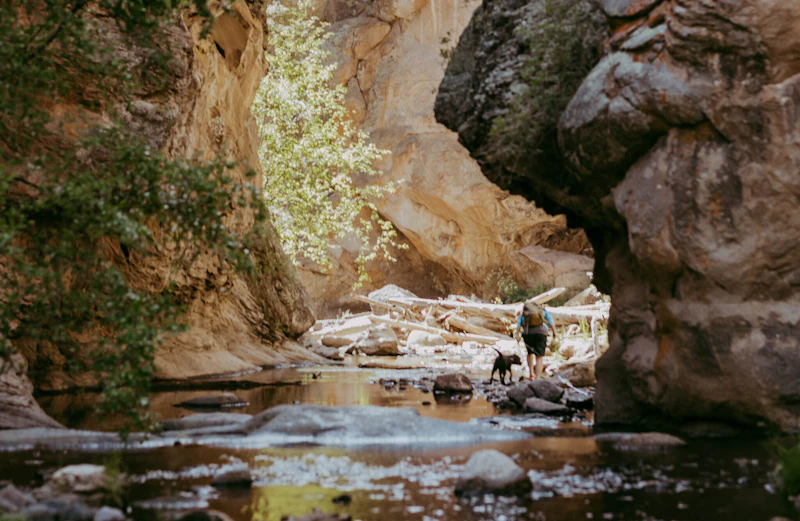
How to Get to the Santa Fe National Forest
From the nearest hub of Santa Fe, Interstate 25 and U.S. Highway 285 leads to the Pecos/Las Vegas Ranger District. For the Jemez Mountains area, Highway 4 leads to Los Alamos or Jemez Springs, where several trailheads and recreational sites are located. The Cuba Ranger District is accessed from Highway 550 northwest of Santa Fe, leading into less-visited forest areas.
- Santa Fe, New Mexico: Half-hour to 2 hours by car
- Albuquerque, New Mexico: 1.5 to 2 hours by car
- Amarillo, Texas: 4 to 5 hours by car
- Pueblo, Colorado: 5 to 5.5 hours by car

From the parking lot near St. John’s College, this 6.2-mile, out-and-back trail climbs to the summit of Atalaya Mountain, around 9,125 feet, offering incredible views of Santa Fe and the Sangre de Cristo range.
This river is nationally renowned for trout fishing. Sections near the Pecos Wilderness, including pools and riffles, are ideal for dry flies, nymphs, and hoppers, especially during spring and early summer hatches. Access points along Highway 63 provide convenient fishing spots.
For an immersive stay in “Georgia O’Keefe” country (ie. Abiquiu), spend a night or two on the red banks of Rio Chama Wild and Scenic River at this ten-site campground. The river also offers excellent rafting and fly-fishing.
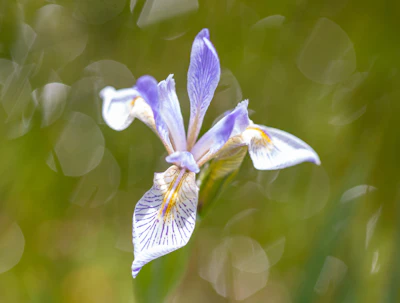 Rocky Mountain iris In late spring and early summer, sky‑blue to violet flowers bloom on this perennial that can reach heights of up to two feet.
 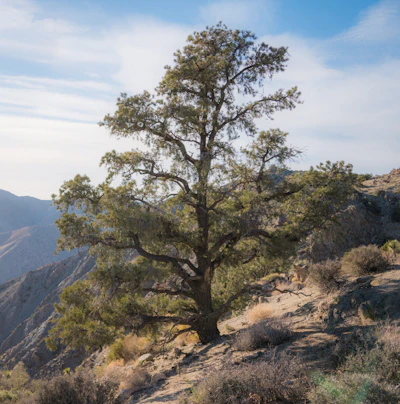 Pinon pine This pine, which grows between 5,000 to 10,000 feet in elevation and can endure with little water, produces edible seeds that many birds rely on.
 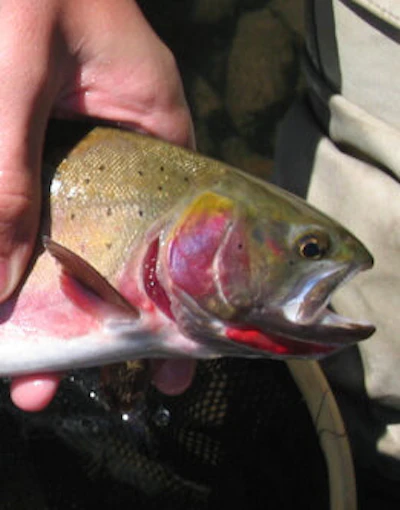 Rio Grande cutthroat trout This iconic species, with its orange throat slashes and speckled sides, is the only trout native to the upper Rio Grande Basin.
 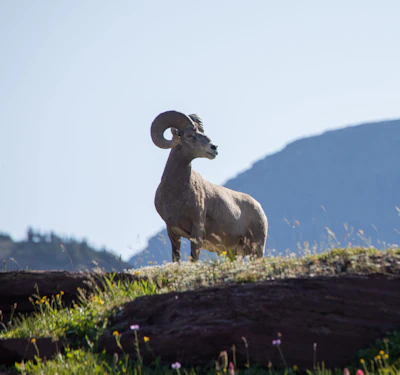 Rocky Mountain bighorn sheep One of the country’s healthiest herds of this subspecies, known for its massive curled horns and climbing skills, resides in the Pecos Wilderness.
 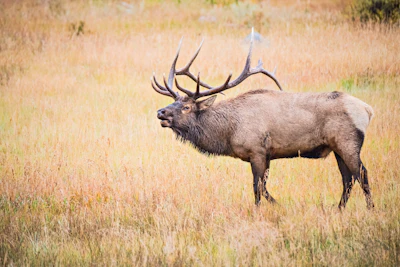 Elk The second largest species in the deer family after moose, this majestic animal is most active during dawn and dusk and during fall rutting season.
 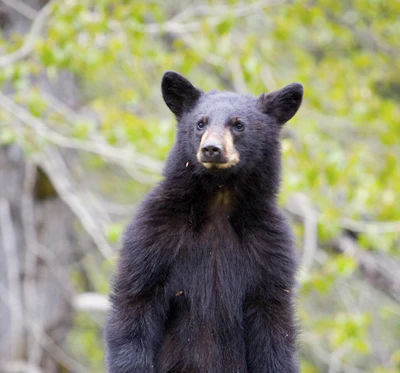 Black bear This omnivorous bear, which ranges in coloration from black to light brown, typically weighs between 150 to 400 pounds.
 What’s the Best First-Timer’s Adventure in the Santa Fe National Forest
For a unique look at the natural history of the Santa Fe National Forest, head to the Valles Caldera. This stunning 89,000-acre volcanic caldera features rolling grasslands, dense forests, and meandering rivers. A number of trails wind through the crater or to the ridge surrounding it.
Where to Find More Information on the Santa Fe National Forest
For more information or questions, visit https://www.fs.usda.gov/r03/santafe.
Discover how communities, volunteers, and partners are shaping the future of our National Forests and Grasslands.
The National Forest Foundation works with partners across Northern Colorado to restore forests, reduce wildfire risk, and care for the…
After years of damage, recovery, and reconstruction, the trail to Hanging Lake has been fully rebuilt, creating a more durable,…
Erosion and wildfire had left Arizona's historic Highline Trail rutted and unsafe. After five years of work with the Tonto…
Forest restoration near Flagstaff is reducing wildfire risk for local communities and safeguarding the water supply for millions across the…
Colorado's 14ers draw thousands of visitors each year, and the pressure on these fragile alpine landscapes is growing. Here's a…
Visitors of all ages can explore forest trails and sparkling waters, discover wildlife and underwater habitats, and connect with Tahoe’s…
A partnership-driven program connecting youth on Montana’s Flathead Reservation with hands-on conservation work, heritage education, and pathways in natural resource…
Seeing the impact first hand on the Grand Mesa, Uncompaghre and Gunnison National Forests
Seven Years of Reopening Trails After the Eagle Creek Fire
Field Ranger Program Connects Diverse Communities to Forests in Southern California
Our Forests Need Us Today.
Your donation powers critical, on-the-ground conservation—from wildfire recovery to watershed restoration—protecting forests for the future.