The Allegheny National Forest, Pennsylvania’s only National Forest, is a diverse hub of outdoor recreation. Its 500,000 acres hold two designated wildernesses and two Wild and Scenic Rivers, with hunting and fishing among Allegheny’s most popular activities.
Two hundred miles of hiking trails, exciting water activities on 27-mile Allegheny Reservoir, and diverse wildlife-viewing make this hardwood forest a spectacular backdrop to adventure—especially during fall-foliage season.
 Photo by Shoshanna Ochocki
  Photo by Shoshanna Ochocki
 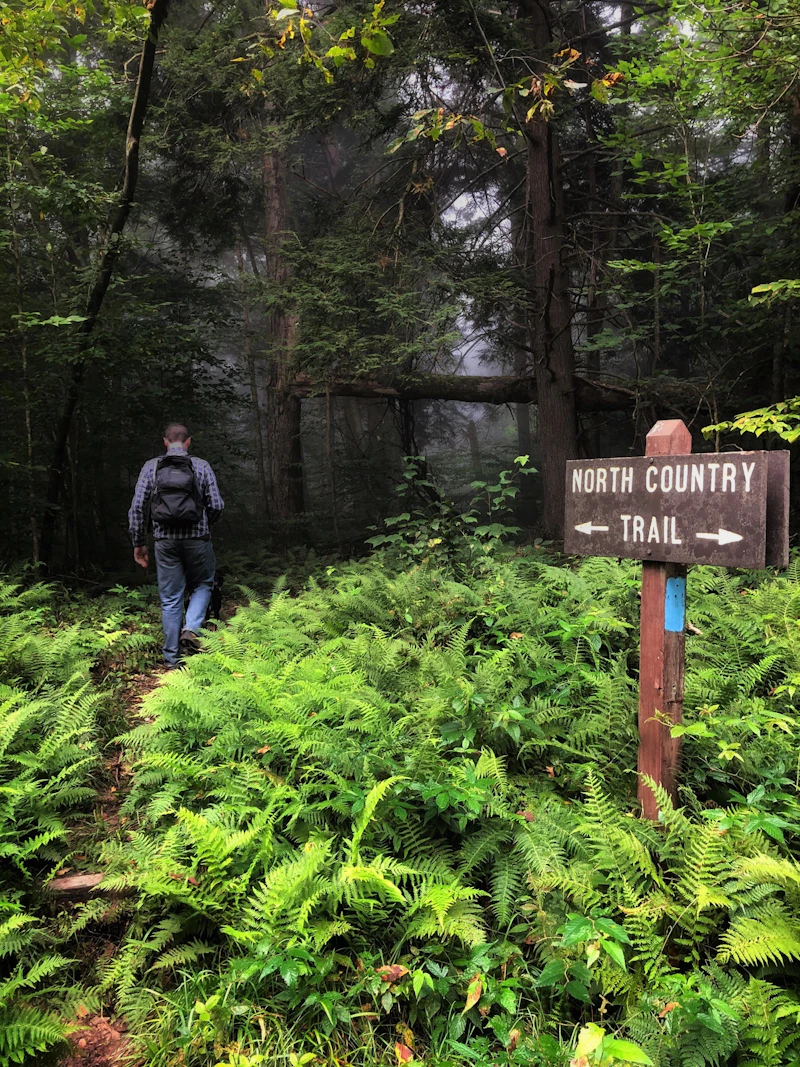 Photo by Tess Leonard
  Photo by Guenther Thiedema
 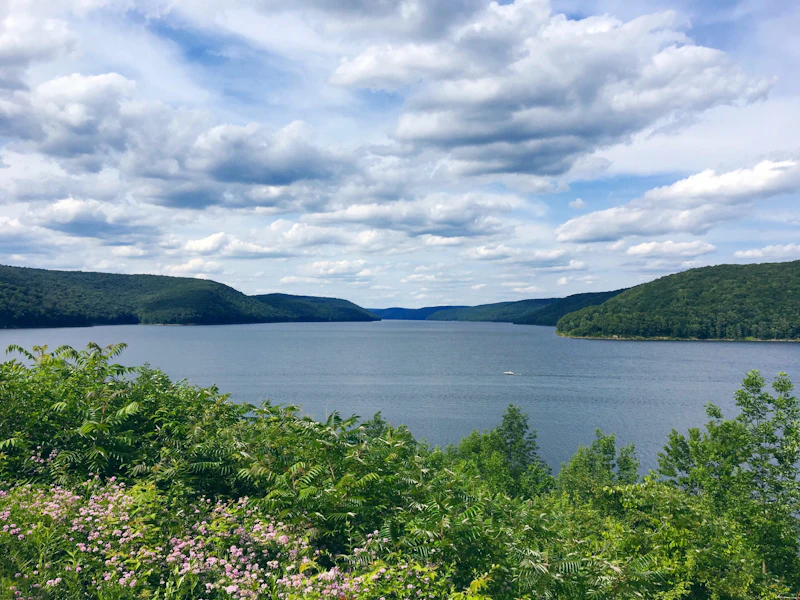 a large lake in a forest
 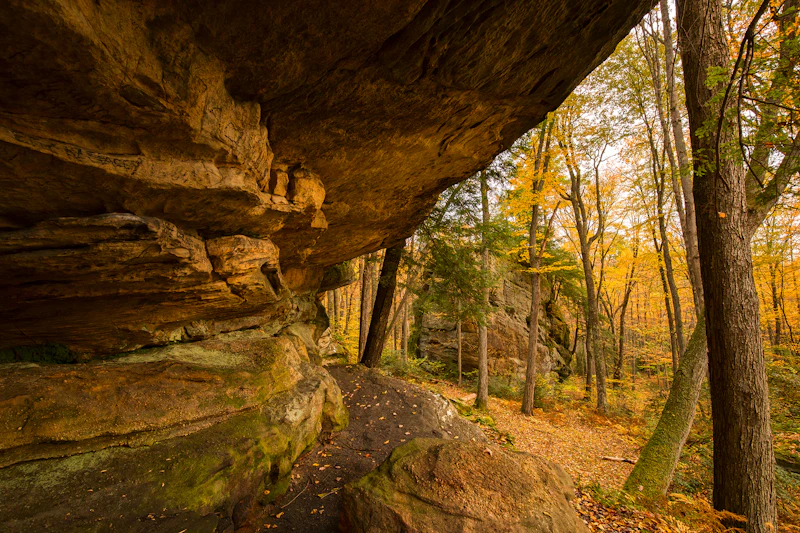 Photo by Piper VanOrd
 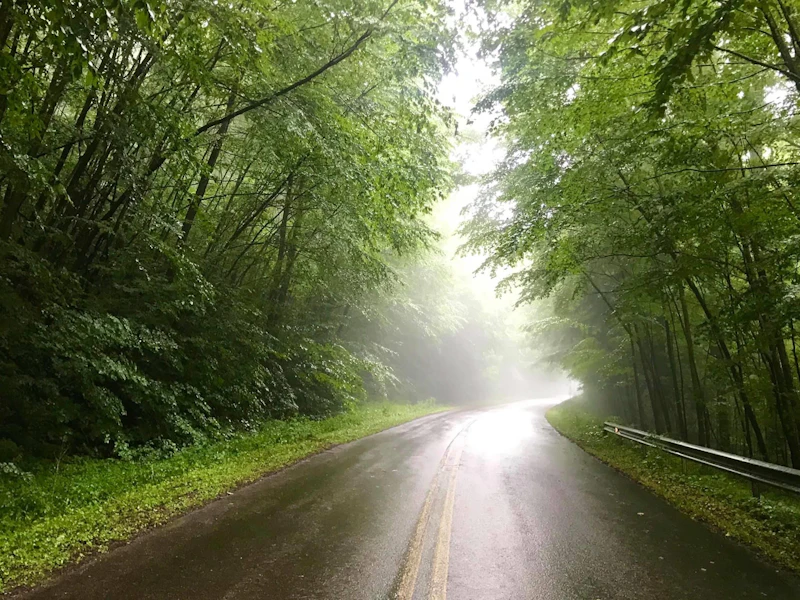 Photo by Stephen Rossman
 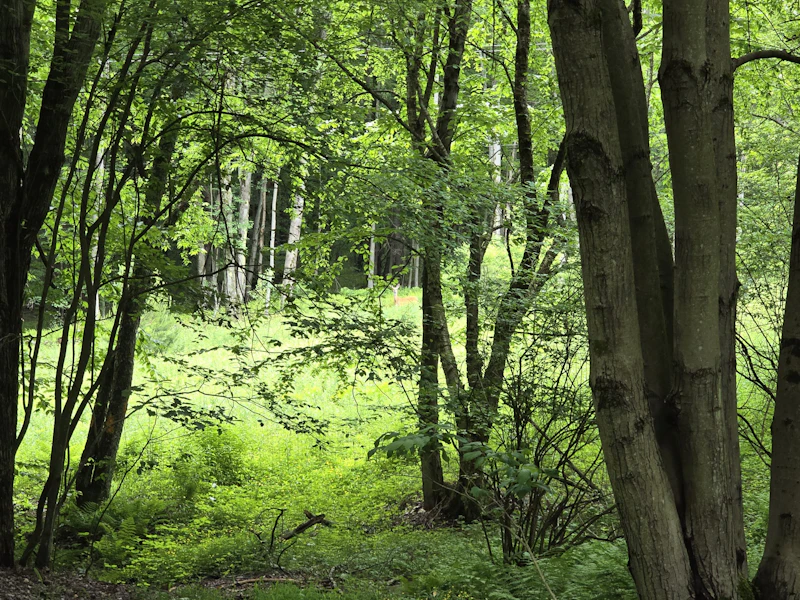 Photo by Alissa Mague
 What is the History of the Allegheny National Forest?
The Allegheny National Forest was established in 1923, after the area was almost entirely clear-cut following severe logging in the 19th and early 20th centuries. Before that, it was a biodiverse, old-growth forest that was managed by various Native American groups, including the Seneca and the Lenape.
The story of the land’s decline charts the history of development across the Eastern Seaboard, from the industrial logging boom in the late 1800s and the expansion of the railroad to the mid-19th-century rise of the tanning industry, which sourced tannins from the bark of hemlock trees to use in leather production.
Today, the forest of rich hardwoods is one of the country’s best cases of natural regeneration. The area consists mainly of maple, oak, and black cherry, which the Forest Service manages through sustainable harvesting. Disturbances like windthrow, fire, insects, disease, deer, and human intervention worked together to create the unique conditions for these hardwoods to flourish.

How to Get to the Allegheny National Forest
More than half of the U.S. population is located within a day’s drive of the Allegheny National Forest, which is less than 150 miles from major cities including Pittsburgh; Cleveland, Ohio, and Buffalo, New York.
The major gateways to the forest are through the towns of Warren and Bradford, as well as along Route 59 for the Kinzua Reservoir area of Allegheny Reservoir. Visitors interested in driving the forest’s popular Longhouse National Scenic Byway, a 36-mile loop that circles the Kinzua Creek Arm of the Allegheny Reservoir, can start from the borough of Kane.
- Erie, Pennsylvania: 1 to 1.5 hours by car
- Pittsburgh, Pennsylvania: 2 hours by car
- Cleveland, Ohio: 2.5 to 3 hours by car
- Buffalo, New York: 1.5 to 2 hours by car

Boat, swim, kayak, and fish for walleye across this expansive 27-mile-long reservoir, created in 1965 by the construction of the Kinzua Dam. More than 90 miles of shoreline features two swimming beaches, several scenic picnic areas, and two campgrounds.
For a tour of the Allegheny National Forest’s diverse landscape features, embark on this six-mile loop trail that forms part of the larger long-distance North Country National Scenic Trail. The route traces giant boulders, caves, creek crossings, and an overlook with far-reaching views that’s spectacular when the leaves turn in the fall.
This new stacked-look trail system consists of 30-plus miles that wind through some of the Allegheny National Forest’s most scenic parts. With rock features and drops, the network is considered challenging and permits the use of class-1 E-bikes.
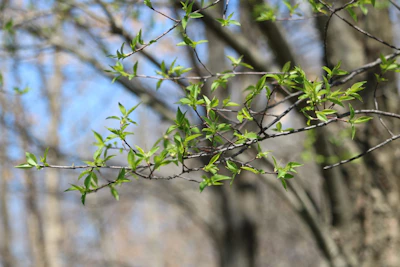 Black cherry A tall hardwood known for its reddish-brown wood, fragrant white spring blossoms, and leaves that turn every color come fall.
 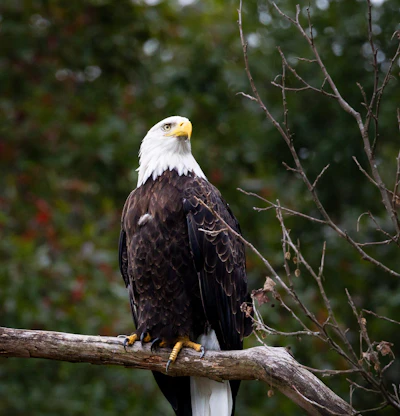 Bald eagle For the best chance of spotting this predator, head out in the early morning, when it's more active, to the forest’s creeks, lakes, and reservoirs. This white-headed hunter is often spotted around the Allegheny Reservoir.
  North American river otter While once prevalent through the east, pollution has caused a decline in its populations. But this playful creature has returned to the Allegheny River and is best observed in the winter when the snow and ice make them more visible.
 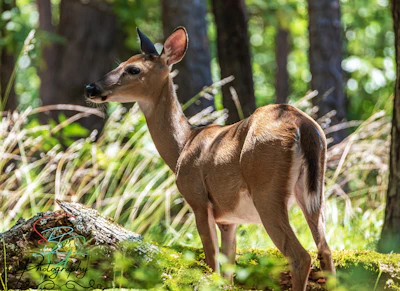 White-tailed deer An ever-present force in Allegheny National Forest, shaping the forest’s ecology both positively and, at times, negatively, leading to management through sustained hunting.
 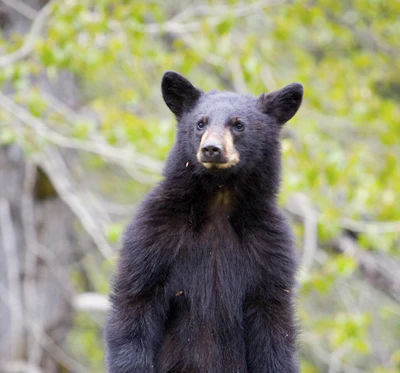 Black bear A fraction of Pennsylvania's nearly 20,000 black bears reside in Allegheny National Forest. It is shy and usually avoids humans, but visitors may spot tracks or scat along trails.
 What’s the Best First-Timer’s Adventure in the Allegheny National Forest?
For the ultimately fall-foliage experience, take a drive along the Longhouse National Scenic Byway. Grab a quick bite or picnic-lunch in the eastern gateway hub of Kane before heading out on the 36-mile loop, which circles part of the Allegheny Reservoir. Stop at Jakes Rocks Overlook and Rimrock Overlook for colorful views of the forest, and along the way, drive through vibrant tunnels of oak and black cherry.
Where to Find More Information on the Allegheny National Forest
For more information or questions, visit: https://www.fs.usda.gov/r09/allegheny
Discover how communities, volunteers, and partners are shaping the future of our National Forests and Grasslands.
The National Forest Foundation works with partners across Northern Colorado to restore forests, reduce wildfire risk, and care for the…
After years of damage, recovery, and reconstruction, the trail to Hanging Lake has been fully rebuilt, creating a more durable,…
Erosion and wildfire had left Arizona's historic Highline Trail rutted and unsafe. After five years of work with the Tonto…
Forest restoration near Flagstaff is reducing wildfire risk for local communities and safeguarding the water supply for millions across the…
Colorado's 14ers draw thousands of visitors each year, and the pressure on these fragile alpine landscapes is growing. Here's a…
Visitors of all ages can explore forest trails and sparkling waters, discover wildlife and underwater habitats, and connect with Tahoe’s…
A partnership-driven program connecting youth on Montana’s Flathead Reservation with hands-on conservation work, heritage education, and pathways in natural resource…
Seeing the impact first hand on the Grand Mesa, Uncompaghre and Gunnison National Forests
Seven Years of Reopening Trails After the Eagle Creek Fire
Field Ranger Program Connects Diverse Communities to Forests in Southern California
Our Forests Need Us Today.
Your donation powers critical, on-the-ground conservation—from wildfire recovery to watershed restoration—protecting forests for the future.