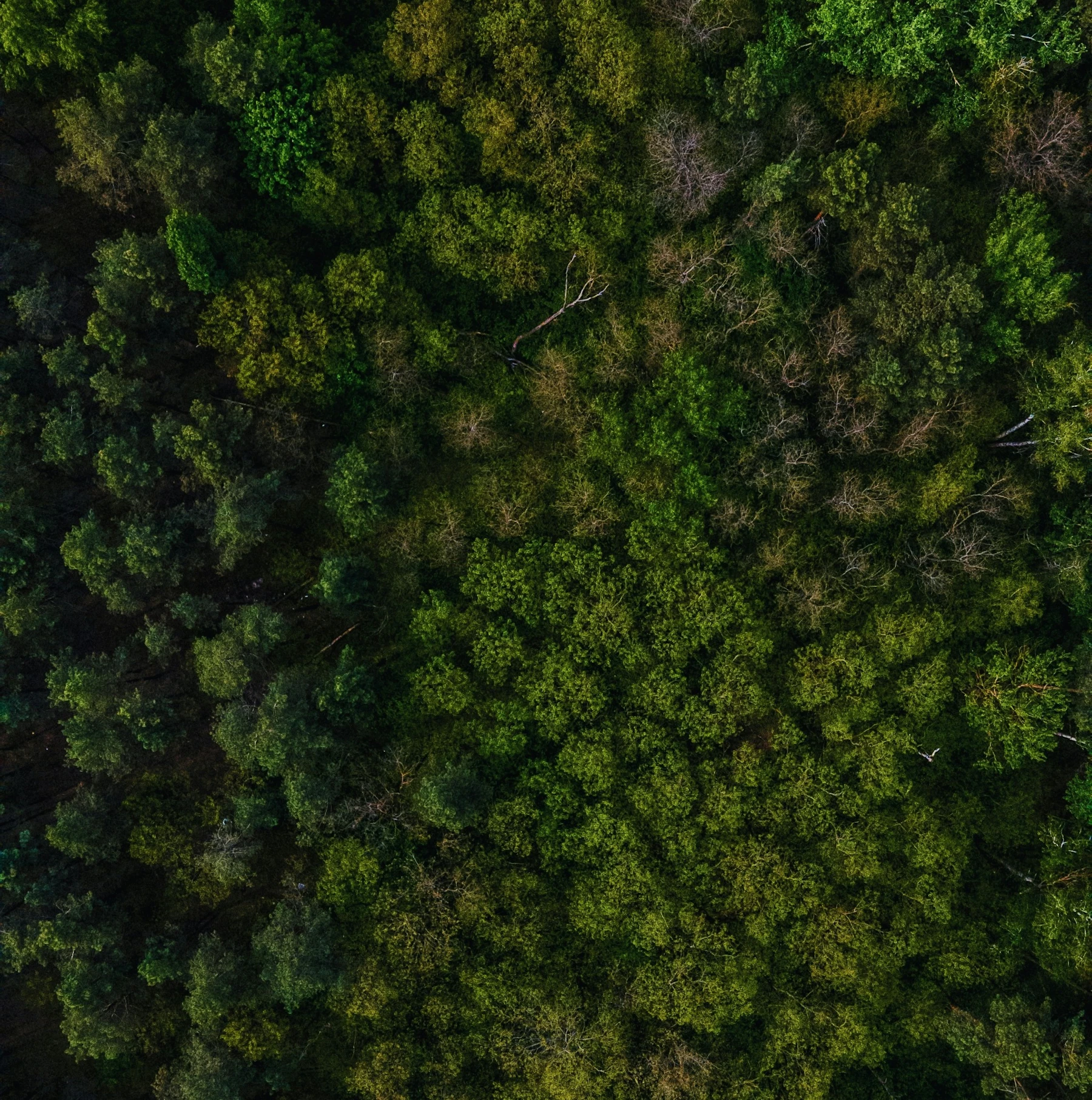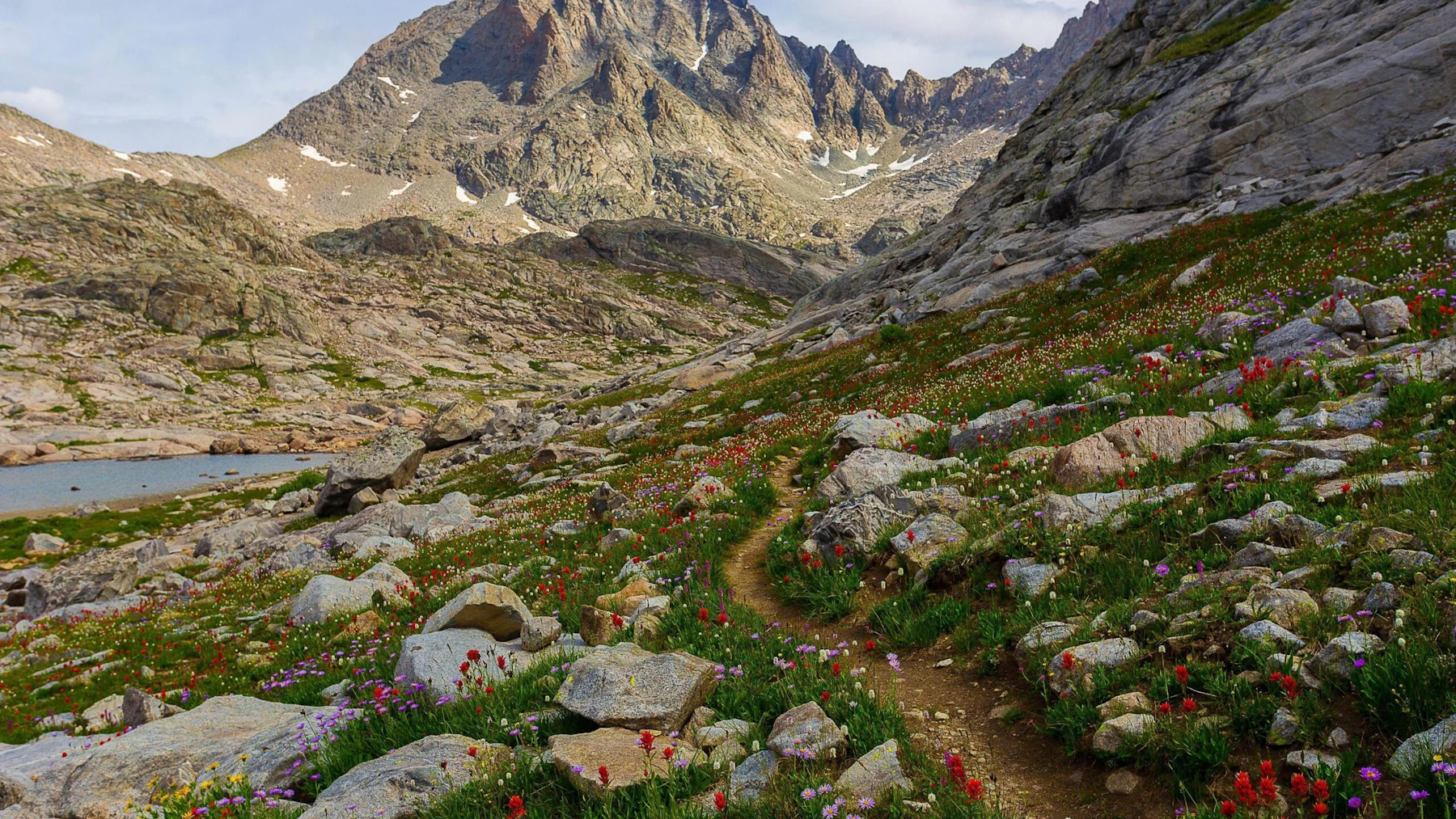
Experience the Shoshone National Forest, 2.4 million acres of rugged and remote landscapes in northwest Wyoming. The Forest is an integral portion of the 10-million-acre Greater Yellowstone Ecosystem, one of the last remaining intact regions of the northern temperate zone on the planet.
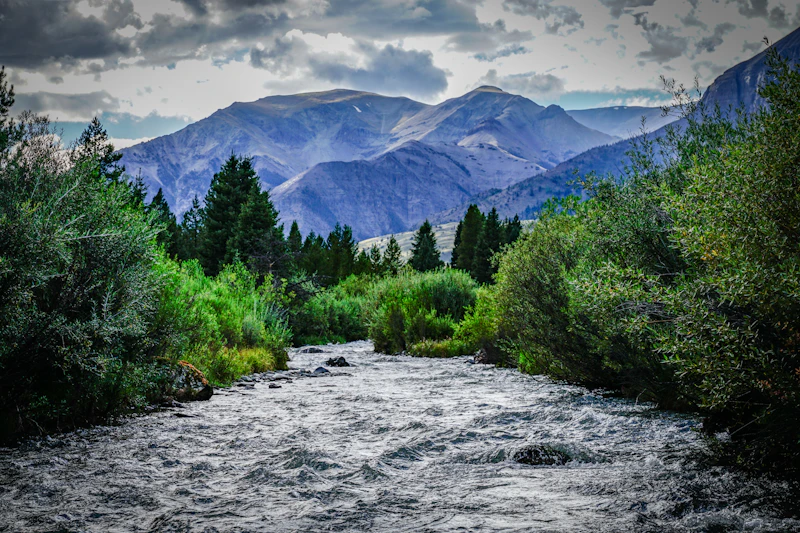
The mountain ranges of Absaroka, Beartooth, and Wind River create stark elevation changes on the Shoshone, from 4,600 feet at the mouth of the spectacular Clarks Fork Canyon to 13,804-foot Gannett Peak, Wyoming’s highest point. In between are alpine meadows, and high mountain lakes, and forests of old-growth lodgepole pine.
The Shoshone contains sections of five Wilderness Areas, from the Fitzpatrick Wilderness, known for its 44 glaciers, to the Popo Agie, home of the famed Cirque of the Towers formation.
The forest’s rivers, such as the Shoshone and Clarks Fork, are renowned for trout fishing and attract anglers from across the country. Hiking and backpacking are popular, with 1,300 miles of trails ranging from easy walks to challenging backcountry routes. Campgrounds, dispersed camping areas, and lodges allow visitors to immerse themselves in the natural beauty of the region.
Winter brings opportunities for snowshoeing, cross-country skiing, and snowmobiling. Rock climbing and mountaineering are especially popular in the Absaroka and Wind River ranges.
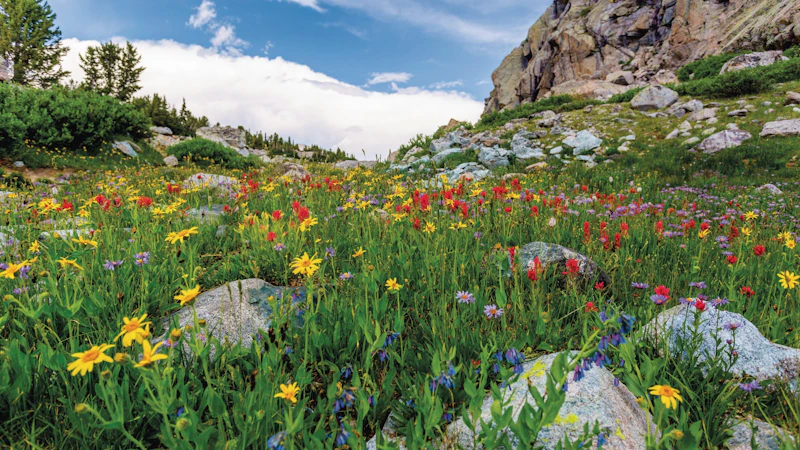 Photo by Louis Kamler III
 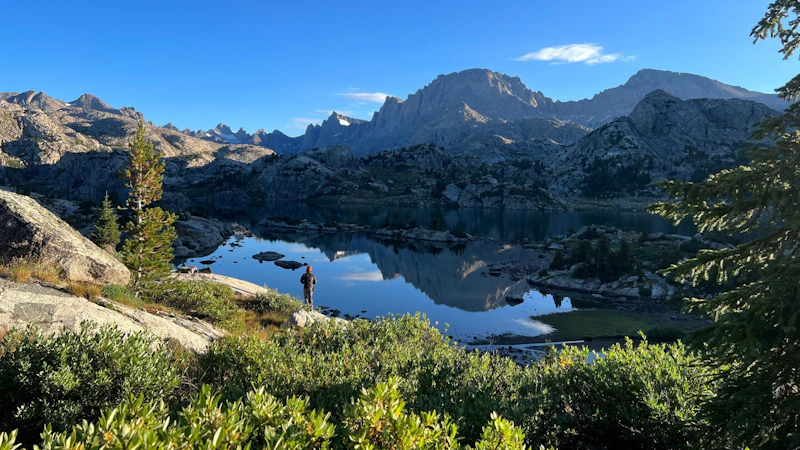 Photo by Caitlin Bergstrom
 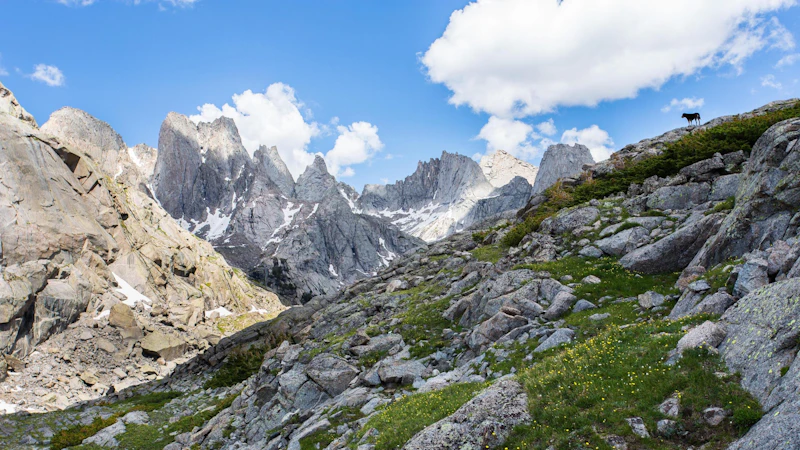 Photo by Louis Kamler III
 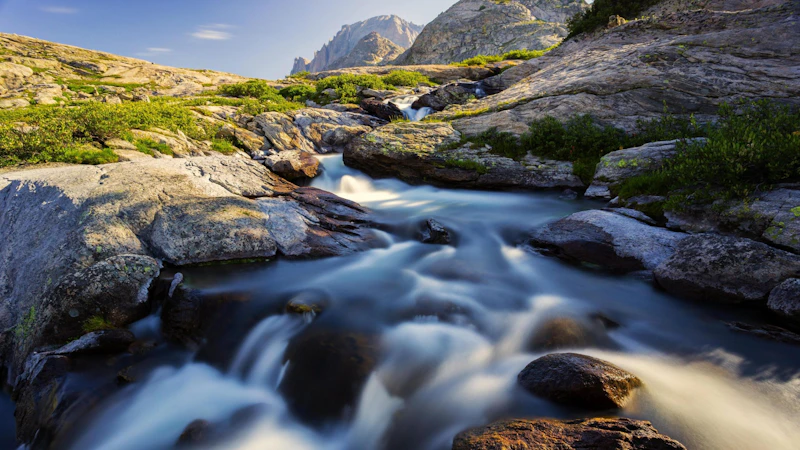 Photo by Louis Kamler III
 What is the History of the Shoshone National Forest?
The forest is named for the Shoshoni people who have called this area home for thousands of years. The Arapahoe, Blackfeet, Comanche, Crow, Nez Perce, Northern Cheyenne, and Sioux tribes also hunted, traveled, traded and fought in the area.
The ghost town of Kirwin, an early-day mining town, is a window to the past, recalling one of the colorful eras in Wyoming’s history. The remains of tie hack flumes and cabins on the southern end of the forest are reminders of another era during which millions of railroad ties were produced.
The Shoshone was established in 1891, making it the first federally protected National Forest in the United States.
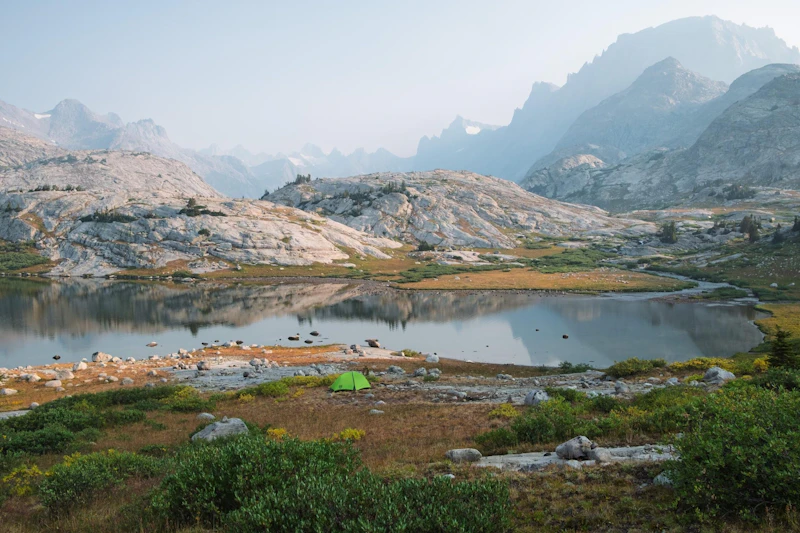
How to Get to the Shoshone National Forest
From the east, U.S. Highway 14/16/20 connects to the gateway town of Cody and passes through the forest’s northern sections, home to the Shoshone River corridor and the Absaroka Mountains.
From the south, U.S. Highway 26/287 connects the small town of Dubois with the southern Absaroka Wilderness. From the west, routes from Yellowstone National Park or the town of Gardiner, Montana, connect to northern forest areas via scenic highways, making it possible to combine visits to Yellowstone and Shoshone.
- Billings, Montana: 2 to 2.5 hours by car
- Casper, Wyoming: 3 to 4 hours by car
- Bozeman, Montana: 4 to 4.5 hours by car
- Twin Falls, Idaho: 5 to 6 hours by car
- Cheyenne, Wyoming: 5.5 to 6 hours by car

Stretching from Cody toward Yellowstone National Park, this 27-mile route winds along the Shoshone River and through the Absaroka Mountains, providing stunning views of the Yellowstone River corridor.
There’s no better way to experience Wyoming’s vast landscapes than via horseback, and a number of trails are open to riders. From the Eagle Creek Campground, two trailheads lead riders along the North Fork of the Shoshone River, with options to go further into the Absaroka-Beartooth Wilderness.
A 3.6-mile out-and-back trail that begins at an elevation of 7,800 feet just has to ascend a few hundred feet to reach Popo Agie Falls, a meandering cascade that eventually falls into a bouldered swimming hole, making it an ideal summer getaway.
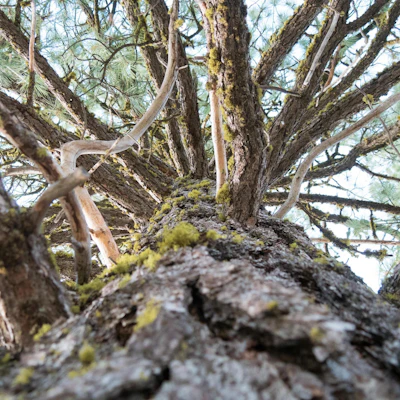 Lodgepole pine This tall conifer, whose name comes from its traditional use by Indigenous peoples for constructing tipis and lodges, is one of the most common tree found in the forest.
 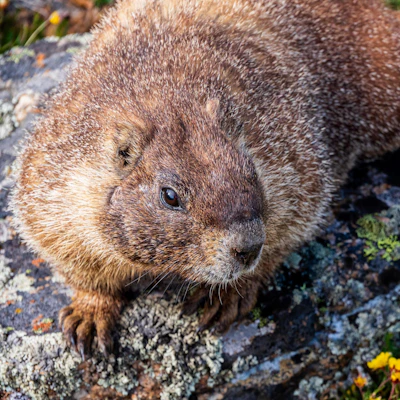 Marmot This large ground squirrel is known for burrowing, distinctive whistling calls, and basking on rocks in alpine and subalpine meadows.
 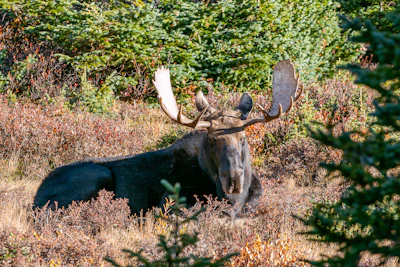 Moose Growing up to six feet tall and weighing up to 1,600 pounds makes these herbivores easy to spot, especially near lakes and rivers.
 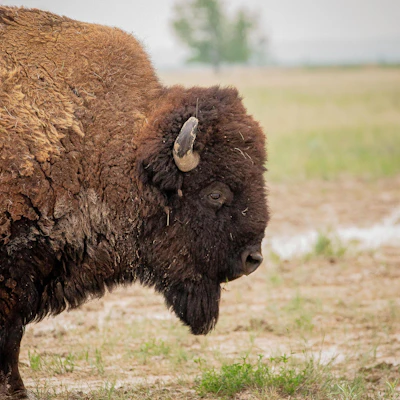 Bison This massive herbivore, which weighs up to 2,000 pounds and runs 35 mph, used to roam these lands in huge herds and can now be spotted on the forest’s grasslands.
 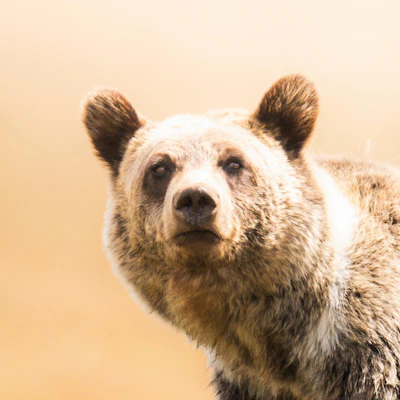 Grizzly bear This apex predator is growing in population size across this region and displays little fear of humans, so keeping food stowed properly and remaining aware are crucial when visiting the forest.
 Related Impact
Cultivating Leaders in the Mission Mountains
A partnership-driven program connects youth on Montana’s Flathead Reservation with hands-on conservation work, heritage education, and pathways in natural resource careers.
What’s the Best First-Timer’s Adventure in the Shoshone National Forest?
If you only have time for one stop in the Shoshone, make it the Clarks Fork Overlook. Located along the Beartooth Scenic Highway, the overlook provides spectacular views of the massive canyon carved out by the Clarks Fork of the Yellowstone River, a designated Wild and Scenic River.
Discover how communities, volunteers, and partners are shaping the future of our National Forests and Grasslands.
The National Forest Foundation works with partners across Northern Colorado to restore forests, reduce wildfire risk, and care for the…
After years of damage, recovery, and reconstruction, the trail to Hanging Lake has been fully rebuilt, creating a more durable,…
Erosion and wildfire had left Arizona's historic Highline Trail rutted and unsafe. After five years of work with the Tonto…
Forest restoration near Flagstaff is reducing wildfire risk for local communities and safeguarding the water supply for millions across the…
Colorado's 14ers draw thousands of visitors each year, and the pressure on these fragile alpine landscapes is growing. Here's a…
Visitors of all ages can explore forest trails and sparkling waters, discover wildlife and underwater habitats, and connect with Tahoe’s…
A partnership-driven program connecting youth on Montana’s Flathead Reservation with hands-on conservation work, heritage education, and pathways in natural resource…
Seeing the impact first hand on the Grand Mesa, Uncompaghre and Gunnison National Forests
Seven Years of Reopening Trails After the Eagle Creek Fire
Field Ranger Program Connects Diverse Communities to Forests in Southern California
Our Forests Need Us Today.
Your donation powers critical, on-the-ground conservation—from wildfire recovery to watershed restoration—protecting forests for the future.