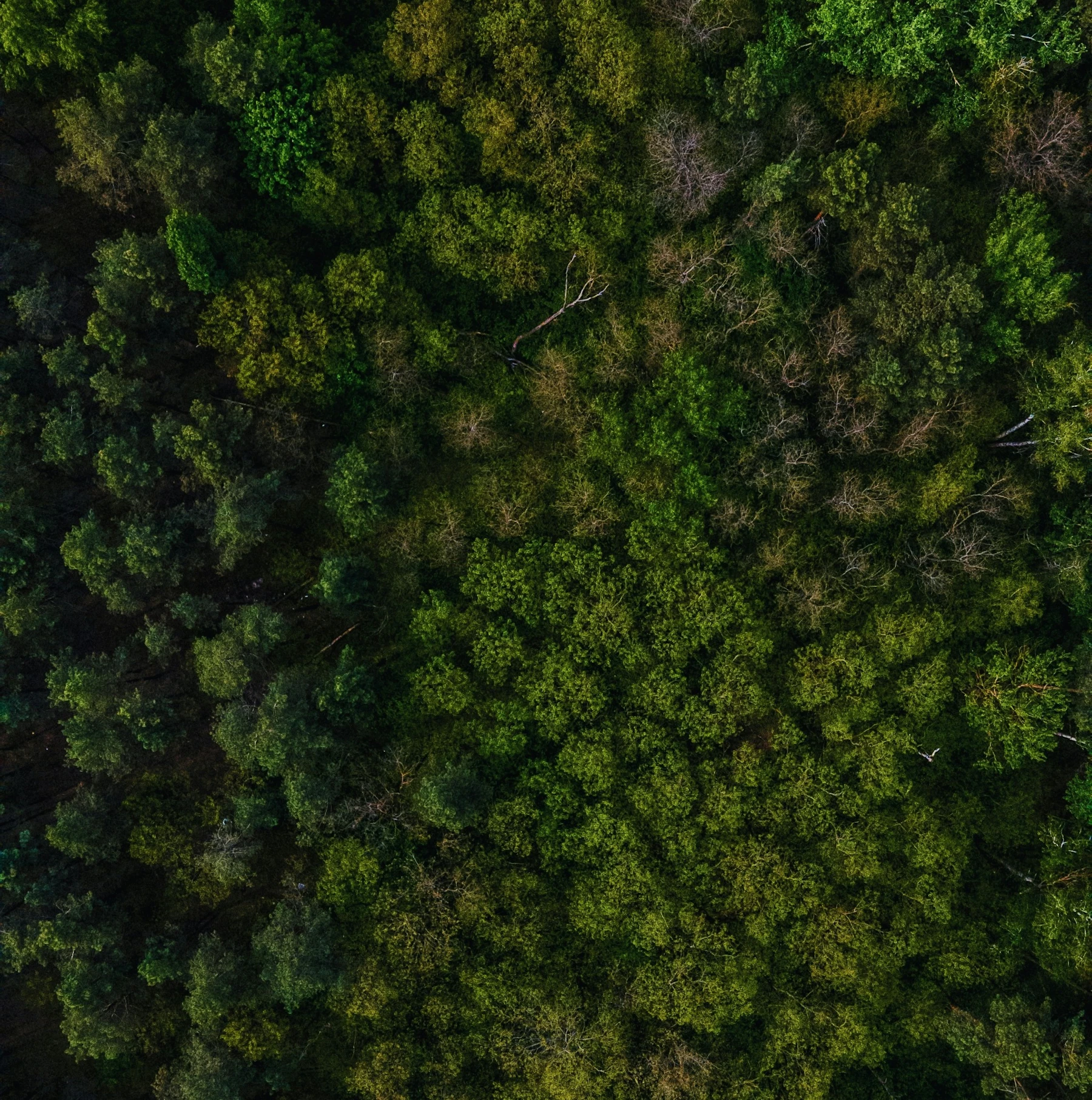
Explore the Wallowa-Whitman National Forest, 2.4 million acres of rugged mountains, deep river canyons, high plateaus, and alpine meadows in northeastern Oregon and western Idaho. The forest is renowned for its dramatic topography, with elevations that range from lowland river canyon at 875 feet to peaks over 9,800 feet.
The Wallowa-Whitman National Forest ranges from the Blue Mountains and rugged Wallowa Mountains down to the spectacular canyon country of the Snake River on the Idaho border, including Hells Canyon National Recreation Area, a mecca of hiking and river floating.
The forest contains four Wilderness Areas, including Oregon’s largest, the Eagle Cap Wilderness, which features rugged peaks, glacial lakes, and a variety of hiking and backpacking opportunities. Mount Howard, Sacajawea Peak, and other alpine summits offer panoramic views of the surrounding wilderness.
Ten Wild and Scenic Rivers, including the Wallowa, Imnaha, and Grande Ronde, provide world-class fishing and whitewater rafting. More than 2,700 miles of trails offer hiking, with some hosting mountain biking, horseback riding, and off-roading. In the winter, many of these trails turn into cross-country skiing and snowmobiling routes.
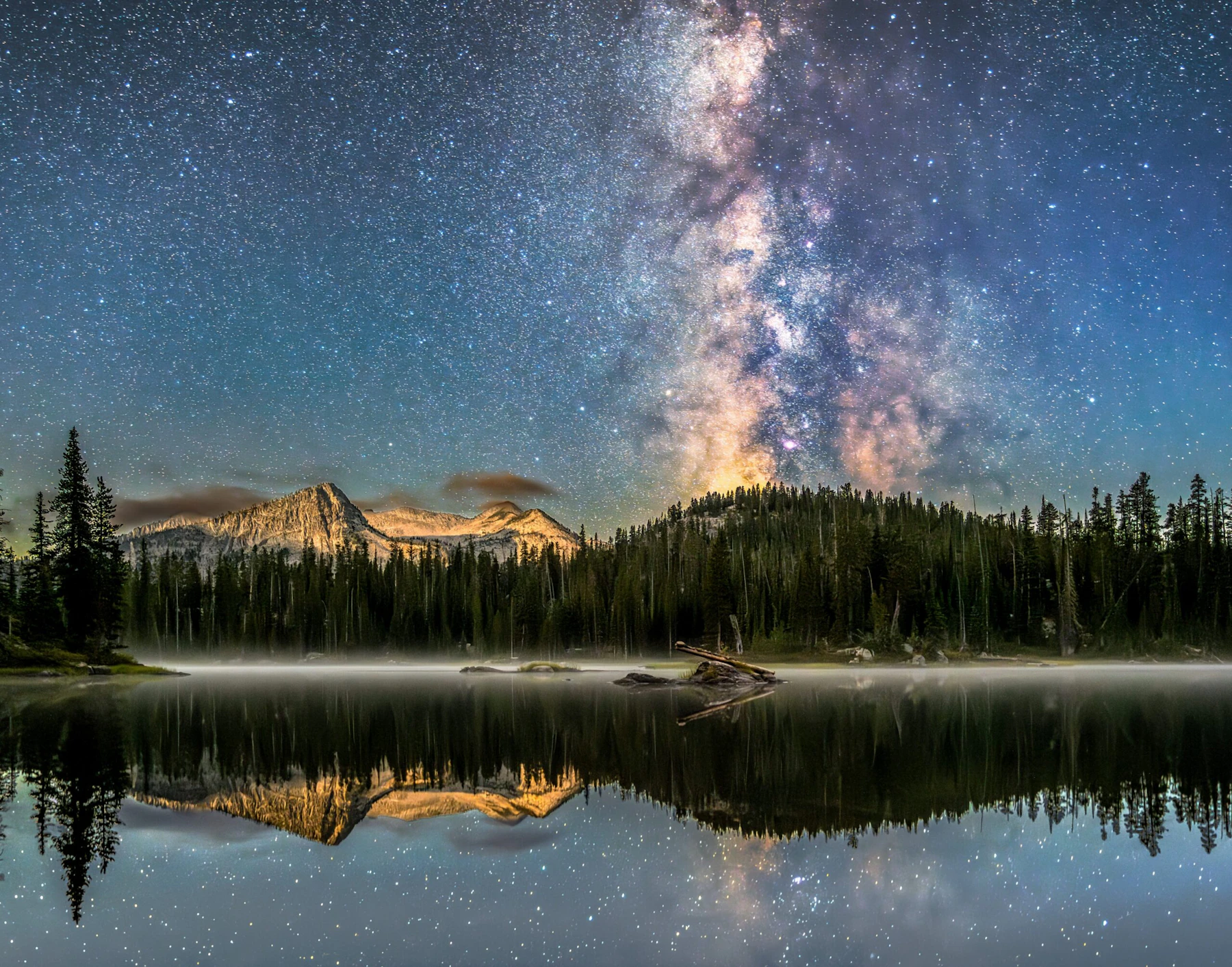
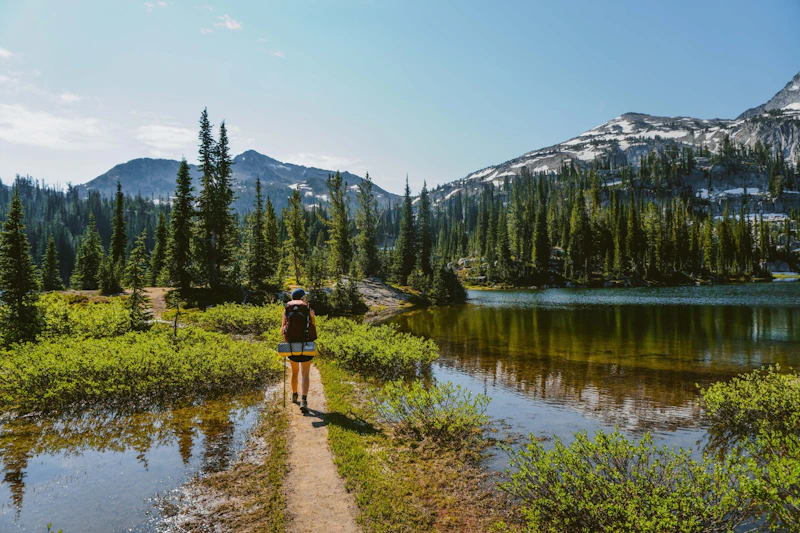 Moccasin Lake. Photo by Kaelan Young
 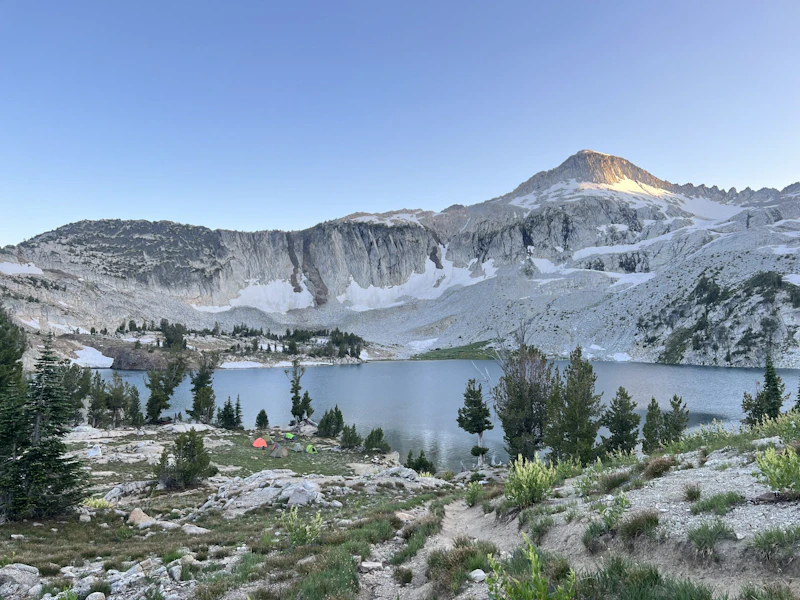 Photo by Anna Yarbrough
 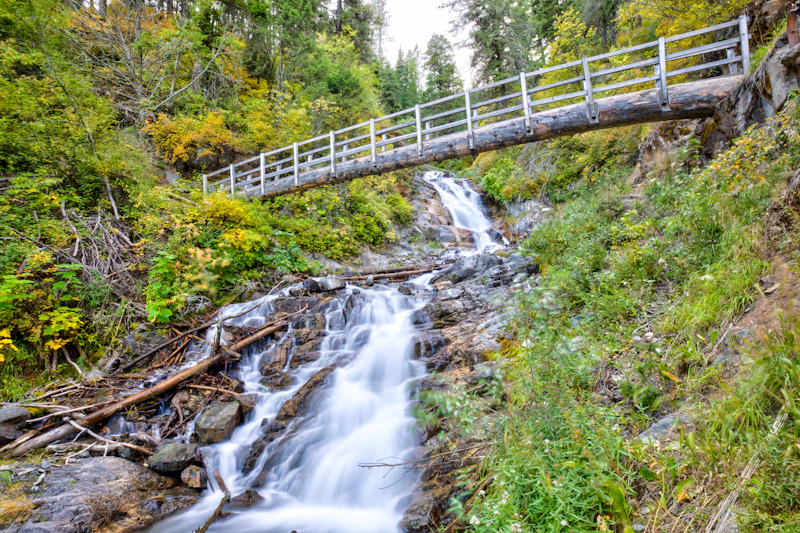 Photo by the U.S. Forest Service
 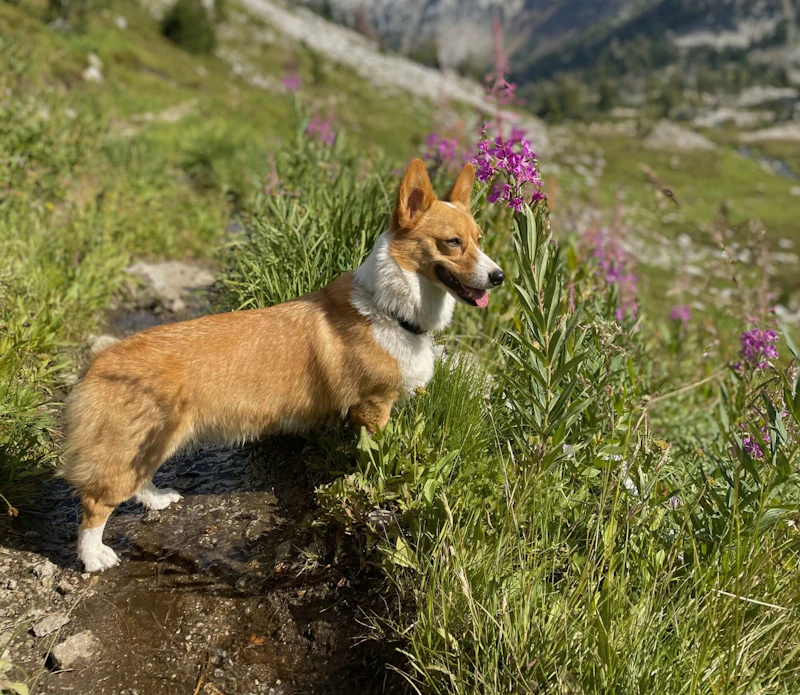 Glacier Basin. Photo by Mia Smith
 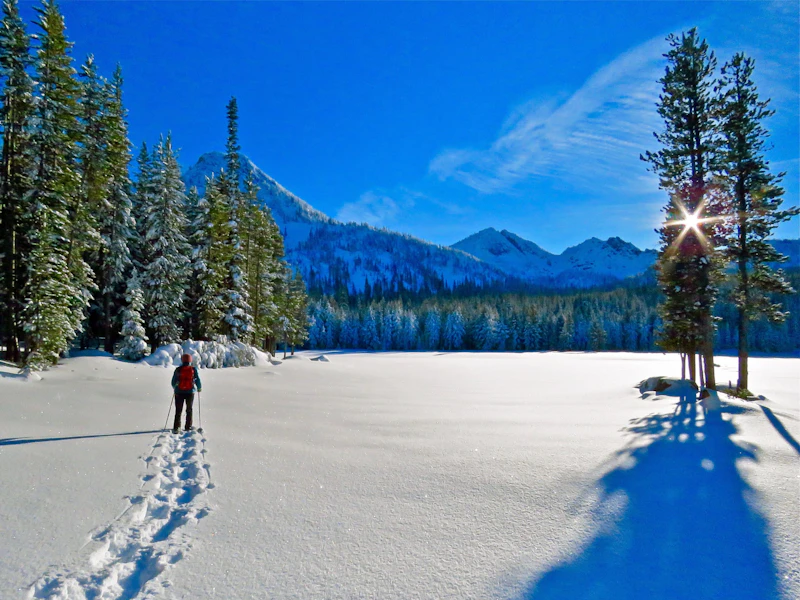 Photo by Eric Valentine
 What is the History of the Wallowa-Whitman National Forest?
Named for the Wallowa River, whose name derives from the Nimiipuu, or Nez Perce language’s, words for “winding water,” and historic Whitman Prairie, the forest has long been home to Indigenous peoples, including the Nez Perce and Cayuse, whose cultural and spiritual connections continue to influence the region today.
The Wallowa National Forest was created in 1908 from the combination of seven Forest Reserves, and the Whitman National Forest was created in 1908 by combining three Reserves. The Wallowa and Whitman National Forests have been managed together since 1954.
How to Get to the Wallowa-Whitman National Forest
From western Oregon, Interstate 84 is the primary east-west route, connecting Portland and the Willamette Valley to towns like La Grande and Pendleton, which serve as major gateways. From La Grande, U.S. Highway 395 and State Route 82 provide access to the forest’s Wallowa Mountains and Eagle Cap Wilderness, while State Route 203 connects to northern forest areas.
From Idaho or eastern Oregon, U.S. Highway 95 or State Route 3 connect to the forest’s eastern and northern sections. The town of Joseph, located near Wallowa Lake, is a central hub for forest recreation.
- Boise, Idaho: 3 to 3.5 hours by car
- Bend, Oregon: 4.5 to 5 hours by car
- Portland, Oregon: 5 to 5.5 hours by car

This 15.4-mile in-and-out trail is one of the most breathtaking in the Eagle Cap Wilderness, both in terms of scenery and difficulty. Starting in a lush subalpine forest, the trail eventually opens to dramatic views of rugged peaks, glacial cirques, and turquoise alpine lakes, including Ice Lake.
This 1,500-acres lake in the shadow of Sacajawea Peak is an angler’s dream. The water is regularly stocked with rainbow and brook trout, and multiple piers offer easy shore or boat fishing.
This 214-mile loop follows winding highways and forest roads, connecting towns like Joseph, Enterprise, and Lewiston with panoramic views of the Snake River. Be sure to stop at Hells Canyon Overlook to learn about the history of the waterway.
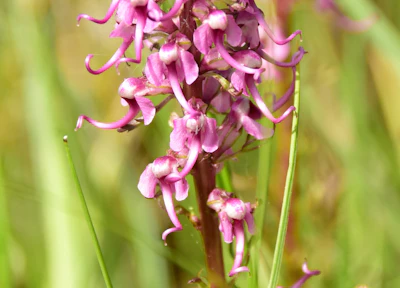 Elephant’s head Named for its unique blooms that resemble an elephant’s trunk and head, this pink to magenta wildflower can be found in high-elevation habitats.
 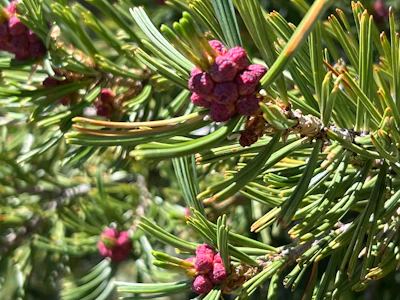 Whitebark pine This endangered species produces seeds that are an important food source for birds and bears, and grows on harsh sites in the upper subalpine forests, often appearing gnarled.
 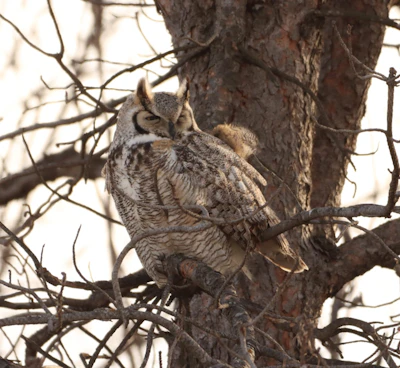 Great horned owl With tufted “horns” and large yellow eyes, this nocturnal predator hunts for rabbits, rodents, and snakes and lives in abandoned birds nests.
 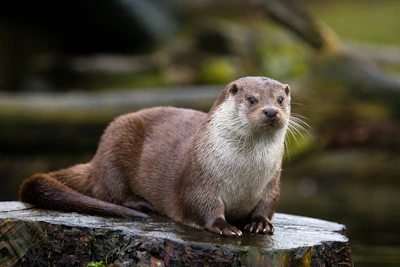 River otter This playful mammal thrives among the various wetlands of the forest, hunting for fish, crayfish, and amphibians.
 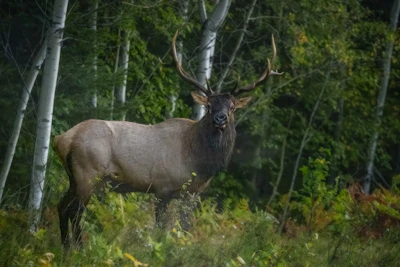 Elk This majestic animal, the second largest species in the deer family after moose, is most active during dawn and dusk and during fall rutting season.
 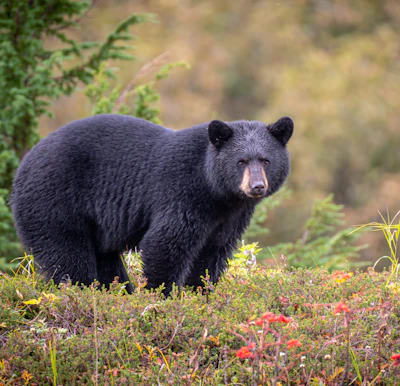 Black bear This medium-sized bear resides in the dense woodlands and open meadows of the forest, foraging for berries, insects, and small animals.
 Related Impact
Reforestation on the Umpqua
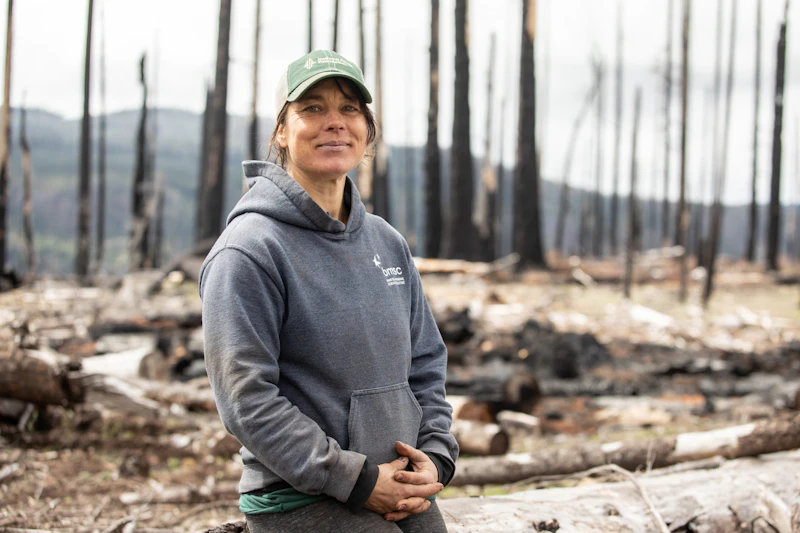
Anna’s family has been planting trees for 50 years. Now she is helping build a sustainable model to meet the Forest’s future post-fire reforestation needs.
What’s the Best First-Timer’s Adventure in the Wallowa-Whitman National Forest
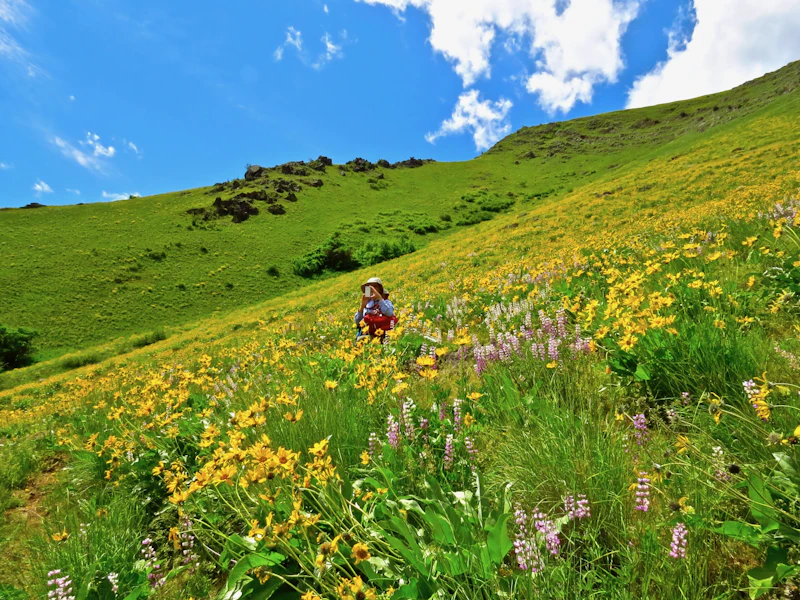
Explore the Hells Canyon National Recreation Area, a hotspot of adventure along one of the country’s deepest gorges. Hike incredible trails, fish or raft Snake River, and stop at overlooks for photography opportunities.
Where to Find More Information on the Wallowa-Whitman National Forest
For more information or questions, visit https://www.fs.usda.gov/r06/wallowa-whitman.
Discover how communities, volunteers, and partners are shaping the future of our National Forests and Grasslands.
Erosion and wildfire had left Arizona's historic Highline Trail rutted and unsafe. After five years of work with the Tonto…
Forest restoration near Flagstaff is reducing wildfire risk for local communities and safeguarding the water supply for millions across the…
Colorado's 14ers draw thousands of visitors each year, and the pressure on these fragile alpine landscapes is growing. Here's a…
Visitors of all ages can explore forest trails and sparkling waters, discover wildlife and underwater habitats, and connect with Tahoe’s…
A partnership-driven program connecting youth on Montana’s Flathead Reservation with hands-on conservation work, heritage education, and pathways in natural resource…
Seeing the impact first hand on the Grand Mesa, Uncompaghre and Gunnison National Forests
Seven Years of Reopening Trails After the Eagle Creek Fire
Field Ranger Program Connects Diverse Communities to Forests in Southern California
Anna's family has been planting trees for 50 years. Now she is helping build a sustainable model to meet the…
Nature-based solutions are bringing life back to streams and wetlands in the Colorado River Watershed, securing water for people, wildlife,…
Our Forests Need Us Today.
Your donation powers critical, on-the-ground conservation—from wildfire recovery to watershed restoration—protecting forests for the future.