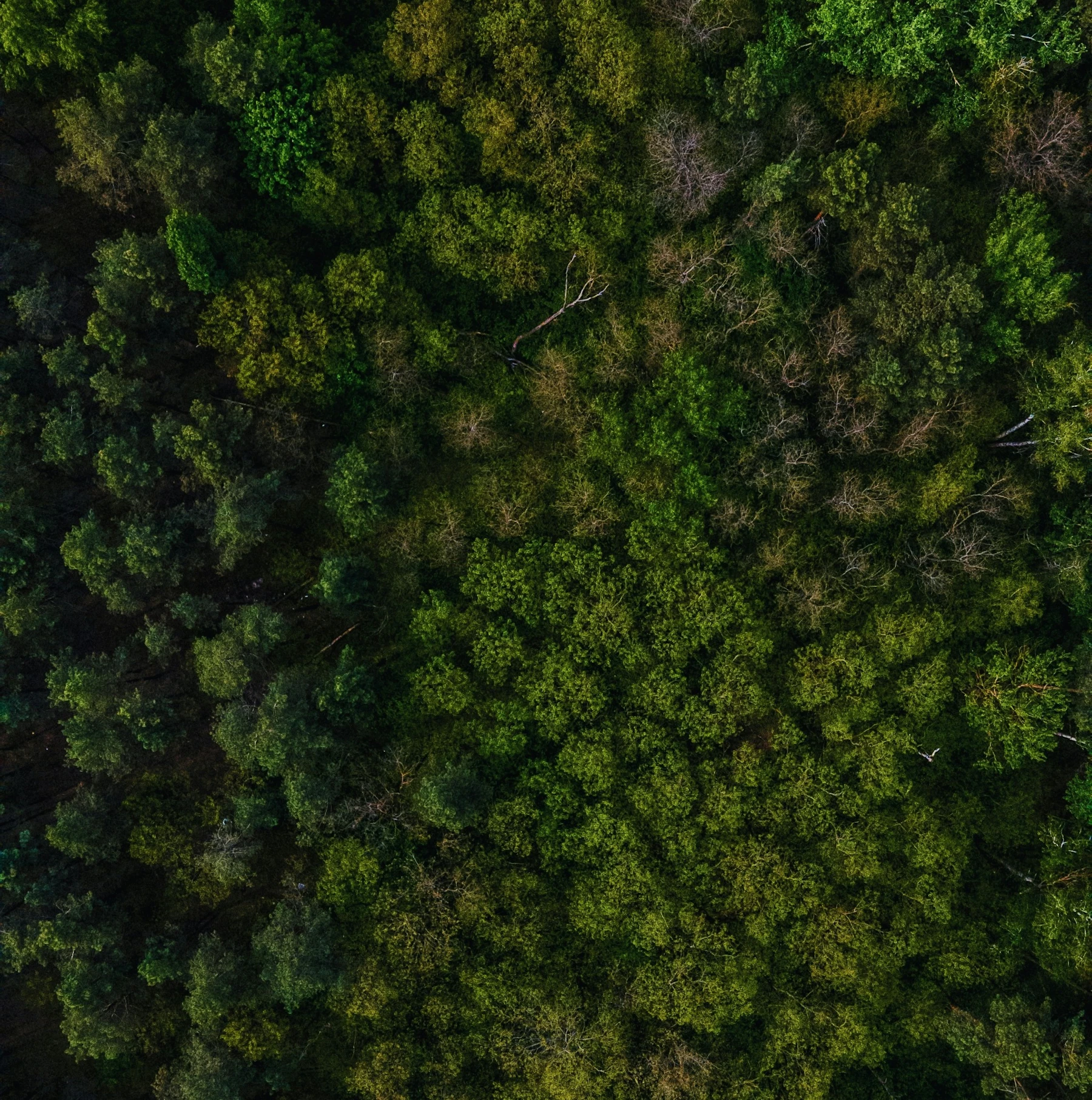
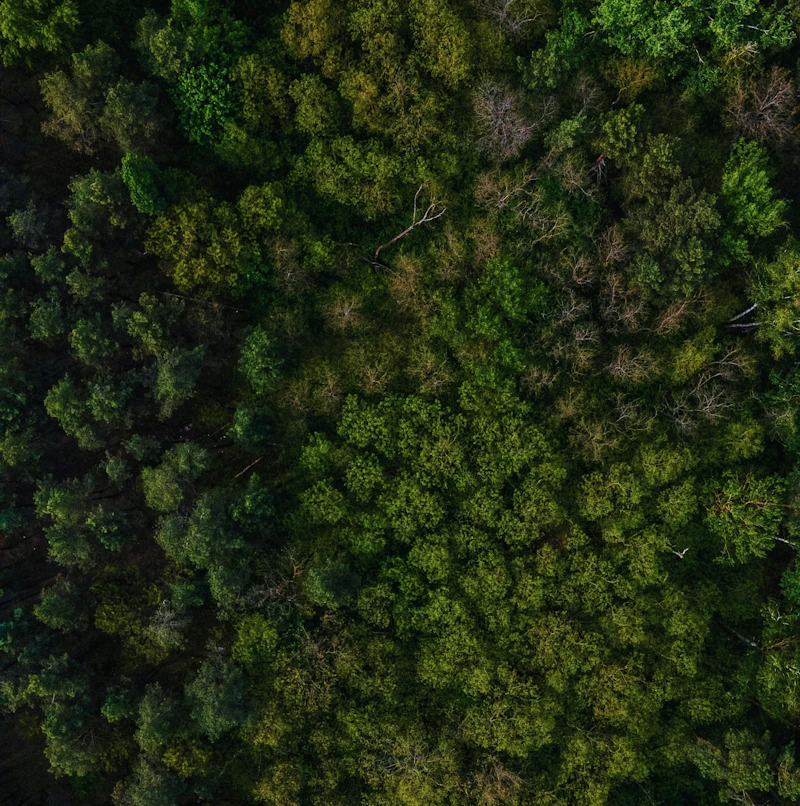
Discover the Bighorn National Forest, an incredible wilderness located in north-central Wyoming that spans 1.1 million acres. Conveniently located between Mount Rushmore and Yellowstone National Park, Bighorn features the same high-drama landscape without the crowds.
No region in Wyoming is provided with a more diverse landscape: from lush grasslands to alpine meadows, crystal-clear lakes to glacial-carved valleys, from rolling hills to sheer mountain walls.
Dramatic canyons, formed by thrust faults on both the east and west flanks and millions of years of erosion, are a hallmark of the forest. A number of them, such as Shell Canyon and Devil Canyon, feature majestic water features and unique wildlife.
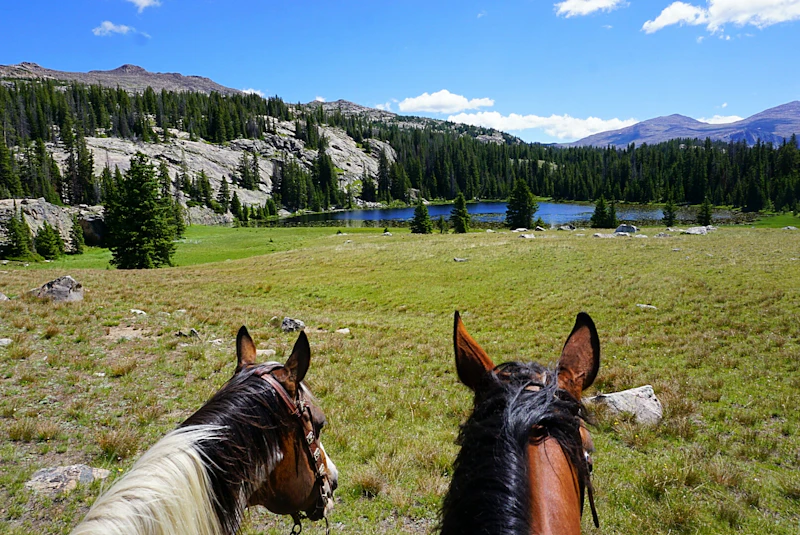
These stunning canyons contrast another key feature: sweeping mountain meadows, which feature fishing streams and offer endless wildlife-spotting opportunities. Watch for moose munching on a streambed willow or a family of mule deer bounding across fields of wildflowers.
Enjoy 189,000 acres of designated wilderness, 1,500 miles of trails, 32 campgrounds, three scenic byways, and miles and miles of streams in this more wild and remote alternative to neighboring destinations.
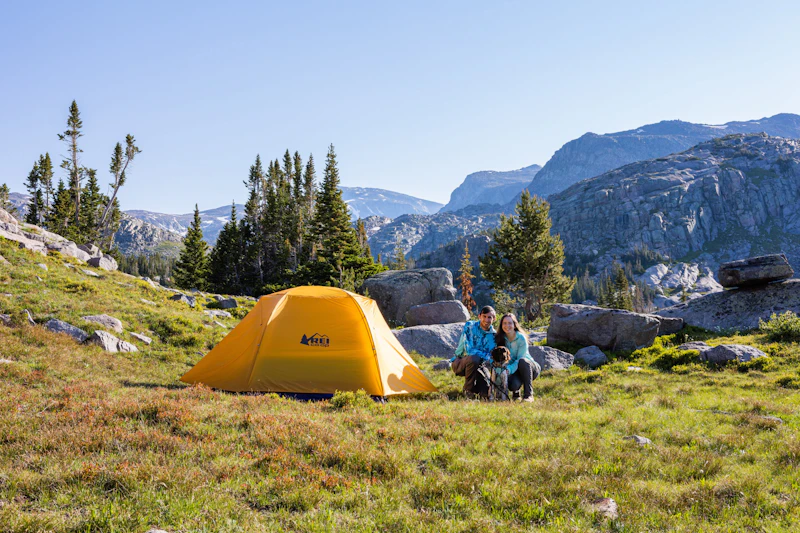 Photo by Tali Neidenfeuhr
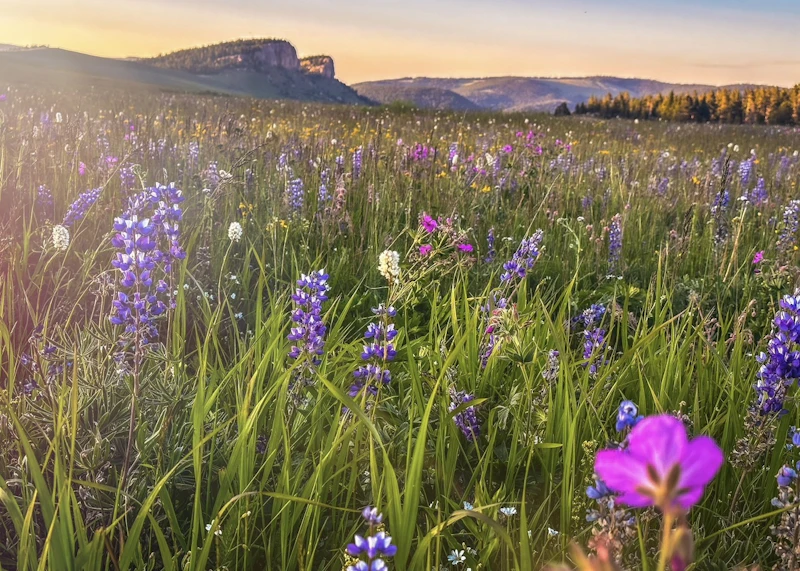 Photo by Jami Laya
 Photo by Mariah Borah
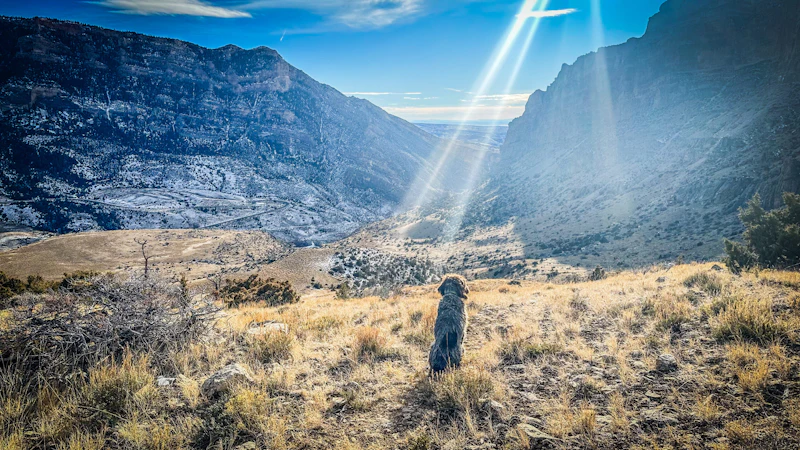 Photo by Jami Laya
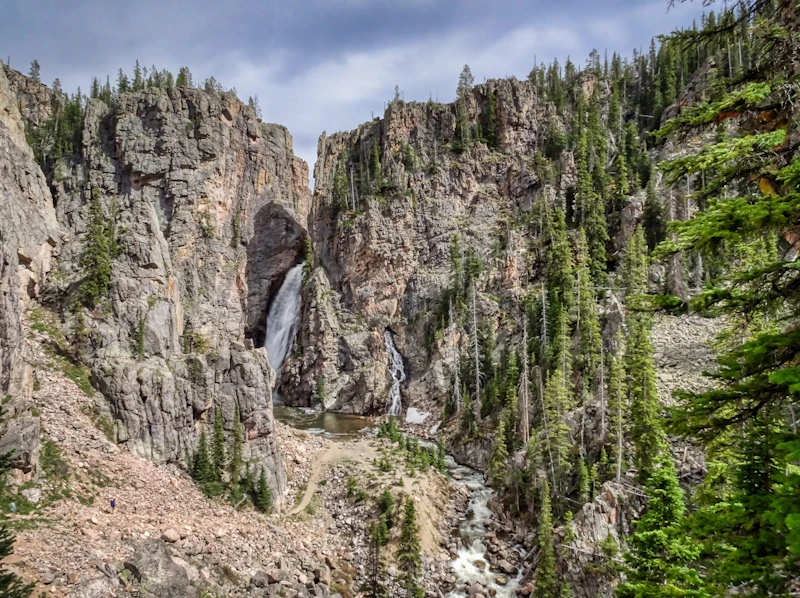 Photo by Jia Sundell-Turner
 Photo by Ansley Graves
What is the History of Bighorn National Forest?
Located on the Bighorn National Forest is the Medicine Wheel, a sacred Native American site that has been used by many tribes throughout history, from before Euro-American contact to today. The forest was named after Bighorn River, whose name was likely derived from what the Crow People called the area, in reference to the large population of Bighorn sheep that once roamed this region.
Some of the most famous battles between the Native American Indians and the U.S. military were waged at the foot of the Bighorn Mountains or in close proximity. History buffs come to this region to explore the land that once felt the footsteps of historical figures like Jim Bridger, Lewis and Clark, Red Cloud, Plenty Coups, and Buffalo Bill.
President Grover Cleveland established the Bighorn Forest Reserve in 1897, making it one of the first federally protected forest areas in the country. In 1908, President Theodore Roosevelt changed the name to the Bighorn National Forest. In recent decades, the Bighorn National Forest has focused on balancing conservation with recreation and resource use.
How to Get to the Bighorn National Forest
Bighorn National Forest, in north-central Wyoming, can be reached via Highway 14, or the Bighorn Scenic Byway, from Sheridan in the east and Greybull in the west. Highway 16, the Cloud Peak Skyway, connects the towns of Buffalo to Ten Sleep, tracing the southern end of the forest. U.S. Highway 14A runs between the communities of Lovell and Burgess Junction via the Medicine Wheel Passage, the forest’s northernmost route.
- Casper, Wyoming: 2 hours by car
- Billings, Montana: 2 hours by car
- Rapid City, South Dakota: 3 to 3.5 hours by car

Hike to the highest point in the Bighorns, 13,167-foot Cloud Peak. This stunning Wilderness Area of alpine lakes, peaks, and valleys offers the perfect backdrop to an out-and-back trail that covers 23 miles and some 5,300 feet of elevation gain. Begin at West Tensleep Trailhead, spend a night at Mistymoon Lake, before reaching the summit.
Spend a night or two at one of 25 campsites on Sibley Lake, a blissful and scenic area with mountain views that offers great fishing. It’s also the only campsite in the Bighorn National Forest to feature electrical hookups.
To experience a dramatic crossing of the Bighorn Mountains, make the journey along this 58-mile byway that travels the Powder River Basin to the Bighorn Basin. Stop at the 120-foot-falls at Shell Falls, spot moose and elk grazing in meadows, and explore the classic Western town of Sheridan.
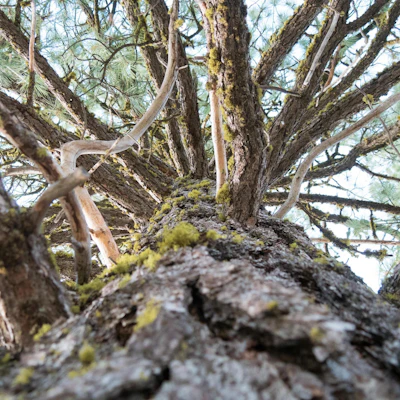 Lodgepole pine
This tall conifer is the most common tree found in Bighorn National Forest. Its name comes from its traditional use by Indigenous peoples for constructing tipis and lodges.
Lodgepole pine
This tall conifer is the most common tree found in Bighorn National Forest. Its name comes from its traditional use by Indigenous peoples for constructing tipis and lodges.
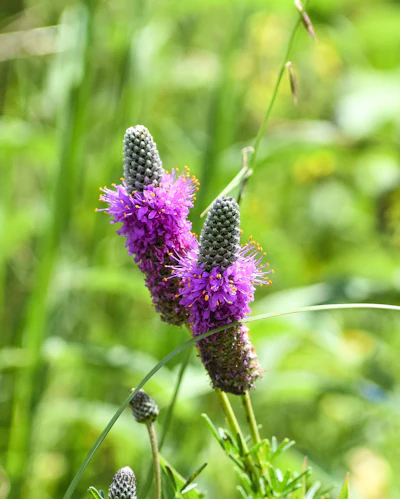 Purple prairie clover
This vibrant wildflower with cone-shaped clusters of tiny purple flowers can be found in open meadows and grasslands are plentiful around Bighorn Canyon.
Purple prairie clover
This vibrant wildflower with cone-shaped clusters of tiny purple flowers can be found in open meadows and grasslands are plentiful around Bighorn Canyon.
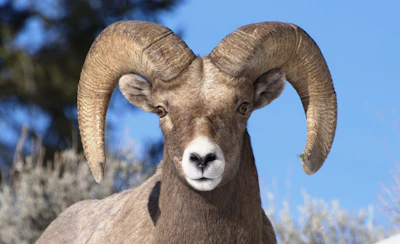 Bighorn sheep
Known for its massive curled horns and climbing skills, this sheep is the forest’s eponymous animal. For the best chance of seeing it, stop at the dedicated observation site overlooking Bighorn Basin along the Bighorn Scenic Byway.
Bighorn sheep
Known for its massive curled horns and climbing skills, this sheep is the forest’s eponymous animal. For the best chance of seeing it, stop at the dedicated observation site overlooking Bighorn Basin along the Bighorn Scenic Byway.
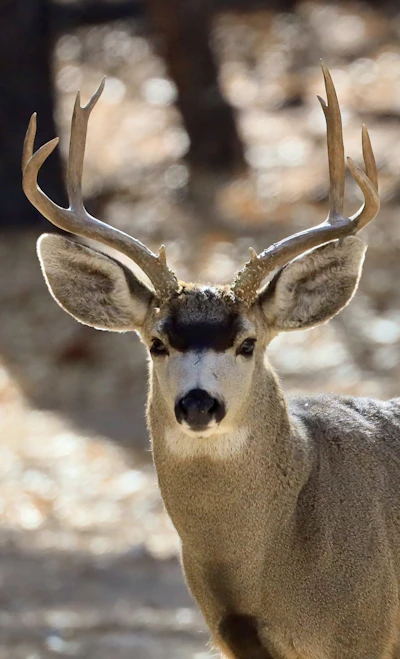 Mule deer
One of the most common sights in Bighorn National Forest, this deer has large ears and black-tipped tails and is most active at dawn and dusk.
Mule deer
One of the most common sights in Bighorn National Forest, this deer has large ears and black-tipped tails and is most active at dawn and dusk.
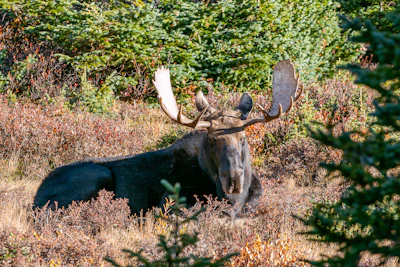 Moose
Growing up to six feet tall and weighing up to 1,600 pounds makes this herbivore easy to spot, especially near lakes and rivers.
Moose
Growing up to six feet tall and weighing up to 1,600 pounds makes this herbivore easy to spot, especially near lakes and rivers.
Related Impact
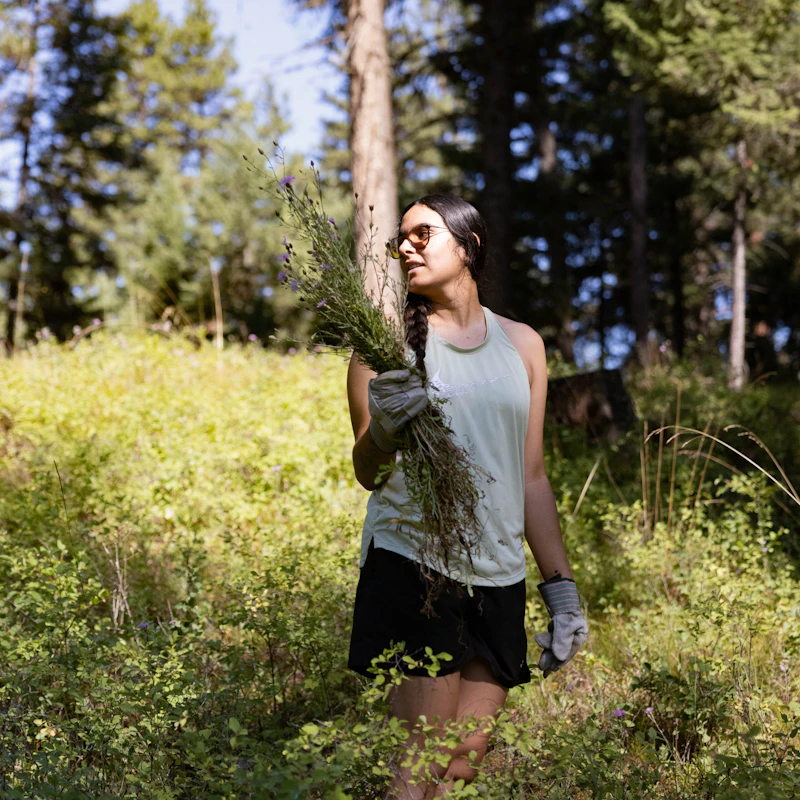
Cultivating Leaders in the Mission Mountains
A partnership-driven program connects youth on Montana’s Flathead Reservation with hands-on conservation work, heritage education, and pathways in natural resource careers.
What’s the Best First-Timer’s Adventure in the Bighorn National Forest
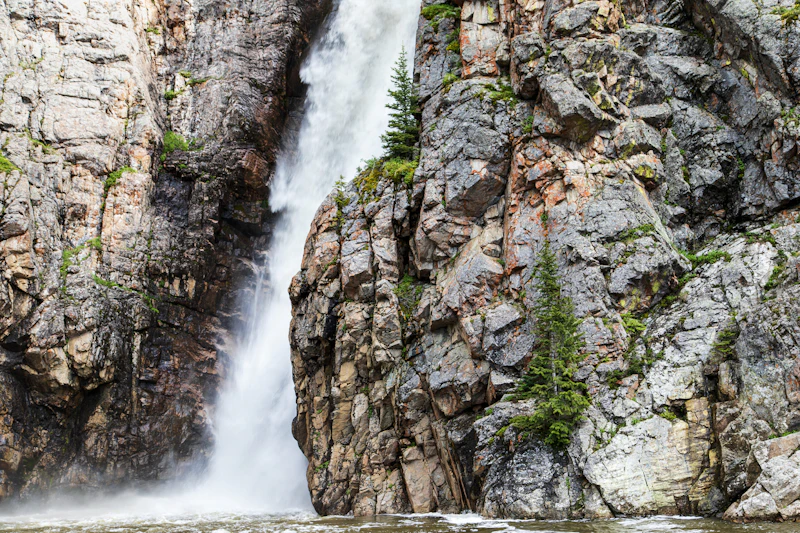
For a short hike with a big reward, head out on the half-mile Porcupine Falls Trail. While short, this route involves a lot of climbing, which makes for spectacular mountain views. Porcupine Falls sits at the end of the trail, where it crashes 200 feet into a large swimming hole.
Where to Find More Information on the Bighorn National Forest
For more information or questions, visit https://www.fs.usda.gov/r02/bighorn
Discover how communities, volunteers, and partners are shaping the future of our National Forests and Grasslands.
The National Forest Foundation works with partners across Northern Colorado to restore forests, reduce wildfire risk, and care for the…
After years of damage, recovery, and reconstruction, the trail to Hanging Lake has been fully rebuilt, creating a more durable,…
Erosion and wildfire had left Arizona's historic Highline Trail rutted and unsafe. After five years of work with the Tonto…
Forest restoration near Flagstaff is reducing wildfire risk for local communities and safeguarding the water supply for millions across the…
Colorado's 14ers draw thousands of visitors each year, and the pressure on these fragile alpine landscapes is growing. Here's a…
Visitors of all ages can explore forest trails and sparkling waters, discover wildlife and underwater habitats, and connect with Tahoe’s…
A partnership-driven program connecting youth on Montana’s Flathead Reservation with hands-on conservation work, heritage education, and pathways in natural resource…
Seeing the impact first hand on the Grand Mesa, Uncompaghre and Gunnison National Forests
Seven Years of Reopening Trails After the Eagle Creek Fire
Field Ranger Program Connects Diverse Communities to Forests in Southern California
Our Forests Need Us Today.
Your donation powers critical, on-the-ground conservation—from wildfire recovery to watershed restoration—protecting forests for the future.