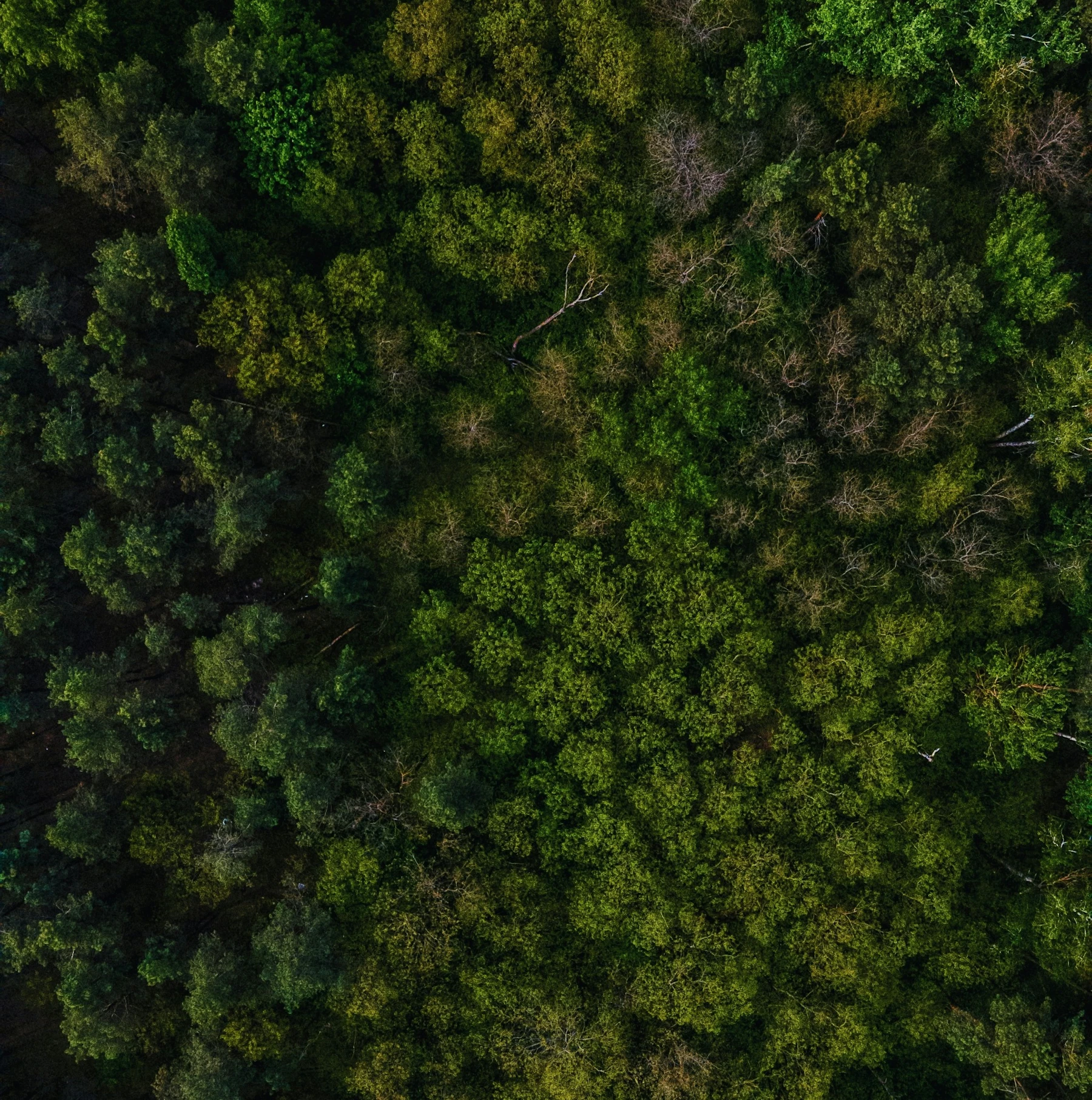
Explore the Fremont-Winema National Forest, 2.3 million acres of pine forest, marshes, and meadows bordered by the Cascade Mountain Range, Crater Lake National Park, the Klamath River Basin, and the Oregon-California border.
To the west, extensive stands of ponderosa and lodgepole pine grow on deep pumice and ash that blanketed the area during the eruption of Mt. Mazama, now Crater Lake, nearly 7,000 years ago. Near the floor of the Klamath River Basin, the forest opens to vast marshes and meadows around Upper Klamath Lake and the Williamson River. This area is known for year-round sunshine and as a crucial habitat for migratory birds along the Pacific Flyway.
The eastern portion of the Fremont-Winema offers expansive views, dramatic cliffs, and solitude. The area is known as Oregon’s Outback for its high-desert terrain, and provides the self-reliant recreationist the opportunity to discover nature in a rustic environment. This part of the forest is home to the Fremont National Recreation Trail, also known as the Southern Oregon Intertie Trail.
It’s just one of many that traverse the forest and allow for hiking, biking, and horseback riding. High-elevation lakes and streams offer fishing for legendary Northwest salmon and enjoying all kinds of water activities, while remote woodlands offer big-game hunting for deer and elk. In the winter, the forest attracts cross-country skiers and snowmobilers to its extensive trail system.
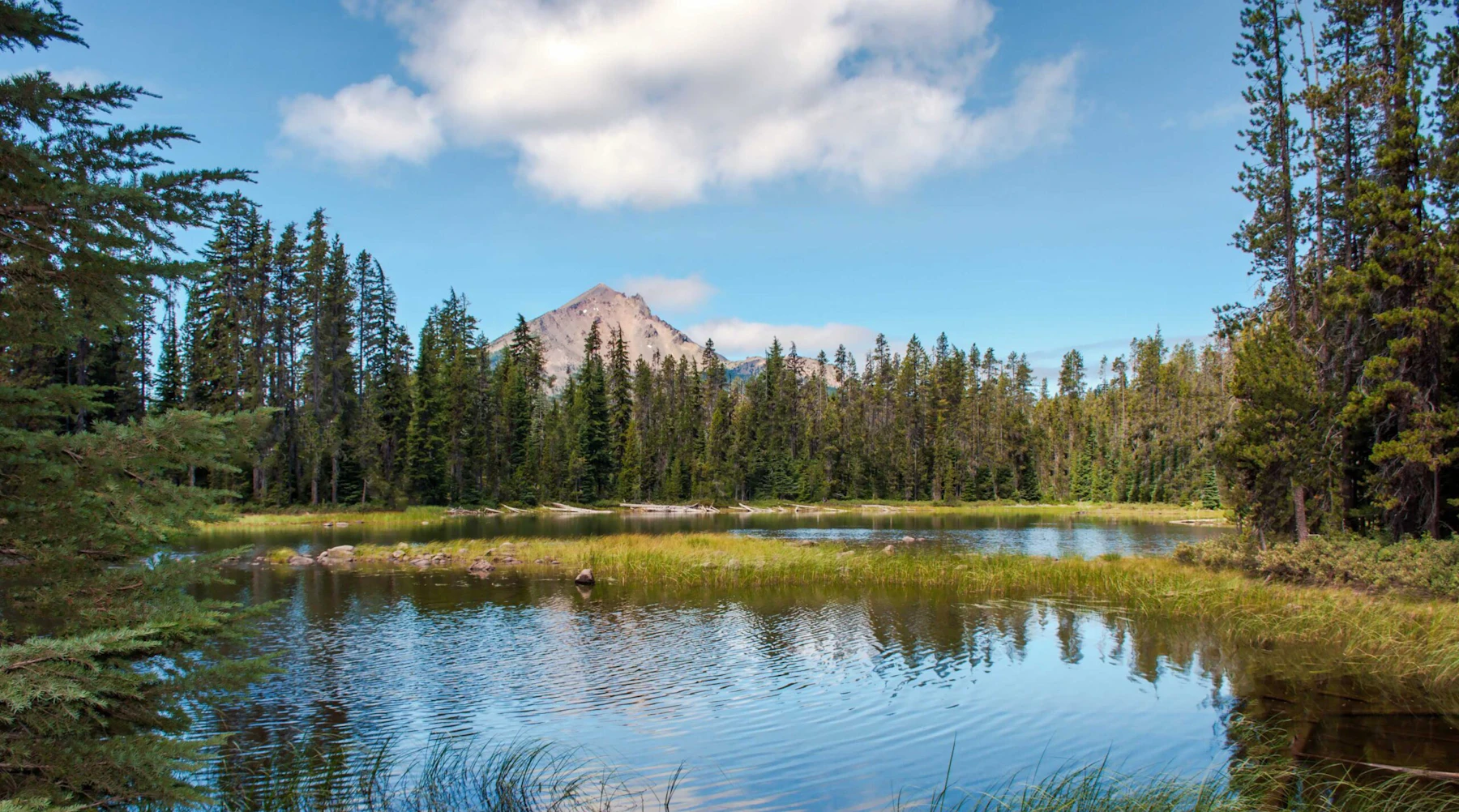
 Four Mile Lake area. Photo by Jackie Dyer
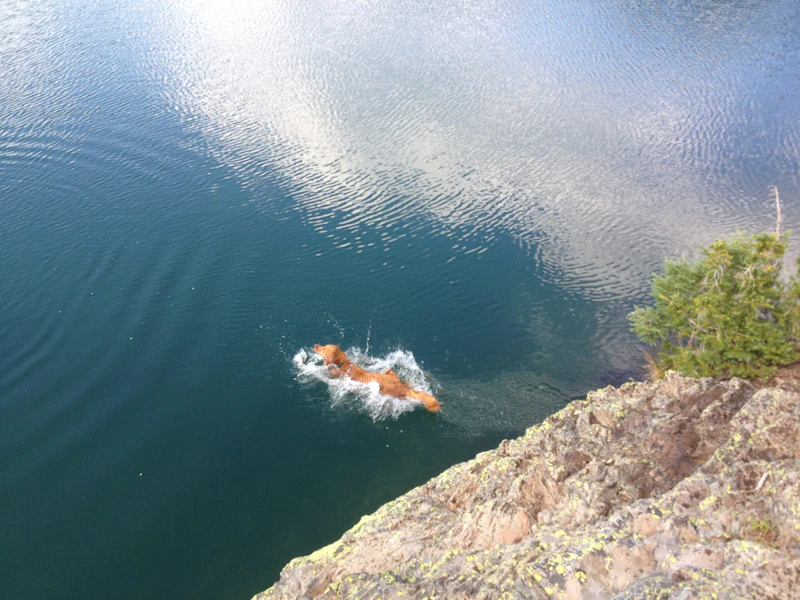 Sky Lakes Wilderness. Photo by Kevyn Leonetti
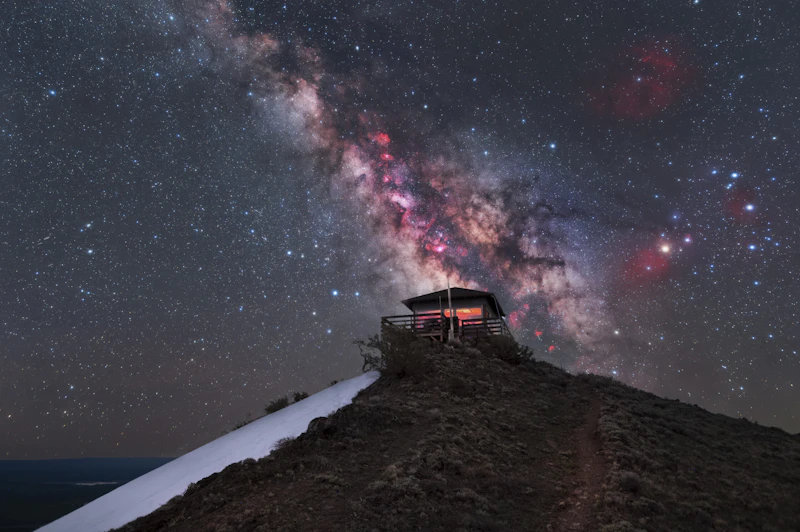
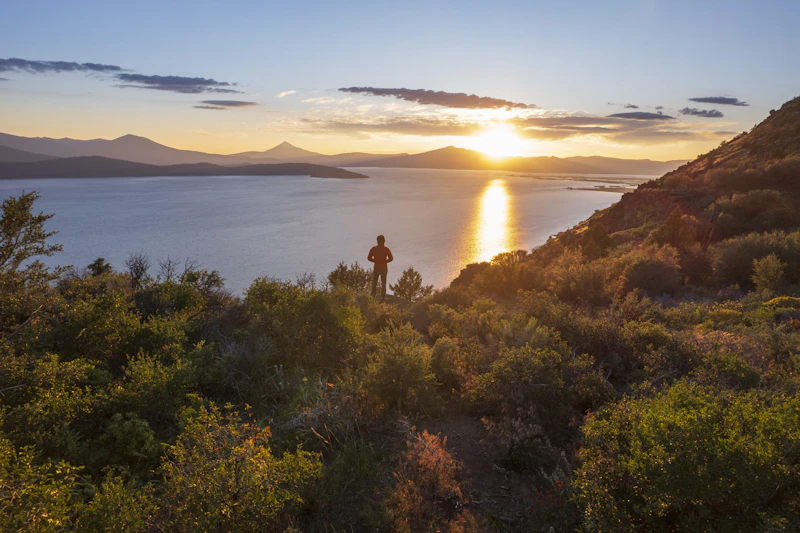 Photo by Adam Karp
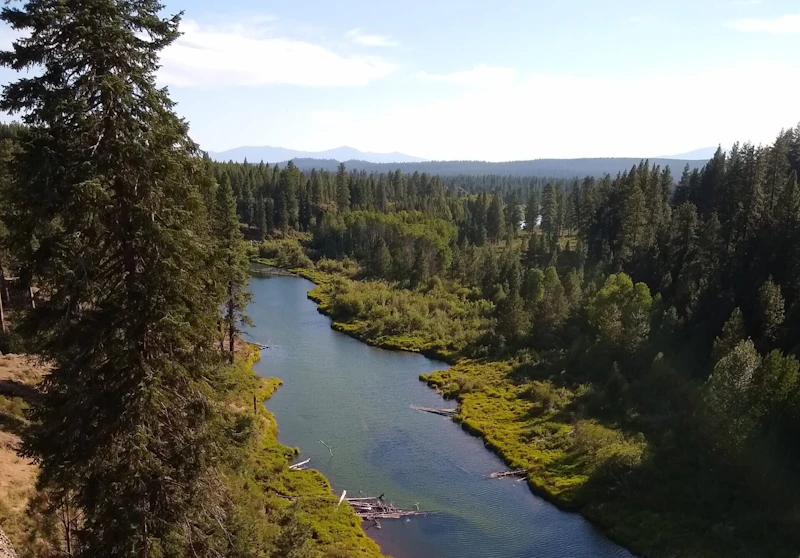 Photo by Monica Hughes
What is the History of the Fremont-Winema National Forest?
The forest has strong ties to Native American heritage, including that of the Klamath, Modoc, and Northern Paiute. A portion of the Winema area is part of the former Klamath Indian Reservation, and co-management with local tribes reflects ongoing efforts to balance ecological health with cultural values and economic needs.
The Fremont National Forest was established in 1908 and named after explorer John C. Frémont, who traversed the region in the 1840s. The Winema National Forest was created in 1961, incorporating former reservation land after tribal termination. It was named after Modoc peacemaker Toby “Winema” Riddle, who played a key role in attempting to prevent violence during the Modoc War.
In 2002, the two forests were administratively combined to form the Fremont-Winema National Forest.
How to Get to the Fremont-Winema National Forest
Located in south-central Oregon, how to get to the Fremont-Winema National Forest will depend on what part you’d like to explore. From the west, the city of Klamath Falls is the main gateway, located off of Oregon Route 140, which runs east‑west and skirts the Winema portion of the forest. From the east, Route 395 skirts towns like Lakeview, which provides access to the forest’s eastern high desert zones.
- Medford, Oregon: 2 to 2.5 hours by car
- Bend, Oregon: 2 to 2.5 hours by car
- Eugene, Oregon: 3 hours by car
- Redding, California: 3 hours by car

This 135-mile trail stretches the entire length of the Fremont section of the forest and winds through its quintessential scenery. Hike through high-desert plateaus, pine forests, and along craggy ridgelines and take in views of Summer Lake and the North Warner Mountains.
For the ultimate backcountry adventure, head to this wilderness area. Hike or camp at three major lake basins that trace the crest of the Cascades, or opt for a few nights along the Pacific Coast Trail, which traverses the entire length of the landscape.
With expansive pine forests, open meadows, and rolling terrain, the forest provides excellent conditions for cross-country skiing. Popular areas near Lake of the Woods, Fourmile Lake, and the Gearhart Wilderness offer groomed and ungroomed trails suited for all skill levels, from Billie Creek Loop to Big Mac. There are also many multi-use trails maintained by the Klamath Basin Snowdrifters.
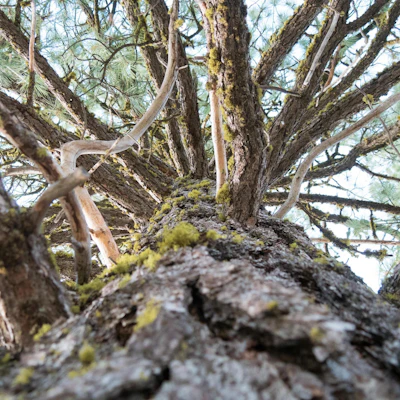 Lodgepole pine
This is one of the most common tree species found in the Fremont-Winema. The tall and thin conifer plays an important part in regeneration after wildfire, as the resin in its cones melt—and seeds release—only when heated by fire.
Lodgepole pine
This is one of the most common tree species found in the Fremont-Winema. The tall and thin conifer plays an important part in regeneration after wildfire, as the resin in its cones melt—and seeds release—only when heated by fire.
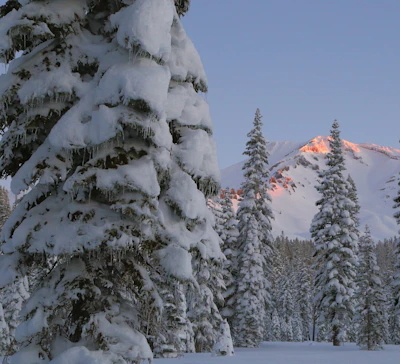 Shasta red fir
This tall, straight conifer with a dense crown can be found in moist areas, particularly near the Cascade crest. It plays an important role in snowpack retention.
Shasta red fir
This tall, straight conifer with a dense crown can be found in moist areas, particularly near the Cascade crest. It plays an important role in snowpack retention.
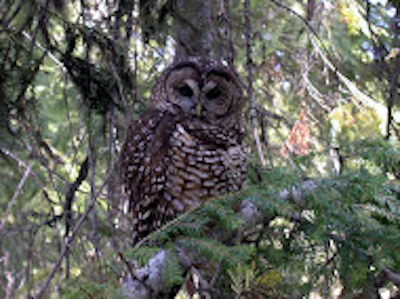 Northern spotted owl
This threatened species has been making a slow return thanks to conservation efforts. It thrives in old-growth coniferous forests and feeds on small mammals.
Northern spotted owl
This threatened species has been making a slow return thanks to conservation efforts. It thrives in old-growth coniferous forests and feeds on small mammals.
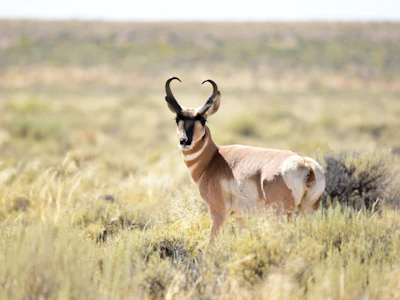 Pronghorn
One of the country’s fastest land animals, this antelope has branched horns and can be spotted in high-desert grasslands across the forest.
Pronghorn
One of the country’s fastest land animals, this antelope has branched horns and can be spotted in high-desert grasslands across the forest.
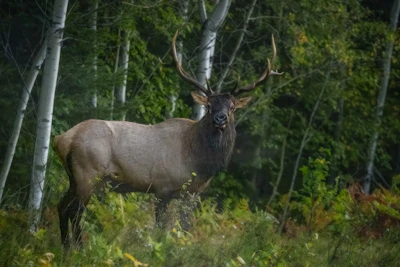 Elk
This majestic animal, the second largest species in the deer family after moose, is most active during dawn and dusk and during fall rutting season.
Elk
This majestic animal, the second largest species in the deer family after moose, is most active during dawn and dusk and during fall rutting season.
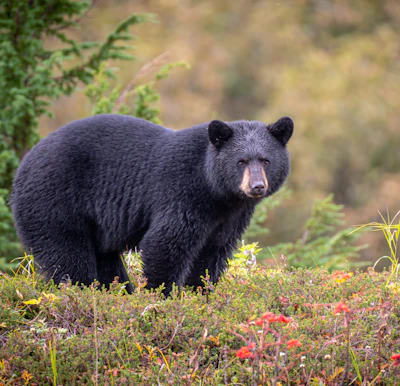 Black bear
This medium-sized bear is shy and usually avoids humans, but its excellent sense of smell means visitors should keep food stowed properly when camping.
Black bear
This medium-sized bear is shy and usually avoids humans, but its excellent sense of smell means visitors should keep food stowed properly when camping.
Related Impact
Restoring the Columbia River Gorge National Scenic Area
Working hand-in-hand with the community and our partners, less than a decade after the devastating Eagle Creek Fire, nearly every mile of trail that was damaged has reopened.
What’s the Best First-Timer’s Adventure in the Fremont-Winema National Forest?
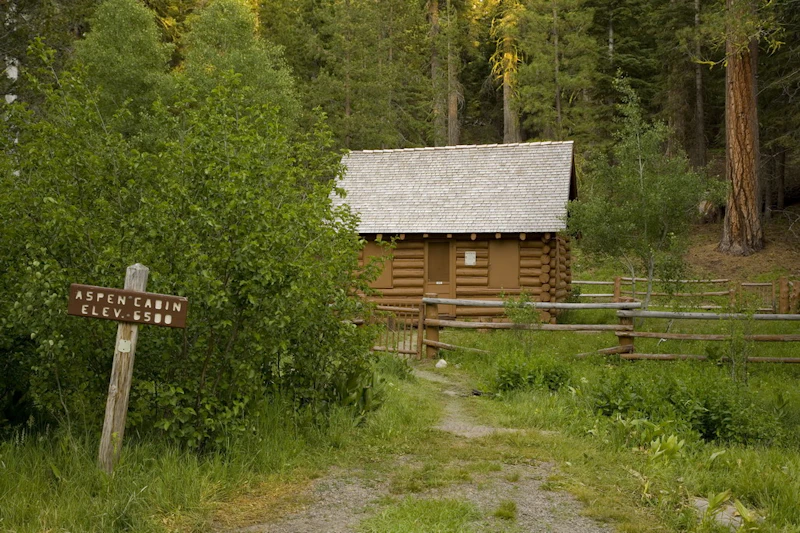
There’s no better way than experiencing the Fremont-Winema than by spending a night or two in a log cabin. From the Fremont Point Cabin, which sits on an overlook 3,000 feet above Summer Lake and a high-desert landscape beyond, to Aspen Cabin, a log cabin nestled in a bird-filled forest in the North Warner Mountains, the Fremont-Winema forest has a variety of cabins for rent—many of them historic.
Where to Find More Information on the Fremont-Winema National Forest
For more information or questions, visit https://www.fs.usda.gov/r06/fremont-winema
Discover how communities, volunteers, and partners are shaping the future of our National Forests and Grasslands.
The National Forest Foundation works with partners across Northern Colorado to restore forests, reduce wildfire risk, and care for the…
After years of damage, recovery, and reconstruction, the trail to Hanging Lake has been fully rebuilt, creating a more durable,…
Erosion and wildfire had left Arizona's historic Highline Trail rutted and unsafe. After five years of work with the Tonto…
Forest restoration near Flagstaff is reducing wildfire risk for local communities and safeguarding the water supply for millions across the…
Colorado's 14ers draw thousands of visitors each year, and the pressure on these fragile alpine landscapes is growing. Here's a…
Visitors of all ages can explore forest trails and sparkling waters, discover wildlife and underwater habitats, and connect with Tahoe’s…
A partnership-driven program connecting youth on Montana’s Flathead Reservation with hands-on conservation work, heritage education, and pathways in natural resource…
Seeing the impact first hand on the Grand Mesa, Uncompaghre and Gunnison National Forests
Seven Years of Reopening Trails After the Eagle Creek Fire
Field Ranger Program Connects Diverse Communities to Forests in Southern California
Our Forests Need Us Today.
Your donation powers critical, on-the-ground conservation—from wildfire recovery to watershed restoration—protecting forests for the future.