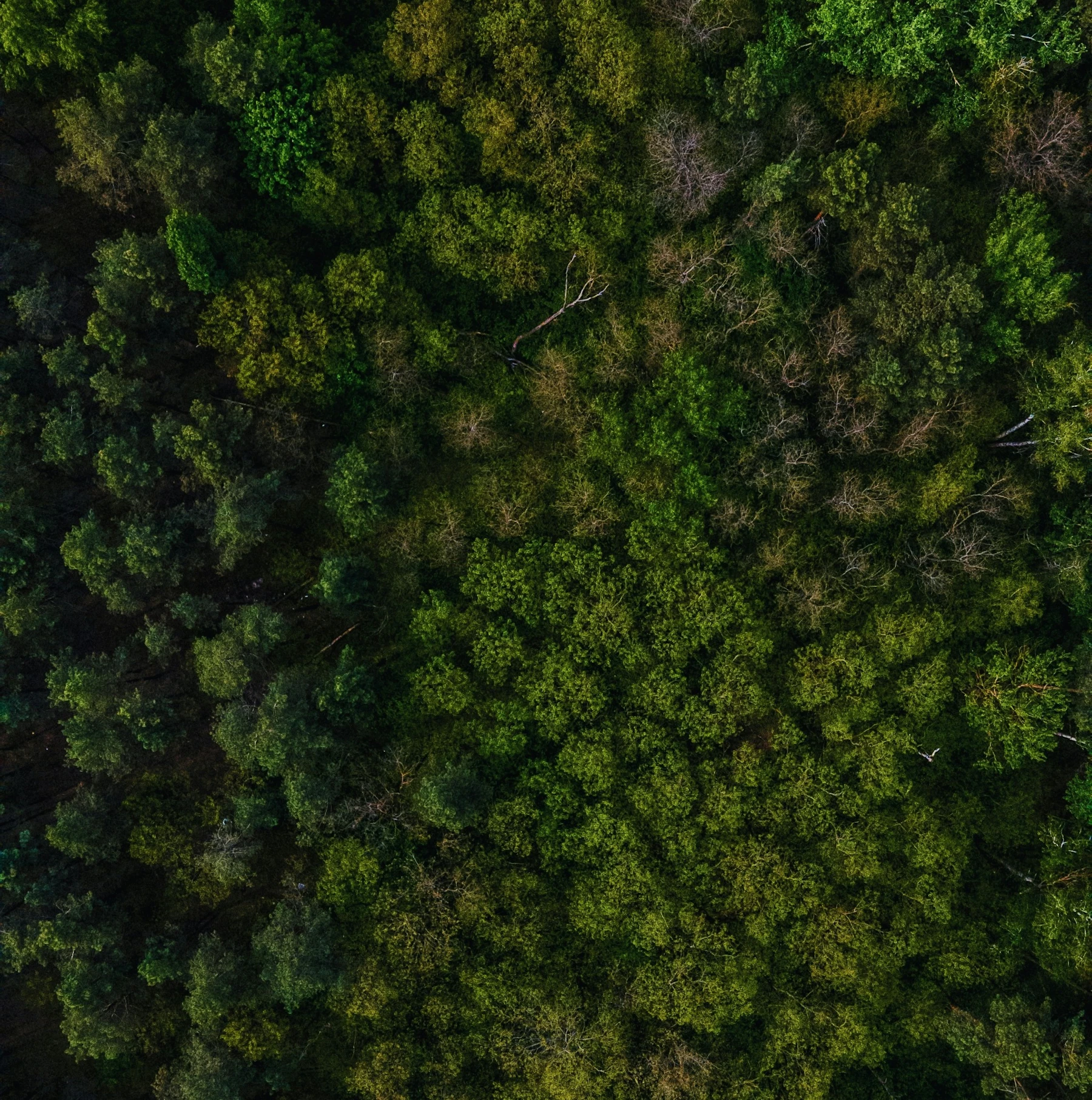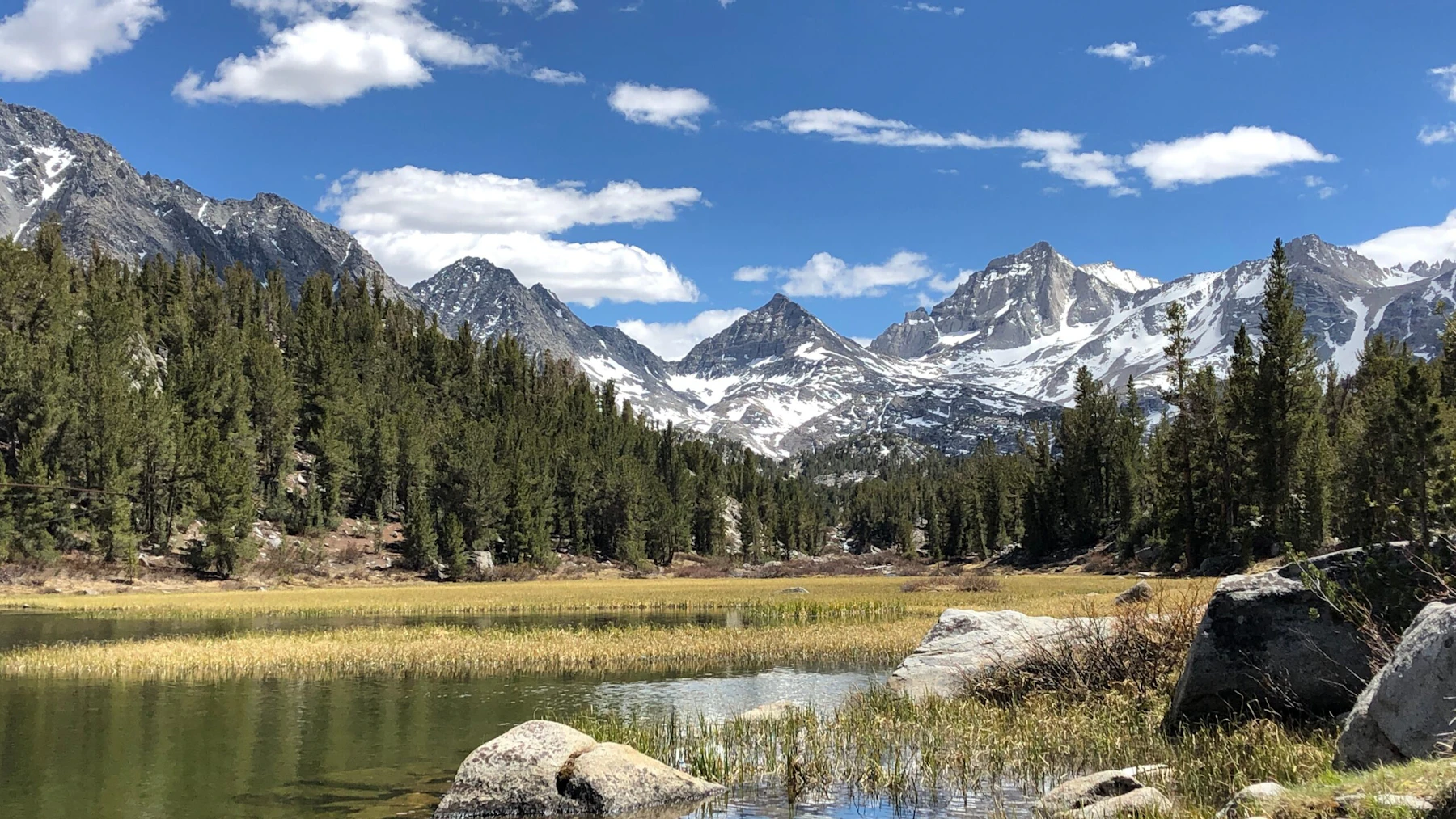
Explore the Inyo National Forest, over two million acres across California’s beautiful eastern Sierra. The forest hosts some of the country’s most incredible natural wonders, including Mount Whitney, the highest peak in the contiguous United States; Mono Lake, one of the oldest lakes in the country; and the Ancient Bristlecone Pine Forest, home to the oldest living trees in the world.
The Inyo National Forest is divided into north and south zones, with two Ranger Districts in each. There are seven Wilderness Areas that span over 650,000 acres. The John Muir Wilderness encompasses a 100-mile stretch of quintessential Sierra Nevada peaks and valleys, including the tallest peak in the lower 48 states, 14,496-foot Mount Whitney. It is one of the most visited wildernesses in the nation.
While hiking is the best way to experience the Inyo National Forest, the trails are on the challenging side, with elevations ranging from 3,900 to 14,494 feet. That being said, the trails lead to arguably the best viewpoints in the Sierras. Mammoth Mountain is also home to some of the country’s best mountain biking and 2,200 of roads and trails support off-roading.
Over 400 lakes and 1,100 miles of rivers and streams offer excellent fishing. A popular winter destination, the Inyo has two ski resorts, over 100 miles of trails groomed for snowmobiling, and 45 miles groomed for cross-country skiing.
If you are planning to camp overnight in the wilderness, a Wilderness Permit is required, for up to six months in advance. The only trail that requires a day use permit is the Mount Whitney Trail.
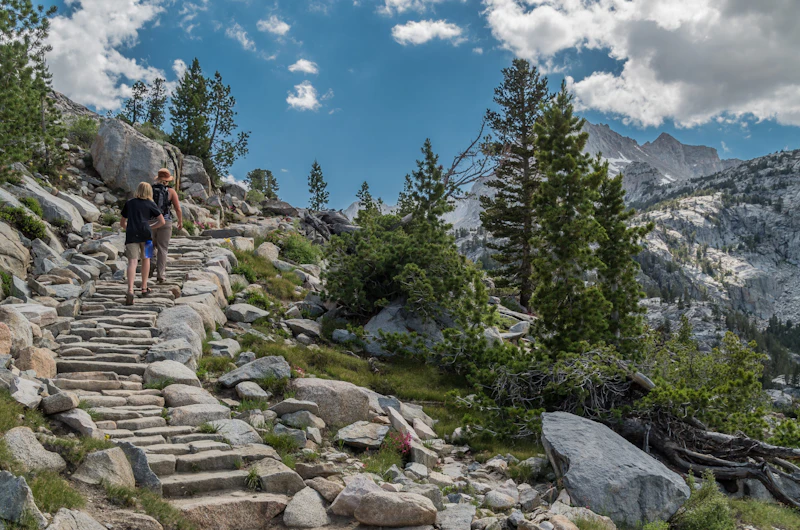 Photo by Ken Miller
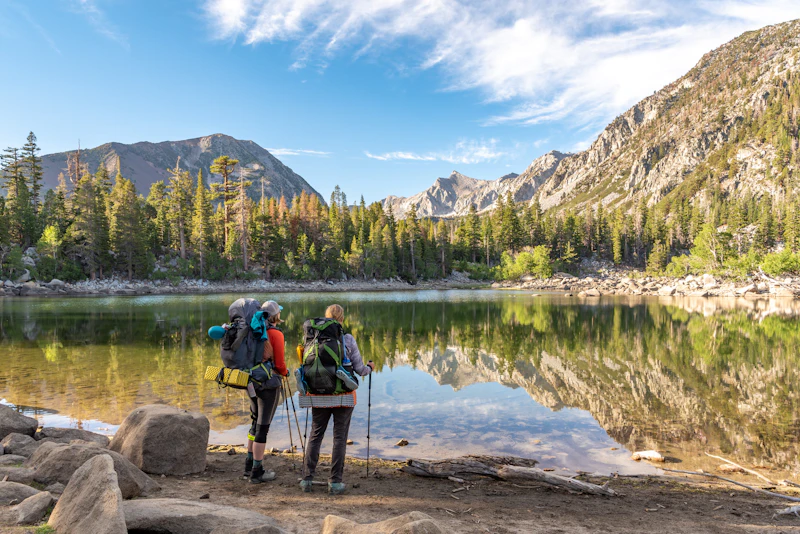 Photo by Veronika Vaneckova
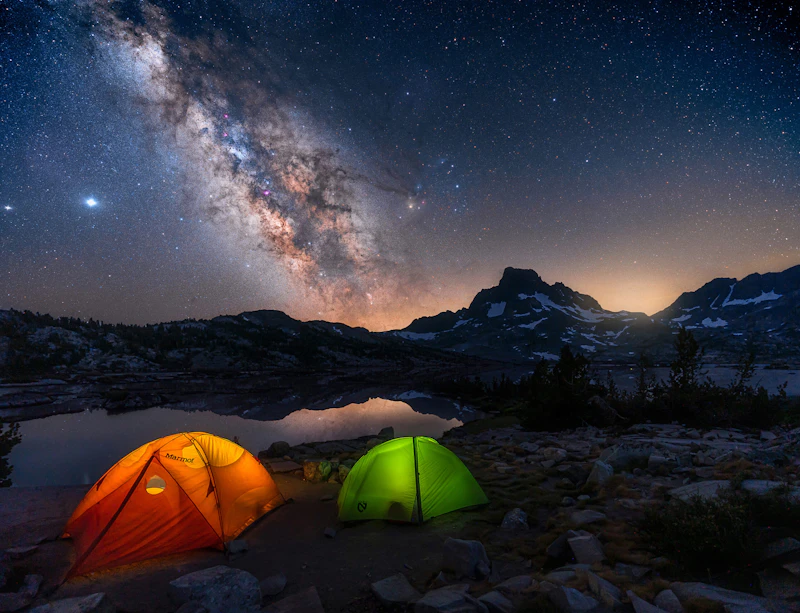 Photo by Kelly Teich
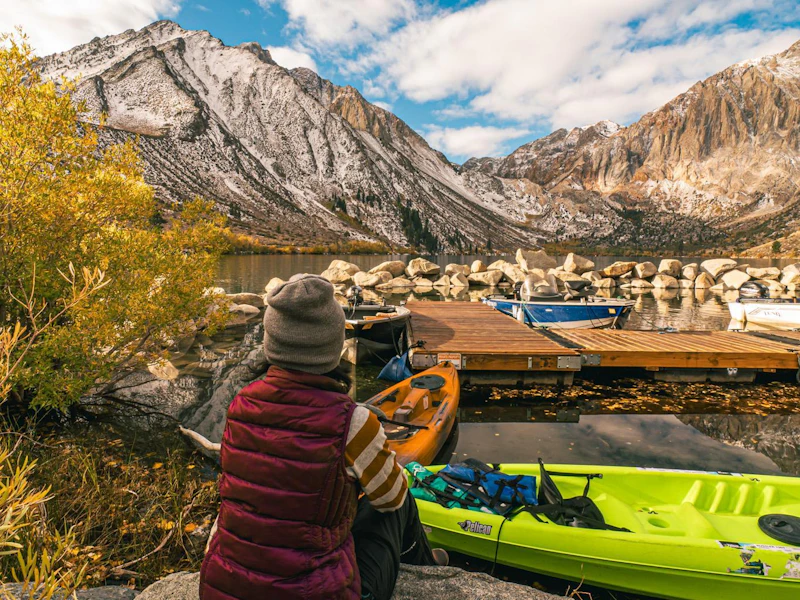 Photo by Tuong Van Stanoff
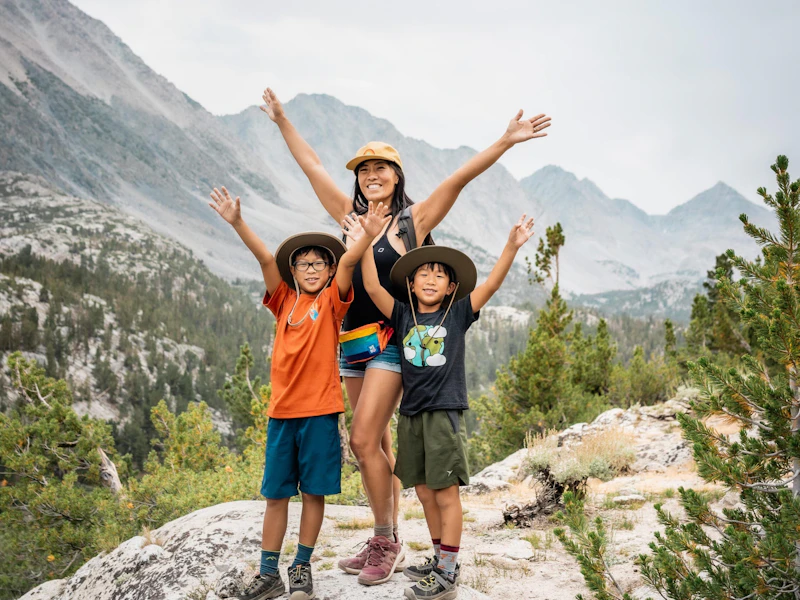 Photo by Felicia Wong
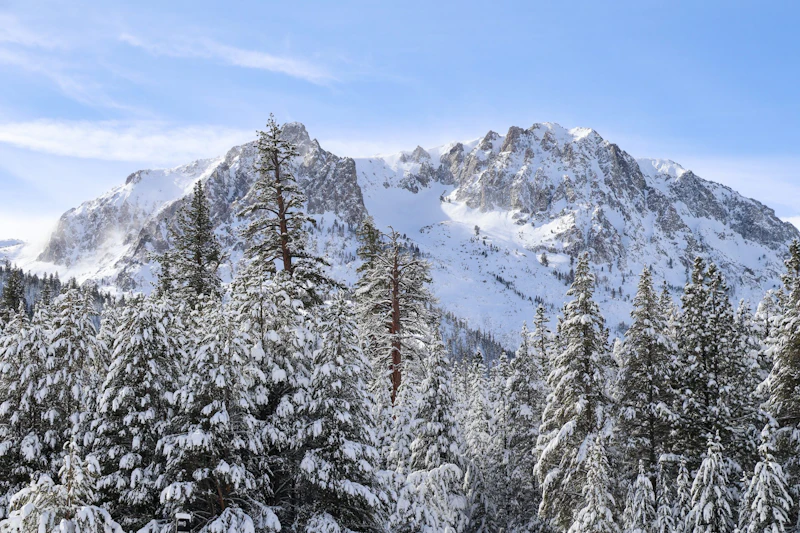 Photo by Karlee Hormell
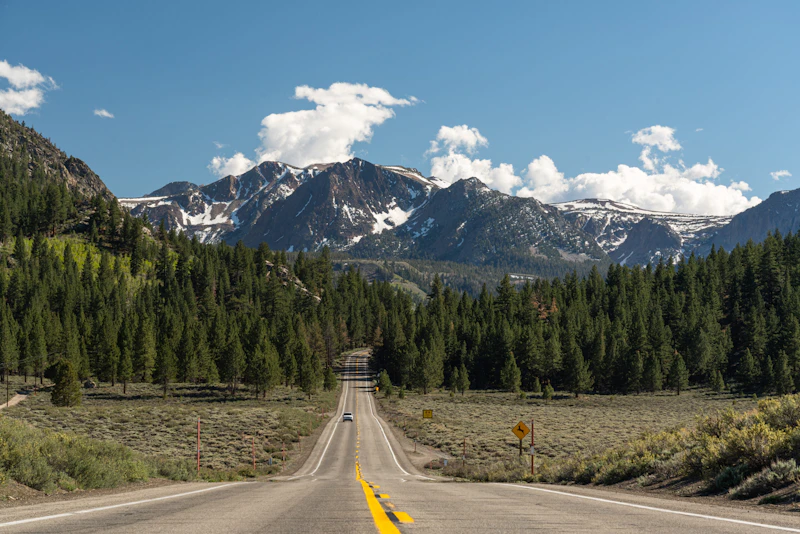 Photo by Elizabeth Sexton
What is the History of the Inyo National Forest?
The name “Inyo” comes from a Mono word meaning “dwelling place of the great spirit,” having been the home of the Mono tribe, as well as the Coso, Timbisha, and Kawaiisu peoples, for thousands of years.
During the 19th century, European-American settlers arrived, drawn by mining, logging, and ranching. The discovery of gold, silver, and other minerals led to the establishment of towns, trails, and infrastructure, destroying native communities and ecosystems.
By the early 20th century, concerns over deforestation, water resources, and land management prompted the federal government to create Inyo National Forest in 1907.
How to Get to the Inyo National Forest
From the west, travelers typically take U.S. Highway 395, which runs north-south along the eastern Sierra Nevada. This scenic highway connects communities like Bishop, Mammoth Lakes, and Lone Pine, all of which serve as gateways into the forest.
From the south, visitors coming from Los Angeles can reach the forest via State Route 14 to Highway 395, passing through desert landscapes before climbing into the mountains. From the north, travelers from Reno or Sacramento can take Interstate 80 to U.S. 395 south, entering the forest near the town of Bridgeport.
- Reno, Nevada: 3 to 3.5 hours by car
- Merced, California: 4 hours by car
- Fresno, California: 4.5 hours by car
- Sacramento, California: 4.5 to 5 hours by car

This bucket-list trail, which climbs over 6,000 feet in 11 miles, is not for the faint of heart, but those who embark on it will be rewarded with some of the best views in the Sierra Nevada. When the route is snow free, usually from late June to mid-October, it’s a non-technical climb that is feasible for most skill levels. Be sure to secure a permit.
This forest is home to the oldest living trees in the world, with some specimens nearly 5,000 years old and still living. The forest is located to the east of Bishop and Big Pine in the White Mountains, close to the California–Nevada border.
Renowned for its stunning granite formations, Buttermilk Country near the town of Bishop features countless boulders ranging from beginner-friendly problems to extreme challenges, attracting climbers from all over.
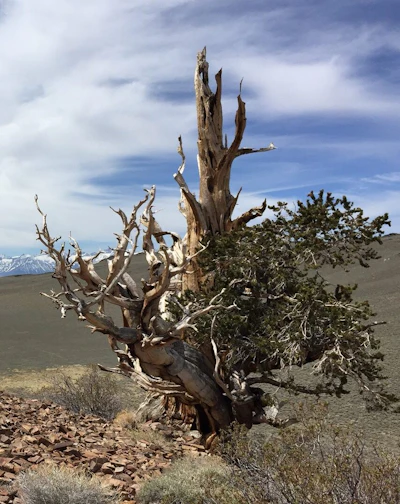 Bristlecone pine
The oldest living tree on the planet, this pine has twisted trunks and resinous wood that allows it to withstand wind, cold, and drought.
Bristlecone pine
The oldest living tree on the planet, this pine has twisted trunks and resinous wood that allows it to withstand wind, cold, and drought.
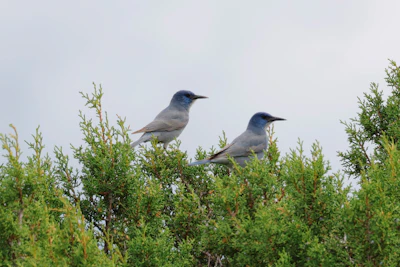 Pinyon jay
This social and intelligent bird, recognized by blue plumage that is dark at the head and gradually lightens over the body, is closely tied to pinyon pine trees, feeding primarily on their seeds.
Pinyon jay
This social and intelligent bird, recognized by blue plumage that is dark at the head and gradually lightens over the body, is closely tied to pinyon pine trees, feeding primarily on their seeds.
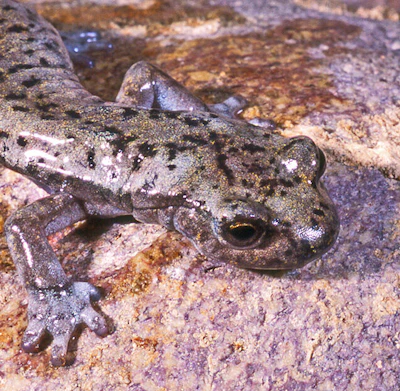 Mount Lyell salamander
Typically dark brown or black with subtle markings, this salamander inhabits cool areas near streams at high elevations.
Mount Lyell salamander
Typically dark brown or black with subtle markings, this salamander inhabits cool areas near streams at high elevations.
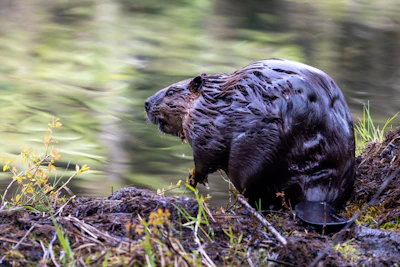 Beaver
Nature’s best engineer is a common presence in the forest, though you’re more likely to see its dams—along Bishop Creek, Rock Creek, and McGee Creek—than beavers themselves.
Beaver
Nature’s best engineer is a common presence in the forest, though you’re more likely to see its dams—along Bishop Creek, Rock Creek, and McGee Creek—than beavers themselves.
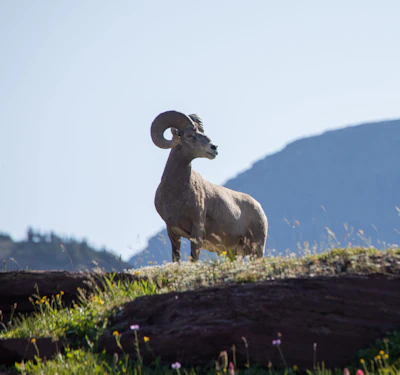 Bighorn sheep
Known for its massive curled horns and climbing skills, this sheep can be found in the high elevation areas of the three mountain ranges.
Bighorn sheep
Known for its massive curled horns and climbing skills, this sheep can be found in the high elevation areas of the three mountain ranges.
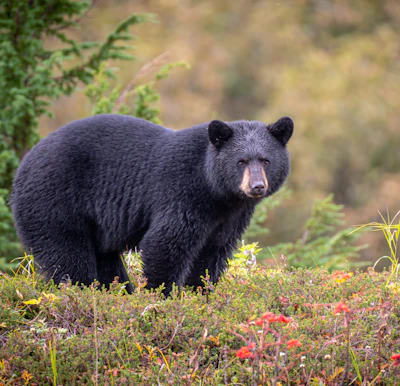 Black bear
This medium-sized bear resides in the dense forests and open meadows of the forest, foraging for berries, insects, and small animals. It’s important to keep all food stored when recreating in the Inyo.
Black bear
This medium-sized bear resides in the dense forests and open meadows of the forest, foraging for berries, insects, and small animals. It’s important to keep all food stored when recreating in the Inyo.
Related Impact
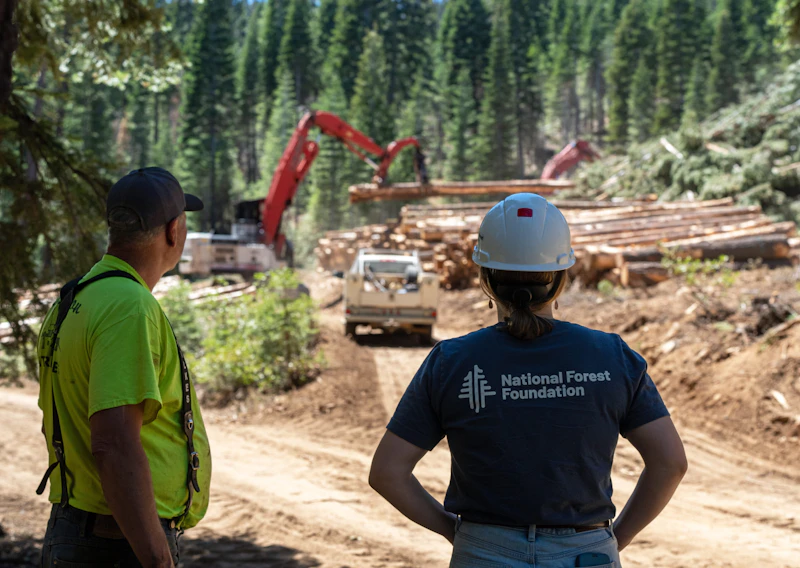
Creating a Fire Resilient Truckee
The largest, most destructive wildfires in California’s history have occurred in the last ten years. Everything is at stake for mountain communities like Truckee.
What’s the Best First-Timer’s Adventure in the Inyo National Forest
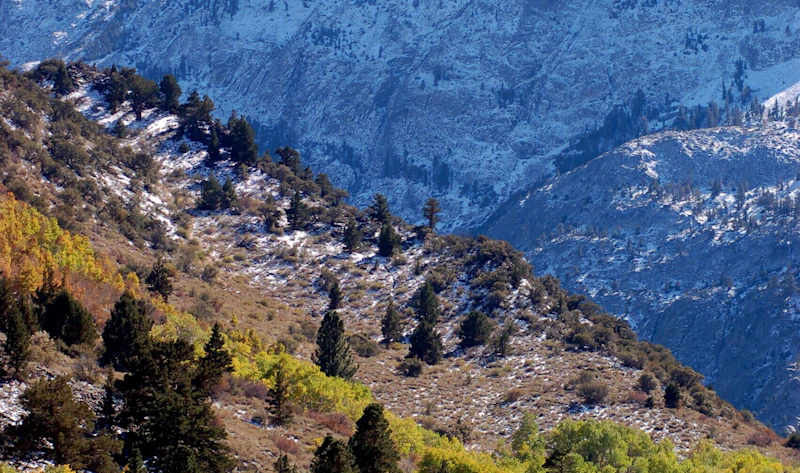
Driving the June Lake Loop is the perfect introduction to the Eastern Sierra’s stunning landscapes. This 16-mile journey passes a series of stunning lakes and waterfalls in a horseshoe-shaped canyon, providing incredible photography and wildlife-spotting opportunities. It’s especially scenic during fall foliage and summer wildflower seasons.
Where to Find More Information on the Inyo National Forest
For more information or questions, visit https://www.fs.usda.gov/r05/inyo
Discover how communities, volunteers, and partners are shaping the future of our National Forests and Grasslands.
The National Forest Foundation works with partners across Northern Colorado to restore forests, reduce wildfire risk, and care for the…
After years of damage, recovery, and reconstruction, the trail to Hanging Lake has been fully rebuilt, creating a more durable,…
Erosion and wildfire had left Arizona's historic Highline Trail rutted and unsafe. After five years of work with the Tonto…
Forest restoration near Flagstaff is reducing wildfire risk for local communities and safeguarding the water supply for millions across the…
Colorado's 14ers draw thousands of visitors each year, and the pressure on these fragile alpine landscapes is growing. Here's a…
Visitors of all ages can explore forest trails and sparkling waters, discover wildlife and underwater habitats, and connect with Tahoe’s…
A partnership-driven program connecting youth on Montana’s Flathead Reservation with hands-on conservation work, heritage education, and pathways in natural resource…
Seeing the impact first hand on the Grand Mesa, Uncompaghre and Gunnison National Forests
Seven Years of Reopening Trails After the Eagle Creek Fire
Field Ranger Program Connects Diverse Communities to Forests in Southern California
Our Forests Need Us Today.
Your donation powers critical, on-the-ground conservation—from wildfire recovery to watershed restoration—protecting forests for the future.