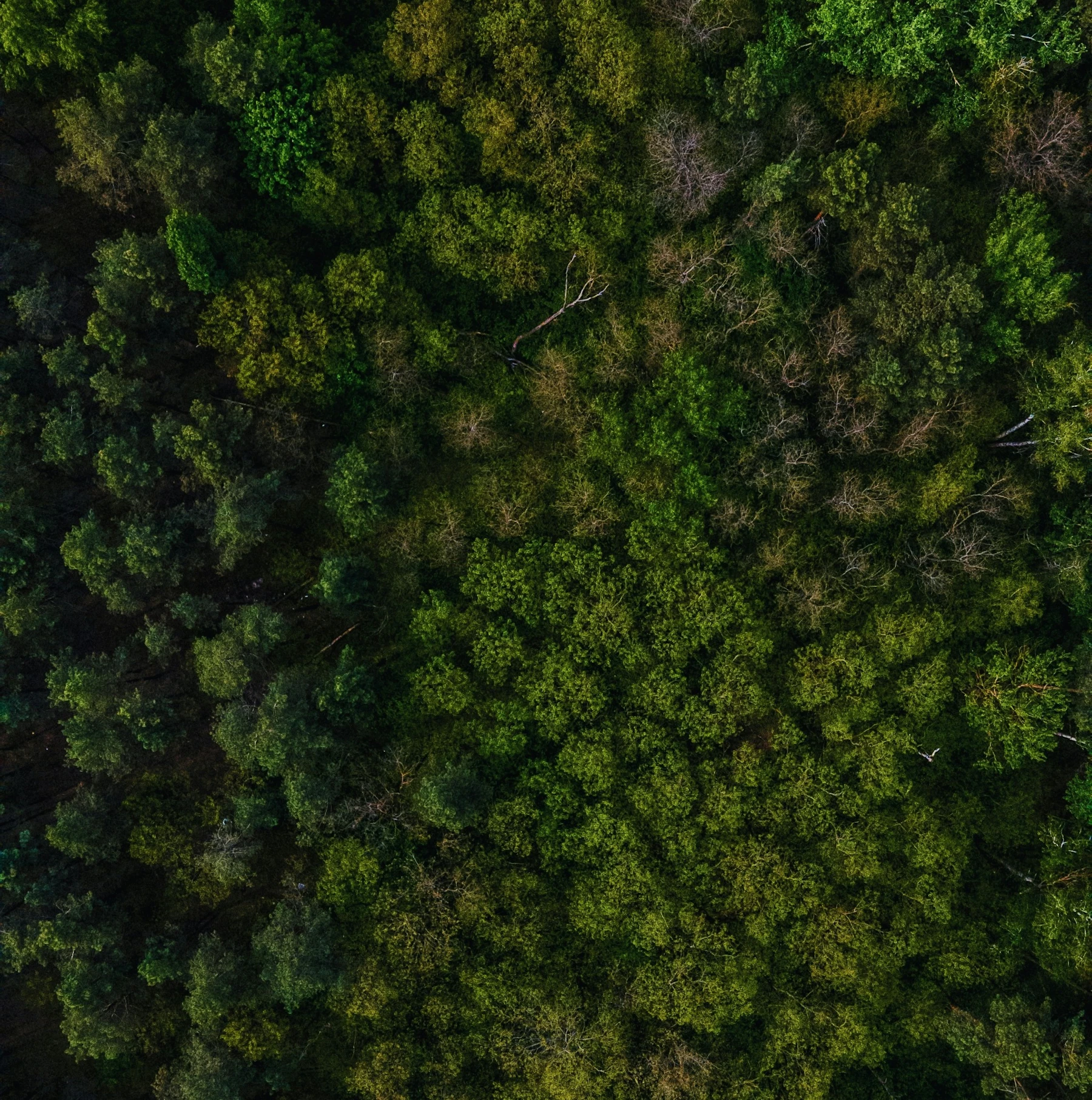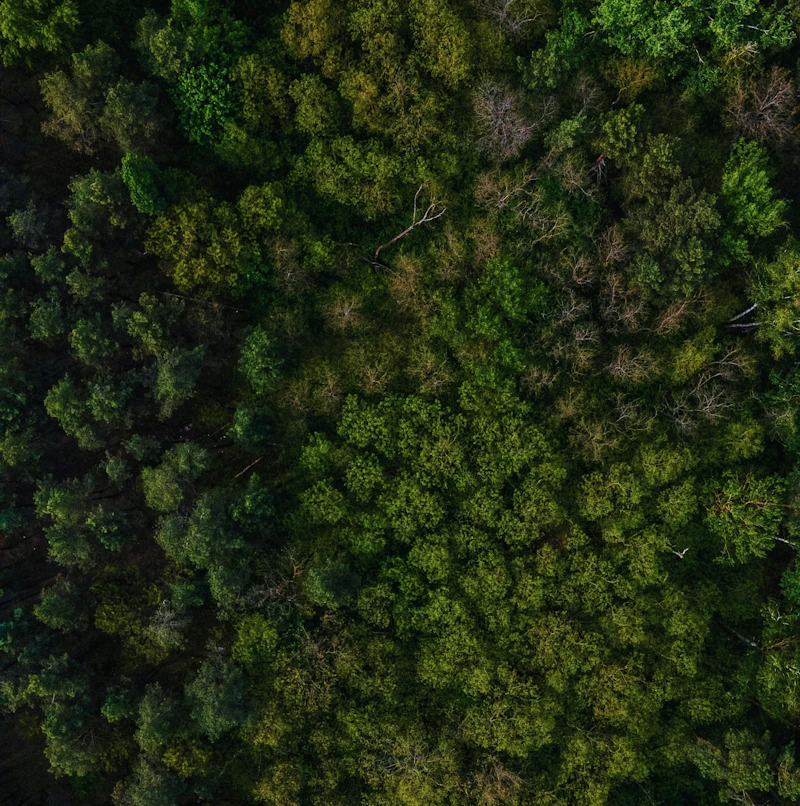
Discover the Land Between the Lakes National Recreation Area, a unique area of 170,000 acres between Kentucky Lake and Lake Barkley, in western Kentucky and Tennessee. Forested hills, wetlands, grasslands, and thriving wildlife habitat—including a bison and elk prairie—make up the recreation area.
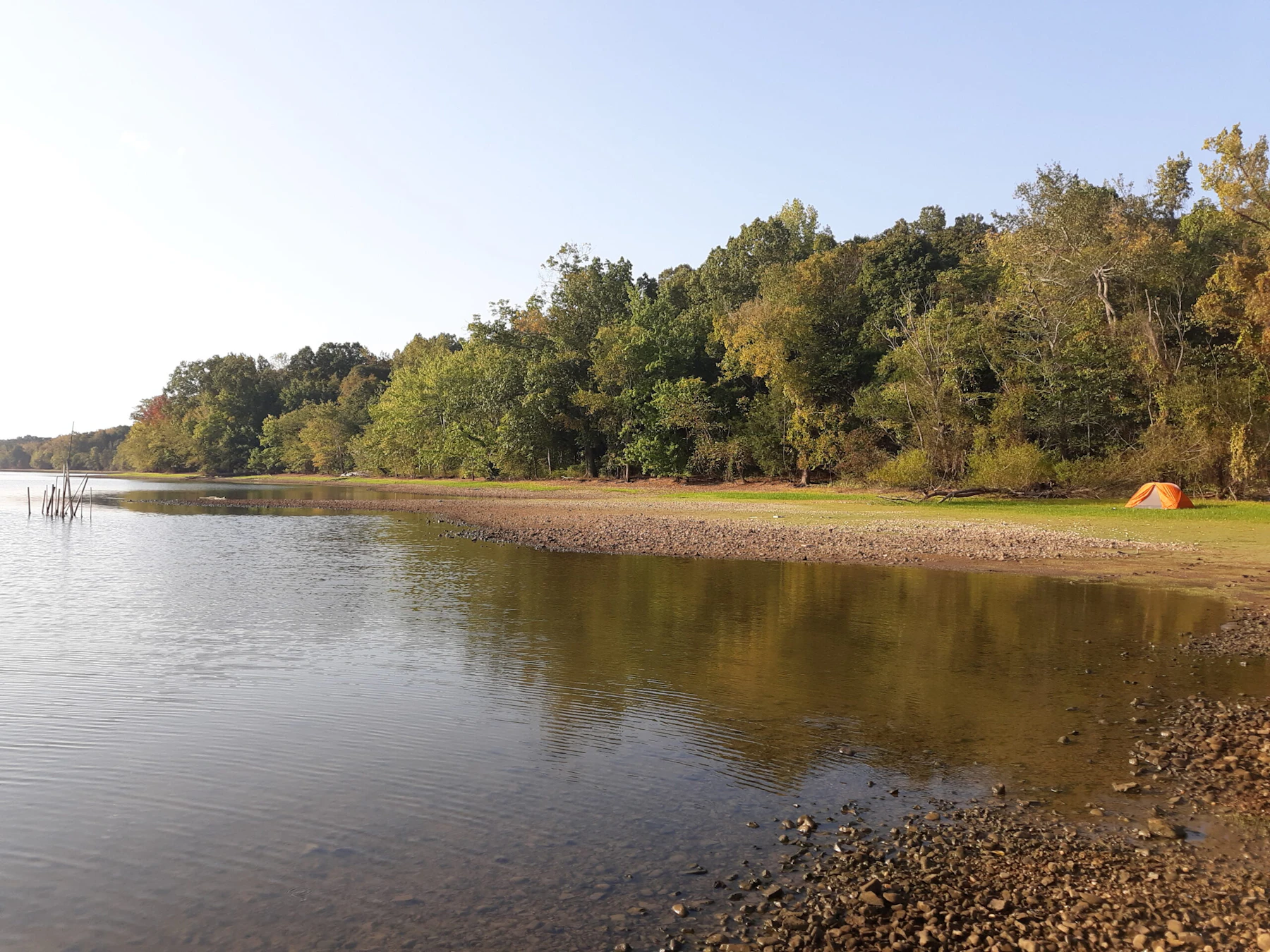
The area’s highlight is, of course, its more than 300 miles of shoreline, array of lakes and streams, and several beach access points, offering swimming, hunting, fishing, and lakeside camping.
Some 100 miles of trails and 200 miles of scenic roads offer an exciting choice of hiking and equestrian adventures, not to mention more than 100 miles of biking trails, including the Woodlands Trace National Scenic Byway and the Canal Loop.
While the Land Between the Lakes is filled with standard adventure fare, it stands apart in its special cultural, educational, and historical offerings, from a working farm where interpreters reenact 1850s farm life (period clothing and all) and a high-tech observatory to a rehabilitation center that provides a home to orphaned wildlife.
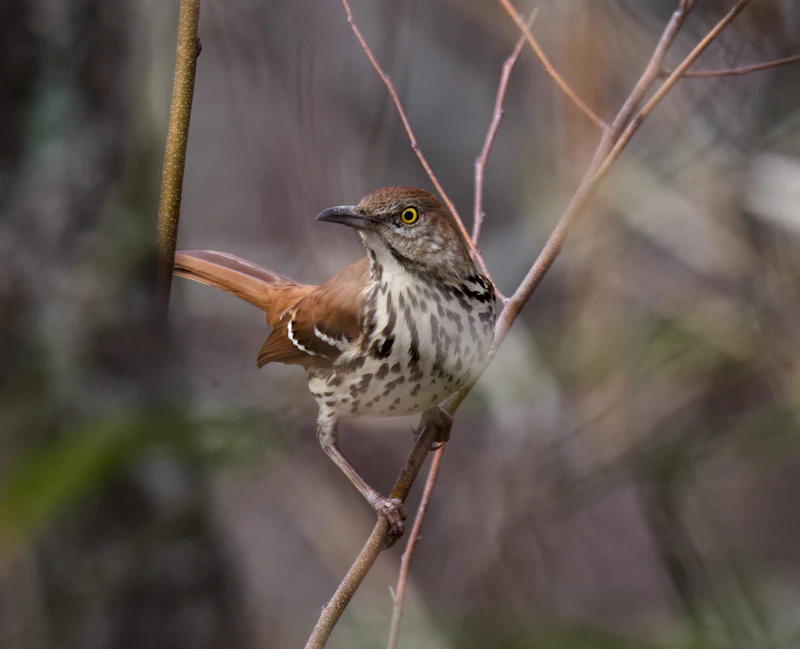 Agile Thrasher. Photo by William Oakley
 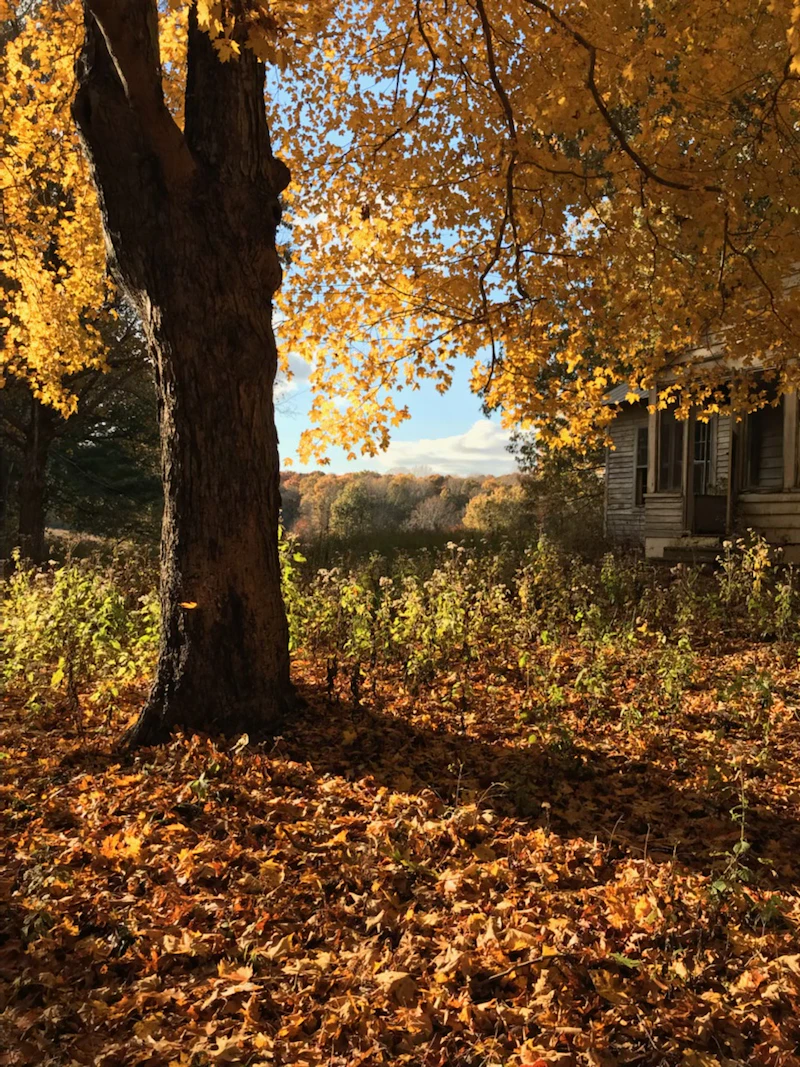 Photo by Karen-Miracle
 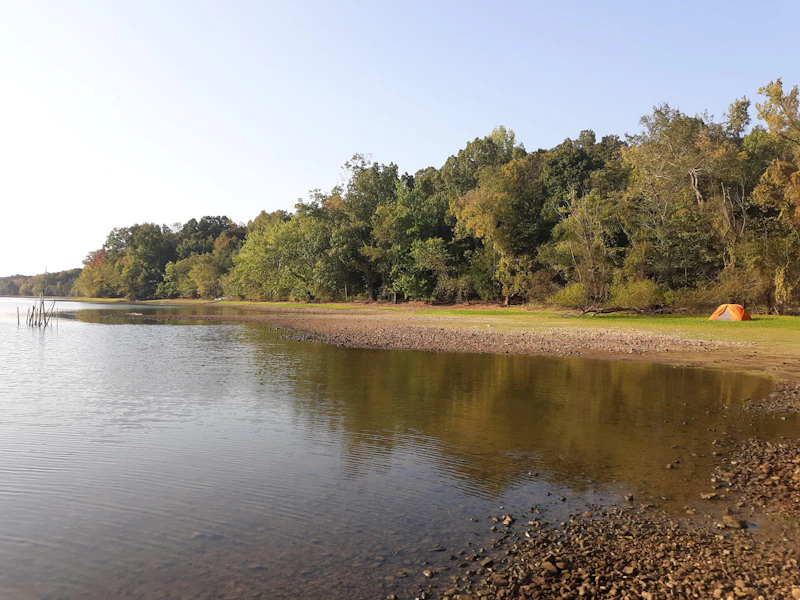 Pisgah Bay. Photo by Bethany Underhill
 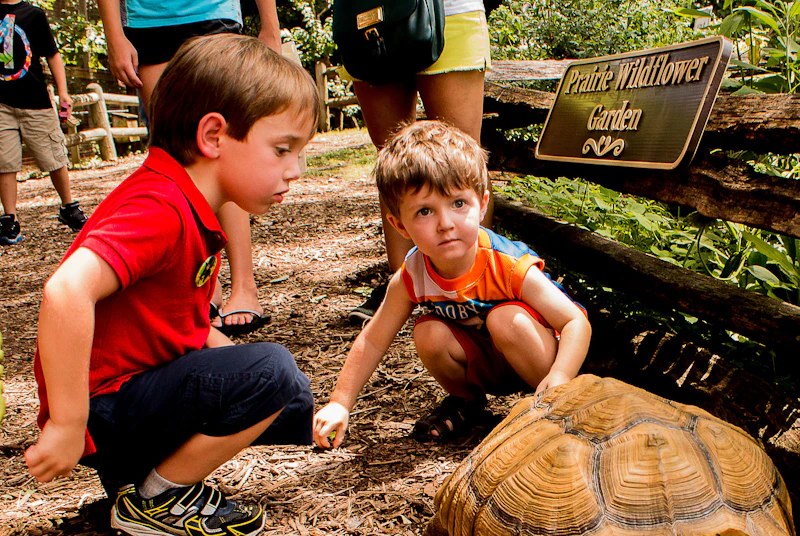 Woodland Nature Station. Photo taken by Friends of Land Between the Lakes
 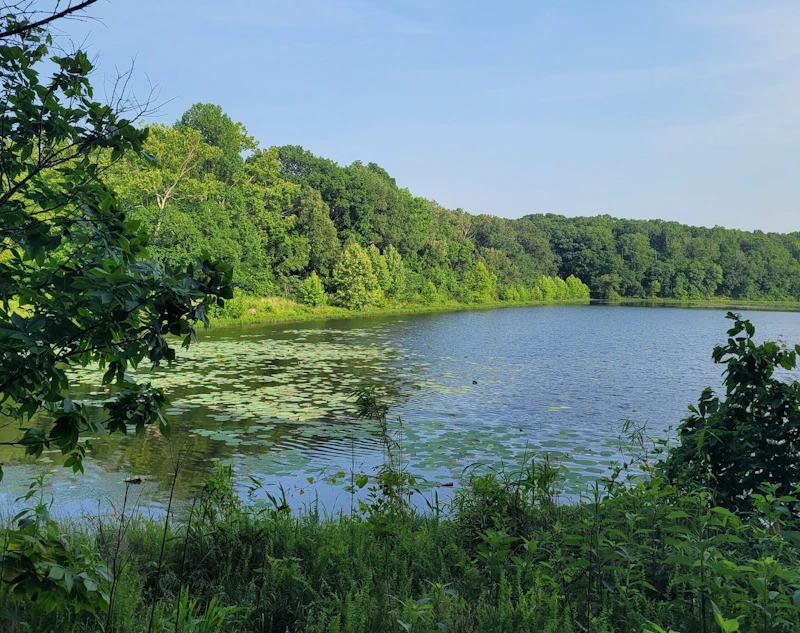 Lake Hematite. Photo by Gwyndolyn Miller
 What is the History of the Land Between the Lakes National Recreation Area?
The Land Between the Lakes National Recreation Area was established in 1963. Its creation followed the construction of dams on the Tennessee and Cumberland Rivers, which formed the adjacent lakes, turning the region into a hub for outdoor recreation. The area’s name reflects its unique geography, lying between these two major waterways.
Before that, the Chickasaw, Shawnee, and Cherokee, originally inhabited the region, relying on its forests, rivers, and lakes for hunting, fishing, and agriculture. In the late 18th and 19th centuries, the area saw farms and homesteads established, as the rivers were important transportation and trade routes.
How to Get to the Land Between the Lakes National Recreation Area
The recreation area spans western Kentucky and Tennessee, with its northern entrance near Grand Rivers, Kentucky, and its southern entrance near Dover, Tennessee.
From the north and east, including the Tennessee communities of Nashville and Bowling Green, Interstate 24 connects to U.S. Route 68 and Kentucky Route 453 toward the northern gateway of Grand Rivers.
From the south, visitors from the Tennessee hubs of Clarksville or Nashville can take U.S. 79 or Tennessee State Route 49 to the southern entry point of Dover.
From the west, Kentucky Route 80 connects the towns of Cadiz and Eddyville to the recreation area’s western entrances. The area’s central corridor, the Woodlands Trace National Scenic Byway, runs north-south, connecting key visitor centers, campgrounds, and recreational sites.
- Nashville, Tennessee: 1.5 hours by car
- Evansville, Indiana: 2 hours by car
- Louisville, Kentucky: 3 to 3.5 hours by car
- Memphis, Tennessee: 3 to 3.5 hours by car
- St. Louis, Missouri: 3.5 to 4 hours by car

This unique facility in the Land Between Lakes National Recreation Area is home to native wildlife that cannot be released back into the wild due to injury, growing up in captivity, or other reasons. This includes a group of endangered red wolves. The knowledgeable staff on-site host fun events and wildlife-viewing excursions.
This 700-acre enclosure where visitors can witness these majestic animals in their native grassland habitat, an ecosystem that once made up much of Kentucky. A 3.5-mile paved loop road allows you to tour the enclosure by car.
For a trip to outer space, stop by the Golden Pond Planetarium and Observatory, where scenes are presented in a 360-degree theater with a 40-foot dome. Knowledgeable interpreters also host educational programs, including “Tonight’s Sky Live,” a live presentation about the planets, stars, and constellations of the night’s sky.
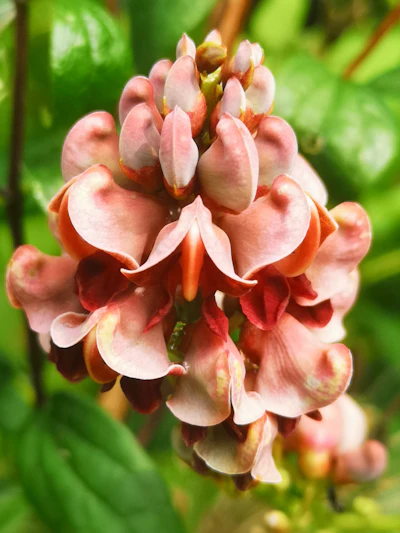 American potato-bean This native perennial vine, also known as groundnut, thrives along streams and wetlands and produces pink and purple flowers in the summer. It’s valued by Native Americans for its protein-rich beans.
  Shagbark hickory This tree is native to the area and is distinguished by its peeling bark and straight trunk. It produces nutritious nuts that are a vital food source for wildlife.
 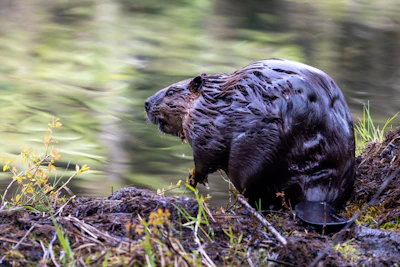 Beaver It’s not uncommon for visitors to spot nature’s engineers in action, especially at dawn or dusk along wetlands and waterways.
 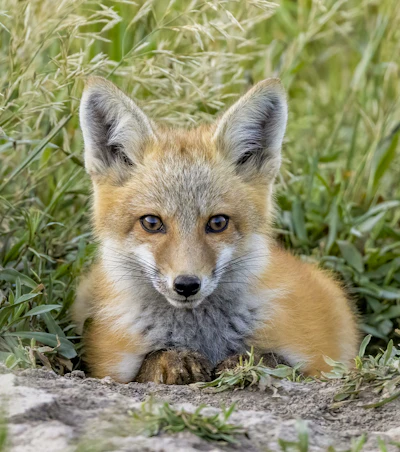 Red fox This fox, known for its reddish coat and bushy tails, is among the rarest mammal species in North America.
 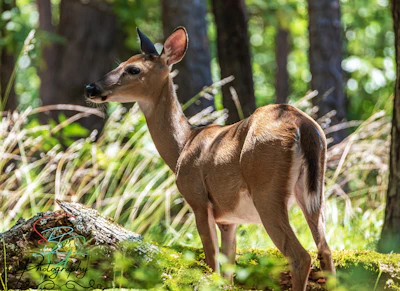 White-tailed deer One of the most common sights in the recreation area, this deer is active at dawn and dusk and supports predators like coyotes and bobcats.
 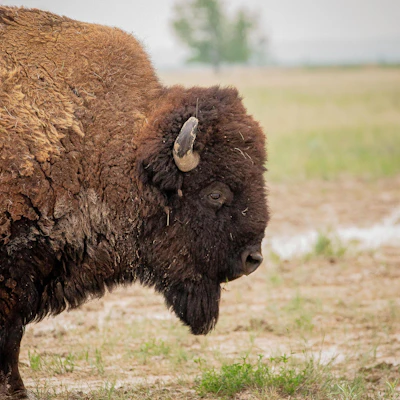 Bison This massive herbivore, which weighs up to 2,000 pounds and runs 35 miles per hour, used to roam these lands in huge herds and can now be spotted across grasslands.
 Related Impact
Restoring Red Spruce in the Southern Appalachians
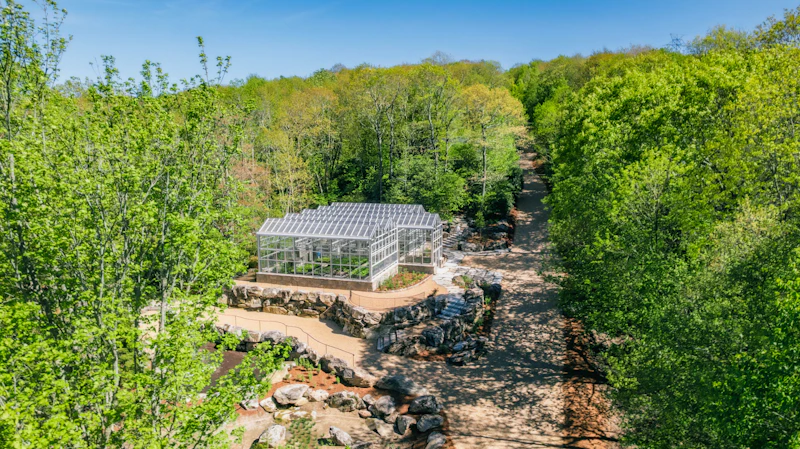
The National Forest Foundation and our partners are joining forces to protect the iconic “sky island” ecosystems of the Southern Appalachians by expanding the capacity for red spruce restoration with a new state-of-the-art greenhouse.
What’s the Best First-Timer’s Adventure in the Land Between the Lakes National Recreation Area
Visitors can reach any adventure from the 43-mile Woodlands Trace National Scenic Byway, which cuts through Land Between the Lakes—or simply enjoy epic views of Kentucky Lake and Lake Barkley. Be sure to stop by the Homeplace Working Farm, where you can watch interpreters in period clothing enact daily chores as they would have been performed in the 1850s.
Where to Find More Information on the Land Between the Lakes National Recreation Area
For more information or questions, visit https://www.landbetweenthelakes.us/
Discover how communities, volunteers, and partners are shaping the future of our National Forests and Grasslands.
The National Forest Foundation works with partners across Northern Colorado to restore forests, reduce wildfire risk, and care for the…
After years of damage, recovery, and reconstruction, the trail to Hanging Lake has been fully rebuilt, creating a more durable,…
Erosion and wildfire had left Arizona's historic Highline Trail rutted and unsafe. After five years of work with the Tonto…
Forest restoration near Flagstaff is reducing wildfire risk for local communities and safeguarding the water supply for millions across the…
Colorado's 14ers draw thousands of visitors each year, and the pressure on these fragile alpine landscapes is growing. Here's a…
Visitors of all ages can explore forest trails and sparkling waters, discover wildlife and underwater habitats, and connect with Tahoe’s…
A partnership-driven program connecting youth on Montana’s Flathead Reservation with hands-on conservation work, heritage education, and pathways in natural resource…
Seeing the impact first hand on the Grand Mesa, Uncompaghre and Gunnison National Forests
Seven Years of Reopening Trails After the Eagle Creek Fire
Field Ranger Program Connects Diverse Communities to Forests in Southern California
Our Forests Need Us Today.
Your donation powers critical, on-the-ground conservation—from wildfire recovery to watershed restoration—protecting forests for the future.