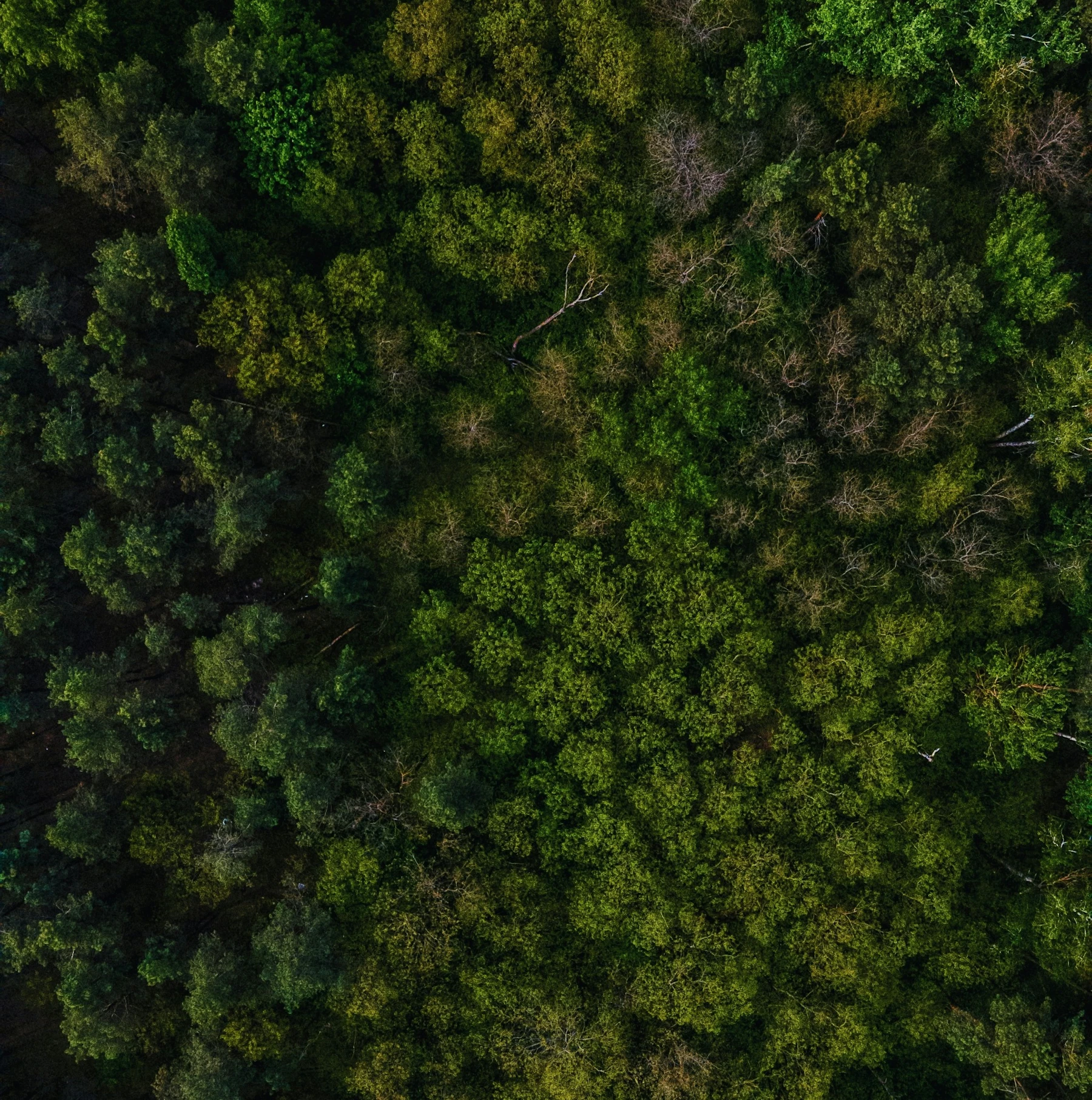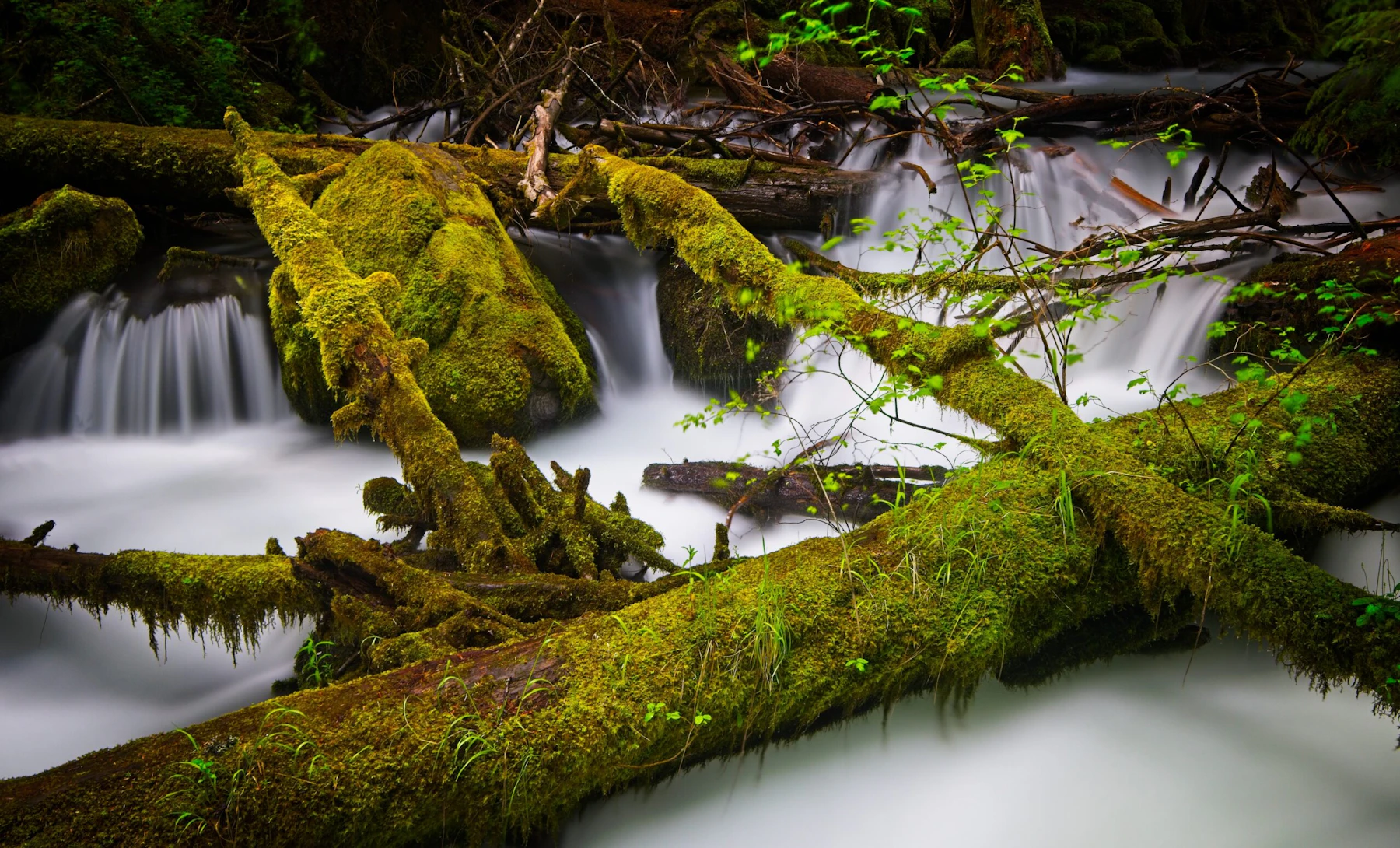
Discover the Rogue River-Siskiyou National Forest, nearly 1.8 million acres extending from the crest of the Cascade Mountains to the Siskiyou Mountains and towards the Pacific Ocean along the Oregon-California border. From rugged coastal mountains to high desert and alpine zones, the forest’s unique geography and climate contribute to making it one of the most biodiverse areas in the country.
The Rogue River area covers 630,000 acres, and about 53,800 of those acres are in California. It includes portions of three Wilderness Areas (Red Buttes, Rogue Umpqua Divide, and Sky Lakes), and one Wild and Scenic River (Upper Rogue).
The Siskiyou area covers over a million acres, 38,000 acres of which are in California. The Siskiyou area encompasses the entire Grassy Knob and Kalmiopsis wilderness areas, and shares the management of three more: Red Buttes, Siskiyou, and Wild Rogue. It’s also home to five Wild and Scenic Rivers: Chetco, Elk, Illinois, North Fork Smith, and Rogue.
Overall, the forest is home to more than 200 miles of Wild and Scenic Rivers, as well as numerous lakes and reservoirs for boating, paddling, and swimming. Hundreds of miles of trails and tracks offer hiking, biking, horseback riding, and off-roading. The forest is also a world-class fishing and hunting destination. In the winter, there’s downhill skiing at Mt. Ashland Ski Area, along with trails for cross-country skiing and snowmobiling.
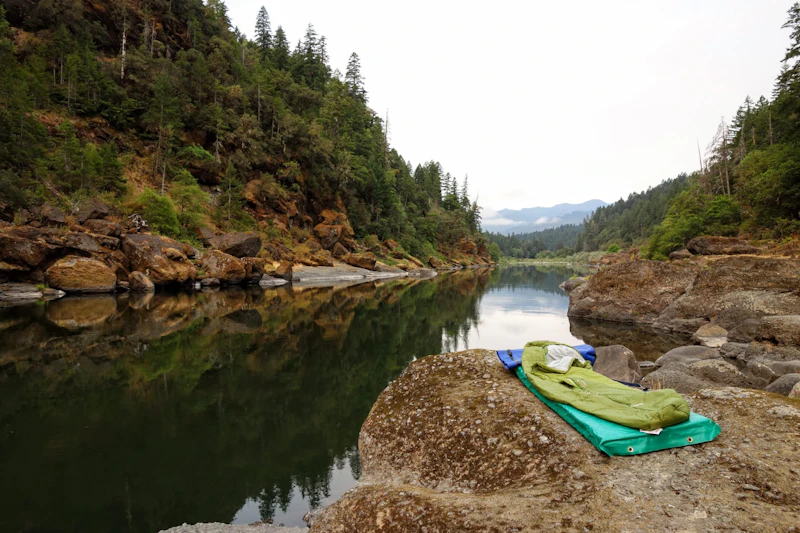 Camping the Rouge River. Photo by Ben Watts
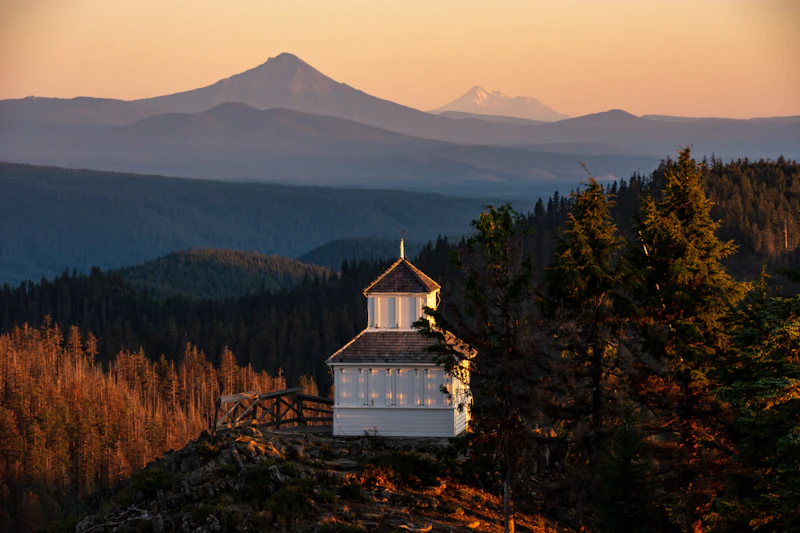 Hershberger Lookout. Photo by Chaney Swiney
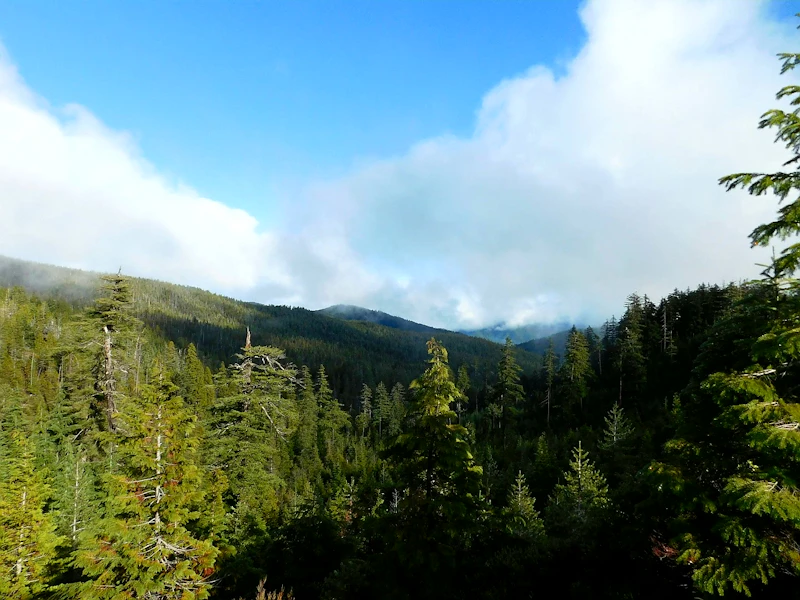 Photo by Amy Kronsberg
 Photo by Jackie Dyer
 Photo by Leslie Kehmeier, International Mountain Bicycling Association
What is the History of the Rogue River-Siskiyou National Forest?
The Rogue River National Forest (until 1932 called the Crater National Forest) and the Siskiyou National Forest were both established by President Theodore Roosevelt in 1908.
The name Rogue River comes from the Takelma people, whose defense of their homeland led early-day French-Canadian trappers to call them les Coquins, which translates to “the Rogues.”
The origin behind the name Siskiyou is less known, through some belief that the French name “Six Callieux” was given to a crossing on the Umpqua River used by a party of Hudson Bay Company trappers, which was eventually turned into Siskiyou.
In 2004, the two forests were merged to form the Rogue River–Siskiyou National Forest.

How to Get to the Rogue River-Siskiyou National Forest
From the north, Interstate 5 connects the Willamette Valley and southern Oregon with primary gateway cities like Medford, Grants Pass, and Ashland. From Interstate 5, U.S. Highway 199 leads west into the forest and toward the Wild and Scenic Rogue River corridor.
From the south, Highway 199 and Oregon Route 62 provide access from Cave Junction and Crater Lake National Park areas. Highway 62 connects to Medford and the forest’s eastern and central regions. From the east, Highway 66 or Interstate 5 lead to Siskiyou Mountains.
- Medford, Oregon: 1 to 4 hours by car
- Eugene, Oregon: 3 to 5 hours by car
- Redding, California: 3.5 to 5.5 hours by car

The Wild Section of this river is one of the most popular whitewater runs in the world. Outfitters and guides operate throughout the summer and fall season, including multiday trips with riverside camping. Those who don’t want to raft can float from lodge to lodge in sections of the Rogue.
Set at 7,533 feet, this low-key, nonprofit ski area offers 240 acres of downhill terrain with 44 runs and five lifts. It receives an average of 265-plus inches of snow annually and caters to intermediate and advanced skiers and snowboarders.
With over 45 miles of multi-use singletrack and dirt roads spread across a 15,000‑acre watershed in the Rogue River-Siskiyou, the Ashland Watershed Trails offer a variety of terrain, from flowing downhill runs to punchy climbs.
 Kalmiopsis leachiana
The namesake of the Kalmiopsis Wilderness, this endemic pink-flowering shrub is a relic from before the Ice Age.
Kalmiopsis leachiana
The namesake of the Kalmiopsis Wilderness, this endemic pink-flowering shrub is a relic from before the Ice Age.
 Port Orford cedar
This drooping cedar with twisting limbs sometimes exceeds six feet in diameter.
Port Orford cedar
This drooping cedar with twisting limbs sometimes exceeds six feet in diameter.
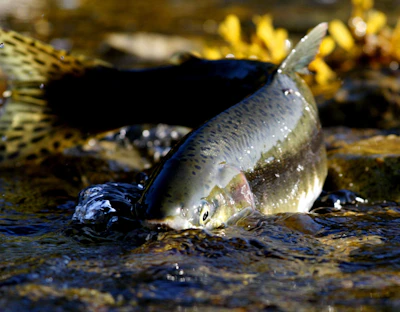 Chinook salmon
The largest of the Pacific salmon species migrates from the ocean upstream to spawn in the forest’s rivers and tributaries.
Chinook salmon
The largest of the Pacific salmon species migrates from the ocean upstream to spawn in the forest’s rivers and tributaries.
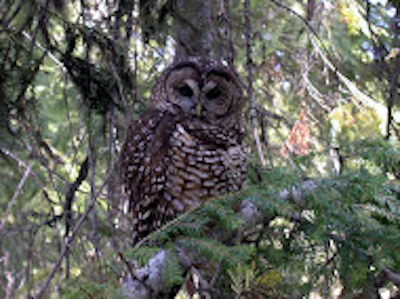 Northern spotted owl
This threatened species, which thrives in old-growth coniferous forests, has been making a slow return thanks to conservation efforts.
Northern spotted owl
This threatened species, which thrives in old-growth coniferous forests, has been making a slow return thanks to conservation efforts.
 Golden-mantled ground squirrel
With black-lined white stripes along its back, this squirrel is a common sight in the forest except for when it hibernates in the winter.
Golden-mantled ground squirrel
With black-lined white stripes along its back, this squirrel is a common sight in the forest except for when it hibernates in the winter.
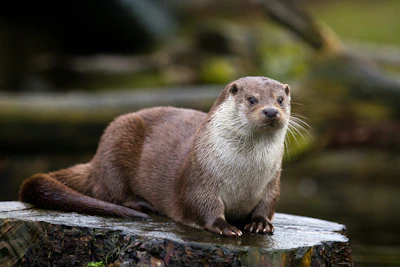 River otter
This playful mammal thrives among the various wetlands of the forest, hunting for fish, crayfish, and amphibians.
River otter
This playful mammal thrives among the various wetlands of the forest, hunting for fish, crayfish, and amphibians.
Related Impact
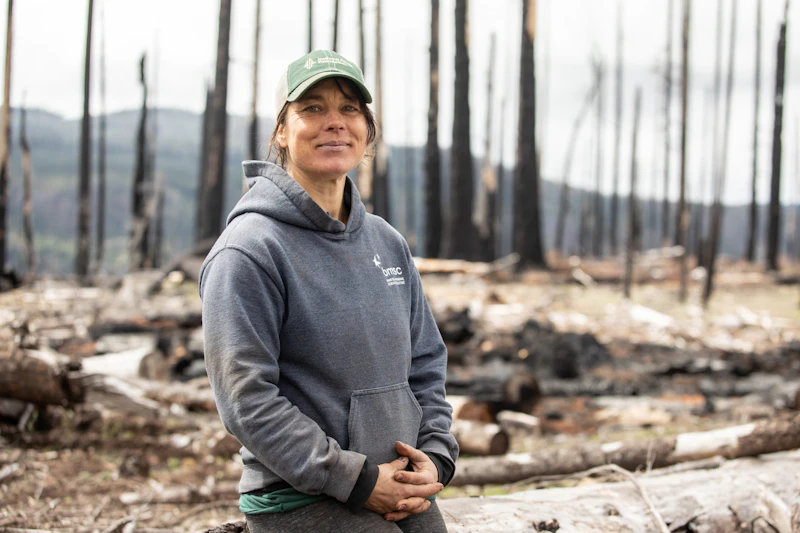
Reforestation on the Umpqua
Anna’s family has been planting trees for 50 years. Now she is helping build a sustainable model to meet the Forest’s future post-fire reforestation needs.
What’s the Best First-Timer’s Adventure in the Rogue River-Siskiyou National Forest
For an immersive wilderness experience along one of Oregon’s most incredible river corridors, hike or horseback ride part of the Upper Rogue River Trail. The entire length of the Upper Rogue Wild and Scenic River is followed by this 43-mile point-to-point path, designated a National Recreation Trail.

Where to Find More Information on the Rogue River-Siskiyou National Forest
For more information or questions, visit https://www.fs.usda.gov/r06/rogue-siskiyou.
Discover how communities, volunteers, and partners are shaping the future of our National Forests and Grasslands.
The National Forest Foundation works with partners across Northern Colorado to restore forests, reduce wildfire risk, and care for the…
After years of damage, recovery, and reconstruction, the trail to Hanging Lake has been fully rebuilt, creating a more durable,…
Erosion and wildfire had left Arizona's historic Highline Trail rutted and unsafe. After five years of work with the Tonto…
Forest restoration near Flagstaff is reducing wildfire risk for local communities and safeguarding the water supply for millions across the…
Colorado's 14ers draw thousands of visitors each year, and the pressure on these fragile alpine landscapes is growing. Here's a…
Visitors of all ages can explore forest trails and sparkling waters, discover wildlife and underwater habitats, and connect with Tahoe’s…
A partnership-driven program connecting youth on Montana’s Flathead Reservation with hands-on conservation work, heritage education, and pathways in natural resource…
Seeing the impact first hand on the Grand Mesa, Uncompaghre and Gunnison National Forests
Seven Years of Reopening Trails After the Eagle Creek Fire
Field Ranger Program Connects Diverse Communities to Forests in Southern California
Our Forests Need Us Today.
Your donation powers critical, on-the-ground conservation—from wildfire recovery to watershed restoration—protecting forests for the future.