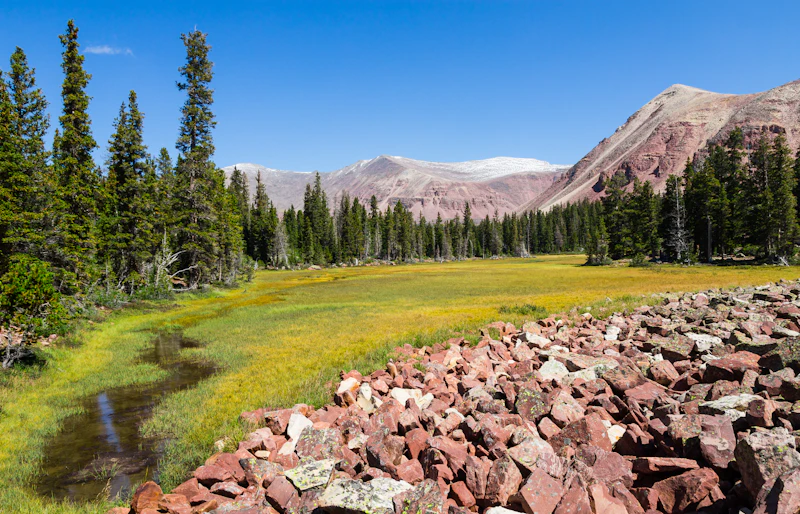
Uncover the Ashley National Forest and its 1.4 million acres that span northeastern Utah and southwestern Wyoming. The forest consists of three major areas: the northern and southern slopes of the Uinta Mountains, the Wyoming Basin, and the Tavaputs Plateau.
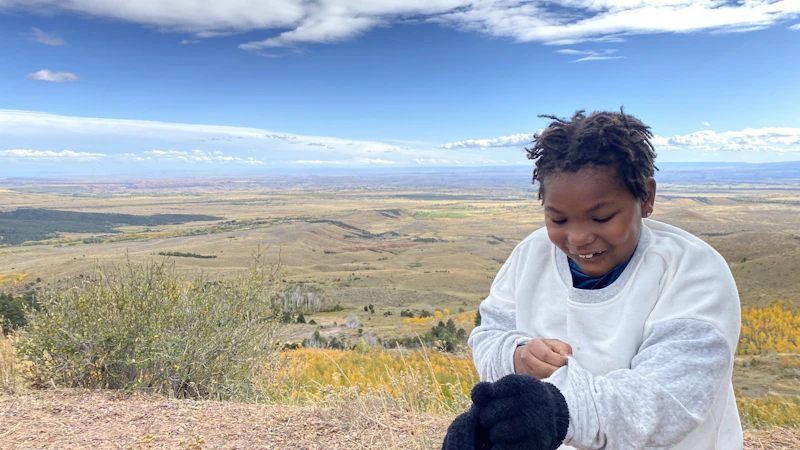
More than 2.5 million visitors come to the forest each year to experience its incredible diverse landscapes, from the Wyoming high deserts, where herds of antelope play along the lake shore, to the forested slopes of Utah’s rugged Uintas, where exciting backcountry adventures await.
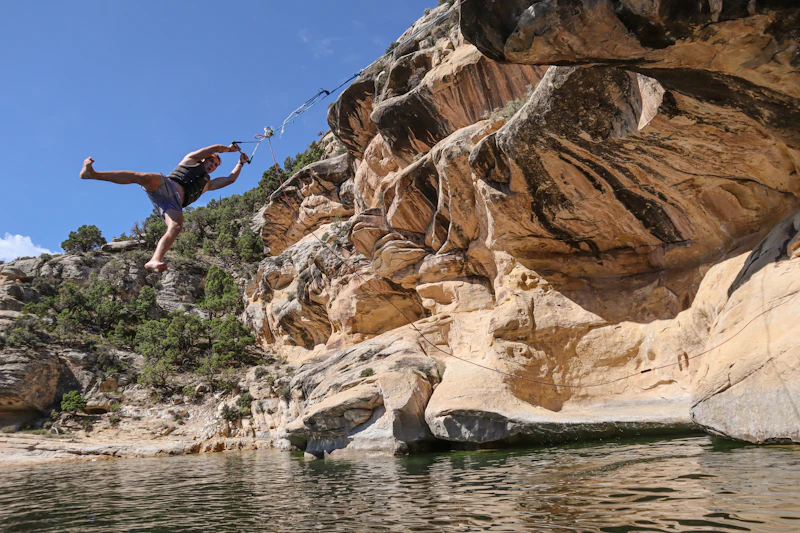
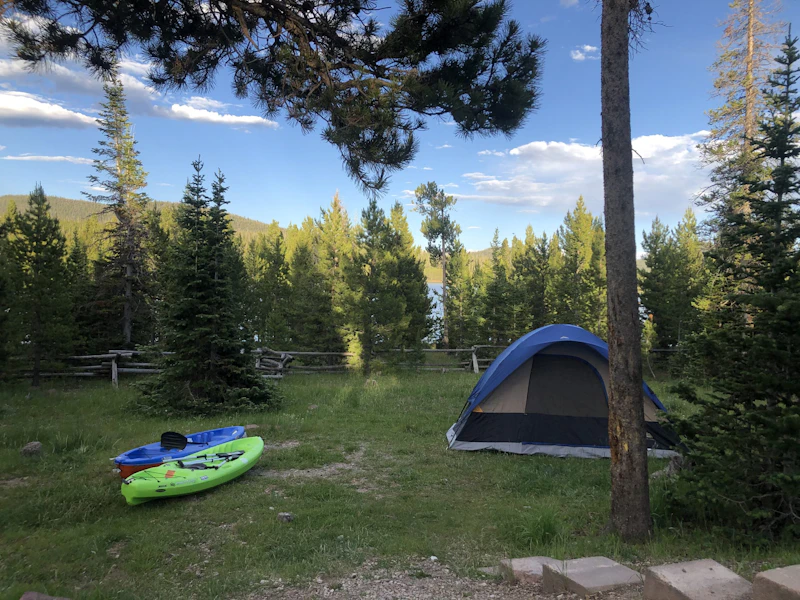
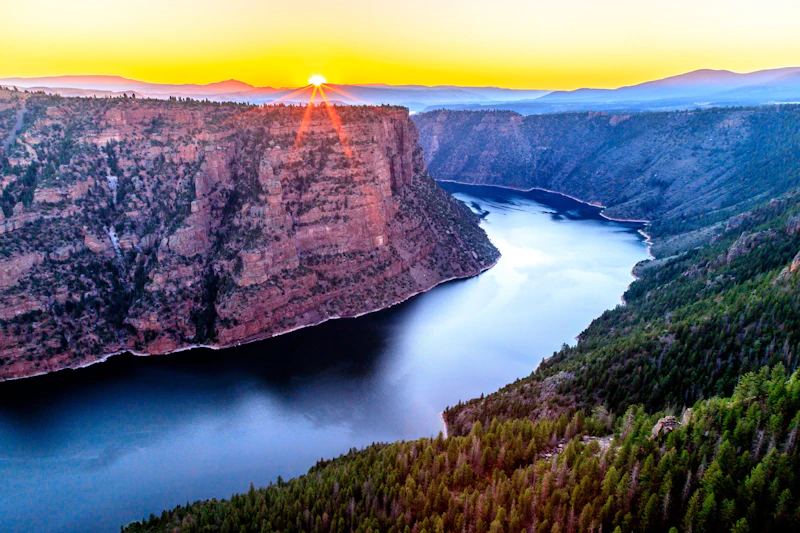
The centerpiece of the forest is the stunning Flaming Gorge Reservoir, where verdant red-rock canyons meet a 91-mile-long waterway. Go boating, fishing, camping, hiking, horseback riding, and scenic driving in and around the reservoir and beyond.
What is the History of the Ashley National Forest?
The Ashley National Forest was established by President Theodore Roosevelt in 1908 and is protected and managed to ensure timber, grazing, minerals, water, and outdoor recreation for the American people.
The forest is named after William H. Ashley, an early 19th-century fur trader and politician who helped map the West, including the area that encompasses the National Forest today. Indigenous groups including the Fremont, Shoshone, and Ute inhabited the area for millennia before that.
The completion of the Flaming Gorge Dam in the 1960s led to the creation of the Flaming Gorge Reservoir, a 90-mile-long waterway filled with trophy lake trout and flanked by red-rock cliffs and forested plateaus. It became a National Recreation Area in 1968.
Today, the vast Uinta Mountains watershed within the forest provides vital water supplies for power, industry, farm, and city use in Utah, Nevada, Wyoming, and California.
How to Get to the Ashley National Forest
The Ashley National Forest is spread across Utah and Wyoming, with entry points that vary depending on your destination. From Salt Lake City, take Highway 40 to the main gateway city of Vernal, in Utah. From Wyoming, Highway 191 provides access from Rock Springs, passing through the Flaming Gorge area. Highway 44 also offers scenic access to the southern portions near the Utah gateway town of Manila.
- Provo, Utah: 1 to 3.5 hours by car
- Salt Lake City, Utah: 2 to 3.5 hours by car
- Ogden, Utah: 2 to 4 hours by car
- Grand Junction, Colorado: 4 hours by car

In 1869, Major John Wesley Powell, on expedition down the Green River, looked at this landscape in awe and named it Flaming Gorge. Today the brilliant red cliffs are scenic attractions for thousands of visitors annually. For a bird-eye view, set off on the 160-mile Flaming Gorge–Uintas National Scenic Byway, which encircles the reservoir.
Float in the footsteps of explorer John Wesley Powell with a journey along the Green River, 26 miles of which are open to approved water craft without a permit. With only Class I and II rapids, the river is ideal for beginners and families and features 17 float-in campsites. Expect excellent fishing and bighorn sheep sightings.
Considered one of the most scenic long-distance trails in the country, the Uinta Highline Trail packs in the best of the area’s alpine scenery. The challenging trail covers more than 100 miles and 16,000 feet of elevation gain, but hikers will be rewarded with remote wilderness of high-alpine meadows, glacial lakes, and granite spires, including King’s Peak, Utah’s highest point.
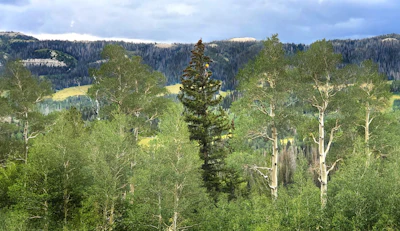 Engelmann spruce
This native conifer, with blue-green needles and scaly bark, thrives in high-altitude environments and is a popular option for Christmas trees.
Engelmann spruce
This native conifer, with blue-green needles and scaly bark, thrives in high-altitude environments and is a popular option for Christmas trees.
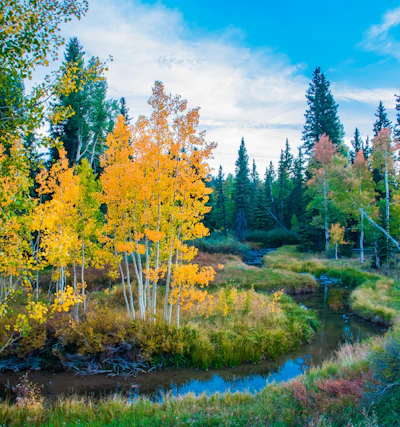 Quaking aspen
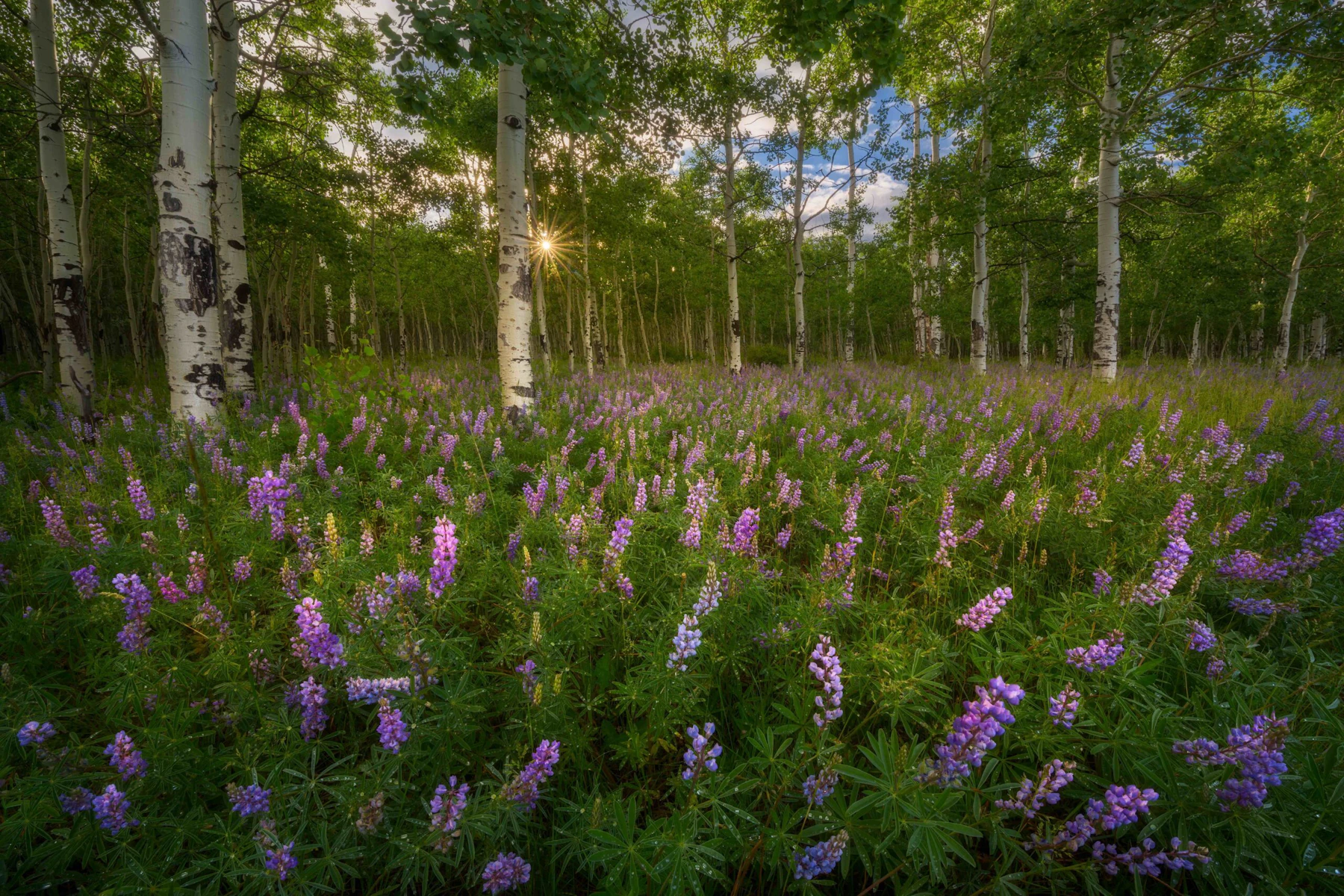
With silvery-gray bark and disc-shaped leaves that tremble in the wind, this native Poplar tree is distinct among the forest’s conifers, and glow bright-yellow come fall.
Quaking aspen
With silvery-gray bark and disc-shaped leaves that tremble in the wind, this native Poplar tree is distinct among the forest’s conifers, and glow bright-yellow come fall.
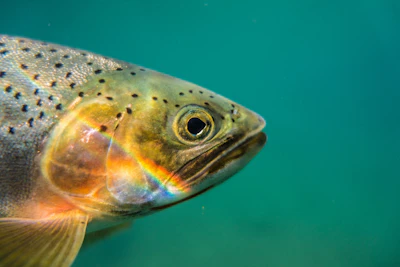 Cutthroat trout
In particular, the native Colorado River cutthroat trout can be found in the Flaming Gorge Reservoir, Green River, and streams across the High Uintas.
Cutthroat trout
In particular, the native Colorado River cutthroat trout can be found in the Flaming Gorge Reservoir, Green River, and streams across the High Uintas.
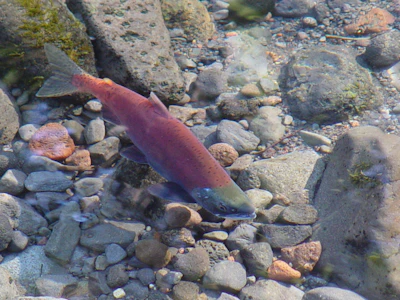 Kokanee salmon
This landlocked sockeye salmon typically spawns in a tributary to the Flaming Gorge Reservoir before spending most of its life in the reservoir.
Kokanee salmon
This landlocked sockeye salmon typically spawns in a tributary to the Flaming Gorge Reservoir before spending most of its life in the reservoir.
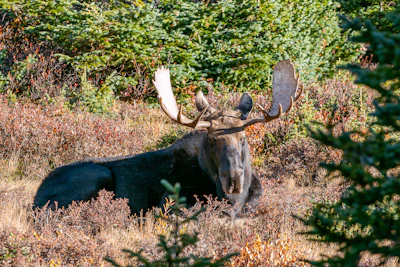 Moose
Growing up to six feet tall and weighing up to 1,600 pounds makes this herbivore easy to spot, especially near lakes and rivers.
Moose
Growing up to six feet tall and weighing up to 1,600 pounds makes this herbivore easy to spot, especially near lakes and rivers.
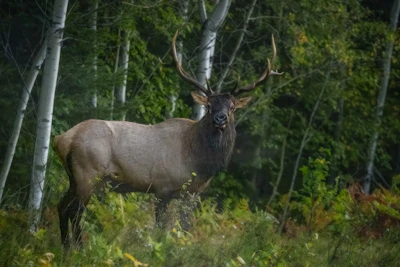 Elk
This majestic animal, the second largest species in the deer family after moose, is most active during dawn and dusk and during fall rutting season.
Elk
This majestic animal, the second largest species in the deer family after moose, is most active during dawn and dusk and during fall rutting season.
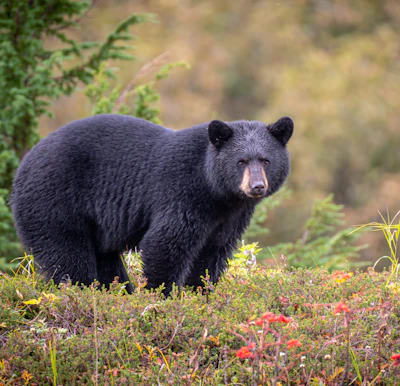 Black bear
This medium-sized bear is shy and usually avoids humans, but its excellent sense of smell means visitors should keep food stowed properly when camping.
Black bear
This medium-sized bear is shy and usually avoids humans, but its excellent sense of smell means visitors should keep food stowed properly when camping.
Related Impact
Restoring the Colorado River Watershed through Nature Based Solutions
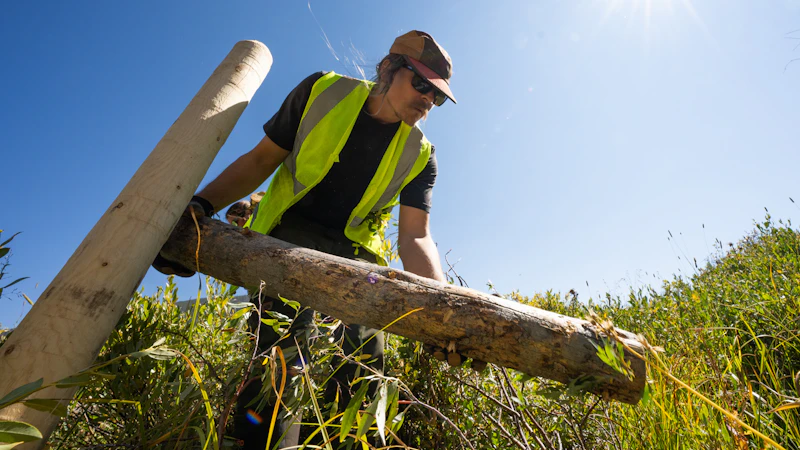
The National Forest Foundation and our partners are taking action through process-based restoration techniques that work with nature to bring life back to streams and wetlands in the Colorado River Watershed, securing water for people, wildlife, and the future.
What’s the Best First-Timer’s Adventure in the Ashley National Forest
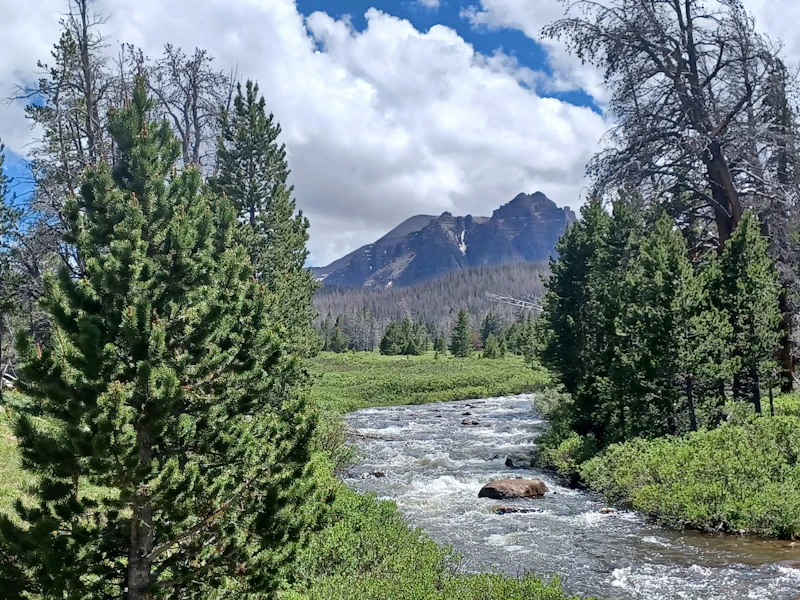
For an easy but quintessential experience of the Uinta Mountains, hike the Lofty Lake Loop Trail. Located north of Bald Mountain Pass, this day hike packs in a lot in just four miles: craggy peak vistas, rolling meadows, and three alpine lakes, the highest of which sits at 10,8000 feet.
Where to Find More Information on the Ashley National Forest
For more information or questions, visit https://www.fs.usda.gov/r04/ashley
Discover how communities, volunteers, and partners are shaping the future of our National Forests and Grasslands.
The National Forest Foundation works with partners across Northern Colorado to restore forests, reduce wildfire risk, and care for the…
After years of damage, recovery, and reconstruction, the trail to Hanging Lake has been fully rebuilt, creating a more durable,…
Erosion and wildfire had left Arizona's historic Highline Trail rutted and unsafe. After five years of work with the Tonto…
Forest restoration near Flagstaff is reducing wildfire risk for local communities and safeguarding the water supply for millions across the…
Colorado's 14ers draw thousands of visitors each year, and the pressure on these fragile alpine landscapes is growing. Here's a…
Visitors of all ages can explore forest trails and sparkling waters, discover wildlife and underwater habitats, and connect with Tahoe’s…
A partnership-driven program connecting youth on Montana’s Flathead Reservation with hands-on conservation work, heritage education, and pathways in natural resource…
Seeing the impact first hand on the Grand Mesa, Uncompaghre and Gunnison National Forests
Seven Years of Reopening Trails After the Eagle Creek Fire
Field Ranger Program Connects Diverse Communities to Forests in Southern California
Our Forests Need Us Today.
Your donation powers critical, on-the-ground conservation—from wildfire recovery to watershed restoration—protecting forests for the future.