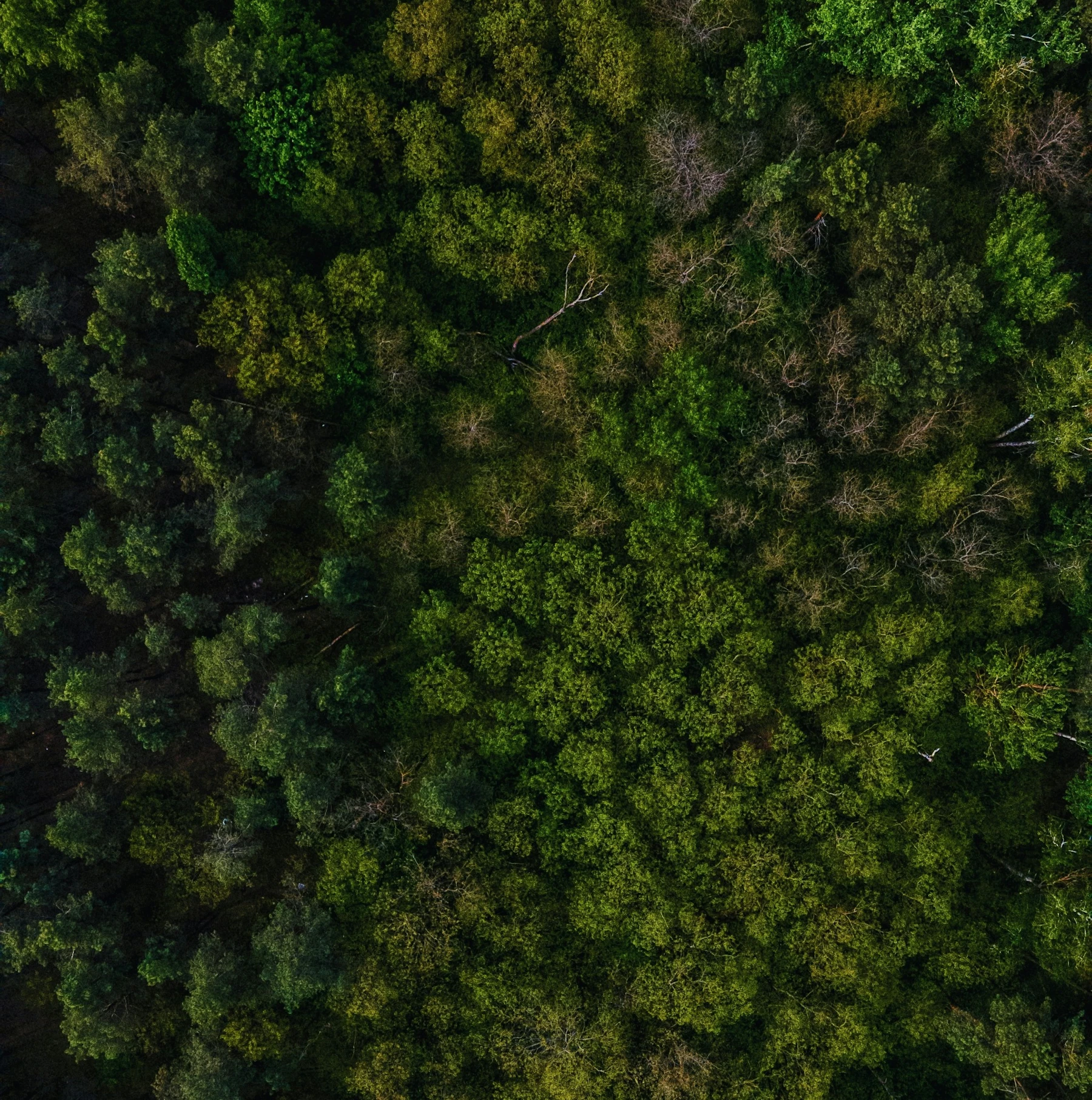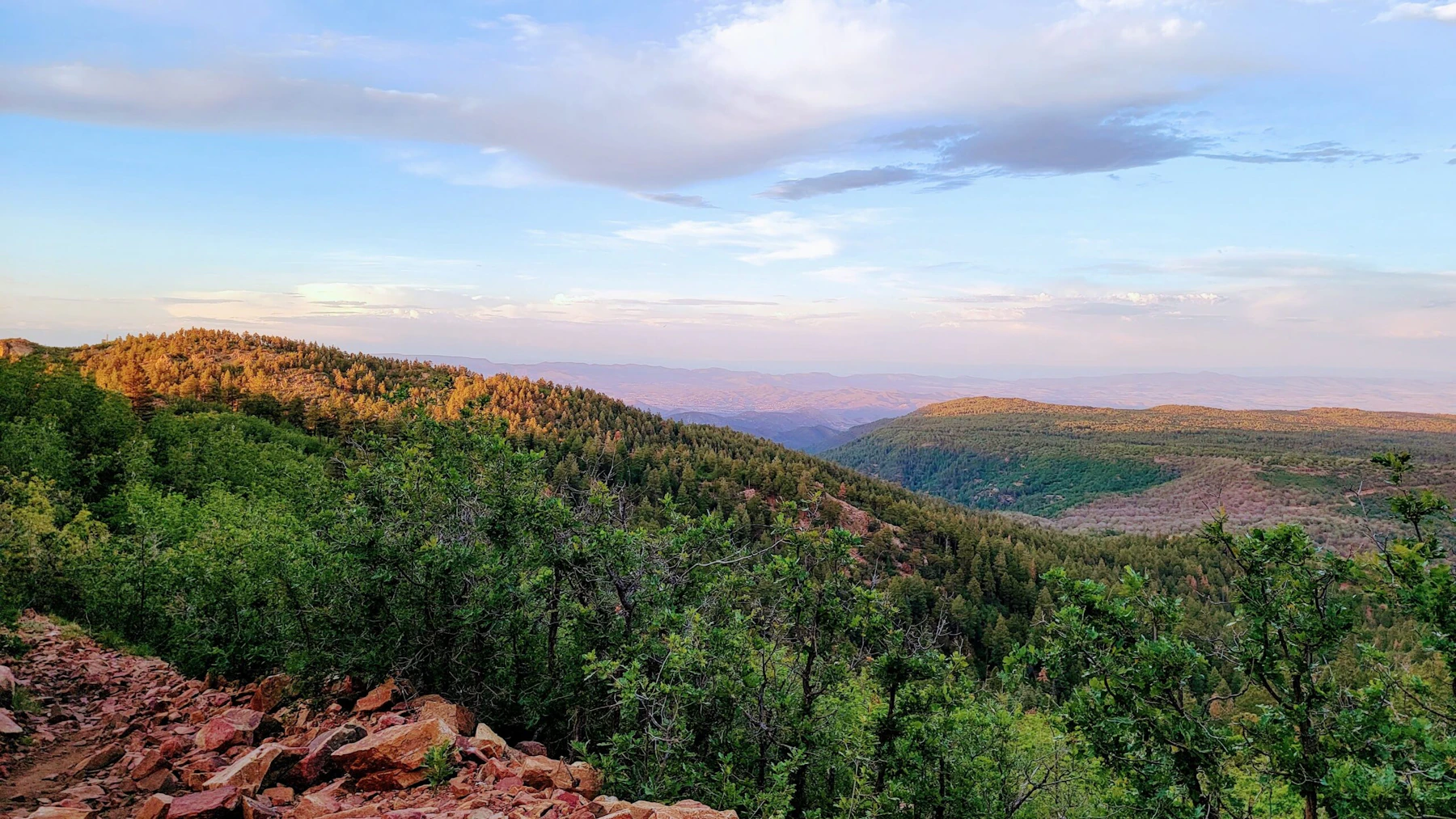
Explore the Prescott National Forest, more than a million acres of year-round adventure opportunities in central Arizona. The forest sits between forested plateaus to the north and arid desert to the south.
The Bradshaw Mountains, located south of Prescott, are known for being one of the most mineralized ranges in the world. As early as the mid-1800s, mining first brought settlers to this part of Arizona. Mount Union, in the Bradshaws, is the highest elevation in the forest, at nearly 8,000 feet.
The Lynx Lake Recreation Area is one of the most popular recreation areas in central Arizona. The serene 55-acre lake provides trout fishing and boating, while the surrounding ponderosa pine forests are filled with hiking trails.
Along with 950 miles of hiking, biking, and horseback riding trails, the forest contains 100,000 acres of wilderness. Of the designated eight Wilderness Areas in the forest, Granite Mountain Wilderness is the most popular for its unique rock formations and proximity to the town of Prescott. The Verde River, one of Arizona’s major perennial rivers and a treasured resource, runs through the forest. The forest’s mild climate allows the trails to be enjoyed year-round.
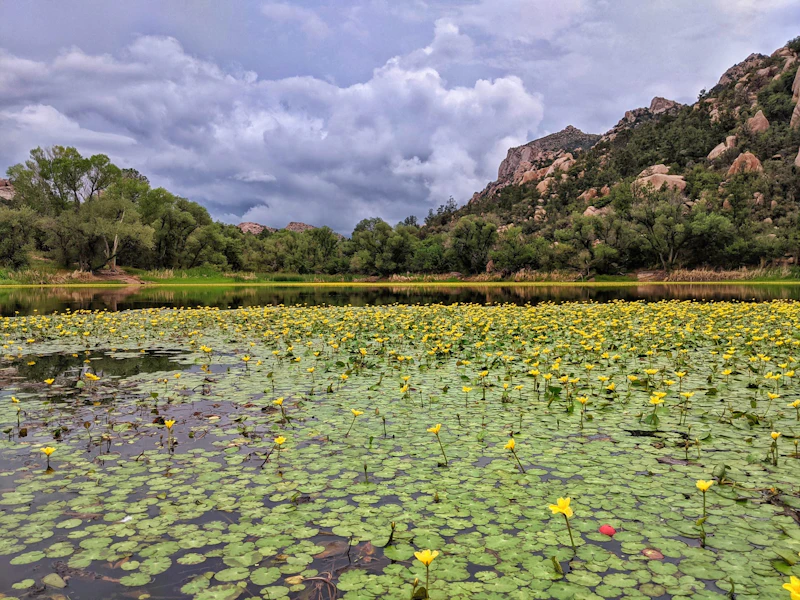 Photo by Jess Barry
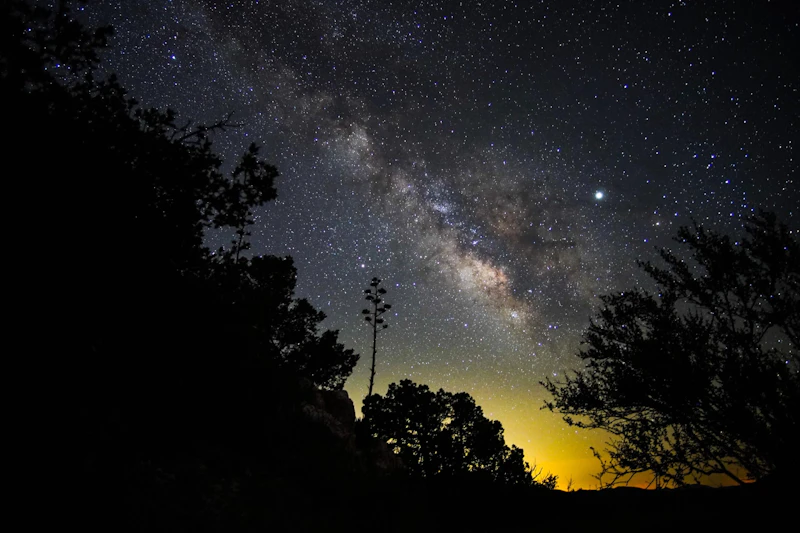 Photo by Jess Barry
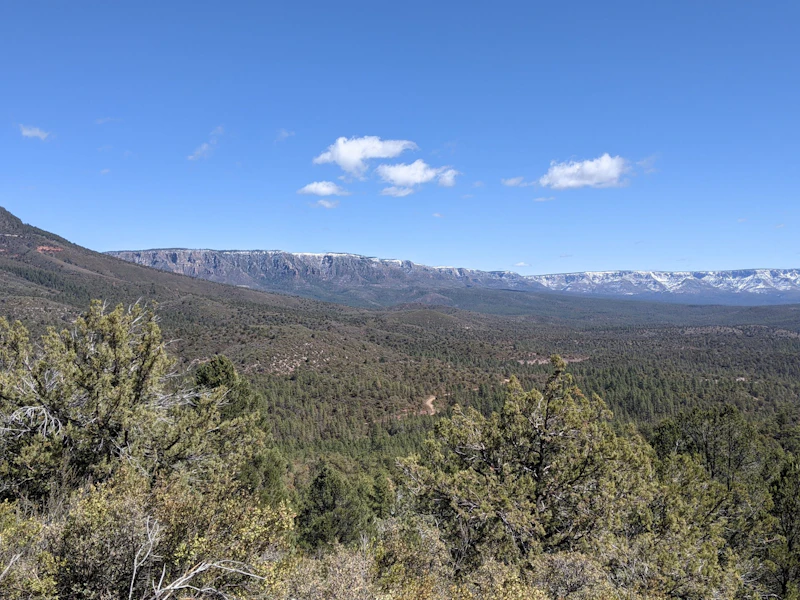 Photo by the NFF
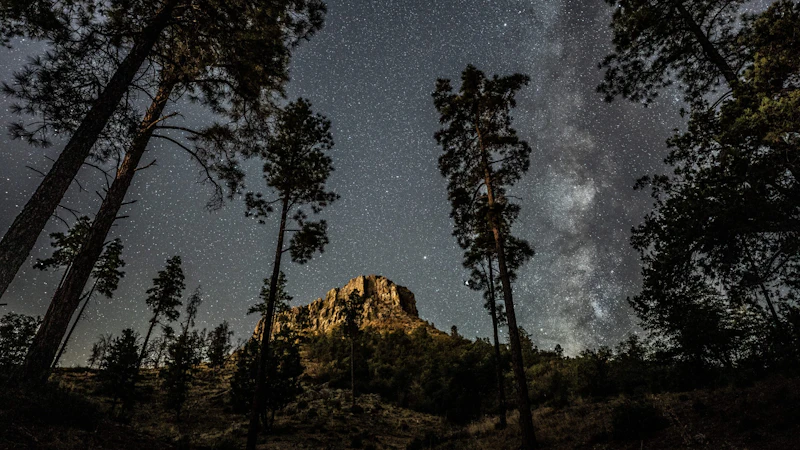 Photo by Serge DeMeyer
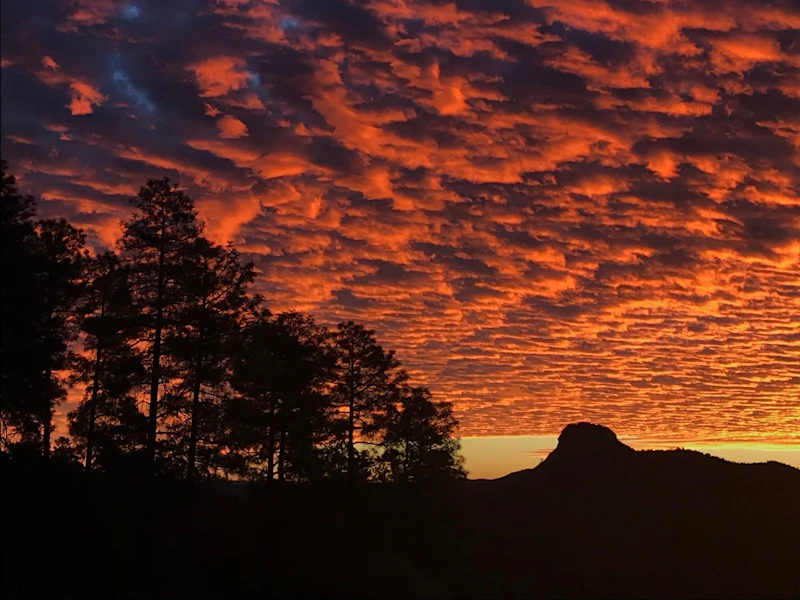 Photo by Teresa DeMeyer
What is the History of the Prescott National Forest?
The human history of what is now the Prescott National Forest dates back at least 10,000 years, according to prehistoric evidence. The ancestors of the Yavapai and Apache lived in pithouses, cliff dwellings, and pueblos in the area.
In the mid‑19th century, the area saw dramatic change as European‑American settlers flooded in after gold was discovered in the Bradshaw Mountains, resulting in the forced removal of the Yavapai. In 1935, the Yavapai Prescott Indian Tribe regained a small reservation near Prescott,
The Prescott Forest Reserve was established in 1898, later becoming Prescott National Forest in 1908 when it absorbed neighboring reserves.
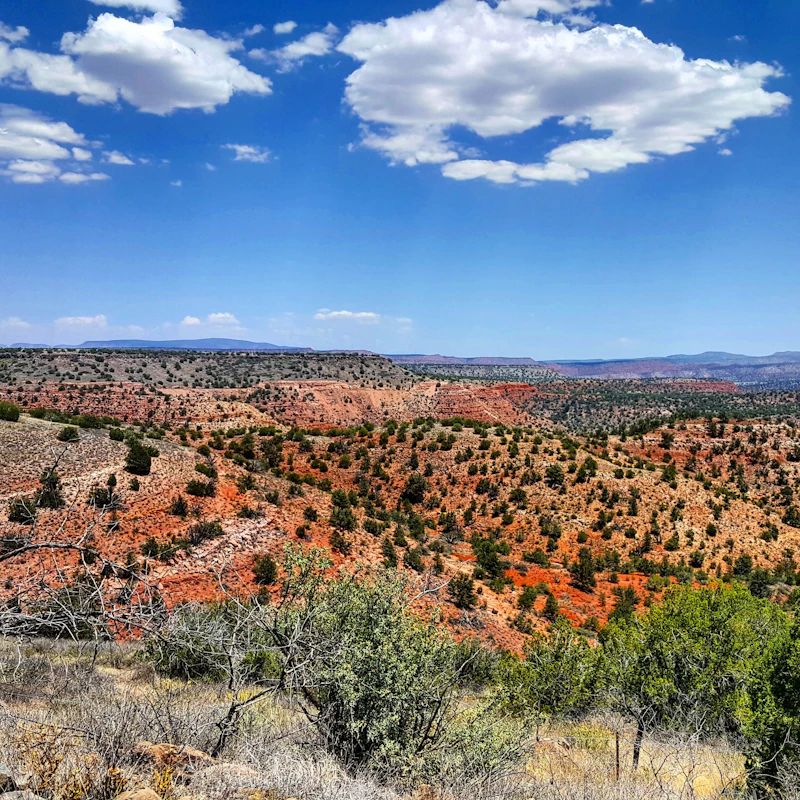
How to Get to the Prescott National Forest
Coming south from Phoenix or north from Flagstaff, Interstate 17 and State Route 69 lead to Prescott, the forest’s main gateway city. Other towns serving as access points include Prescott Valley, Bagdat, and Camp Verde.
State Route 89 provides access to the northern portions of the forest, including the Granite Mountain Wilderness Area, while Forest Road 318 and smaller paved or gravel roads connect to more remote camping and hiking spots.
- Flagstaff, Arizona: 1 hour by car
- Phoenix, Arizona: 1.5 to 2 hours by car
- Lake Havasu City, Arizona: 2.5 to 3.5 hours by car
- Las Vegas, Nevada: 3.5 to 4 hours by car

From the Metate Trailhead near Granite Basin Lake, this 8.2-mile roundtrip hike is the best way to experience the Granite Mountain Wilderness. Take in views of the rugged wilderness from 7,623-foot Granite Mountain.
The majority of the upper and lower Verde River that passes through the Prescott National Forest is open to public recreation of all kinds, from boating and swimming to picnicking and camping. The lower river is designated a Wild and Scenic River and offers the opportunity to fish by boat from Beasley Flat to Childs.
Located at an elevation of 4,000 feet, this eight-person cabin was constructed in 1938 by the Civilian Conservations Corps. The cabin, set on Sycamore Creek, has running water, hot water, a flush toilet, shower, electricity, kitchen, and heating, and air-conditioning.
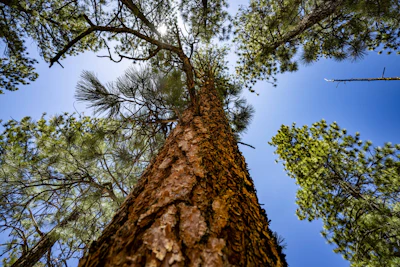 Ponderosa pine
A largely fire-resistant tree, with orange-colored, vanilla-scented bark, that’s commonly found through the West.
Ponderosa pine
A largely fire-resistant tree, with orange-colored, vanilla-scented bark, that’s commonly found through the West.
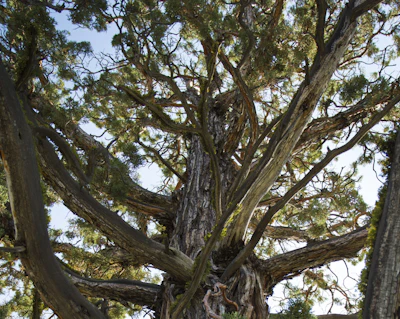 Juniper
The berries of this hardy evergreen feed species like the juniper titmouse and turkey, while its dense branches offer shelter and nesting sites for birds.
Juniper
The berries of this hardy evergreen feed species like the juniper titmouse and turkey, while its dense branches offer shelter and nesting sites for birds.
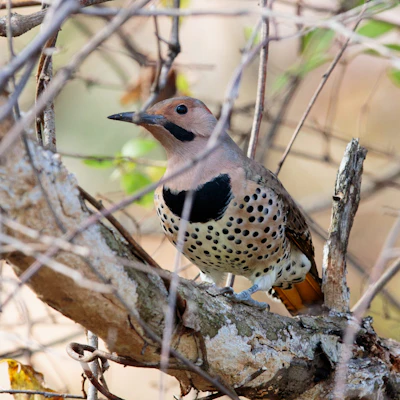 Northern flicker
This striking woodpecker, recognized by its brown body, black crescent chest mark, and bright yellow or red wing shafts, often feeds on the ground.
Northern flicker
This striking woodpecker, recognized by its brown body, black crescent chest mark, and bright yellow or red wing shafts, often feeds on the ground.
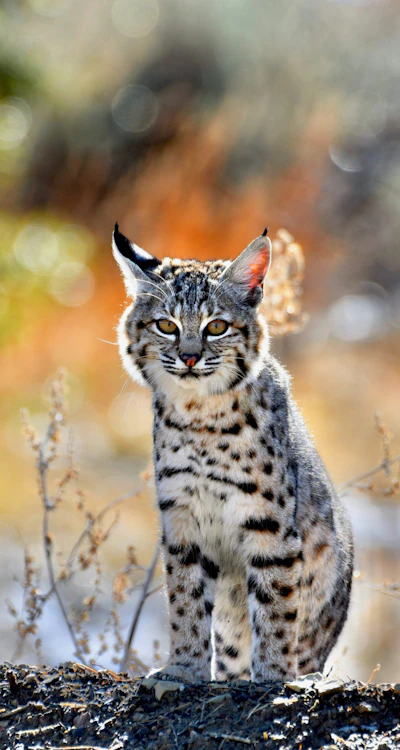 Bobcat
This elusive predator, with tufted ears and spotted coats, hunts rabbits, birds, and rodents throughout the forest. While seeing a bobcat is rare, visitors often spot their tracks.
Bobcat
This elusive predator, with tufted ears and spotted coats, hunts rabbits, birds, and rodents throughout the forest. While seeing a bobcat is rare, visitors often spot their tracks.
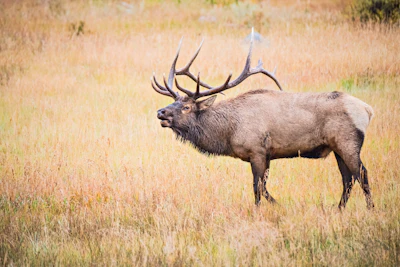 Elk
This majestic animal, the second largest species in the deer family after moose, is usually seen grazing in herds across high-elevation meadows and forests.
Elk
This majestic animal, the second largest species in the deer family after moose, is usually seen grazing in herds across high-elevation meadows and forests.
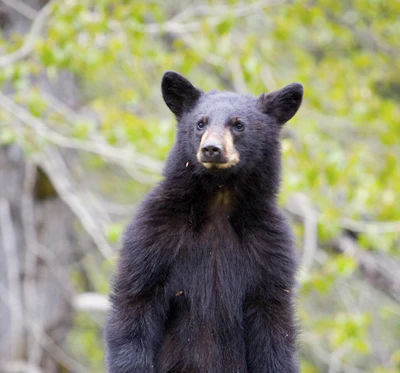 Black bear
This medium-sized bear resides in the dense woodlands and open meadows of the forest, foraging for berries, insects, and small animals.
Black bear
This medium-sized bear resides in the dense woodlands and open meadows of the forest, foraging for berries, insects, and small animals.
Related Impact
Restoring the Colorado River Watershed through Nature Based Solutions
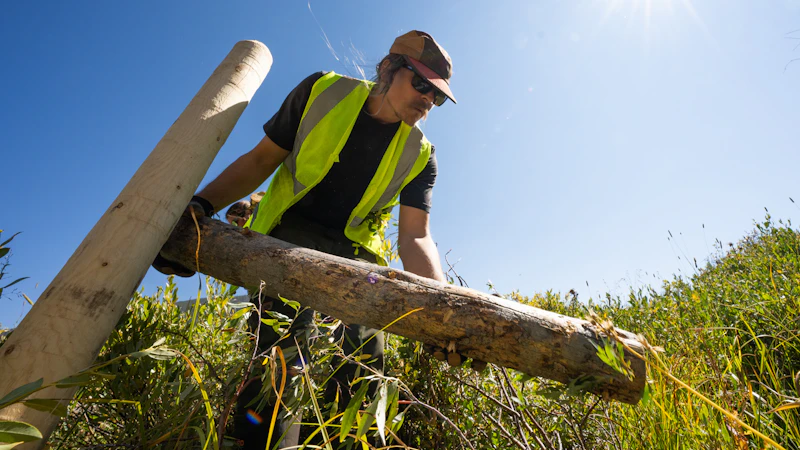
The National Forest Foundation and our partners are taking action through process-based restoration techniques that work with nature to bring life back to streams and wetlands in the Colorado River Watershed, securing water for people, wildlife, and the future.
What’s the Best First-Timer’s Adventure in the Prescott National Forest
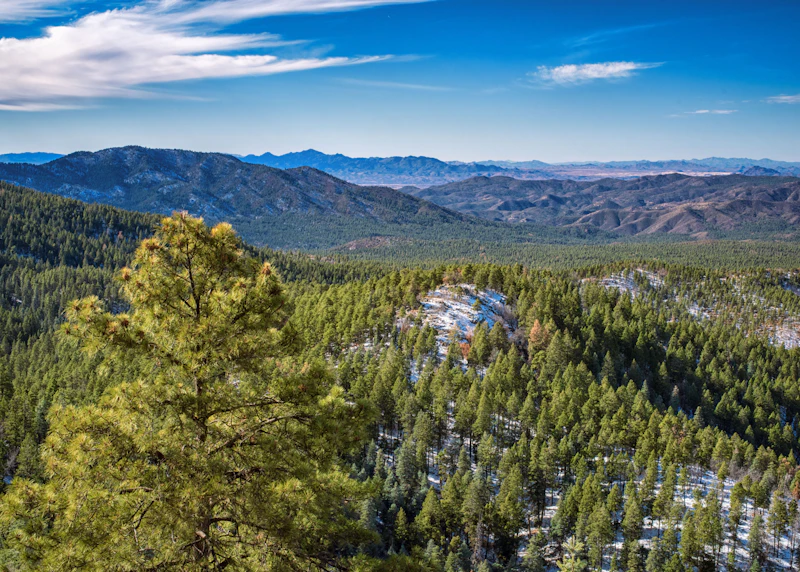
Enjoy Lynx Lake Recreation Area, set among ponderosa pines at 5,000 feet in elevation, making it a cool escape during the summer months. Stay at one of two campgrounds; fish, boat, or paddle on the 55-acre lake, or hike on a number of trails throughout.
Where to Find More Information on the Prescott National Forest
For more information or questions, visit https://www.fs.usda.gov/r03/prescott.
Discover how communities, volunteers, and partners are shaping the future of our National Forests and Grasslands.
The National Forest Foundation works with partners across Northern Colorado to restore forests, reduce wildfire risk, and care for the…
After years of damage, recovery, and reconstruction, the trail to Hanging Lake has been fully rebuilt, creating a more durable,…
Erosion and wildfire had left Arizona's historic Highline Trail rutted and unsafe. After five years of work with the Tonto…
Forest restoration near Flagstaff is reducing wildfire risk for local communities and safeguarding the water supply for millions across the…
Colorado's 14ers draw thousands of visitors each year, and the pressure on these fragile alpine landscapes is growing. Here's a…
Visitors of all ages can explore forest trails and sparkling waters, discover wildlife and underwater habitats, and connect with Tahoe’s…
A partnership-driven program connecting youth on Montana’s Flathead Reservation with hands-on conservation work, heritage education, and pathways in natural resource…
Seeing the impact first hand on the Grand Mesa, Uncompaghre and Gunnison National Forests
Seven Years of Reopening Trails After the Eagle Creek Fire
Field Ranger Program Connects Diverse Communities to Forests in Southern California
Our Forests Need Us Today.
Your donation powers critical, on-the-ground conservation—from wildfire recovery to watershed restoration—protecting forests for the future.