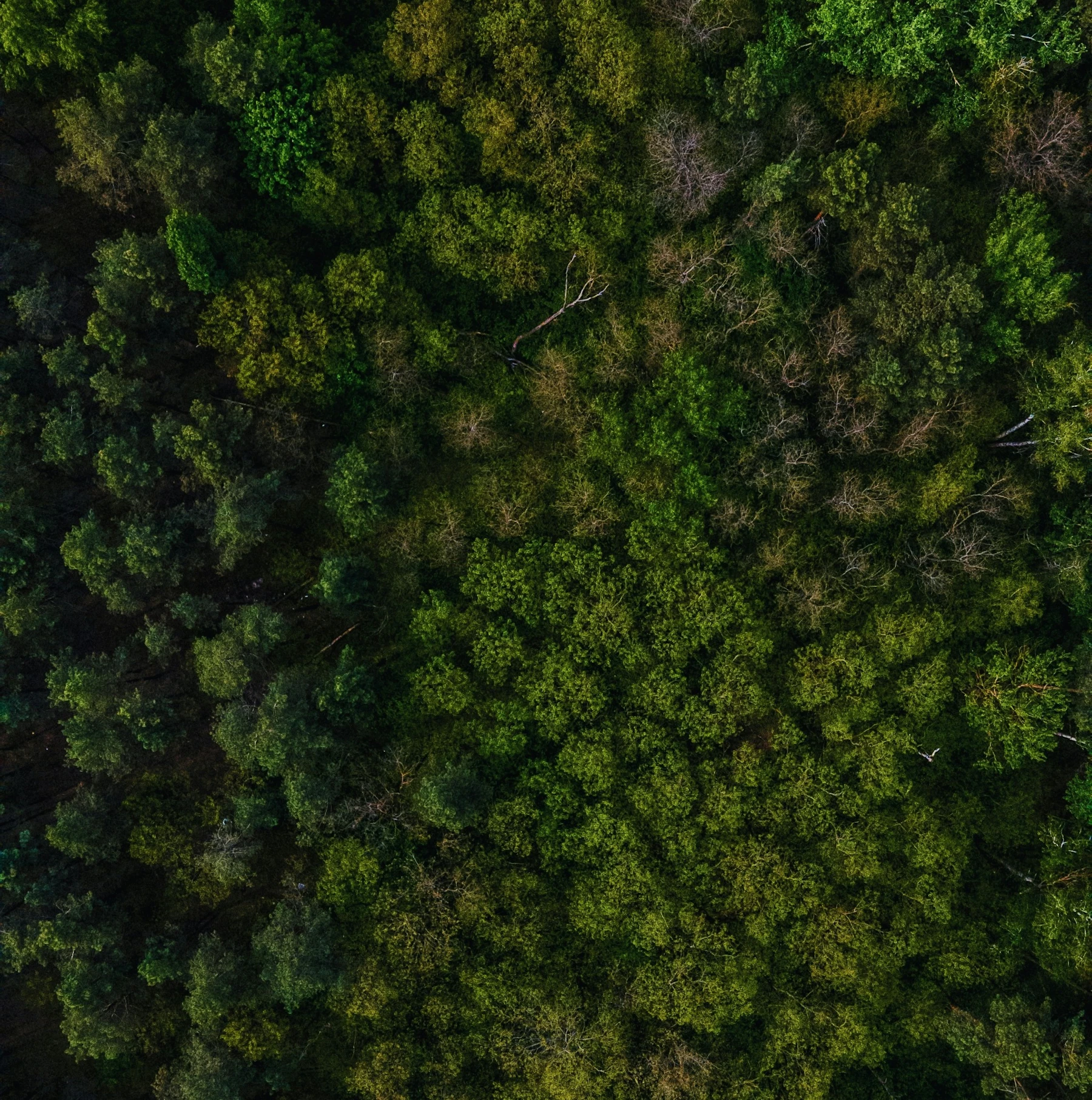
Explore the White River National Forest, 2.3 million acres of world-famous destinations in the Colorado Rockies. Stretching from the high peaks of the Sawatch and Elk Mountains to expansive valleys, alpine meadows, and dense conifer forests, the White River is one of the most iconic in the National Forest system.
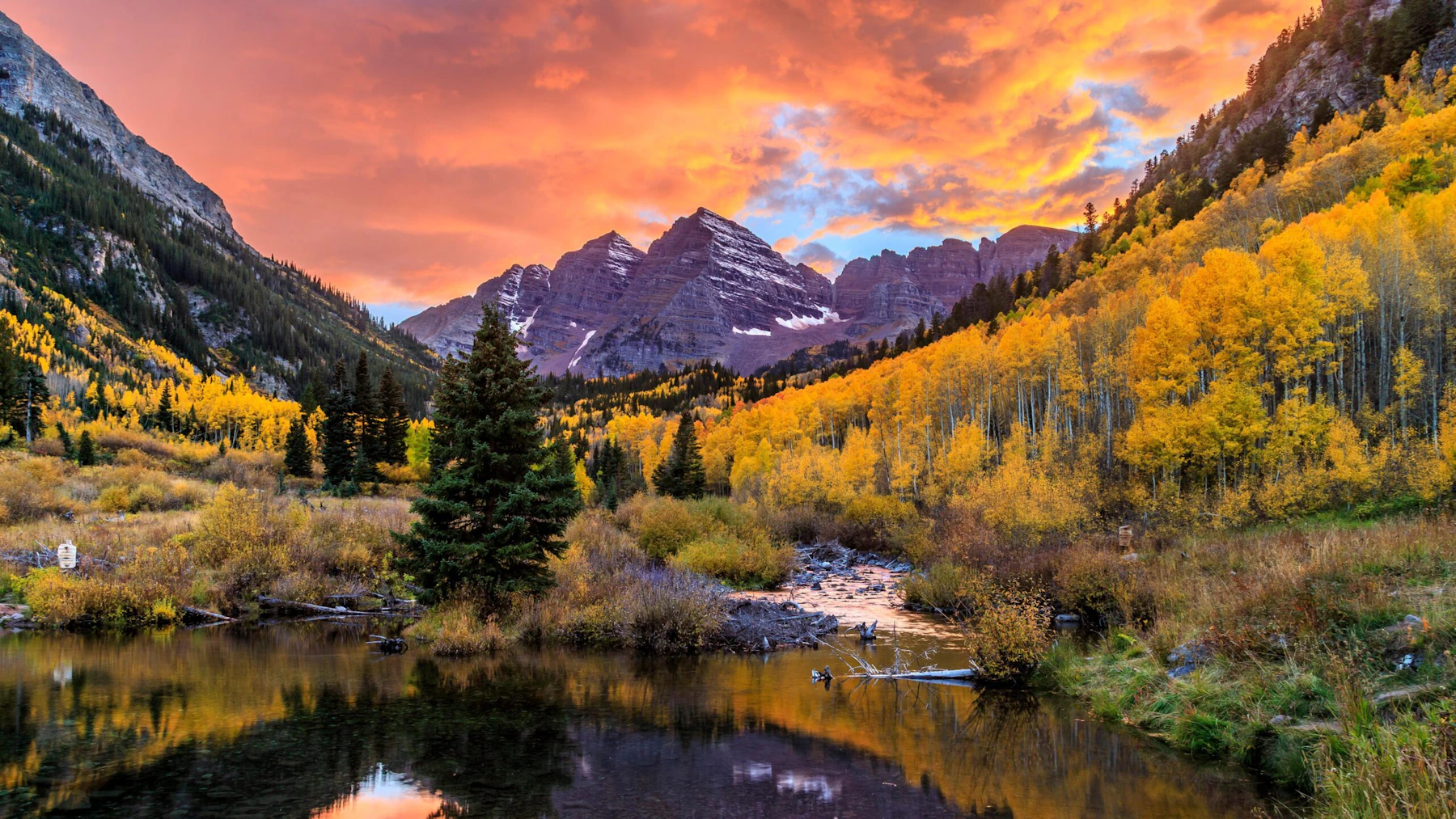
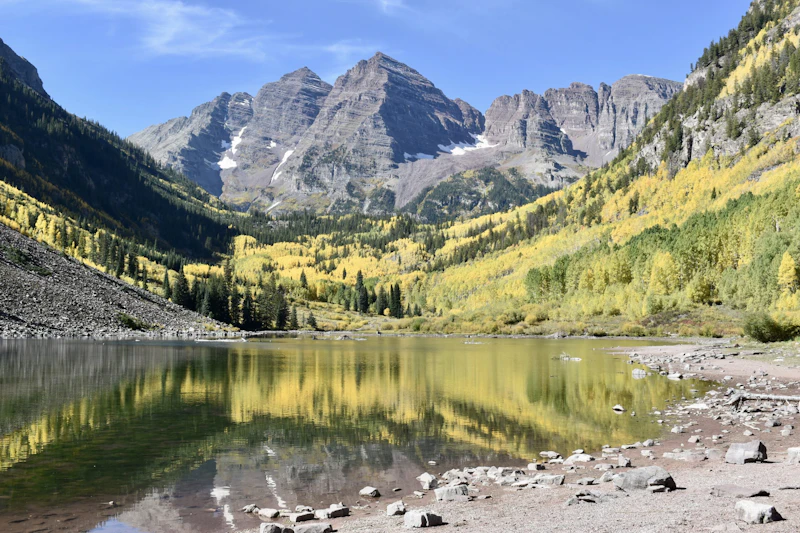
The forest is renowned for its outstanding recreation. It’s home to two of the most recognized destinations in the country: Maroon Bells, a striking pair of 14,000-foot peaks known for their maroon-colored rock, and Hanging Lake, a turquoise lake fed by multiple waterfalls.
With 10 peaks over 14,000 feet and eight Wilderness Areas that cover a third of its acreage, the White River National Forest is a backcountry dream. Eight of its “fourteeners” reside in the Collegiate Peaks Wilderness, which likely possesses the highest average elevation of any Wilderness Area in the Lower 48.
Hundreds of miles of trails and tracks, which range from gentle lakeside strolls to challenging alpine climbs, and include sections of the Continental Divide Trail, host hiking, mountain biking, off-roading, and horseback riding. The forest’s rivers, lakes, and game-rich landscapes support excellent fishing and hunting.
The White River National Forest is one of the most visited winter destinations in the country, home to 11 ski resorts that include world-renowned Arapahoe Basin, Breckenridge, Copper Mountain, Aspen Snowmass, and Vail. In addition, the forest features plenty of cross-country skiing, snowshoeing, and snowmobiling trails.
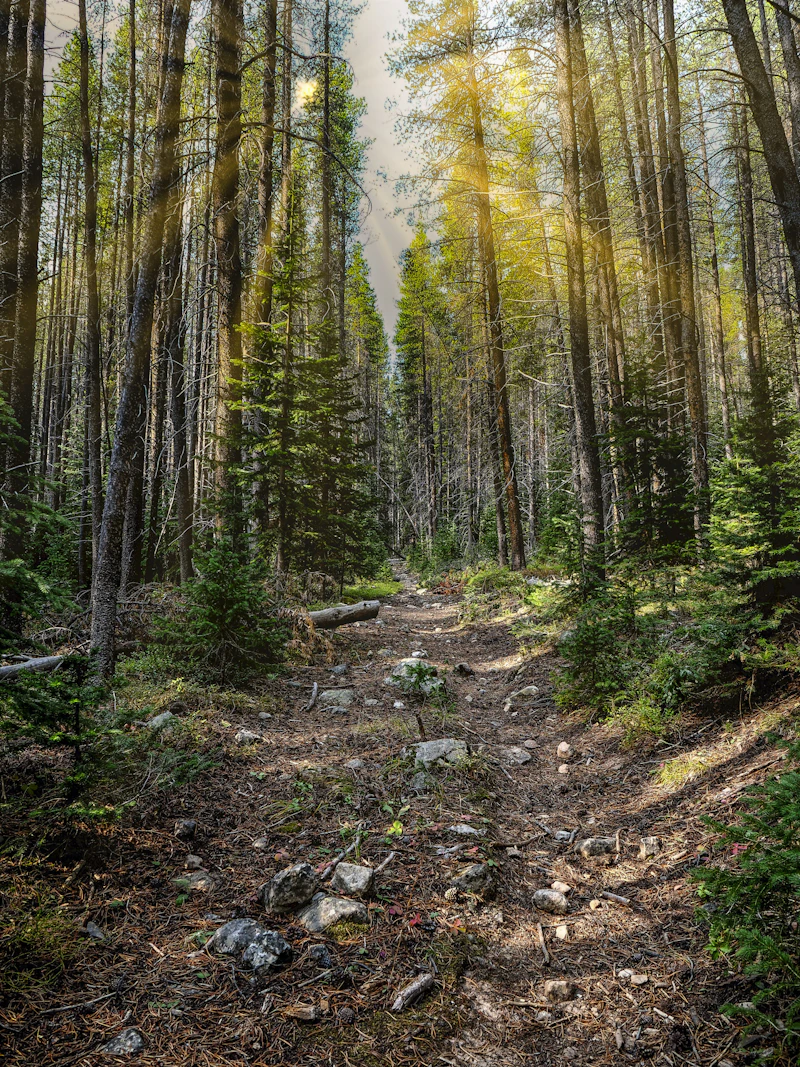 Photo by John Rudy
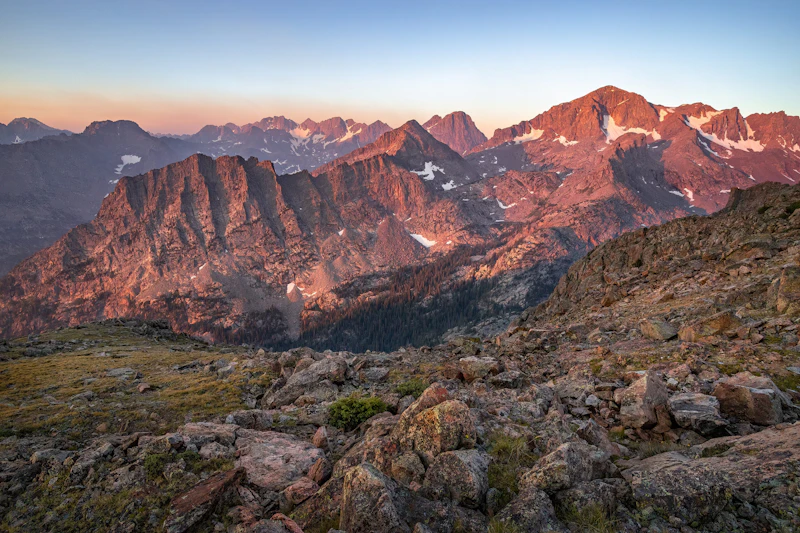 Photo by Josh Couts
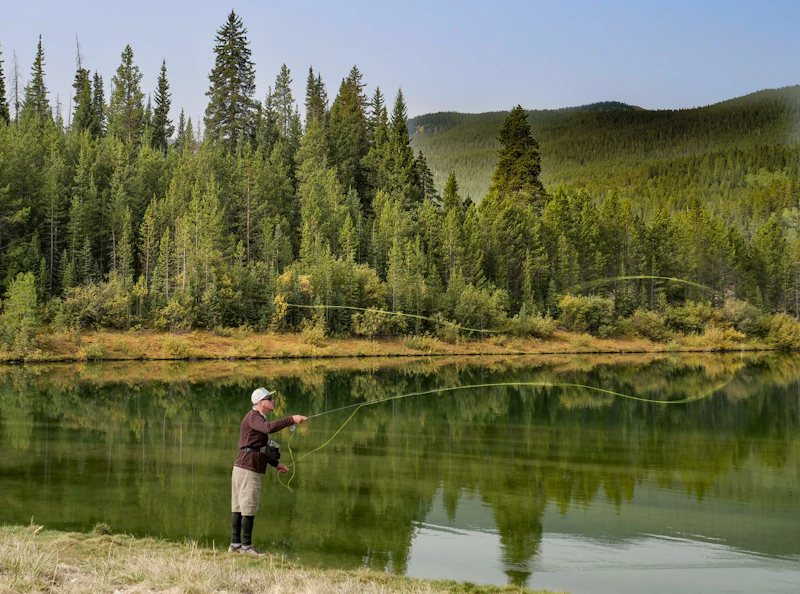 Photo by John Rudy
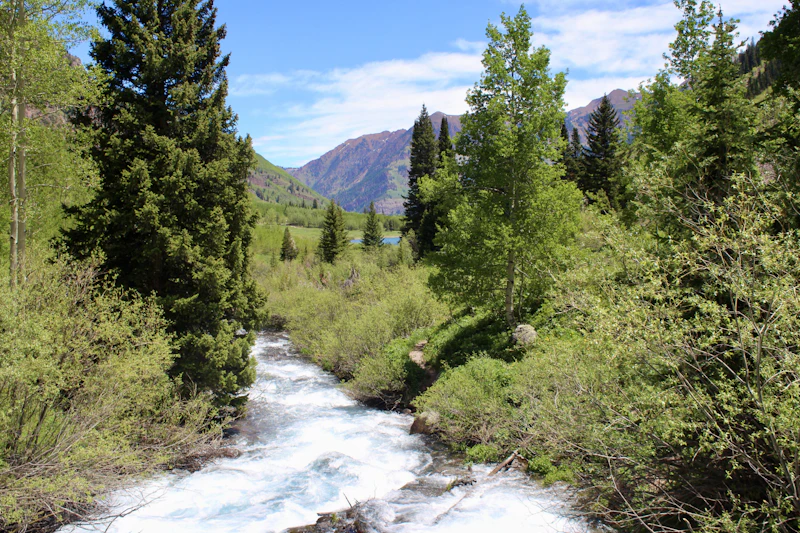 Photo by Deedee Nadeau
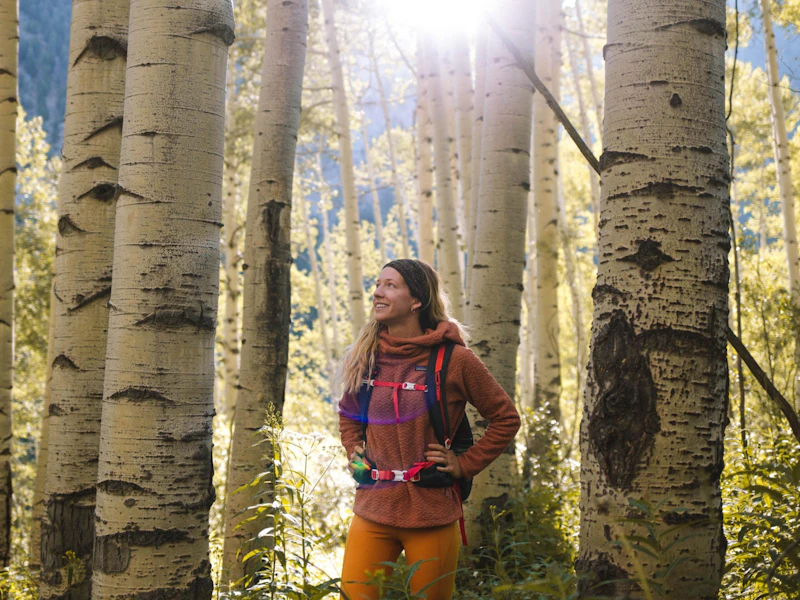 Photo by Kaelan Young
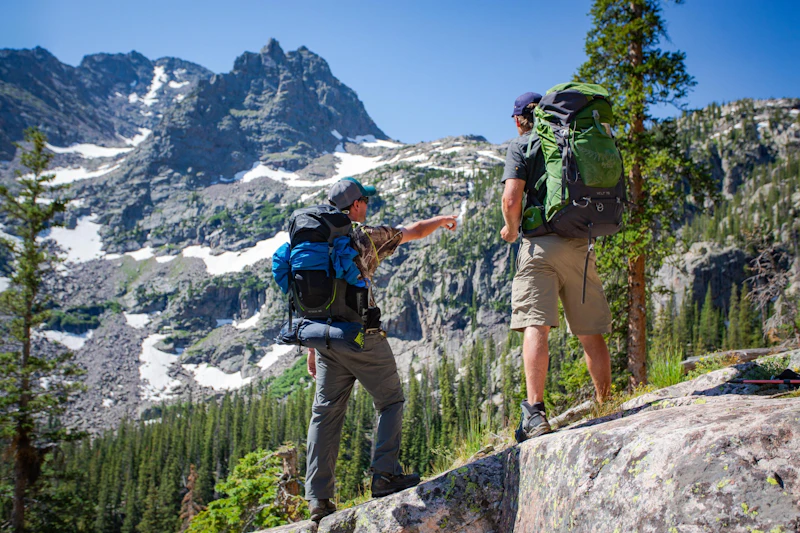 Photo by Ian Zinner
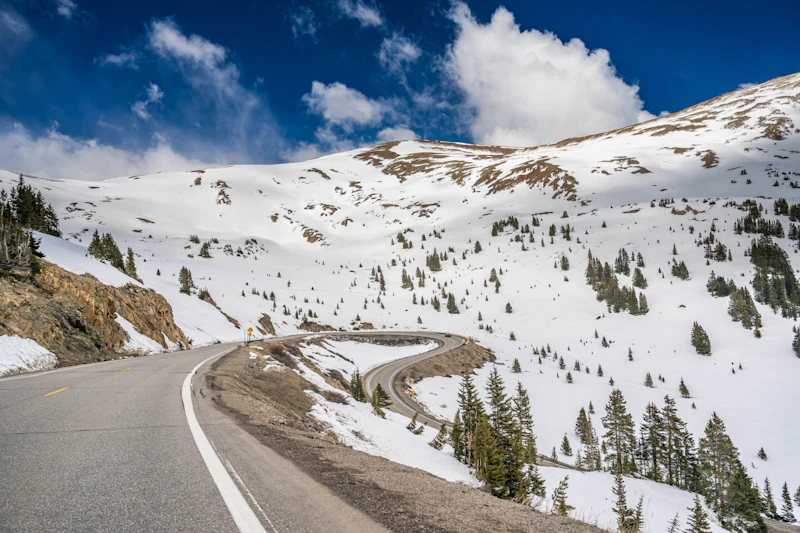 Photo by Mark Krancer
What is the History of the White River National Forest?
The White River National Forest has a rich history that stretches back long before European settlers arrived. For thousands of years, the ancestors of the Ute Indian Tribe inhabited the region, moving seasonally through valleys and mountain passes for hunting, fishing, and gathering.
In 1891, the federal government designated the area as part of the White River Forest Reserve, later becoming White River National Forest. Over time, reforestation, fire management, and sustainable land-use policies helped restore the forest’s ecosystems after mining, logging, and ranching in the 19th century dramatically altered the forest.
How to Get to the White River National Forest
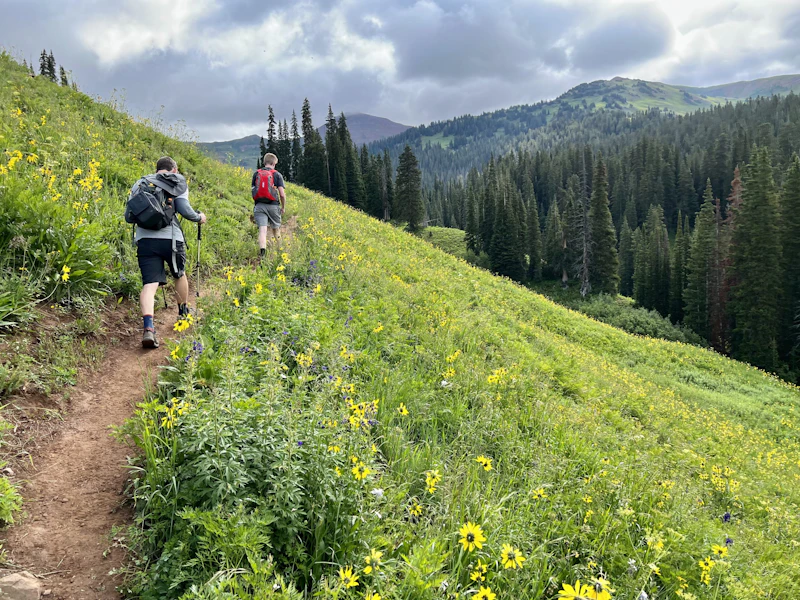
The White River National Forest’s location in central Colorado makes it one of the most accessible and visited forests. From the north, Interstate 70 provides runs east-west through the forest’s northern edges and towns like Glenwood Springs or Vail, which serve as entry points for sites like Hanging Lake. Interstate 70 also connects to Aspen via State Highway 82, providing access to the Maroon Bells.
From the south, U.S. Highway 24 and State Highway 133 connect to forest areas near towns like Carbondale and Redstone. State Highway 82 also links Aspen to the Elk Mountains and Crested Butte region. For travelers coming from the west, Interstate 70 travels through scenic Glenwood Canyon.
- Denver, Colorado: 2.5 to 3 hours by car
- Grand Junction, Colorado: 2.5 to 3 hours by car
- Boulder, Colorado: 3 to 3.5 hours by car
- Fort Collins, Colorado: 4 to 4.5 hours by car

This half-mile trail follows the Roaring Fork River near Aspen, providing scenic views of flowing water, riparian vegetation, and surrounding mountains. Designed to be wheelchair- and visually accessible, the trail features braille signage, interpretive panels, and tactile exhibits that explain local ecology and history.
This river offers a rafting trip for every skill level and desire, from the Upper Roaring Fork featuring Class III rapids against epic canyon scenery to the intense ‘Slaughterhouse’ run that features Class IV-V rapids and the dramatic Slaughterhouse Falls.
This blue-ribbon trout fishery is famed for its stock of native Colorado cutthroat trout and for its epic scenery. Stay at one of five campgrounds on the 300-acre lake and enjoy catch-and-release fishing from the shore or non-motorized boats (only artificial flies and lures are allowed).
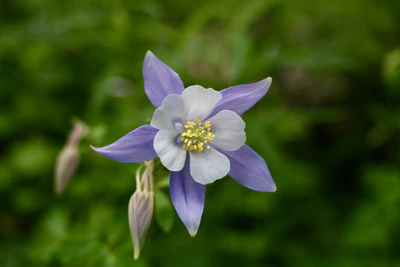 Colorado columbine
The state flower turns the forest’s aspen groves, meadows, and talus slopes white and blue come summer.
Colorado columbine
The state flower turns the forest’s aspen groves, meadows, and talus slopes white and blue come summer.
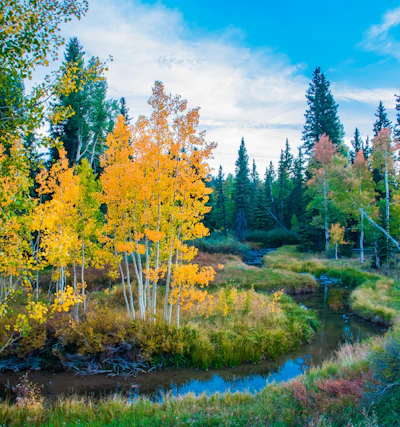 Aspen
Known for its striking white bark and quaking leaves, this tree forms dense groves that shimmer in the wind and turn gold and orange in the fall.
Aspen
Known for its striking white bark and quaking leaves, this tree forms dense groves that shimmer in the wind and turn gold and orange in the fall.
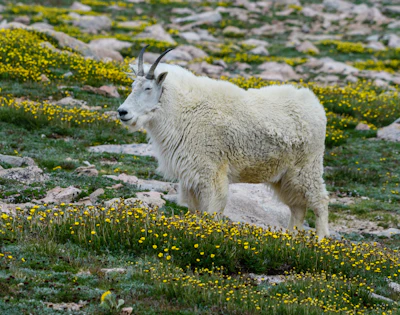 Mountain goat
This mammal has thick white coats that protect it from harsh winter conditions and uniquely shaped hooves that allow it to traverse rugged terrain in search of grasses, herbs, and lichens.
Mountain goat
This mammal has thick white coats that protect it from harsh winter conditions and uniquely shaped hooves that allow it to traverse rugged terrain in search of grasses, herbs, and lichens.
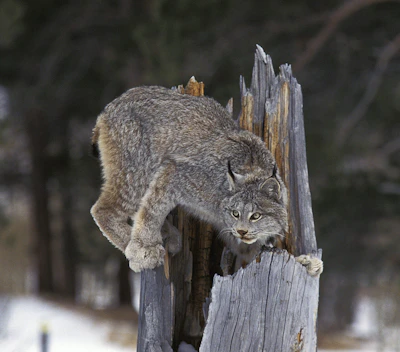 Canada lynx
Recognizable by its tufted ears, short tail, and large, furry paws, the lynx is specially adapted for snowy environments, using its paws like snowshoes to travel and hunt.
Canada lynx
Recognizable by its tufted ears, short tail, and large, furry paws, the lynx is specially adapted for snowy environments, using its paws like snowshoes to travel and hunt.
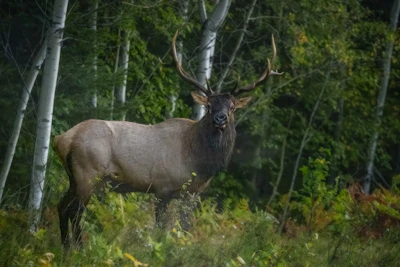 Elk
This majestic animal, the second largest species in the deer family after moose, is most active during dawn and dusk and during fall rutting season.
Elk
This majestic animal, the second largest species in the deer family after moose, is most active during dawn and dusk and during fall rutting season.
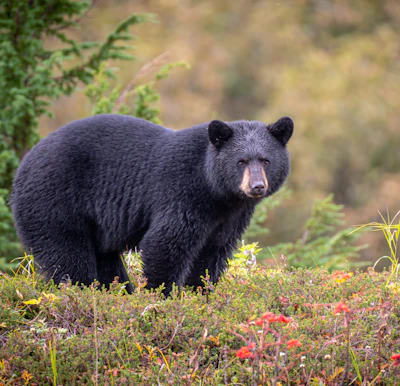 Black bear
This omnivore is most active at dawn and dusk, foraging for berries and insects near streams and meadows, but may roam during the day, especially in less-traveled areas.
Black bear
This omnivore is most active at dawn and dusk, foraging for berries and insects near streams and meadows, but may roam during the day, especially in less-traveled areas.
Related Impact
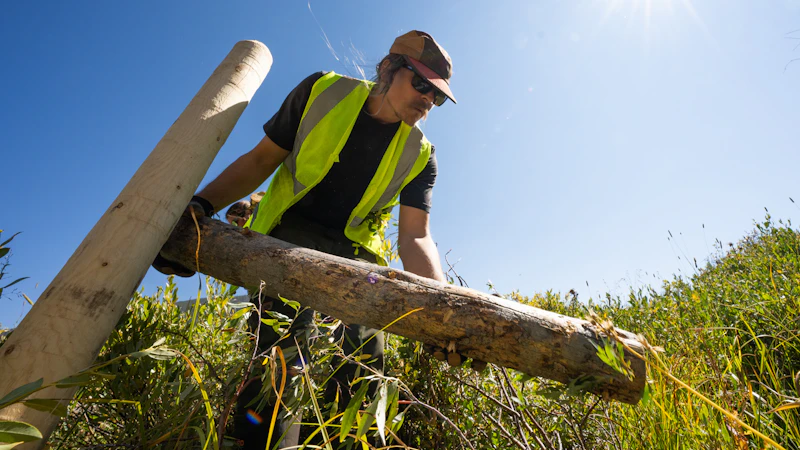
Restoring the Colorado River Watershed through Nature Based Solutions
The National Forest Foundation and our partners are taking action through process-based restoration techniques that work with nature to bring life back to streams and wetlands in the Colorado River Watershed, securing water for people, wildlife, and the future.
What’s the Best First-Timer’s Adventure in the White River National Forest
To experience one of the most rare ecosystems in the White River National Forest, book a summer permit to hike to Hanging Lake. A 1.2-mile roundtrip trail begins in Glenwood Canyon and ascends steeply to a turquoise lake lined with waterfalls. While the trail is short, it’s considered strenuous due to its rocky sections and 1,200-foot elevation gain.
Where to Find More Information on the White River National Forest
For more information or questions, visit https://www.fs.usda.gov/r02/whiteriver.
Discover how communities, volunteers, and partners are shaping the future of our National Forests and Grasslands.
The National Forest Foundation works with partners across Northern Colorado to restore forests, reduce wildfire risk, and care for the…
After years of damage, recovery, and reconstruction, the trail to Hanging Lake has been fully rebuilt, creating a more durable,…
Erosion and wildfire had left Arizona's historic Highline Trail rutted and unsafe. After five years of work with the Tonto…
Forest restoration near Flagstaff is reducing wildfire risk for local communities and safeguarding the water supply for millions across the…
Colorado's 14ers draw thousands of visitors each year, and the pressure on these fragile alpine landscapes is growing. Here's a…
Visitors of all ages can explore forest trails and sparkling waters, discover wildlife and underwater habitats, and connect with Tahoe’s…
A partnership-driven program connecting youth on Montana’s Flathead Reservation with hands-on conservation work, heritage education, and pathways in natural resource…
Seeing the impact first hand on the Grand Mesa, Uncompaghre and Gunnison National Forests
Seven Years of Reopening Trails After the Eagle Creek Fire
Field Ranger Program Connects Diverse Communities to Forests in Southern California
Our Forests Need Us Today.
Your donation powers critical, on-the-ground conservation—from wildfire recovery to watershed restoration—protecting forests for the future.