The Next Generation of Land Stewards
Field Ranger Program Connects Communities to Forests in Southern California
by Casey Schreiner
The beauty of Los Angeles is well-known, but it tends to be framed in human terms: the toned and tanned celebrities captured by photographers and publicists and published worldwide.
Lesser known is the fact that the nation’s second largest city sits in the shadow of the San Gabriel Mountains, home to snow-capped peaks, fragrant pine forests and sage scrub, and over 700,000 acres of wild terrain protected in the Angeles National Forest and San Gabriel Mountains National Monument. It’s common to find long-time residents who have never visited these wild places.
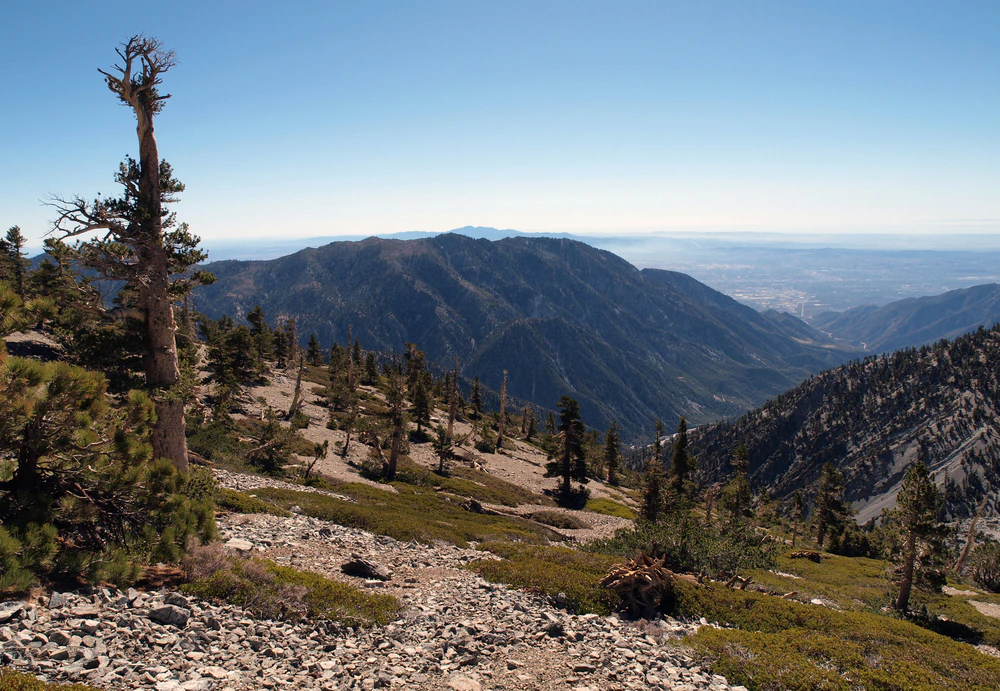
Felipe Lepe grew up in the Panorama City neighborhood of Los Angeles. The San Fernando Valley neighborhood is only about 10 miles from the foothills of the San Gabriel Mountains, but those mountains might as well have been a world away. Hemmed in by four major freeways, a bus ride would have taken over an hour and still left him miles from any ranger station or hiking trail. Lepe instead took to skateboarding and didn’t spend time in the mountains until joining conservation groups in college that took him to Sequoia and Yosemite National Parks, hours to the north.
Lepe’s experience isn’t uncommon across L.A. County. In 2016, the County—with 88 incorporated cities and a population of just over 10 million people—released a comprehensive assessment of its parks and recreation inventory and found some tough truths. Over half of the county population lives in areas with high park needs—meaning they don’t live within a half-mile, or a 10-minute walk, of a park.
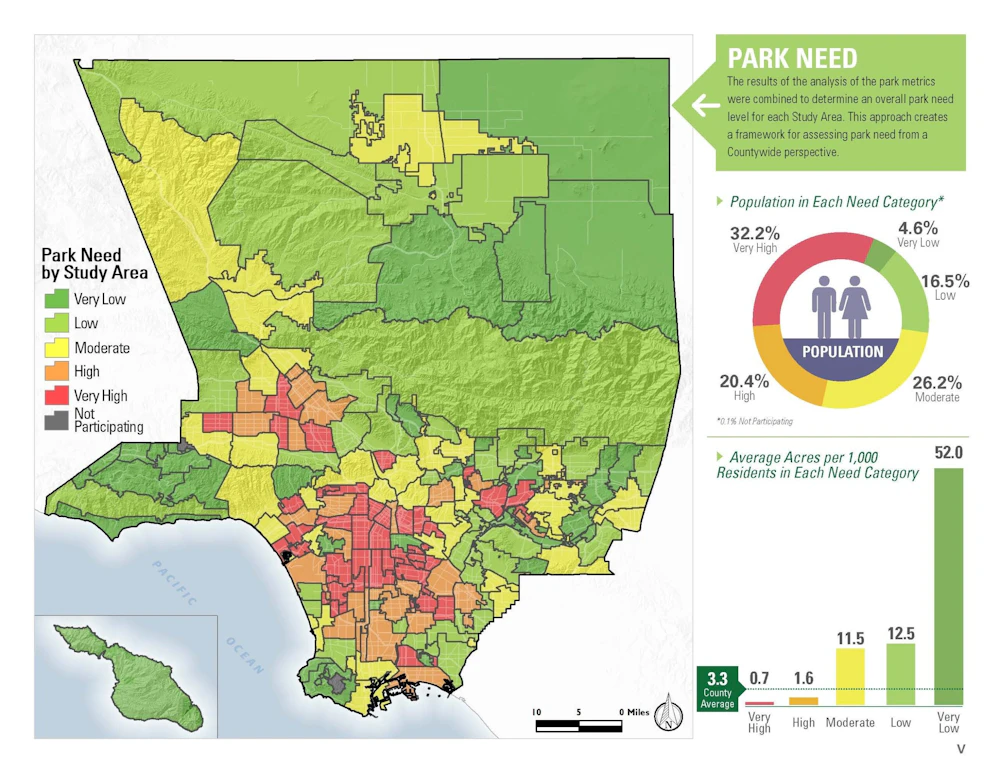
This county-wide shortcoming is more than just an issue of not having enough playgrounds on hand—the report found that communities with poor access to parks also had higher rates of heart disease and diabetes and were more likely to have childhood obesity and overall economic hardship. Those communities were also more likely to be predominantly Black and Latino.
So, Los Angeles County was looking at populations that didn’t have access to green space, and an enormous National Forest and Monument with plenty of room to roam. The issue seemed to be finding ways to connect the two. Enter the National Forest Foundation’s Field Ranger Program, an effort to help the people of Los Angeles County overcome some of the hurdles to enjoying their public lands in part by forging stronger human connections between visitors and land managers.
When those connections are created and maintained, the payoff can often be larger than anyone might have expected. Lepe’s experience with outdoor groups in college led him to a career in conservation work and brought him back to Los Angeles County, where he is now the Southern California Program Coordinator with the National Forest Foundation in charge of the Field Ranger Program. Lepe describes the Field Rangers as an experiential hands-on learning program, geared toward mentorship, potential outdoor careers, and most importantly, connecting underserved communities with nearby natural areas.
Born and raised in South Central Los Angeles, Samantha Carranza’s parents nurtured her love of the outdoors despite their limited access to greenspaces. “There are family pictures of me as a baby just digging in dirt.”
By high school, Carranza was volunteering at the California Science Center and looking for a career path that could combine science with the outdoors. Her time at East Los Angeles College came with access to greater opportunities and setbacks to her goal—lack of a private vehicle disqualified her from internships and kept her from exploring the nearby mountain ranges. Carranza said those disqualifications were frustrating, but she was able to leverage internships to work as a seasonal technician on public lands, doing research and eventually ending up at Channel Islands National Park, where a private vehicle was not required.
She loved the work, but said she was also often “the odd one out. Coming from a Community College, being the only woman on a team or the only woman of color or from a low-income area, these were all challenges.” She also saw how little the nearby communities were involved in their decisions and said, “This is not enough.”
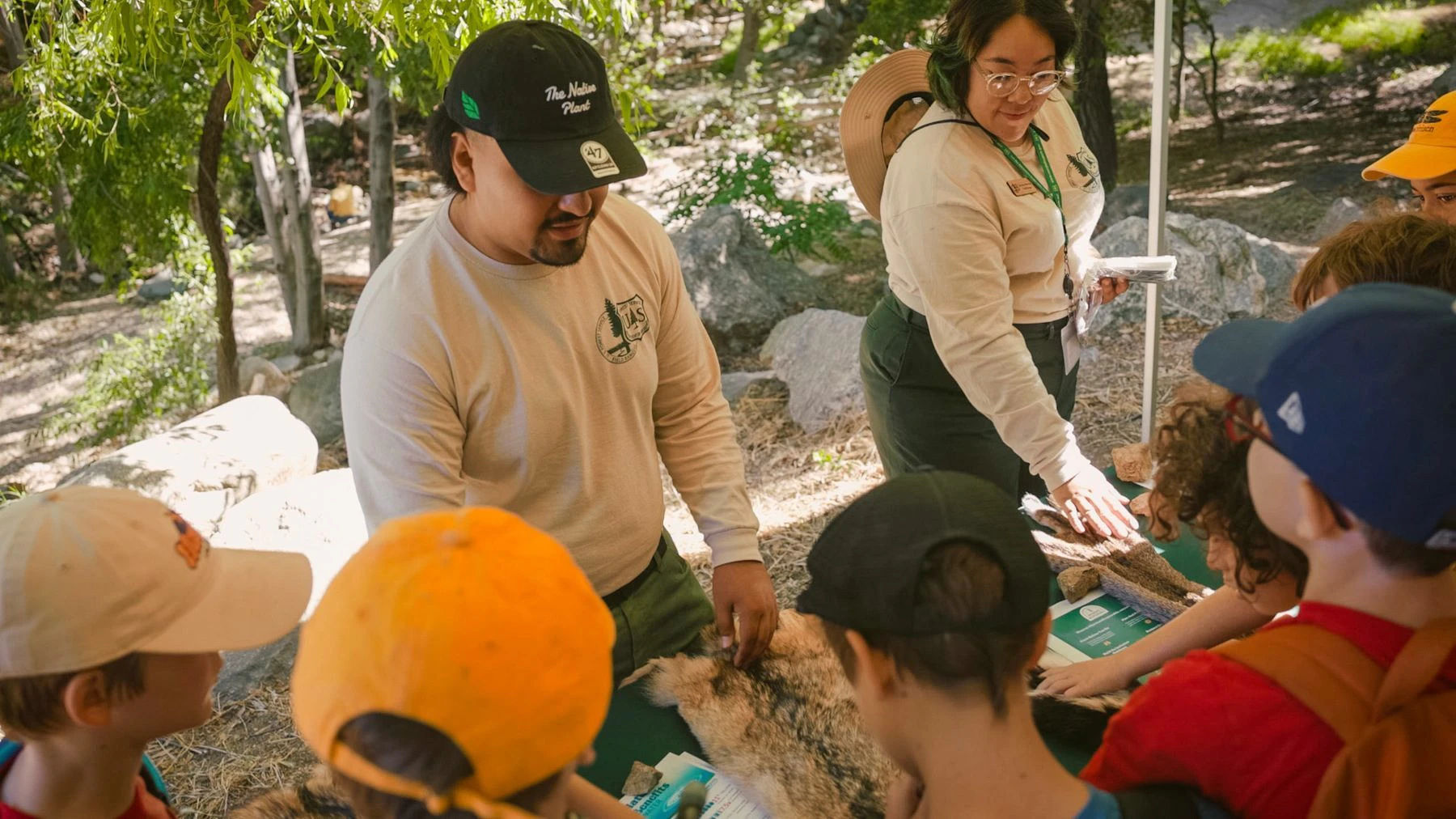
When Carranza learned about the Field Ranger Program, it was via a mass email, but she said it felt like it was sent directly to her. She applied and was accepted in the 2023 cohort. In the San Gabriel Mountains, she helped design bilingual interpretive events about local wildlife and Leave No Trace principles, but she said the most transformative experience was simply having positive interactions with visitors. “Those really stuck with me.”
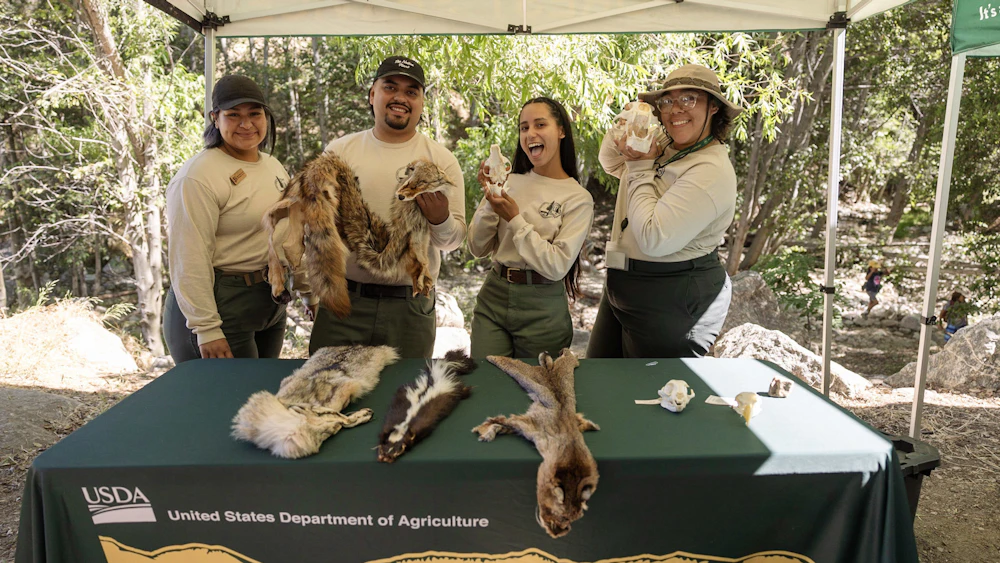
Carranza fondly remembers teaching children about Leave No Trace principles, then later seeing those same children bring their families back to her to share what they’d learned. She remembers a woman she met near a trailhead who only spoke Spanish and was thrilled to finally be able to speak with a ranger about how outdoor experiences in the San Gabriels connected her to her Mexican heritage. “The only reason we were even able to have that interaction was because I spoke Spanish, too” she said. “She hadn’t had the opportunity to bring up concerns or talk to staff before because she was afraid they might not understand the language or the cultural stance she had coming to the forest.”
Today Carranza is a Senior Associate with the National Forest Foundation’s Southern California Program, focusing on forest health and community engagement. She credits the Field Ranger Program with showing her what was available to her and helping her find her voice in the conservation field. Carranza encourages anyone who’s open to the work and looking to build community to apply. “What I find so beautiful about this program,” she said, “is they try to understand who you are as an individual to play into the strengths you already have and make you even stronger. It’s a challenge, yes, but you get so much guidance and support that you never feel like you’re going through it alone.”
“What I find so beautiful about this program is they try to understand who you are as an individual to play into the strengths you already have and make you even stronger. It’s a challenge, yes, but you get so much guidance and support that you never feel like you’re going through it alone.”
About the Author
Casey Schreiner is the author of three books about the outdoors, a contributing writer to the Los Angeles Times, a television writer and producer, and the founder of Modern Hiker, one of the oldest hiking blogs on the West Coast. He lives in Portland, Oregon.
The largest, most destructive wildfires in California’s history have occurred in the last ten years—everything is at stake for mountain…
The streams and creeks of the LBJ National Grassland flow into the Trinity River Basin, which supplies water for over…
Protecting biodiversity, mitigating climate change, and fostering partnerships for resilient forests.
Anna's family has been planting trees for 50 years. Now she is helping build a sustainable model to meet the…
Nature-based solutions are bringing life back to streams and wetlands in the Colorado River Watershed, securing water for people, wildlife,…
Field Ranger Program Connects Diverse Communities to Forests in Southern California
Seeing the impact first hand on the Grand Mesa, Uncompaghre and Gunnison National Forests
Seven Years of Reopening Trails After the Eagle Creek Fire
Our Forests Need Us Today.
Your donation powers critical, on-the-ground conservation—from wildfire recovery to watershed restoration—protecting forests for the future.