Reforestation on the Umpqua
Anna's family has been planting trees for 50 years. Now she is helping build a sustainable model to meet the Forest’s future post-fire reforestation needs
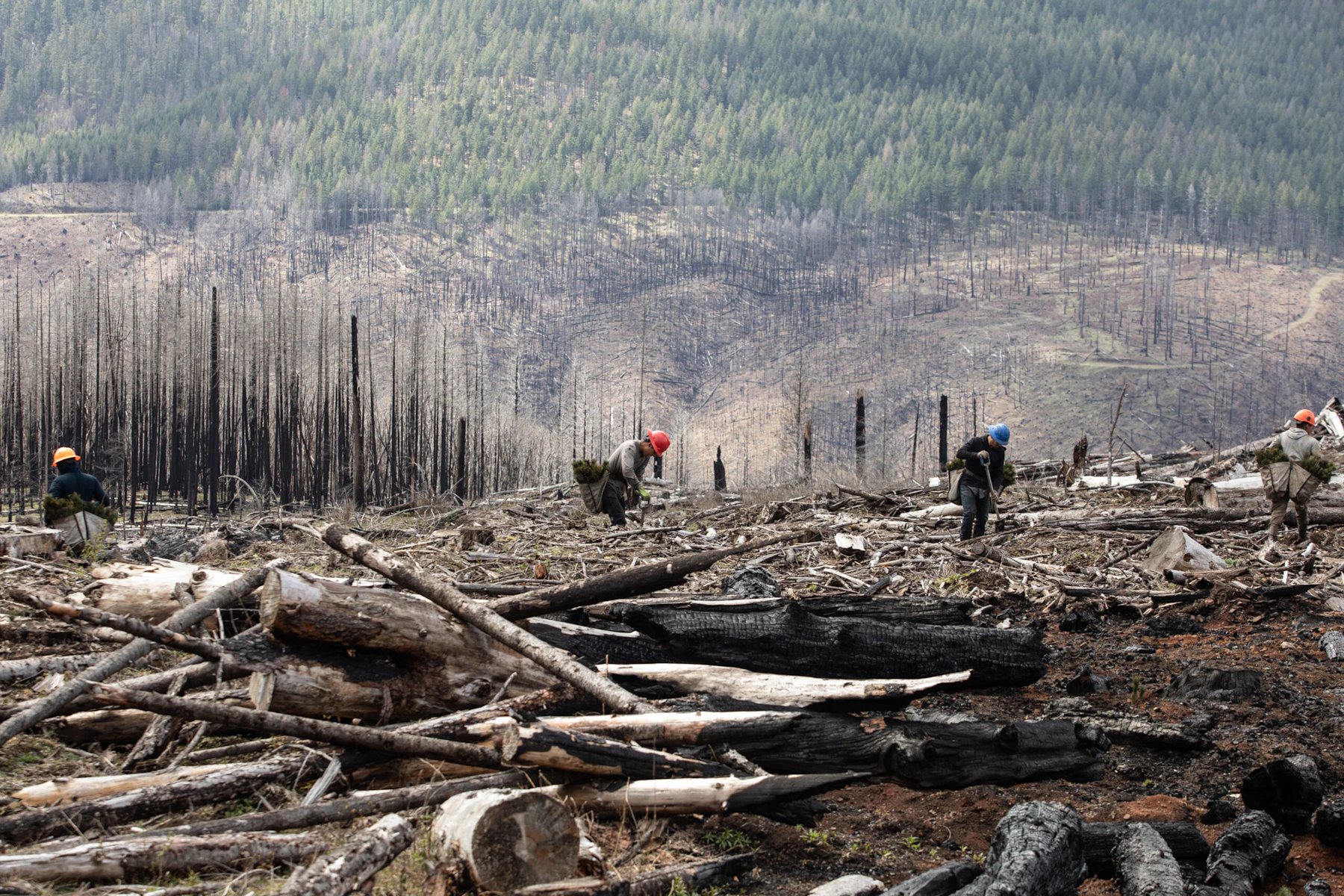
In 2024, Oregon saw more acres burned in a single fire season than any year in the past three decades.
Wildfires nationwide continue to grow larger, burn longer, and cause more destruction. During wildfire season, entire forests can go up in smoke in a matter of days. But it can take decades for them to recover, and many won’t recover at all without human intervention.
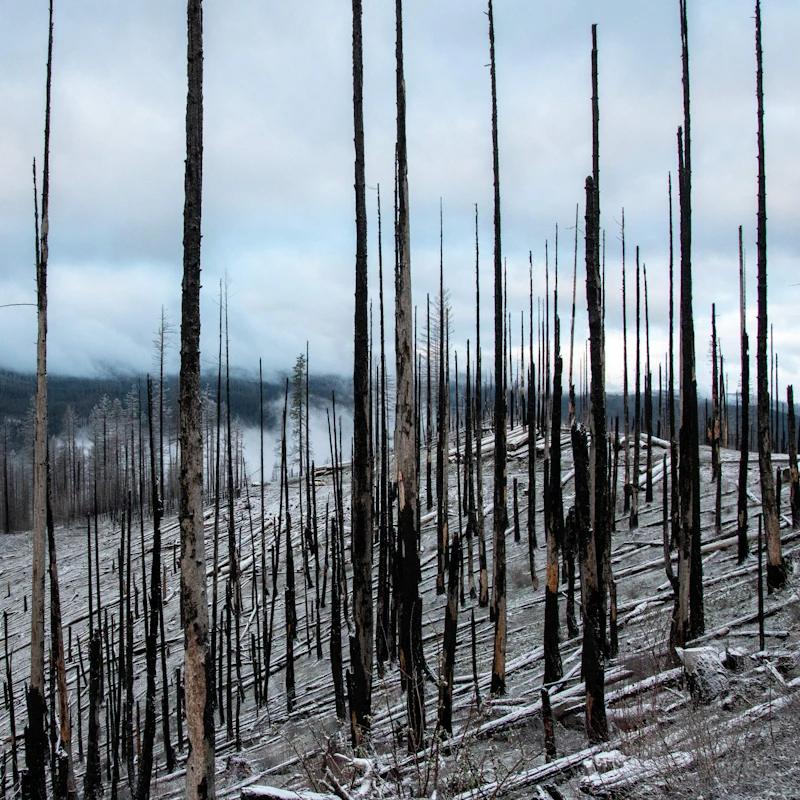
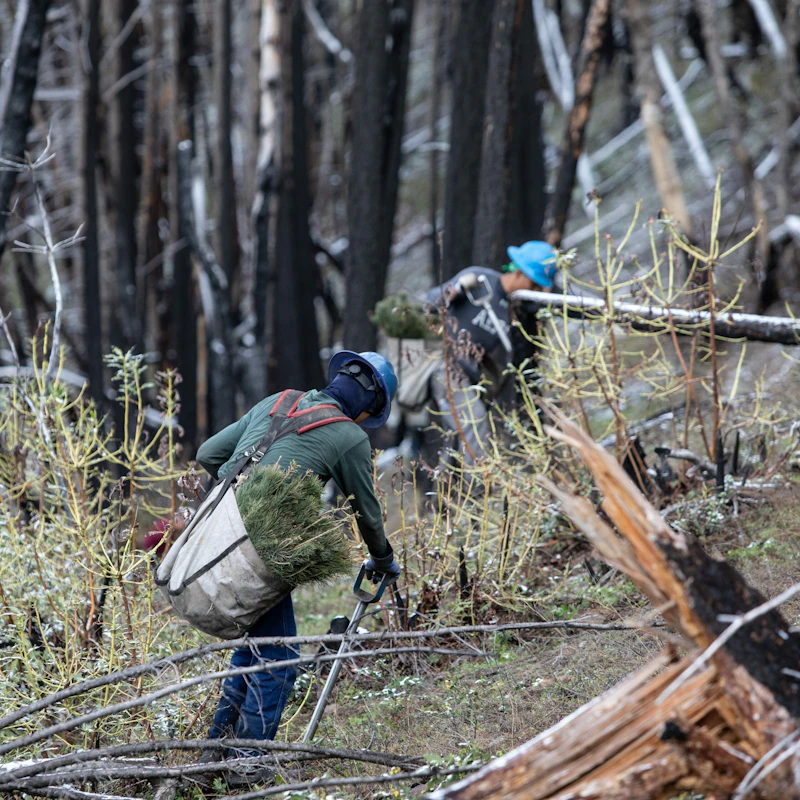
Southern Oregon native Anna Wemple knows how crucial reforestation is after a fire – and how long it can take for those forests to regrow. The daughter of two tree planters in the Hoedads Reforestation Cooperative, as a tiny child she watched her parents plant trees on the Umpqua National Forest that grew as she did.
Now, as the NFF’s Umpqua Reforestation Coordinator, Anna is carrying on her family’s legacy to ensure her home will have healthy forests for another generation.
Building a sustainable model for post-fire reforestation
On the Umpqua National Forest, Anna is involved in every step of the reforestation process – from collecting cones, to growing seedlings, to planting and monitoring saplings. Her role is part of the National Forest Foundation’s holistic approach to reforestation which looks at the whole model of post-fire restoration on these landscapes, not just the moment a tree gets put into the ground.
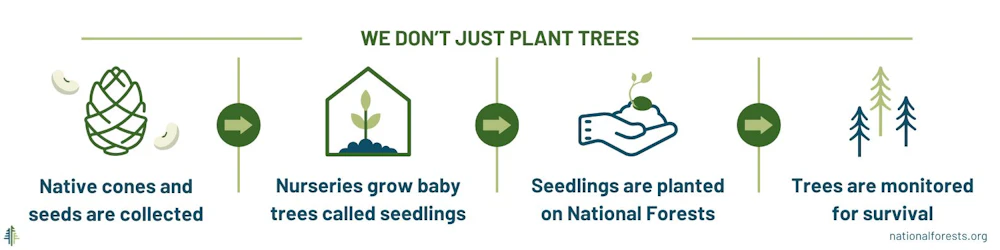
Since 2007, the need for tree planting on National Forests burned by wildfire has increased by 440% – and will only continue to grow as wildfires become more frequent. To keep pace with the number of trees that need to be planted, we must invest in seed collection, nursery production, and all the planning, research, and preparation that makes reforestation possible.
When we invest in every step of the reforestation process, we can build a sustainable model for growing resilient forests for future generations.
The largest, most destructive wildfires in California’s history have occurred in the last ten years—everything is at stake for mountain…
The streams and creeks of the LBJ National Grassland flow into the Trinity River Basin, which supplies water for over…
Protecting biodiversity and fostering partnerships for resilient forests.
Nature-based solutions are bringing life back to streams and wetlands in the Colorado River Watershed, securing water for people, wildlife,…
Field Ranger Program Connects Diverse Communities to Forests in Southern California
Seeing the impact first hand on the Grand Mesa, Uncompaghre and Gunnison National Forests
Anna's family has been planting trees for 50 years. Now she is helping build a sustainable model to meet the…
Seven Years of Reopening Trails After the Eagle Creek Fire
Our Forests Need Us Today.
Your donation powers critical, on-the-ground conservation—from wildfire recovery to watershed restoration—protecting forests for the future.