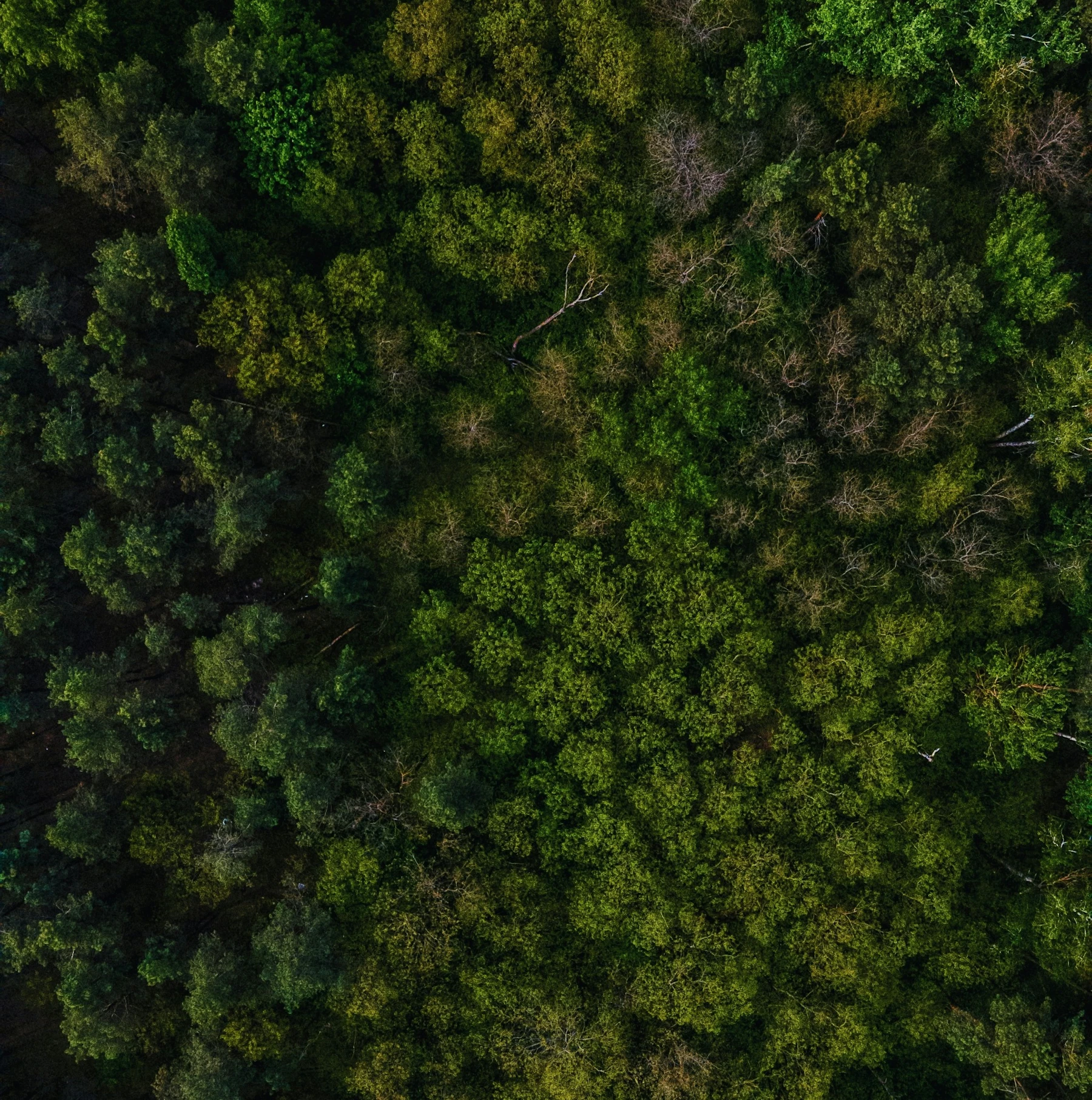
Restoring the North Umpqua Trail
The North Umpqua Trail is a 79-mile route loved by hikers, bikers, and trail runners. Recent wildfires damaged major sections of the trail, leading to closures and lost access. This project focuses on repairing burned areas, rebuilding key structures, and improving sustainability so the trail can safely reopen and be enjoyed for years to come.
About the Project
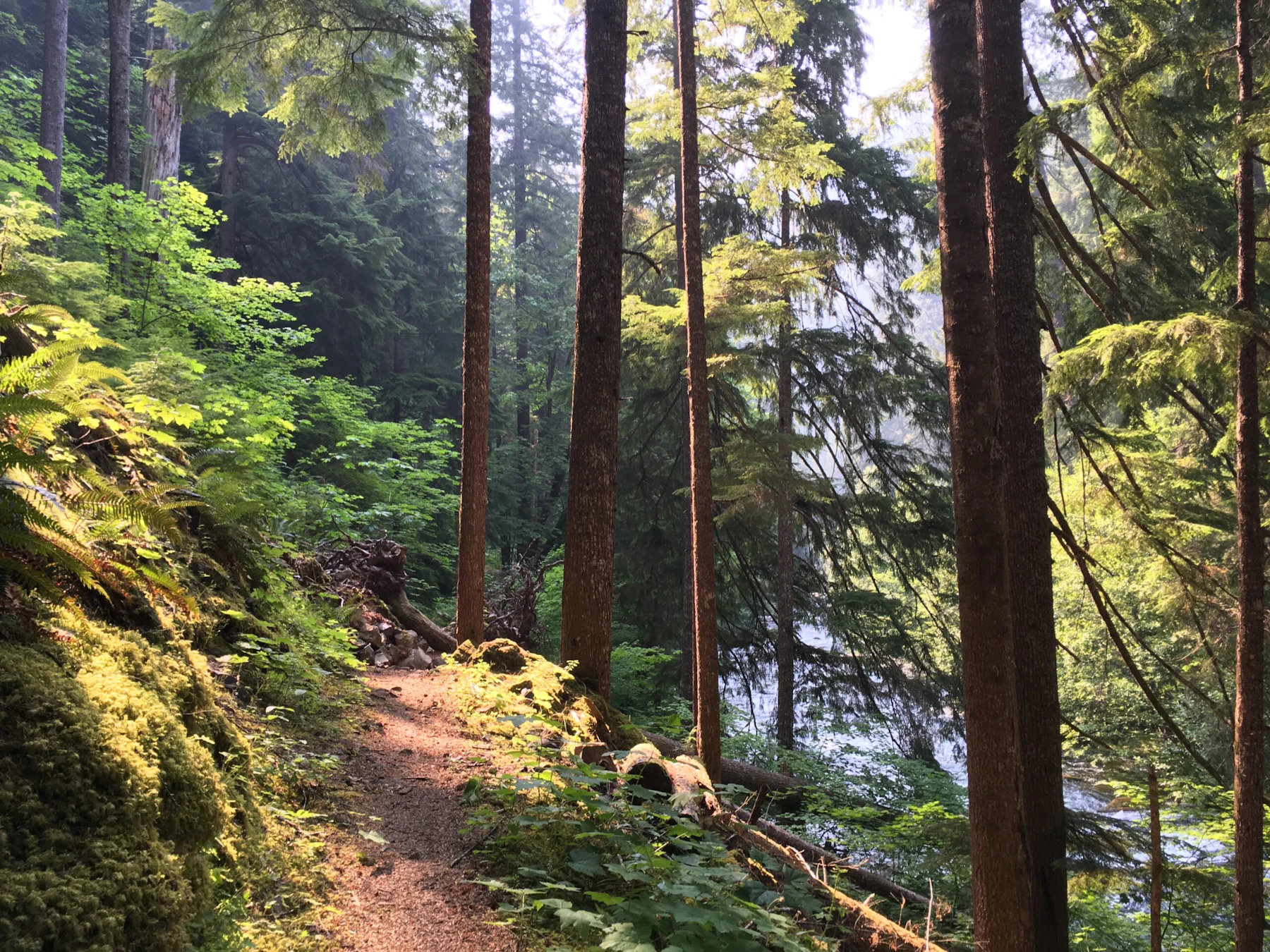
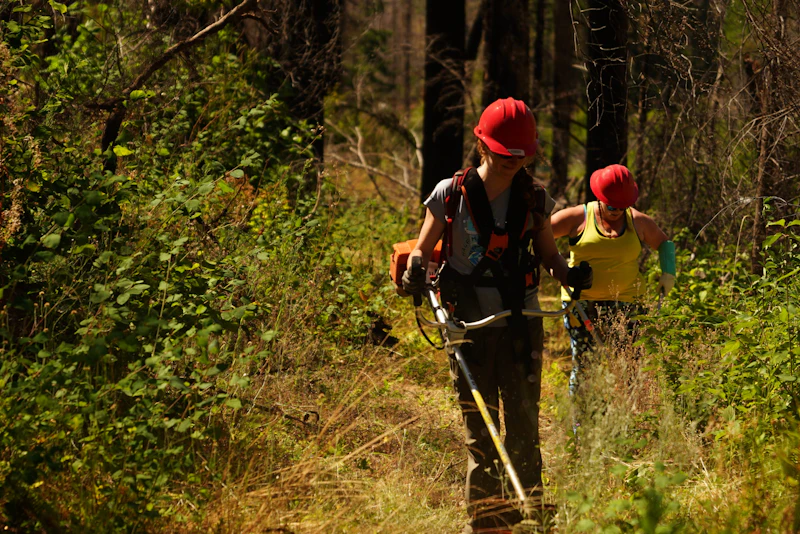
The North Umpqua Trail travels along the North Umpqua River and through diverse forests, waterfalls, and canyon landscapes. Wildfires burned more than 30 miles of the trail, damaging bridges, tread, and critical infrastructure. The goal of this project is to restore damaged areas, stabilize the landscape, and ensure the trail remains a safe, reliable, and sustainable outdoor experience for all users.
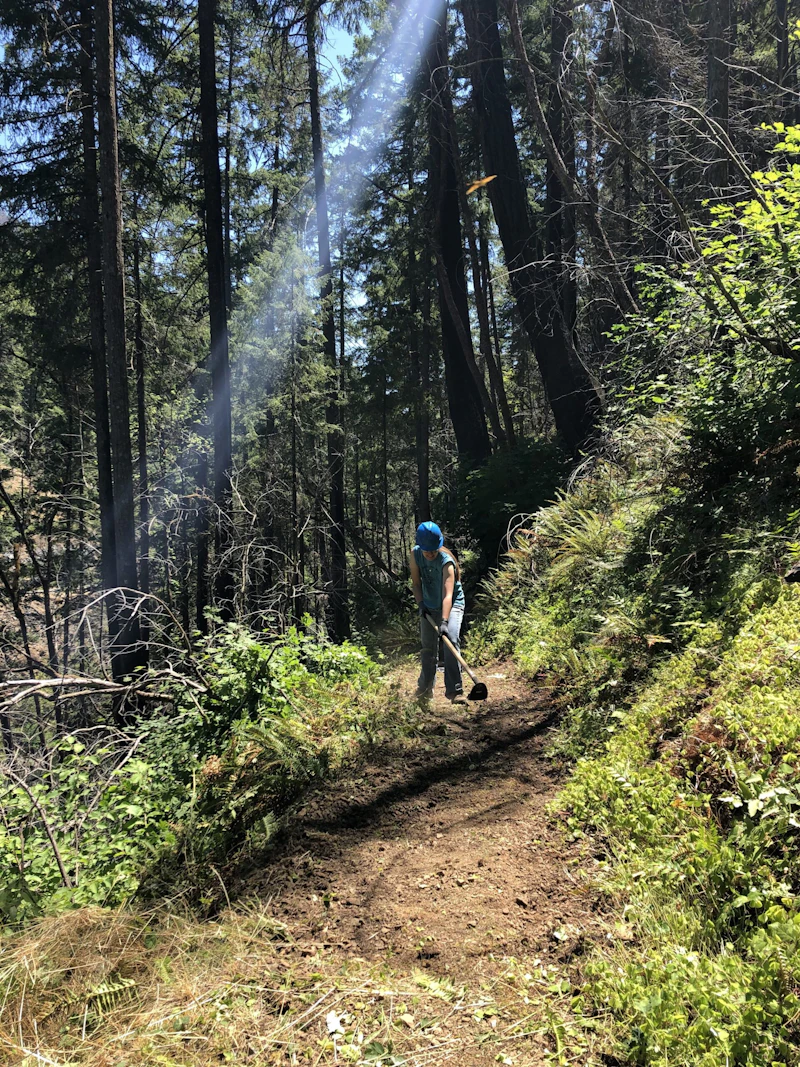
Repair crews and partners are working to clear hazard trees, remove debris, rebuild sections of trail tread, and reopen routes that have been closed for safety. Many damaged bridges and crossings require full reconstruction. This work is essential for restoring continuity along the trail and reconnecting segments that have been inaccessible since the fires.
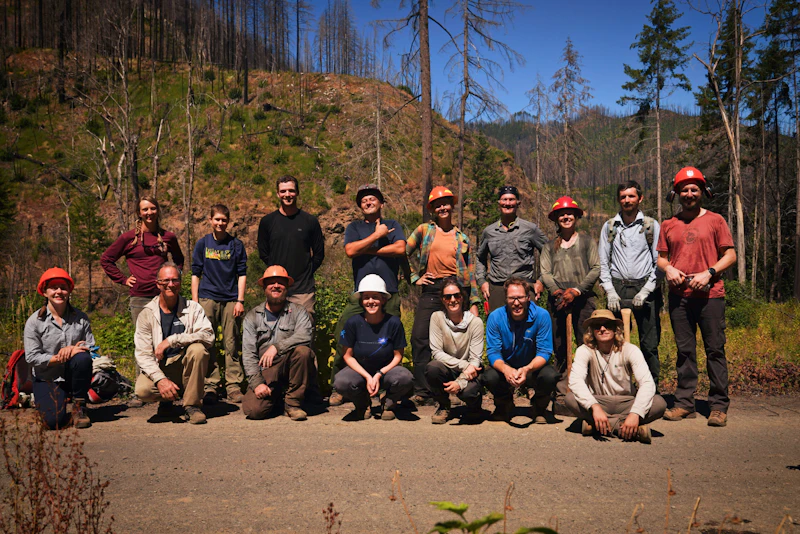
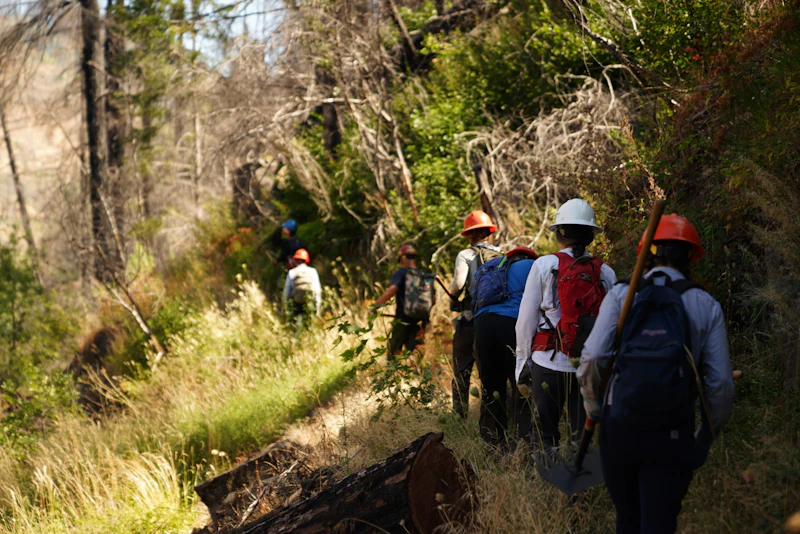 Photo by Freddy Rodriguez
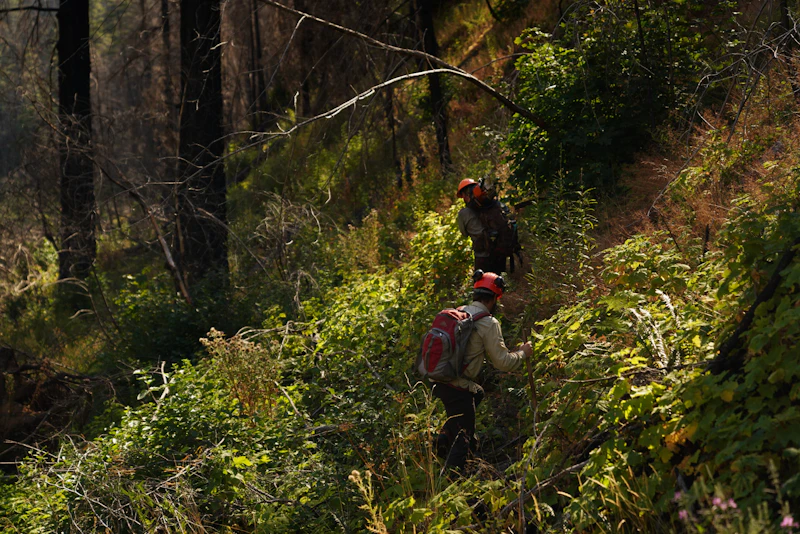 Photo by Freddy Rodriguez
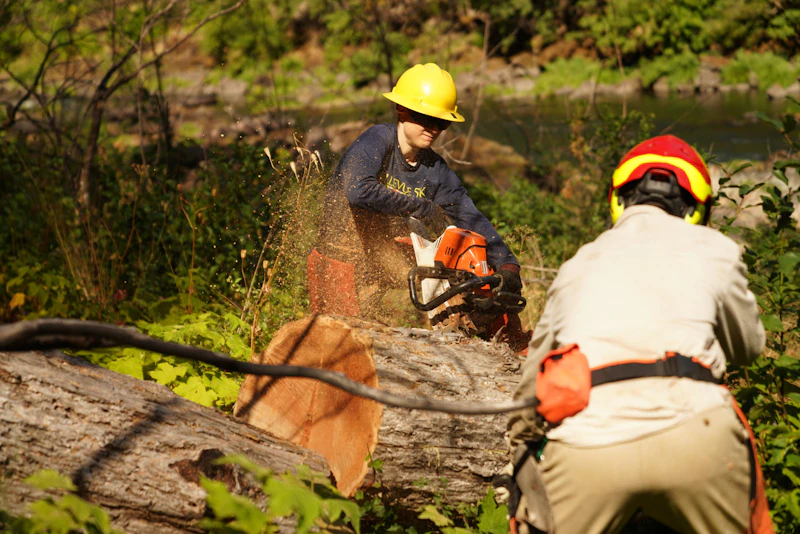 Photo by Freddy Rodriguez
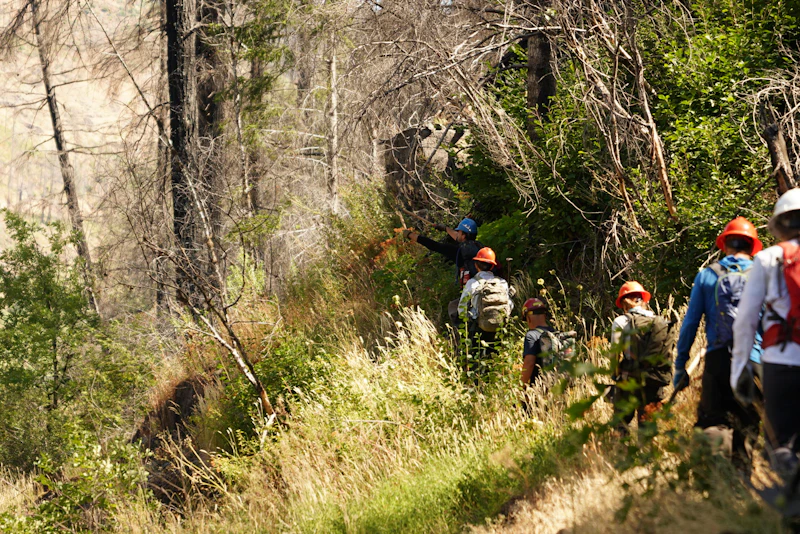 Photo by Freddy Rodriguez
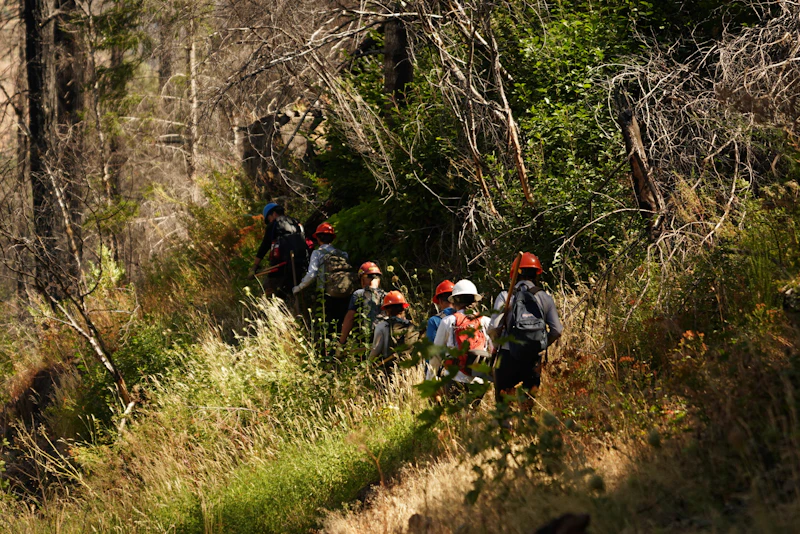 Photo by Freddy Rodriguez
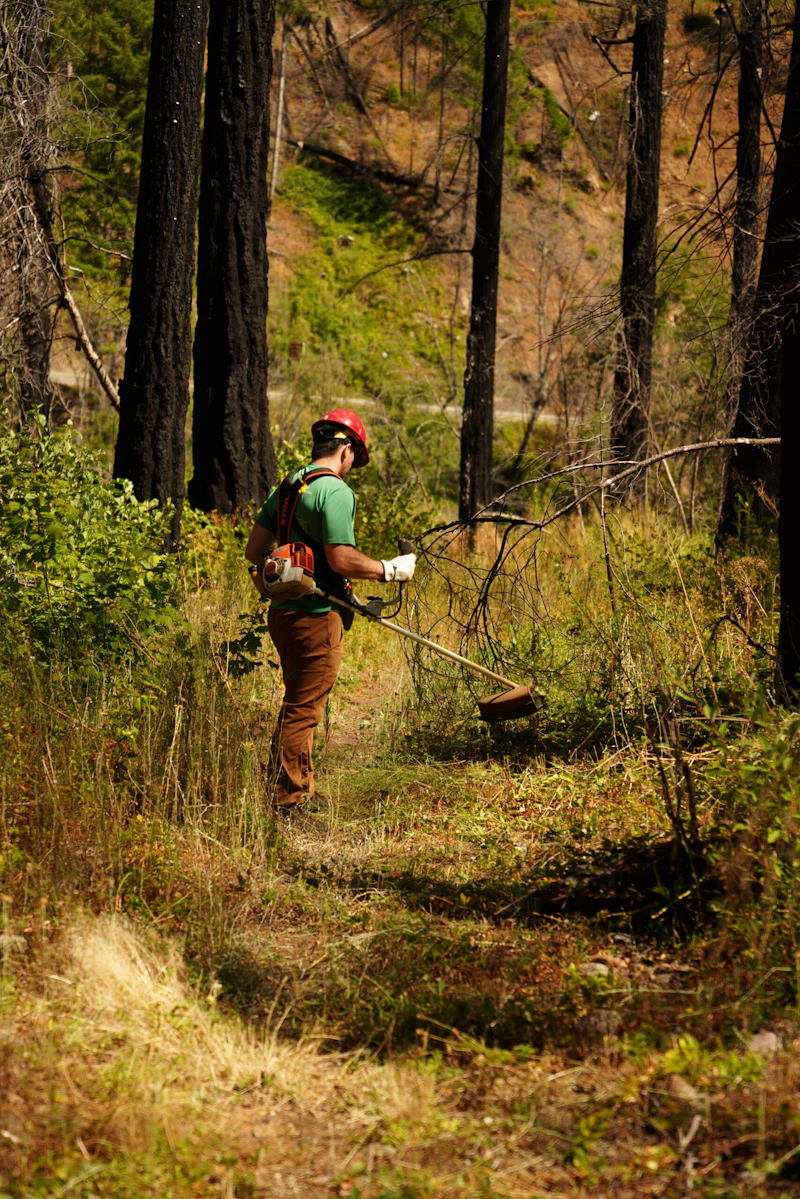 Photo by Freddy Rodriguez
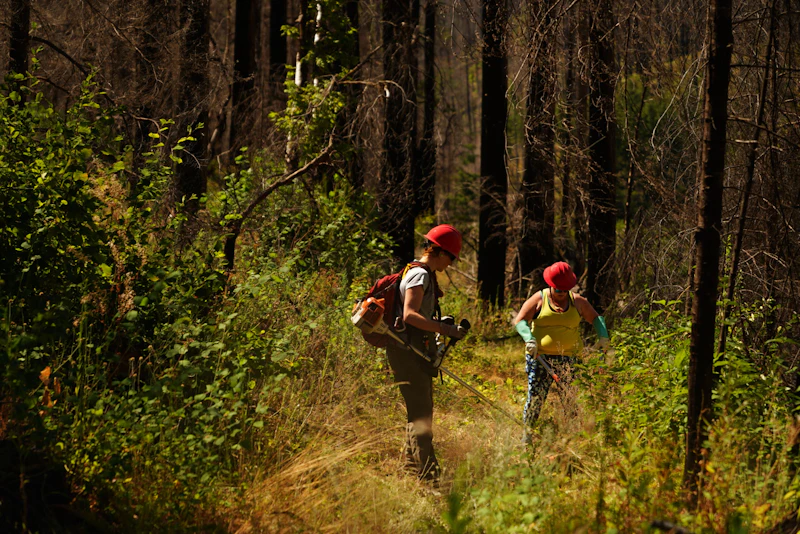 Photo by Freddy Rodriguez
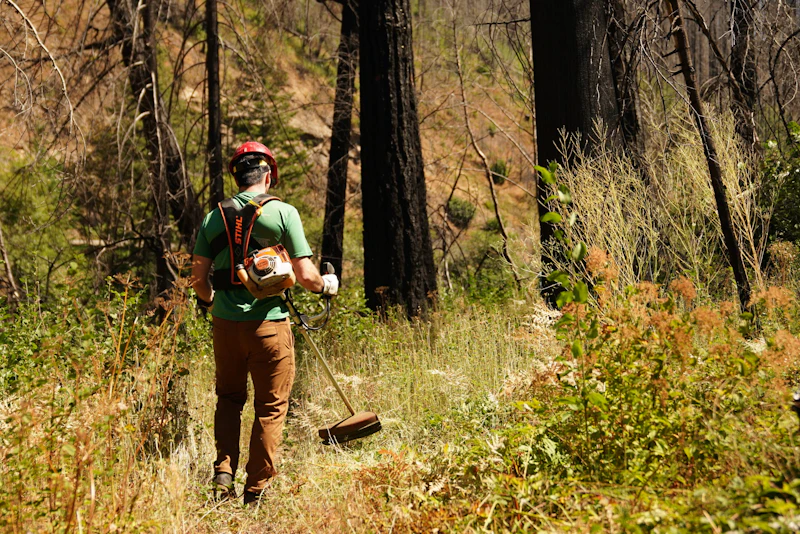 Photo by Freddy Rodriguez
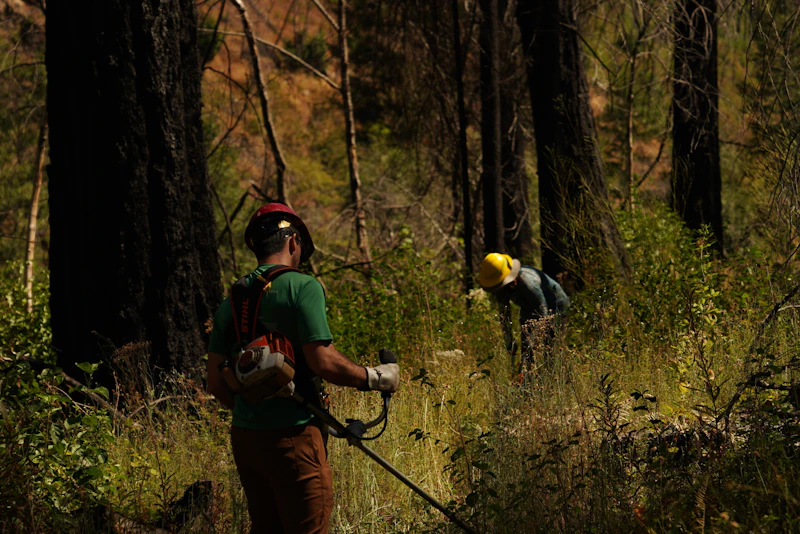 Photo by Freddy Rodriguez
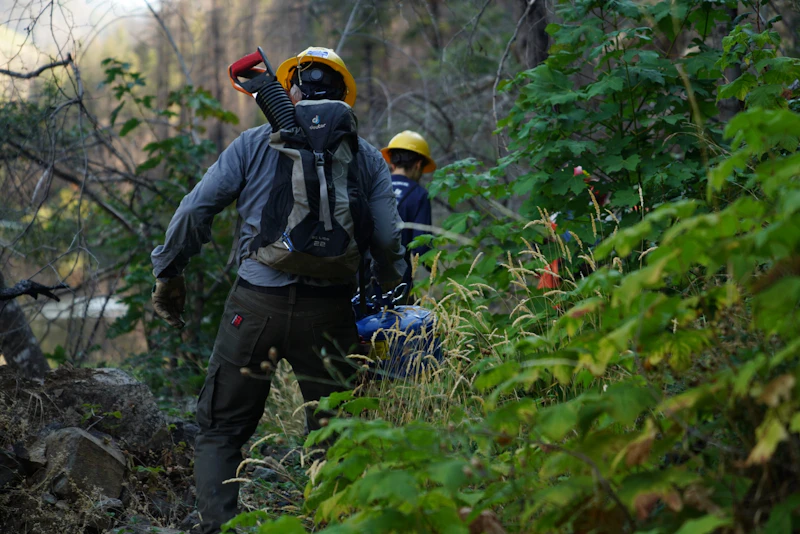 Photo by Freddy Rodriguez
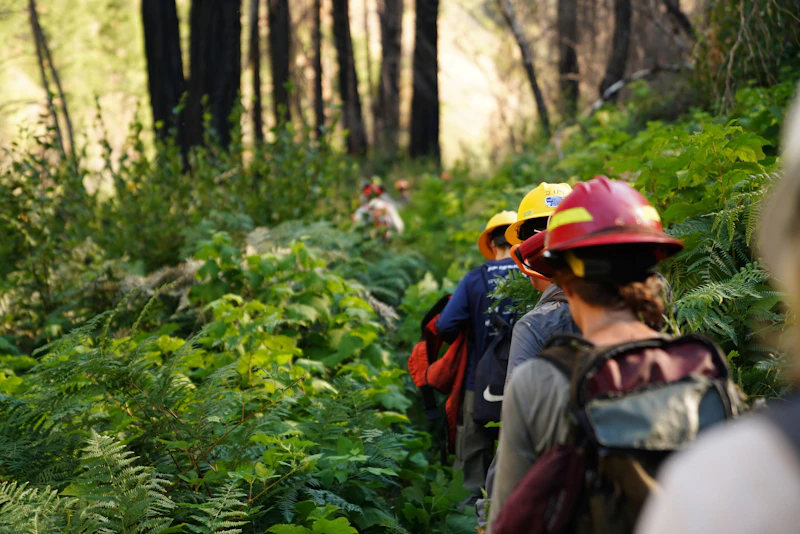 Photo by Freddy Rodriguez
Rebuilding Bridges
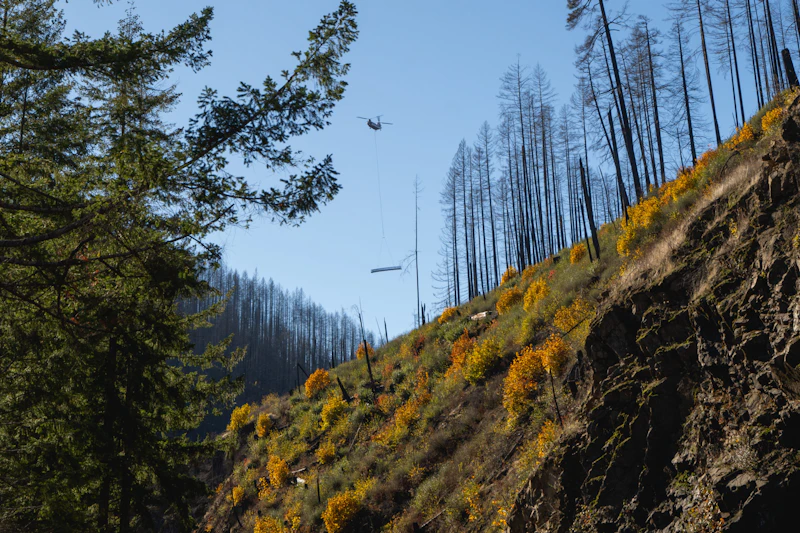
Several bridges along the North Umpqua Trail were damaged or lost during recent wildfires, cutting off access between key segments. Replacing these structures is essential for reconnecting the full trail. New bridges are designed to be more durable, better suited to changing conditions, and safer for all trail users. These replacements help restore continuous travel along the trail and support long-term stability in high-use areas.
Improving Long-Term Sustainability
Beyond immediate repairs, this project focuses on long-term resilience. Improvements like better drainage, reinforced trail structures, vegetation management, and strategic reroutes help the trail withstand future storms, fire recovery, and heavy use. These upgrades extend the lifespan of the and reduce ongoing maintenance needs.
Behind every project is a story about the people that love and rely on their National Forest for clean water, strong economies, and safe communities.
Seeing the impact first hand on the Grand Mesa, Uncompaghre and Gunnison National Forests
Seven Years of Reopening Trails After the Eagle Creek Fire
Anna's family has been planting trees for 50 years. Now she is helping build a sustainable model to meet the…
Our Forests Need Us Today.
Your donation powers critical, on-the-ground conservation—from wildfire recovery to watershed restoration—protecting forests for the future.