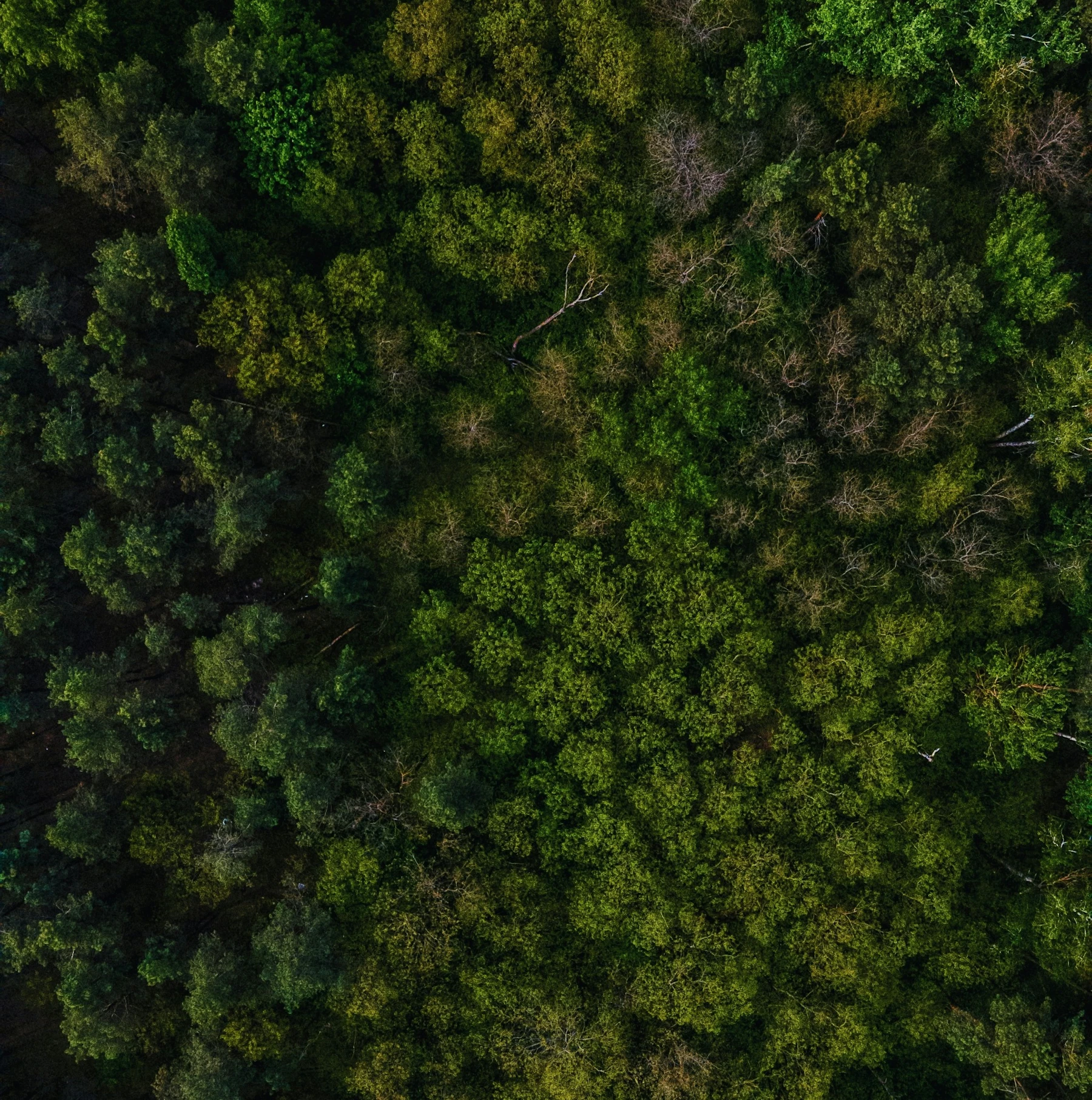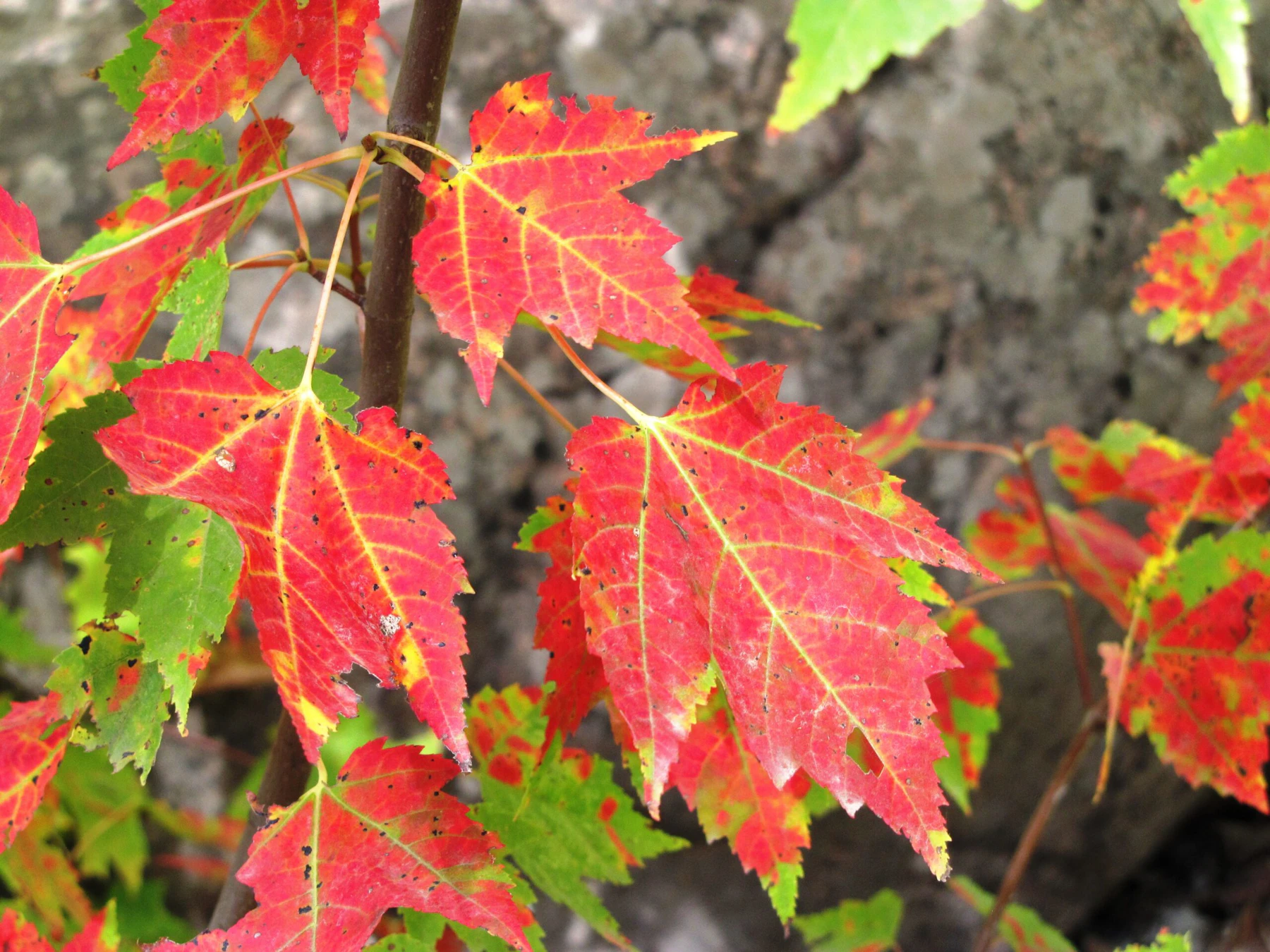
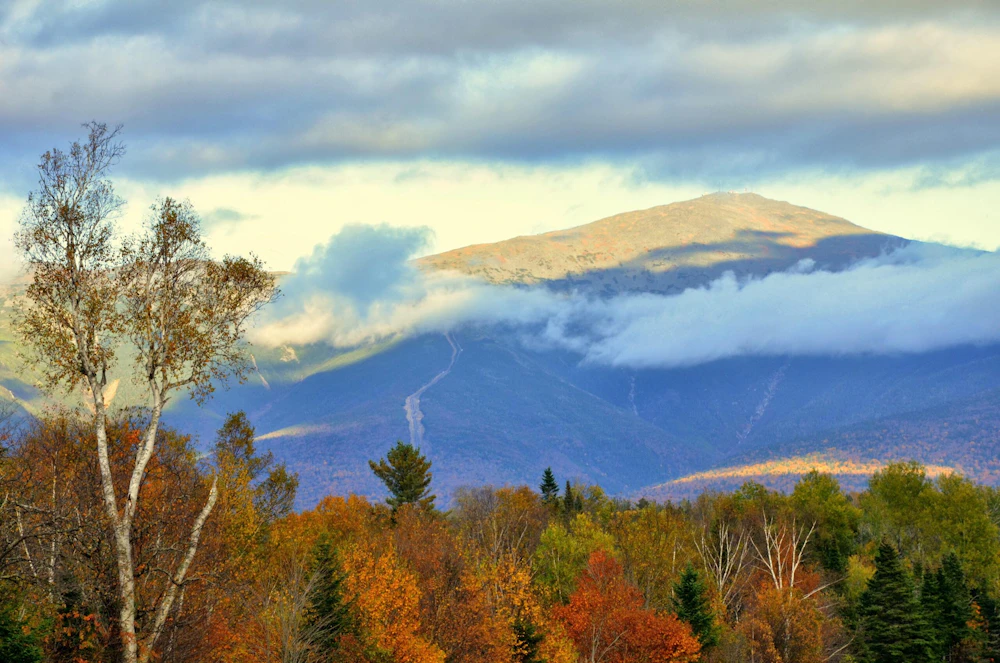
From the brilliant orange-reds of Sugar Maples on the White Mountain National Forest to the golden glow of quaking aspen on the San Juan National Forest, fall color is a spectacular display. Although we commonly (and correctly) consider fall coloration as an aging, or senescence, process leading to leaf death and eventual shedding, across National Forests the glory of fall foliage begins long before autumn with healthy leaves.
The intensity of fall colors depends on the health of leaves throughout the growing season, as well as weather conditions such as rainfall, temperature, sunlight, and disease pressure. Trees that experience favorable conditions in spring and summer are more likely to produce vibrant fall color.
What Causes Fall Colors?
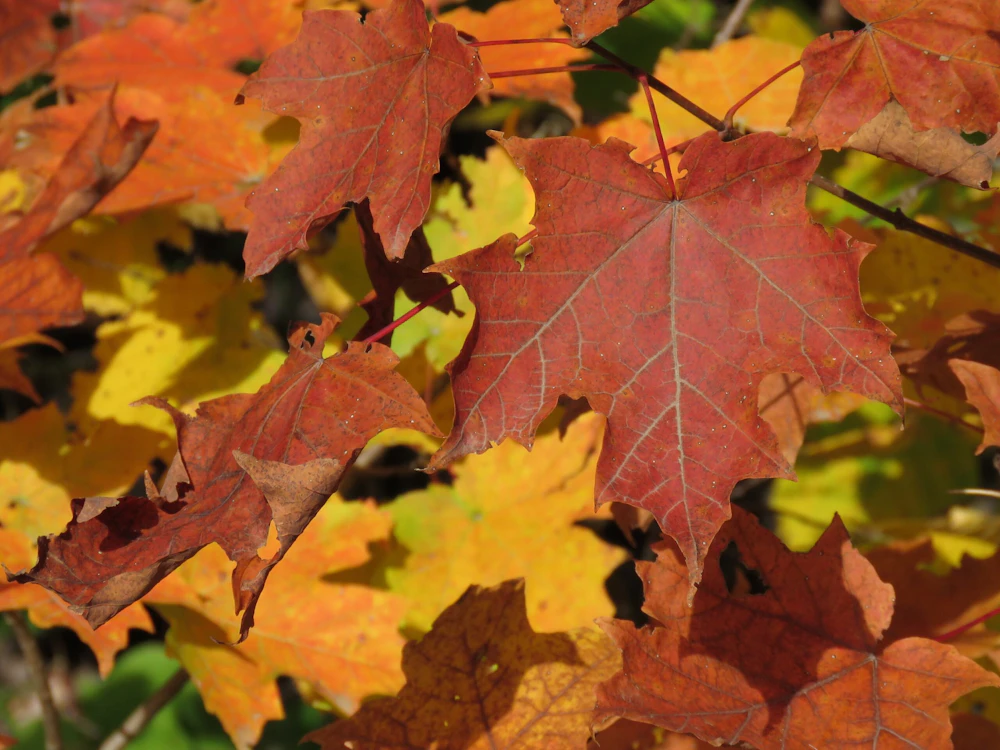
While it seems like sheer poetry, fall color is really a function of chemistry. Pigments, or chemicals in leaves, produce the colors we see. Some of these pigments, such as chlorophyll (which appears green) and carotenoids (which appear yellow), are a natural component of healthy leaves during the growing season.
Chlorophyll is instrumental in photosynthesis, the process by which energy from sunlight splits water and carbon dioxide to make the sugar, which fuels plant growth provides the structure for natural protective compounds.
The health of a tree dictates the production and function of these chemicals.
How Do Weather Conditions Affect Fall Colors?
A midsummer drought can cause the tree to prematurely form an abscission layer to reduce water loss. At that point, leaves may begin to “shed” from the living processes of the tree. Due to these conditions, that leaf is not likely to develop brilliant coloration.
A red maple may still have brilliant color if it has experienced too much precipitation, but that color may occur in early August, well ahead of the usual fall color season.
How Can Environmental Stress Reduce Fall Color?
Too much or too little moisture are not the only factors affecting trees. Particularly for urban and community trees, de-icing salts from roads and sidewalks in the winter can result in injury that stresses a tree and causes it to not have a timely display of fall color.
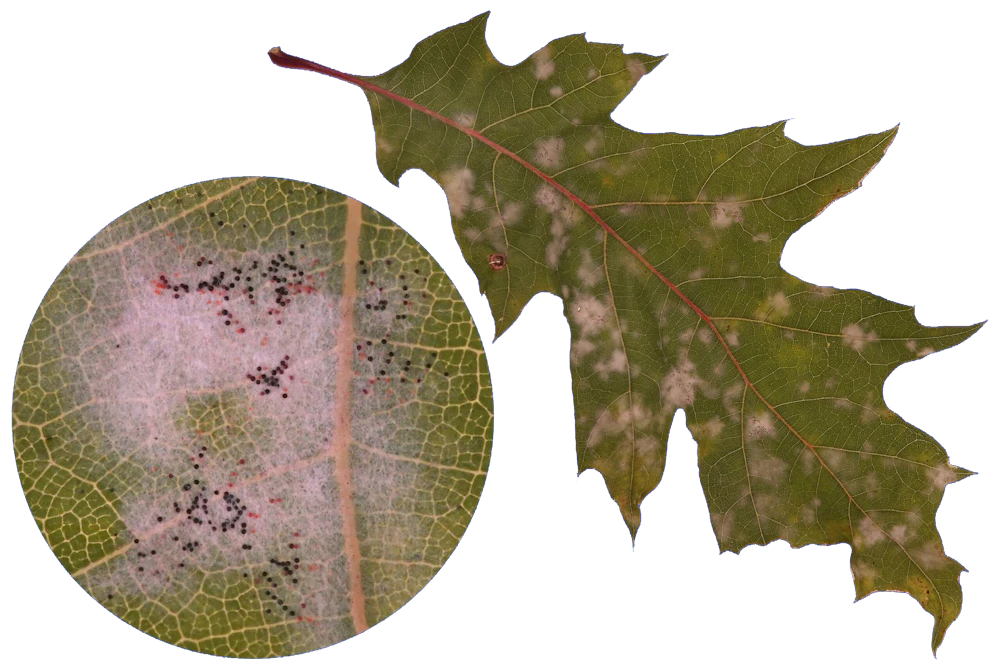
Foliar diseases such as powdery mildew, tar spot, and anthracnose (particularly common in urban and community trees) kill living cells and hijack the metabolism of the living leaf. The seasonal display will be reduced for those infected trees. The incidence and severity of those diseases depends on weather conditions, usually early in the spring.
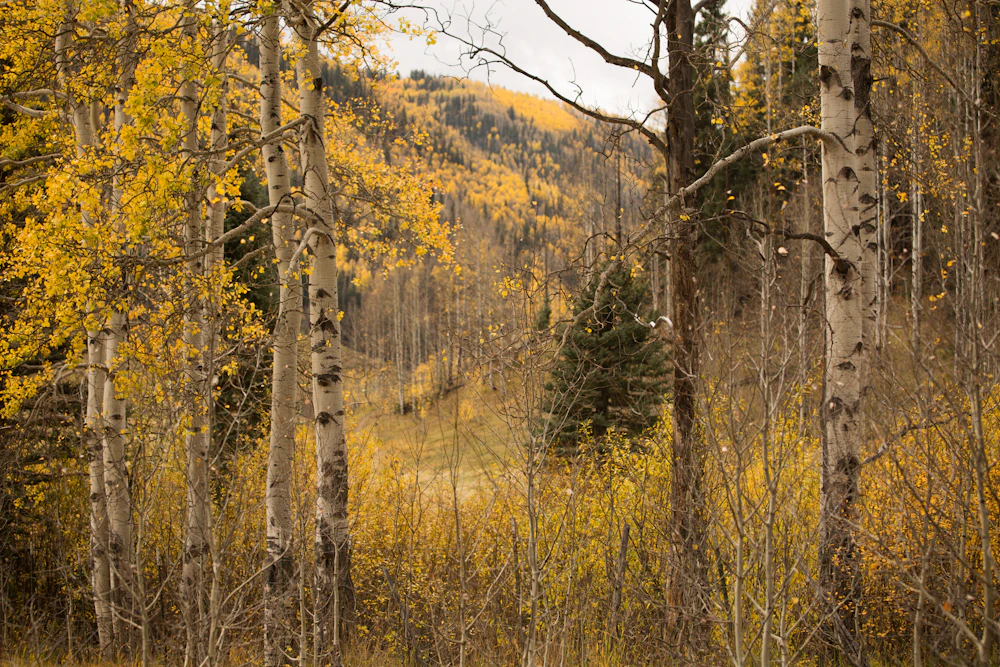
The next time you enjoy fall colors in a National Forest, remember that the display began months earlier. From spring leaf emergence to summer rainfall and forest health, every vibrant red, orange, and gold leaf reflects a season-long process that helps make autumn one of nature’s greatest spectacles.


Our Forests Need Us Today.
Your donation powers critical, on-the-ground conservation—from wildfire recovery to watershed restoration—protecting forests for the future.