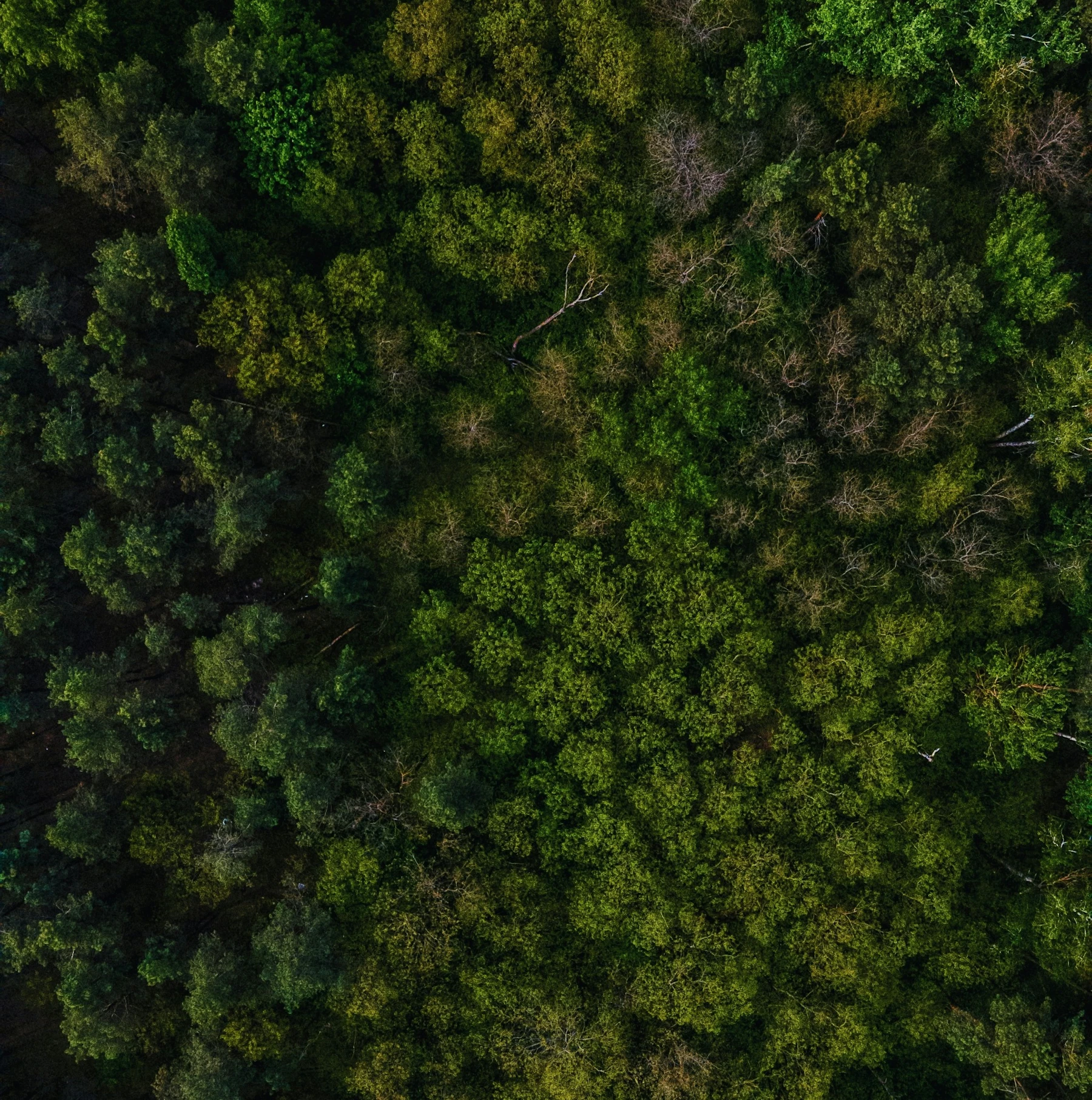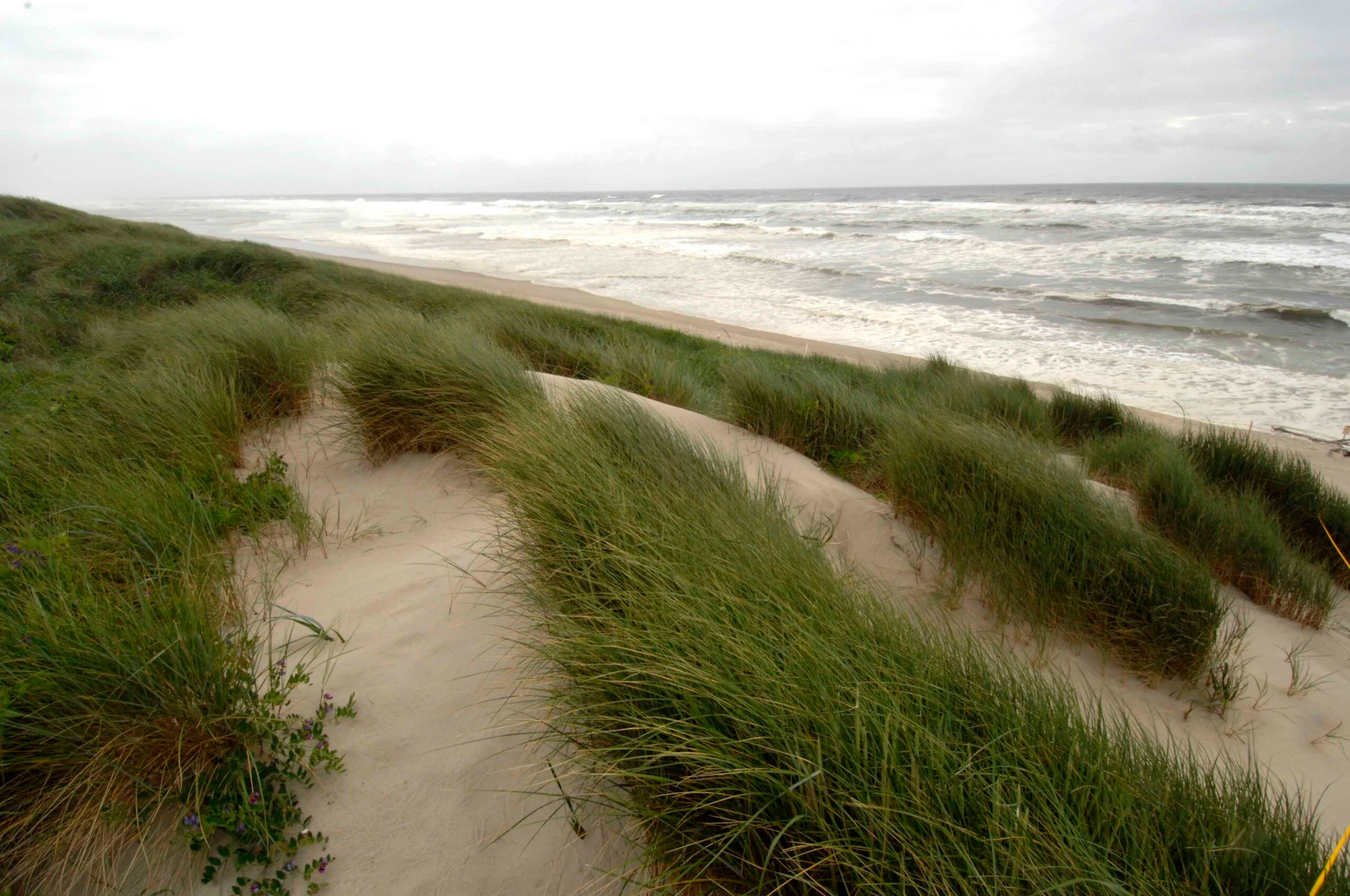
The Siuslaw National Forest in Oregon covers more than a half-million acres in the Oregon Coast Range mountains and is also home to many unique coastal ecosystems. Within the Forest is the Oregon Dunes National Recreation Area, one of the largest remaining expanses of coastal sand dunes in the world. Among the towering hills of sand you will find many interesting plants and animals, including:
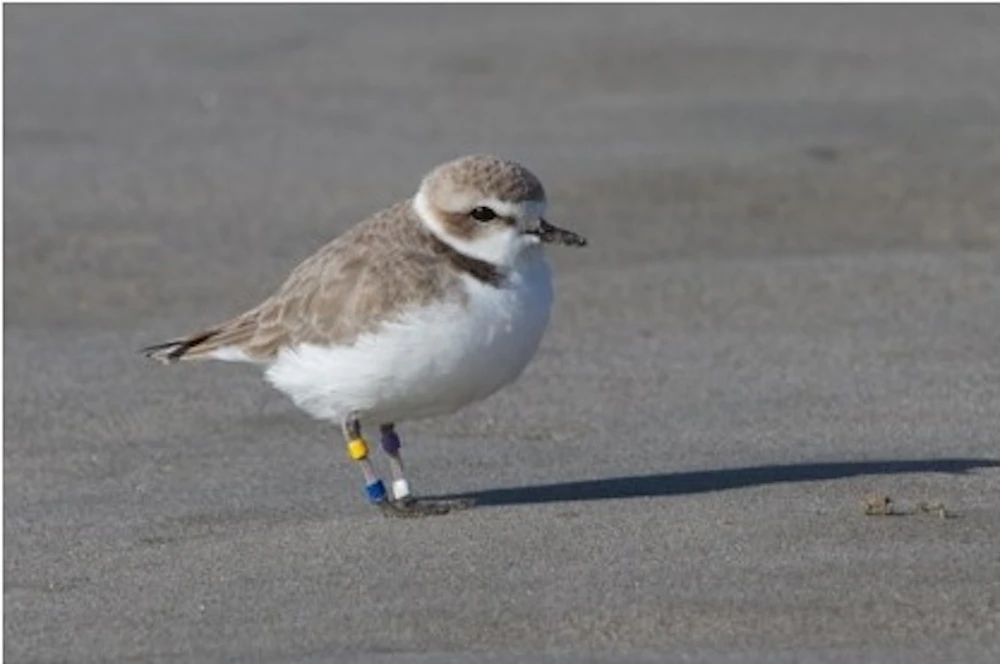
Western Snowy Plover. Perhaps the most famous resident of the dunes, snowy plovers are tiny shore birds that lay their eggs only in open sand.
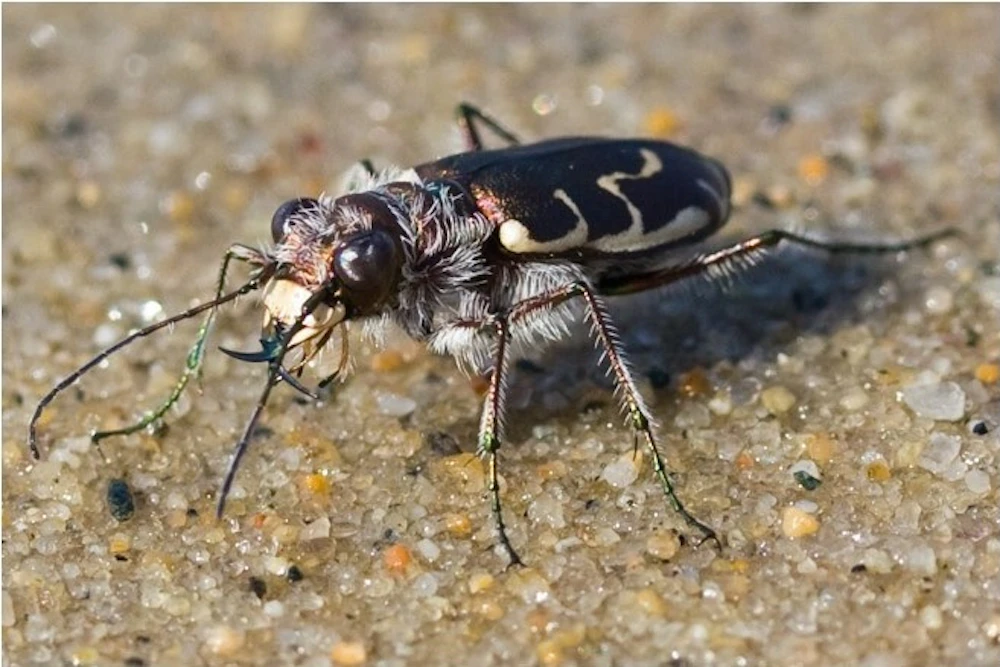
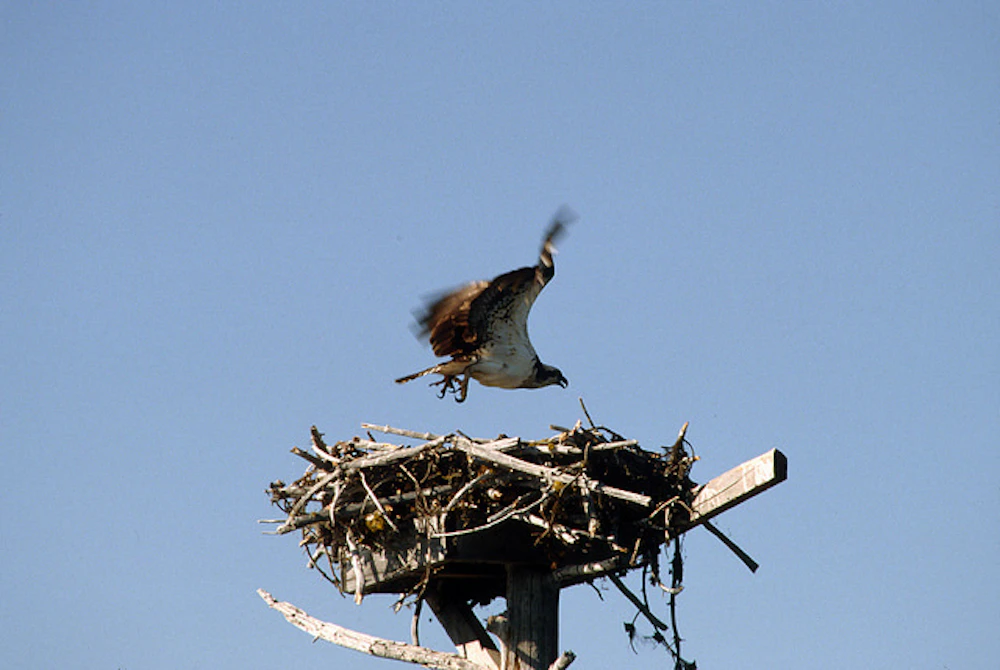
Raptors, Ospreys, Bald Eagles, and Golden Eagles can all be seen above the dunes during summer months.
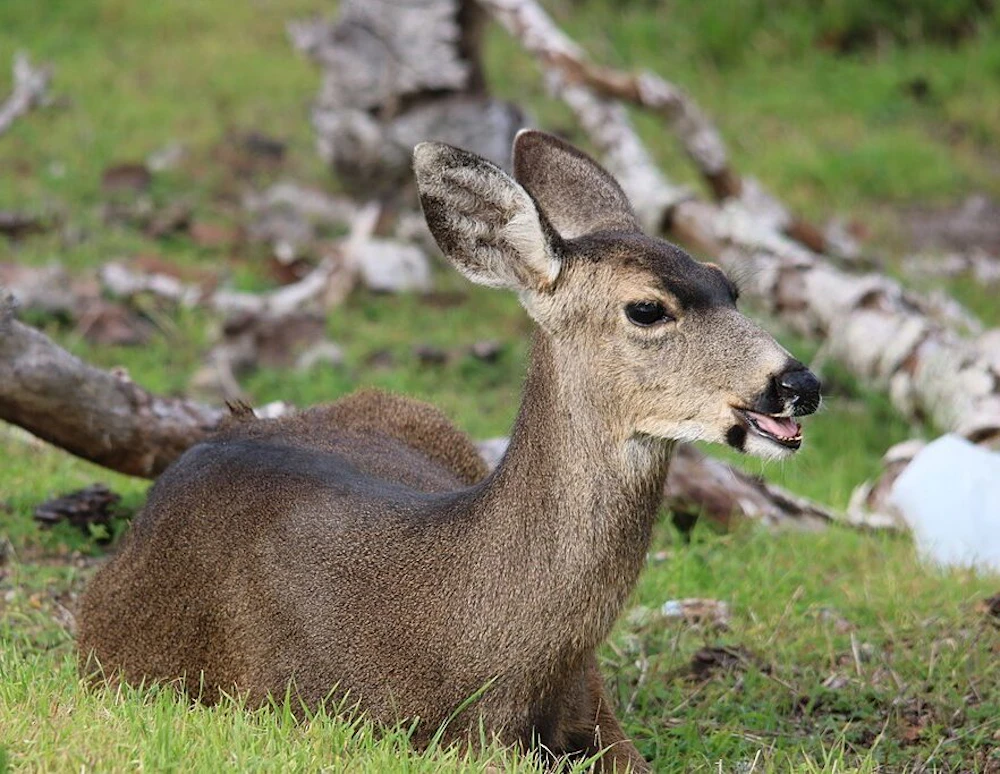
Black-tailed Deer. This subspecies of Mule Deer can occasionally be spotted grazing on grasses along the foredune near the beach.
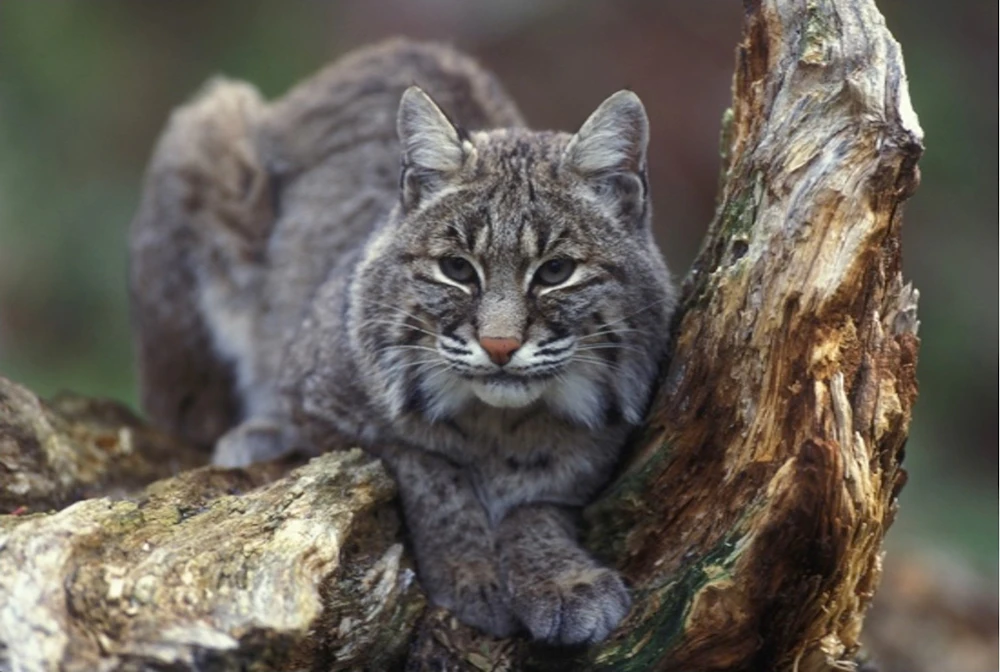
Bobcat. While nocturnal and rarely seen by visitors, bobcat prowl the dunes, hunting small mammals and birds that live in the “tree islands” dotted across the landscape.
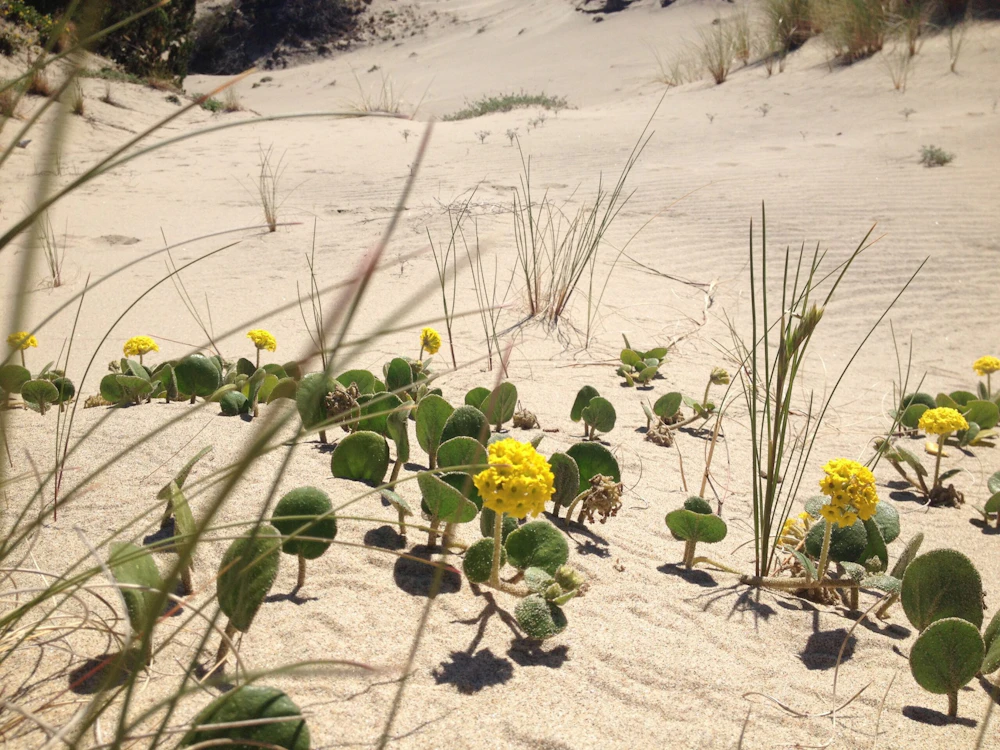
Sand Verbena. A small sweet-scented succulent plant with bright flowers; both pink and yellow varieties can be found here.
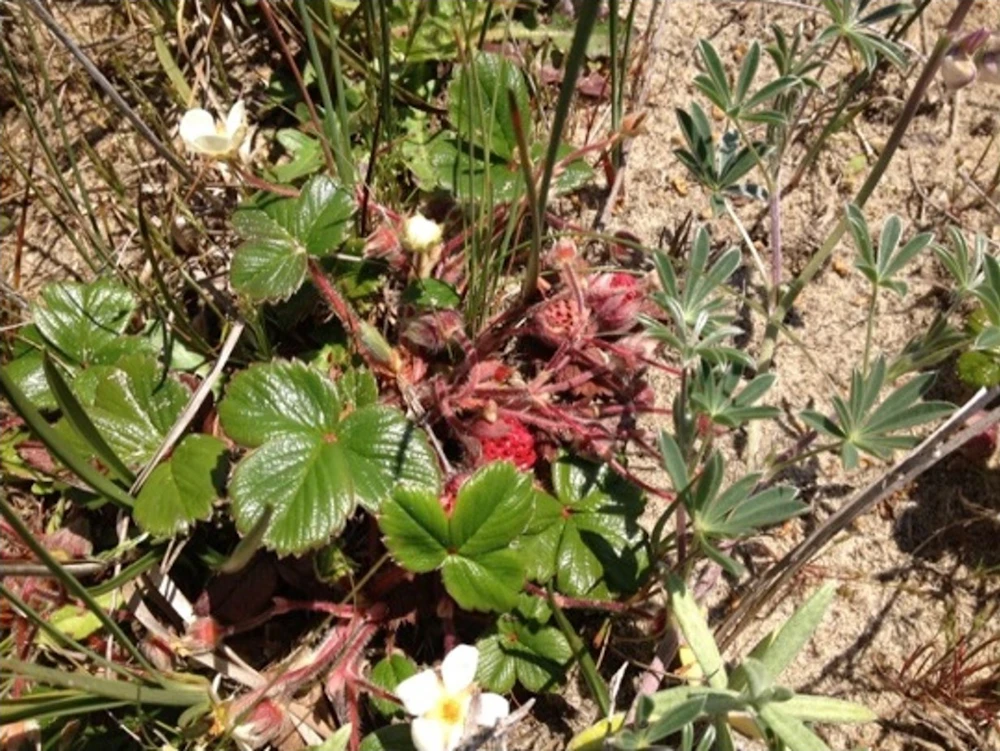
Coastal strawberry. These tiny tasty berries usually ripen in late June. They are small but pack a great flavor (along with a little grit).
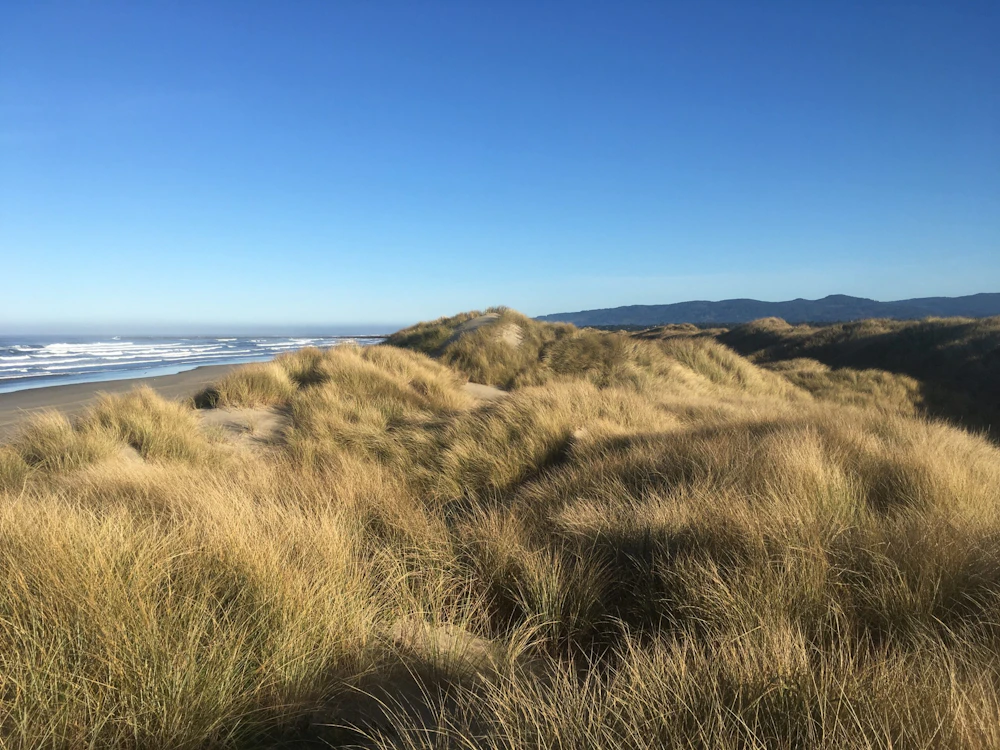
European beachgrass. Here’s one plant that shouldn’t be in the dunes! European beachgrass was introduced in the early 20th century to prevent the dunes from covering roads, railroads, and ports. Today is covers more than half of the dunes and threatens the entire landscape.
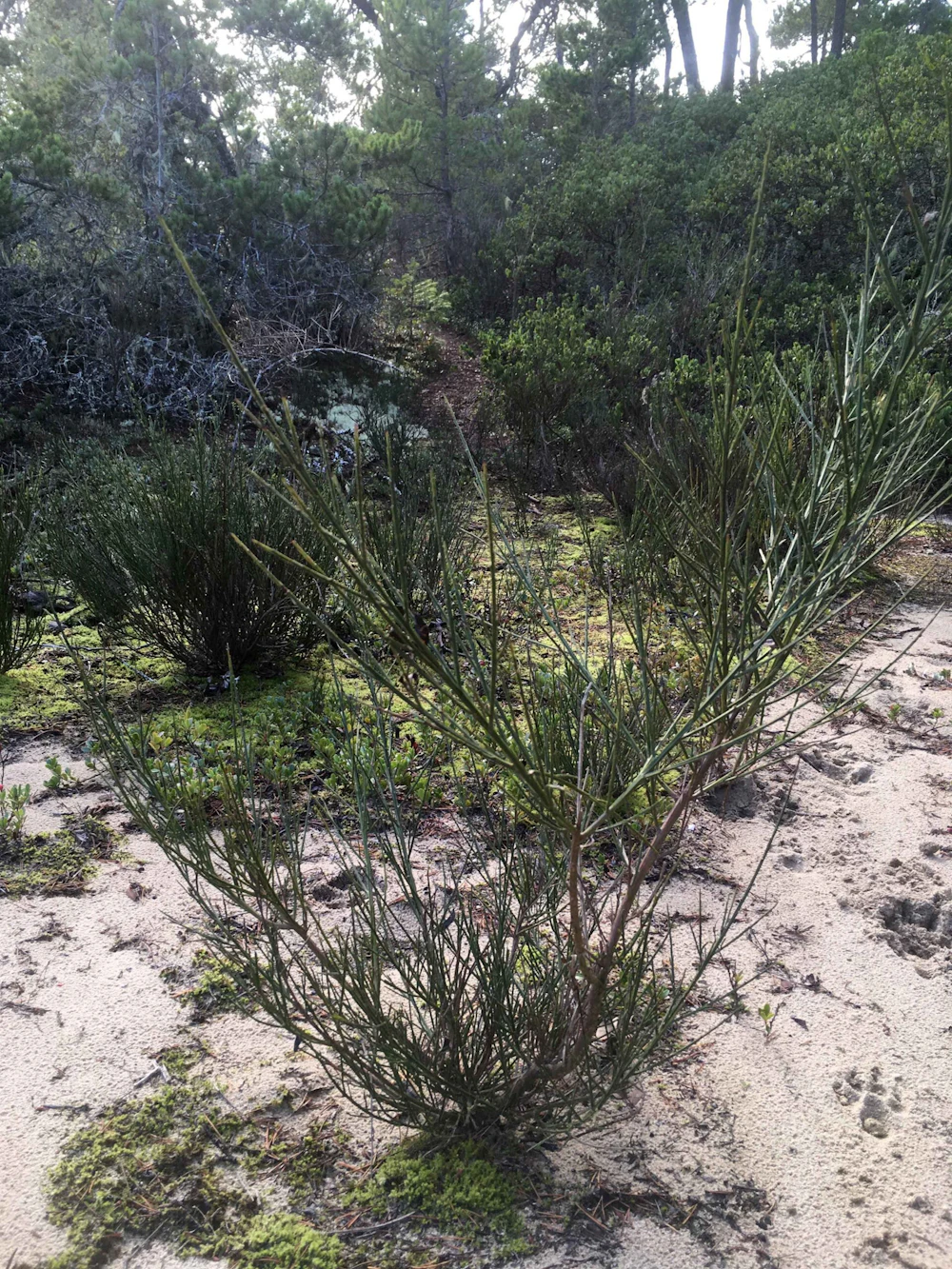
Scotch broom. Another invasive species that was often planted with beachgrass as a nitrogen source. This plant is a nitrogen fixer that allows other species to take root in the sand.
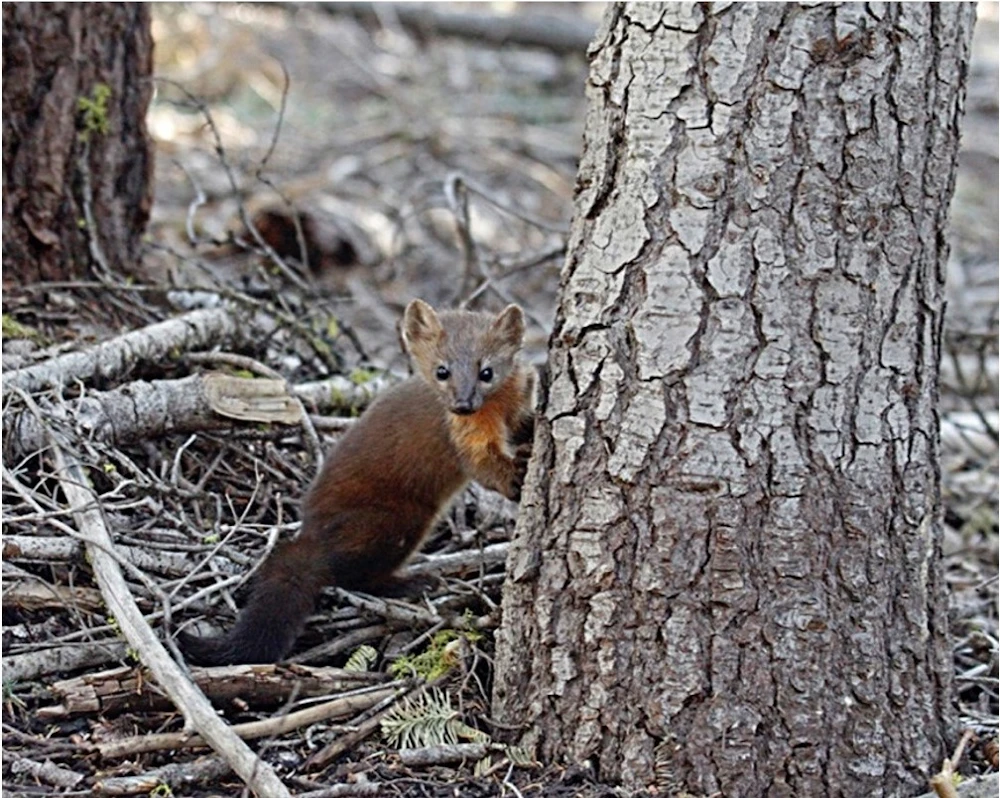
Humboldt marten. Normally found in coastal old-growth forests, the rare Humboldt marten is now living in forests within the dunes as the ecosystem changes.
About the Authors
Jeff Malik and Dina Pavlis are members of the Oregon Dunes Restoration Collaborative. The ODRC works with the Siuslaw National Forest and other partners to protect the Oregon Dunes from invasive plants and restore the natural ecosystem. More information can be found at saveoregondunes.org



Our Forests Need Us Today.
Your donation powers critical, on-the-ground conservation—from wildfire recovery to watershed restoration—protecting forests for the future.