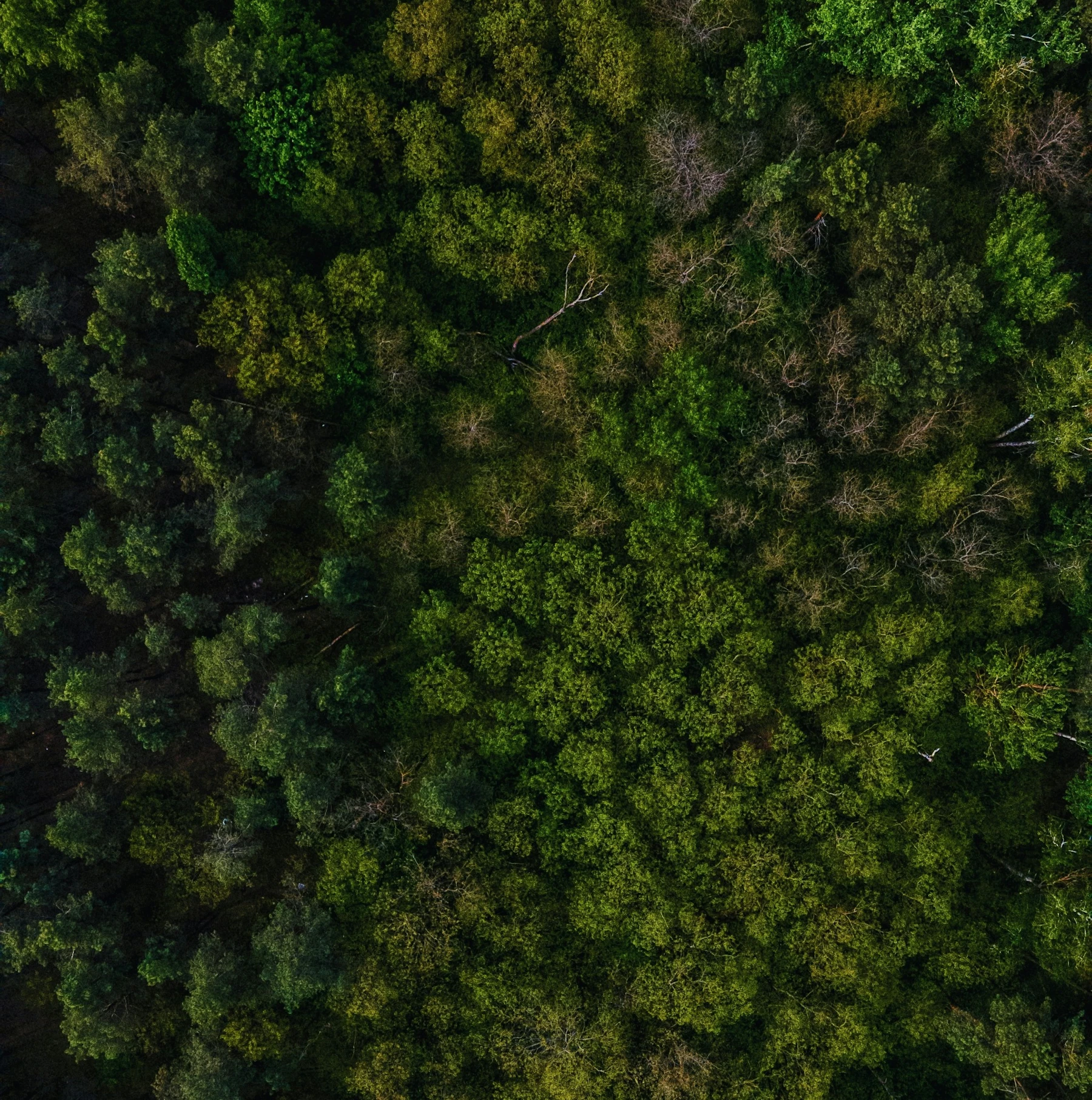
Uncover the Daniel Boone National Forest, spread across 21 counties in the Appalachian foothills of eastern Kentucky. With two Wilderness Areas, more than 250 recreation sites, and 700,000 acres of hardwood forest, the Daniel Boone is an underrated adventure destination.
The land is characterized by steep forested ridges dissected by narrow ravines and over 3,400 miles of sandstone cliffs. These rockshelters contain valuable archaeological evidence and historic structural remains that provide insight into the lives of historic and prehistoric people who lived in this area.
Millions of visitors come to enjoy the unique natural wonders of the Daniel Boone. Enjoying boating and swimming in Cave Run Lake and Laurel River Lake are among the most popular attractions, while the Red River Gorge Geological Area is home to abundant natural stone arches and unusual rock formations. Climbers come from all over the country to experience spectacular sandstone cliffs.
One of the area’s most unique features is a 50- by 90-foot arch that was formed by the erosion of wind, water, and ice that cut away the soft sandstone and left a hard rock cap that arches dramatically across the sky. The area underneath the Natural Arch is considered sacred by the Cherokee. The site is fenced and is made of red cedar, a tree revered by the Cherokee.
More than 600 miles of hiking, biking, and horseback riding trails that provide a quiet escape in remote places. Hundreds of miles of winding rivers and streams offer plenty of fishing opportunities, while dozens of game species make the Daniel Boone a diverse hunting destination.
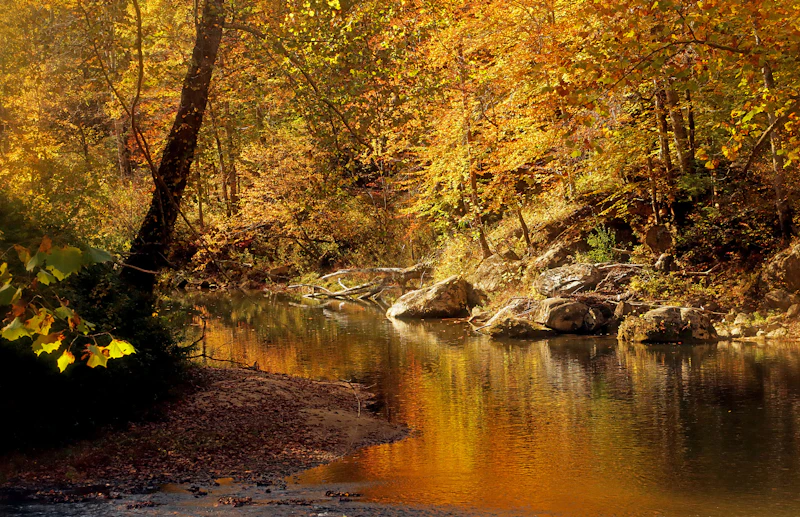 Red River. Photo by Peggy Yaeger
  Climbing at the Red River Gorge. Photo by Danielle Boutte
  View above the Big South Fork River. Photo by Peggy Yaeger
 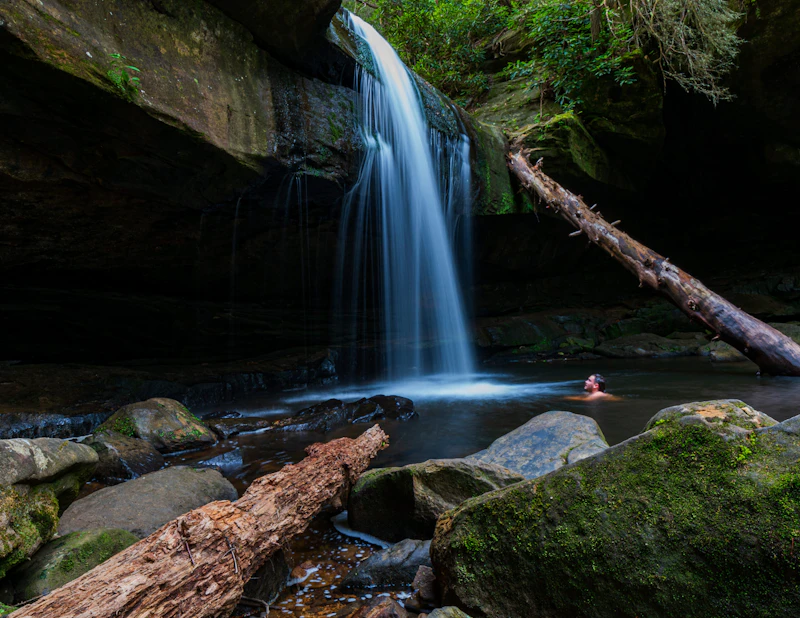 Photo by Rodney Hendrickson
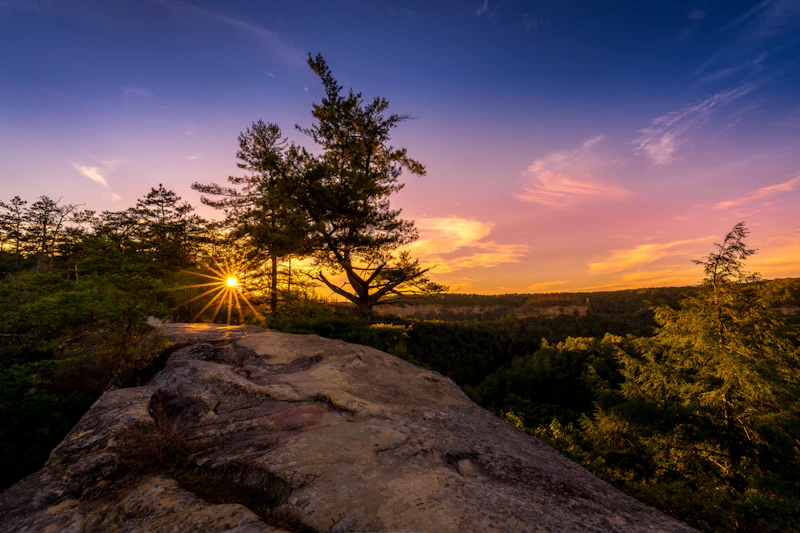
 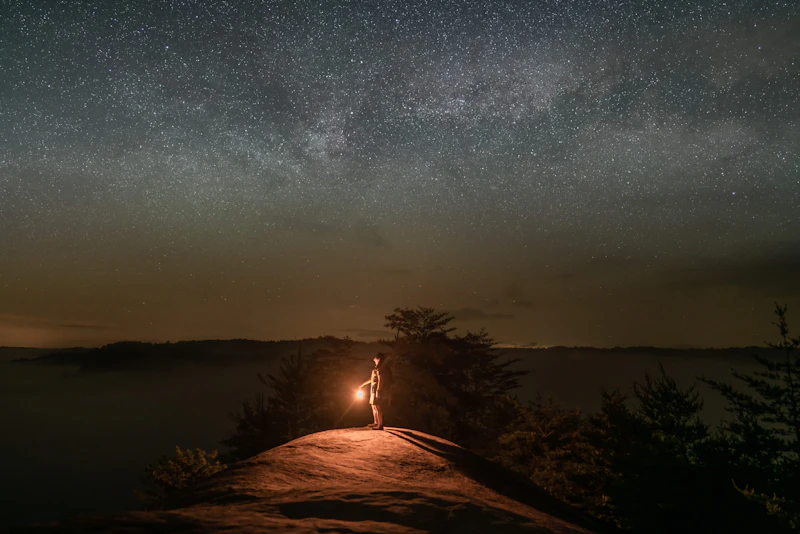 Hanson's Point. Photo by Zun Yi Lim
  Big South Fork Area. Photo by Peggy Yaeger
 What is the History of the Daniel Boone National Forest?
Long before European settlers arrived, Indigenous peoples such as the Shawnee, Cherokee, and Yuchi lived in this area. The forest’s many rock shelters, petroglyphs, and archeological sites provide evidence of their long-standing connection to the land.
The forest is named after frontiersman Daniel Boone, who established a trail called the Wilderness Road through the Cumberland Gap and Appalachian Mountains into Kentucky that helped with the western expansion of settlers in the late 18th century. Originally named the Cumberland National Forest in 1937, the forest was later renamed, in 1966, to the Daniel Boone National Forest.
History lessons are abundant in the Daniel Boone: Visit Camp Wildcat Battlefield to see an important Civil War site; Gladie Visitor Center to see interactive displays including a pioneer cabin; and the 1800s-era Clear Creek Iron Furnace.

How to Get to the Daniel Boone National Forest
The Daniel Boone National Forest spans 21 counties, with access depending on which area you plan to visit.
One of the most popular gateways is the city of London, Kentucky, reached via Interstate 75, which runs north-south through the western section of the forest. From London, visitors can reach Laurel River Lake. The city of Morehead, along Interstate 64, serves as a key entry point to the northern district of the forest and sites like Cave Run Lake and the Red River Gorge Geological Area.
The nearest airport to the Daniel Boone National Forest is Blue Grass Airport in Lexington, Kentucky, 70 miles north.
- Lexington, Kentucky: 1 to 1.5 hours by car
- Knoxville, Tennessee: 2 to 3 hours by car
- Louisville, Kentucky: 2.5 to 3 hours by car
- Nashville, Tennessee: 3.5 to 4 hours by car

Hikers, horseback riders, and other trail users enjoy nature along the 269-mile Sheltowee Trace National Recreation Trail, which extends the entire length of the Daniel Boone to the Tennessee state line. Sheltowee, meaning Big Turtle, was the name given Boone when he was adopted into the Shawnee tribe as the son of the great war chief Blackfish.
The area was created through a cooperative effort between the Kentucky Department of Fish and Wildlife Resources and the Forest Service. This 7,610 acre tract has been designated as an area where hunting with modern breech-loading firearms is prohibited. Instead, hunters must use muzzle-loading firearms, bows or crossbows to hunt and harvest wild game, much like the Native American and early settlers.
Known for its stunning sandstone cliffs, natural arches, and rock formations, Red River Gorge is a destination for hiking, rock climbing, and photography. Trails like Grays Arch offer breathtaking views, and Natural Bridge State Resort Park, connected to the forest, features a massive sandstone arch accessible by hike or skylift.
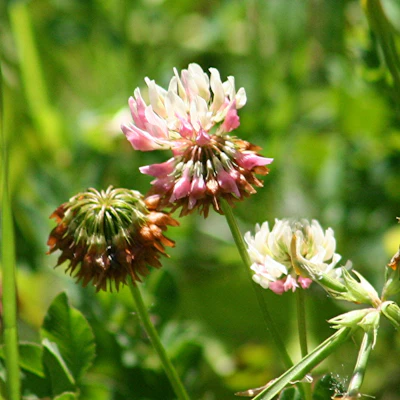 White clover This wildflower, which features trifoliate leaves and white, ball-shaped blossoms, plays an important ecological role in the Daniel Boone, fixing nitrogen in soil and providing a food source to bees.
 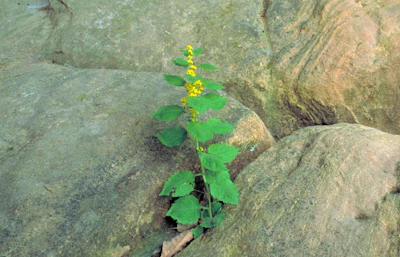 White-haired goldenrod An endemic species, this plant known for its yellow blooms is only found in the Daniel Boone, specifically in the sandstone cliffs of the Red River Gorge.
 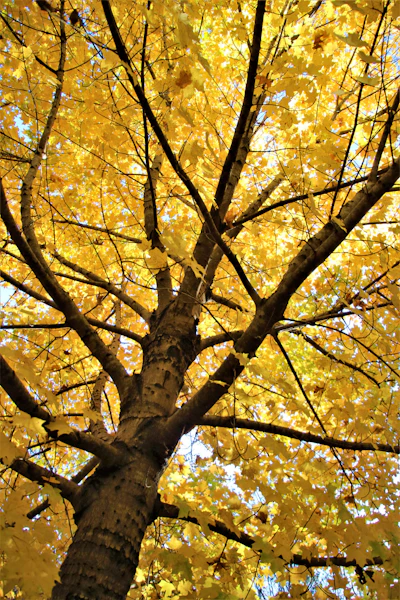 Sugar maple This iconic hardwood has brilliant fall foliage, is valued for its high-quality timber, and is the main source of maple syrup.
 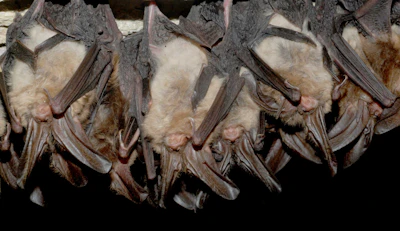 Virginia big-eared bat This federally endangered species, known for their large ears, is found in the limestone caves of the Daniel Boone.
 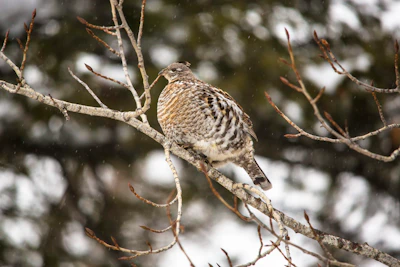 Ruffed grouse A native game bird that thrives in the undergrowth of hardwood forests, the ruffed grouse is known for its unique drumming mating display and for being a valued species for hunters.
 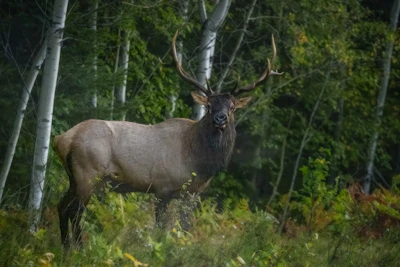 Elk This majestic animal, the second largest species in the deer family after moose, is most active during dawn and dusk and during fall rutting season.
 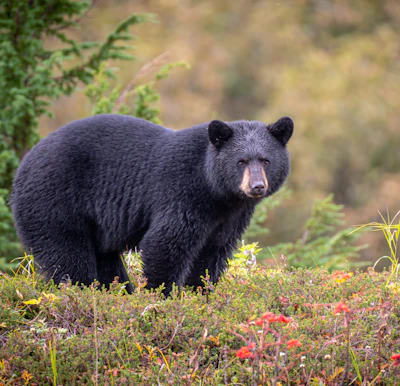 Black bear This medium-sized bear resides in the dense forests and open meadows of the forest, foraging for berries, insects, and small animals.
 Related Impact
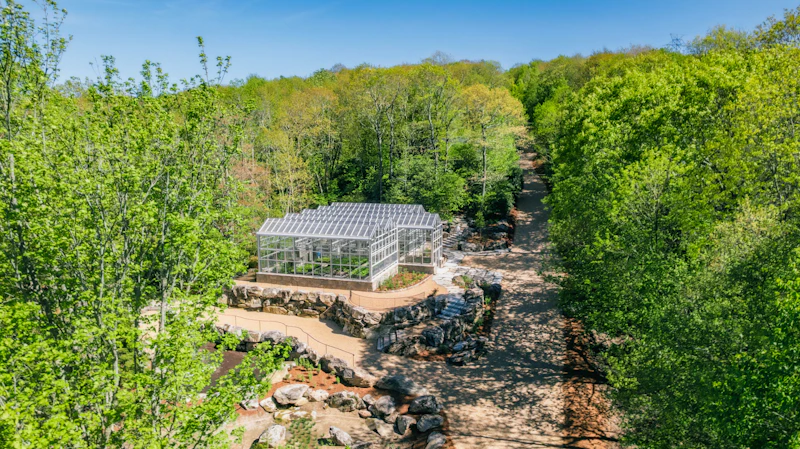
Restoring Red Spruce in the Southern Appalachians
The National Forest Foundation and our partners are joining forces to protect the iconic “sky island” ecosystems of the Southern Appalachians by expanding the capacity for red spruce restoration with a new state-of-the-art greenhouse.
What’s the Best First-Timer’s Adventure in the Daniel Boone National Forest?
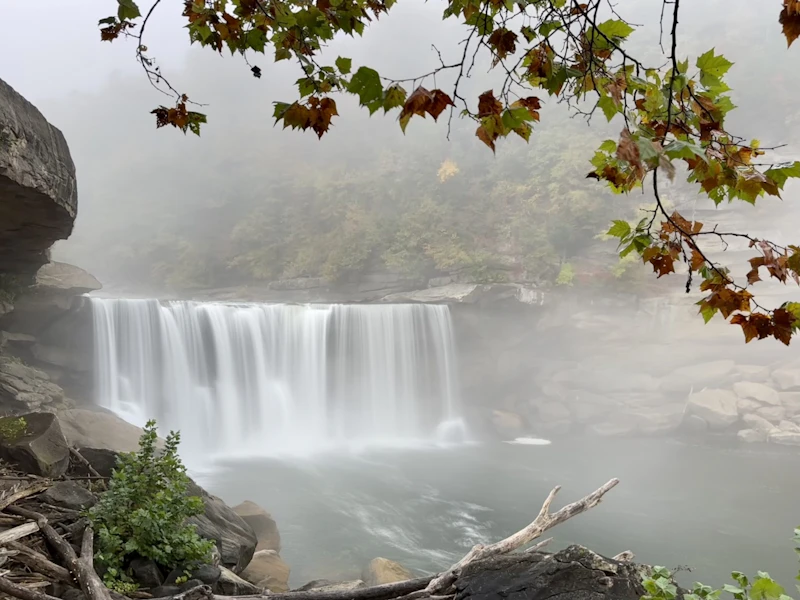
Nicknamed the “Niagara of the South,” Cumberland Falls is a spectacular 125-foot wide, 68-foot tall waterfall in Cumberland Falls State Resort Park, located within the Daniel Boone National Forest. It’s one of the few places in the world where you can witness a moonbow, a night rainbow, during a full moon.
Where to Find More Information on the Daniel Boone National Forest
For more information or questions, visit https://www.fs.usda.gov/r08/danielboone
Discover how communities, volunteers, and partners are shaping the future of our National Forests and Grasslands.
The National Forest Foundation works with partners across Northern Colorado to restore forests, reduce wildfire risk, and care for the…
After years of damage, recovery, and reconstruction, the trail to Hanging Lake has been fully rebuilt, creating a more durable,…
Erosion and wildfire had left Arizona's historic Highline Trail rutted and unsafe. After five years of work with the Tonto…
Forest restoration near Flagstaff is reducing wildfire risk for local communities and safeguarding the water supply for millions across the…
Colorado's 14ers draw thousands of visitors each year, and the pressure on these fragile alpine landscapes is growing. Here's a…
Visitors of all ages can explore forest trails and sparkling waters, discover wildlife and underwater habitats, and connect with Tahoe’s…
A partnership-driven program connecting youth on Montana’s Flathead Reservation with hands-on conservation work, heritage education, and pathways in natural resource…
Seeing the impact first hand on the Grand Mesa, Uncompaghre and Gunnison National Forests
Seven Years of Reopening Trails After the Eagle Creek Fire
Field Ranger Program Connects Diverse Communities to Forests in Southern California
Our Forests Need Us Today.
Your donation powers critical, on-the-ground conservation—from wildfire recovery to watershed restoration—protecting forests for the future.