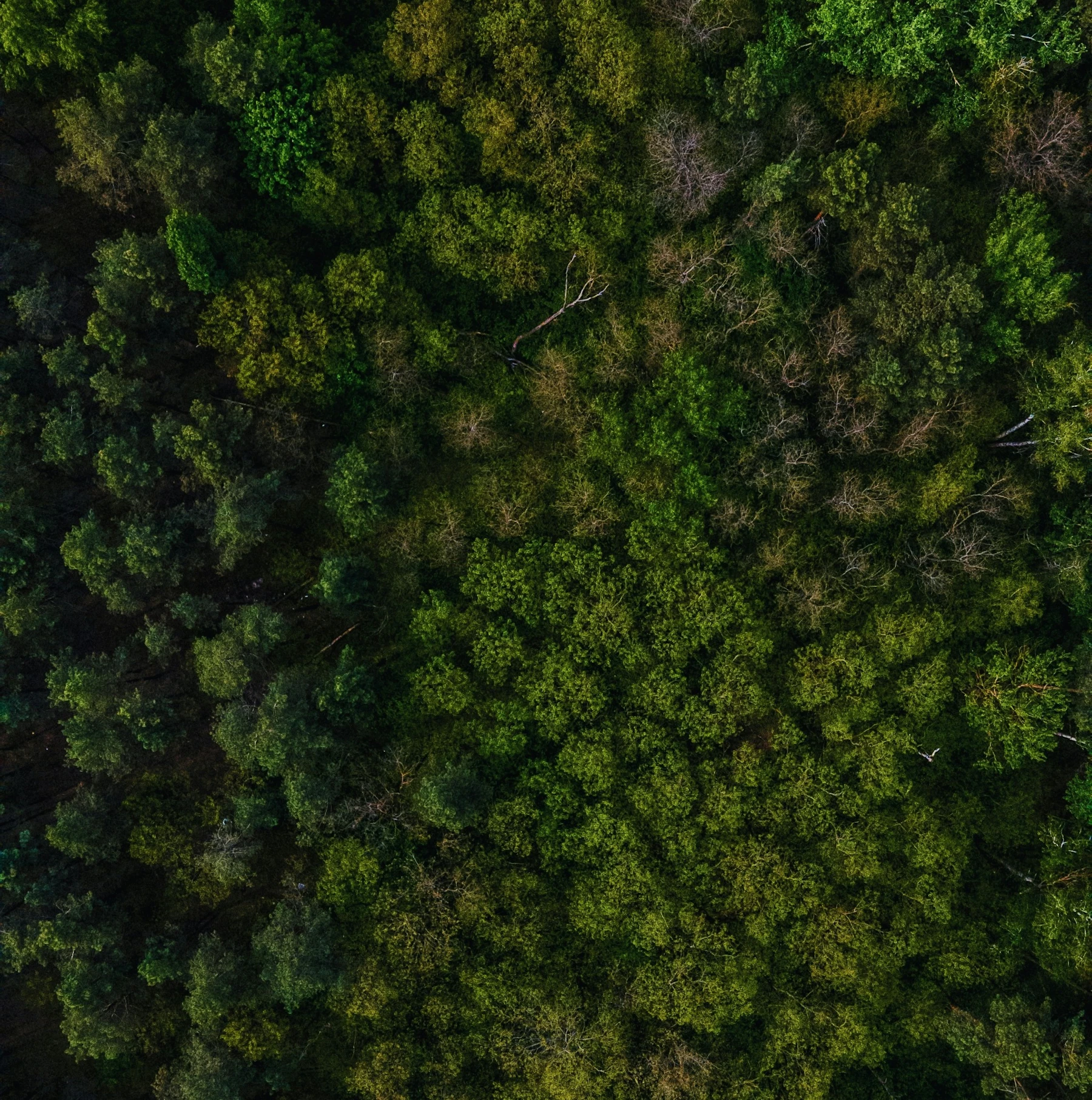
Uncover El Yunque National Forest, the only rainforest in the National Forest system with nearly 29,000 acres of rich flora and fauna on the Caribbean Island of Puerto Rico. The forest sits on the island’s eastern edge, on the rugged Luquillo Mountains, which rise to 3,533 feet above sea level. Their steep slopes can sometimes receive rainfall of over 200 inches at higher elevations.
This forest differs significantly from all the other U.S. National Forests because of its year-round tropical climate. Despite being the smallest forest by size, it has more biodiversity than any other in the country. El Yunque is home to thousands of native plants, from 150 kinds of fern to 240 tree species, and over 200 species of animals. Due to its high rainfall, averaging 100-plus inches annually, the forest is filled with rivers and waterfalls.
Start your visit by stopping in the Rain Forest Center. Below the walkway at ground level, there is a short interpretive nature trail through the under story of the canopy with spectacular views of the lower forest and the coastal plain.
There are some 24 miles of hiking trails, a number of which will take you to the forest’s highest peaks that feature views of the Atlantic Ocean and Caribbean Sea. For more far-reaching views, hike all the way to Mount Britton Observation Tower, which overlooks the Humacao Nature Reserve.
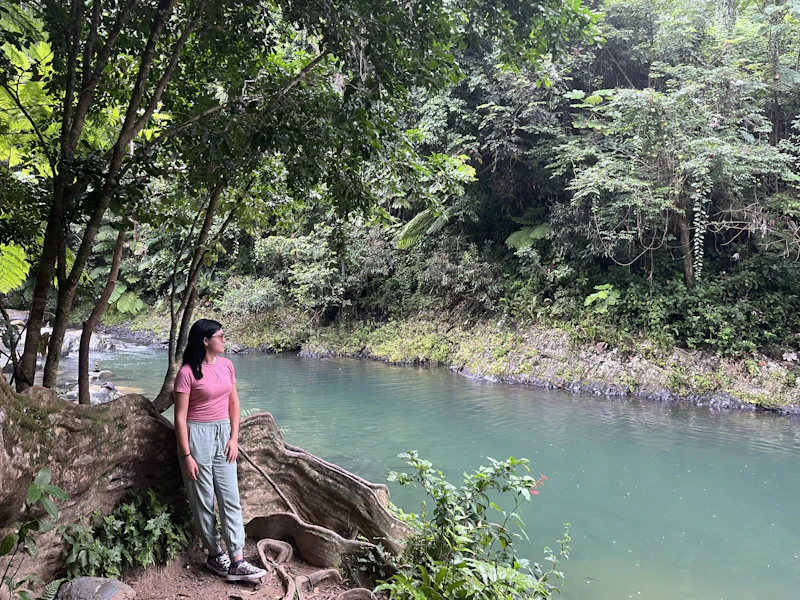 Photo by Ivonn-Gil-Gonzalez
 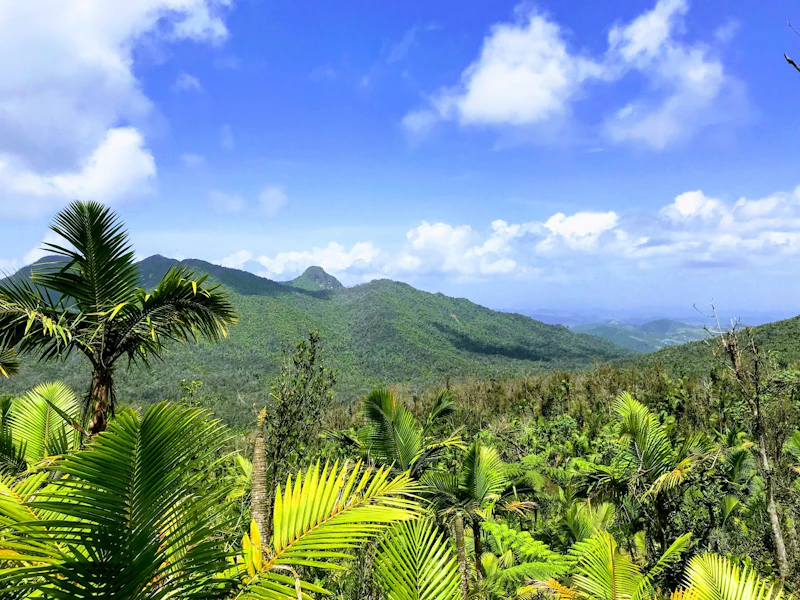 Photo by Jeff Fowler
 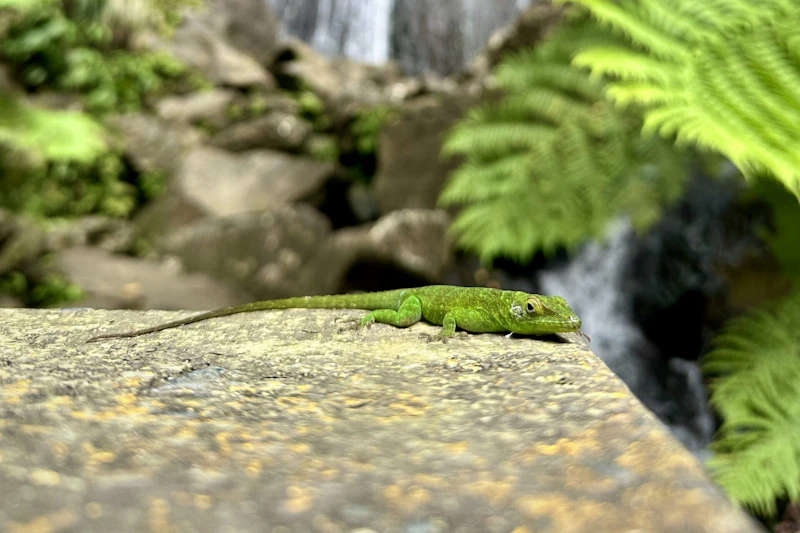 La Coca Falls. Photo by Danielle Miranda
 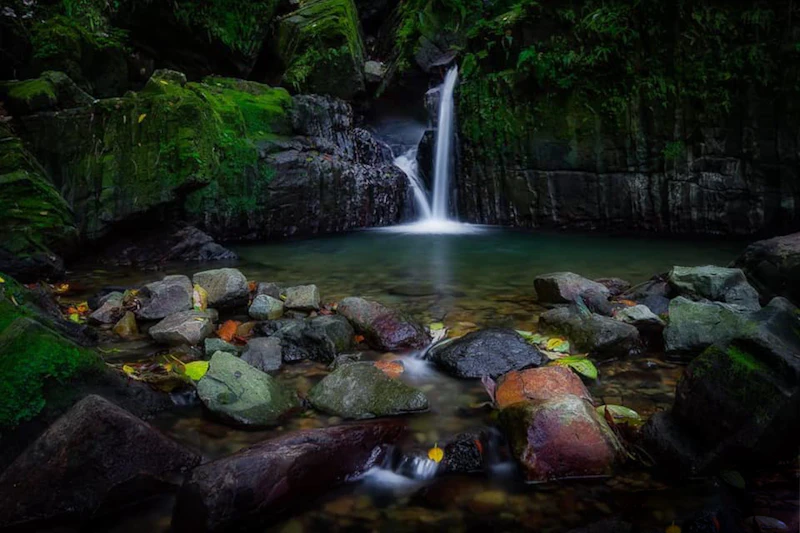 Photo by Jim Rivera
 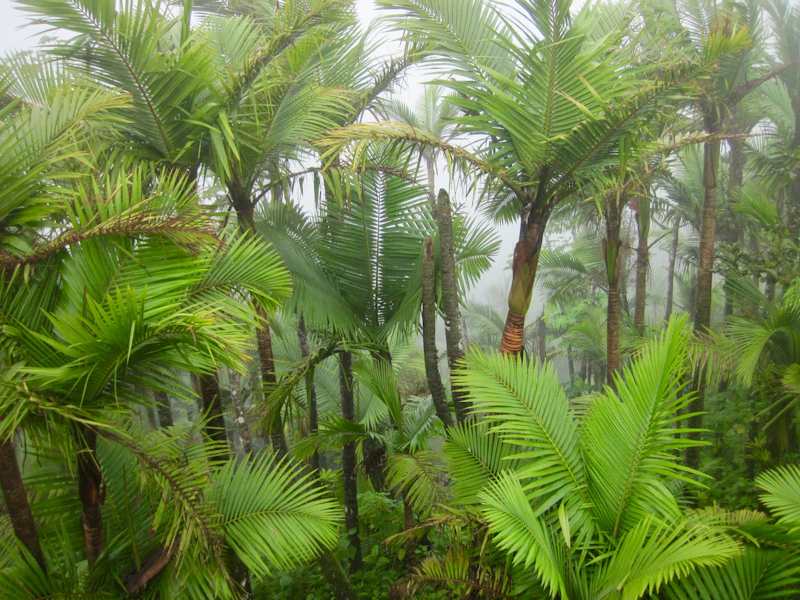 Photo by William Thompson
 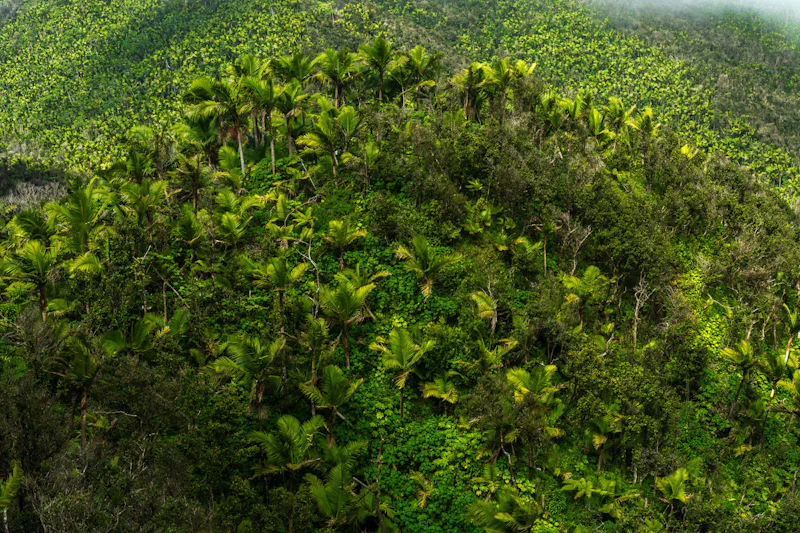 Photo by Dan Morales
 What is the History of the El Yunque National Forest?
The Indigenous Taíno people, who lived in Puerto Rico before Spanish colonization, considered the forest sacred and believed it was the home of the god Yúcahu, protector of the island. The forest is named after the Taíno word “Yuke,” meaning “white lands,” referencing the cloud-covered peak of El Yunque Mountain, which rises over 3,500 feet.
When colonizers arrived in the 15th century, they tried using abundant timber and fertile land for early settlement, but terrain and frequent rainfall made large-scale development difficult.
El Yunque’s official protection began in 1876, when the Spanish Crown set aside 5,000 hectares of the forest as a protected reserve—making it one of the oldest legally protected forest reserves in the Western Hemisphere.
After the United States took control of Puerto Rico in 1898, the forest became part of the U.S. National Forest System and was eventually renamed El Yunque National Forest. Today, it is managed primarily for conservation, reforestation, and research.
How to Get to the El Yunque National Forest
From San Juan, take Highway PR-26 east to PR-66 and then follow PR-191 south, which leads to the El Yunque entrance.
PR-191 is the main road through the forest, though parts of it are often closed due to landslides or maintenance, so checking current conditions before your trip is recommended.
The main gateway town is Río Grande, located just west of the forest, which provides a good base for adventures in the forest. Guided tours are available from San Juan and other nearby towns like Luquillo and Fajardo, which offer additional lodging and dining options.
- San Juan, Puerto Rico: Half-hour to 1 hour by car
- Caguas, Puerto Rica: 1 hour by car
- Toa Baja, Puerto Rico: 1 hour by car
- Arecibo, Puerto Rico: 1.5 hours by car
- Ponce, Puerto Rico: 2 to 2.5 hours by ca

This spectacular waterfall that falls 35 feet into a pleasant swimming hole is among the most popular sites in El Yunque National Forest. It’s reached by a 1.5-mile trail that follows a designated Wild and Scenic River through a lush forest scene.
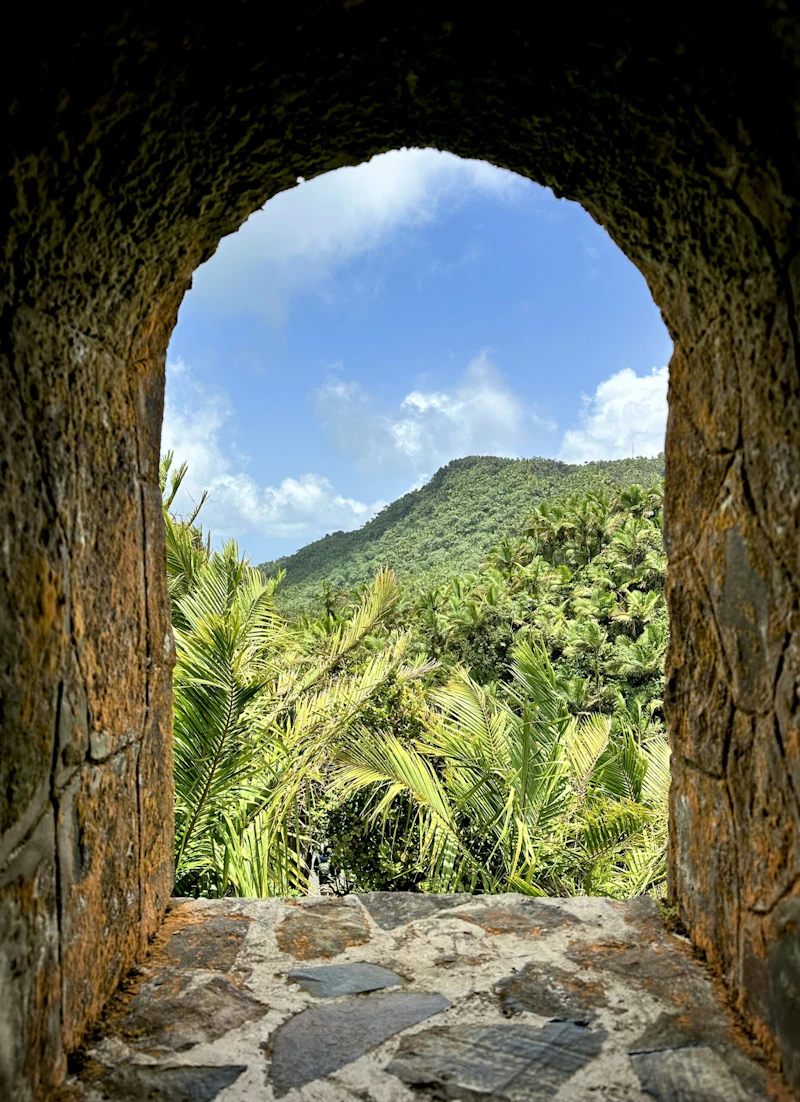
A short but steep trail leads less than a mile through cloud forest terrain to a stone lookout built by the Civilian Conservation Corps in 1937. From the top, take in panoramic views of the forest, coastline, and even nearby islands on a clear day.
For a challenging adventure that requires traversing the rainforest on a hard-to-maintain trail, head out on the 2.2-mile El Toro Trail on the northern side of El Yunque. The route leads to the highest peak in the Luquillo Mountains, 3,524-foot El Toro.
 Carite babyboot orchid This rare and endemic species is found only in the area of Puerto Rico that contains El Yunque. Its name comes from the shape of its boot-like flowers.
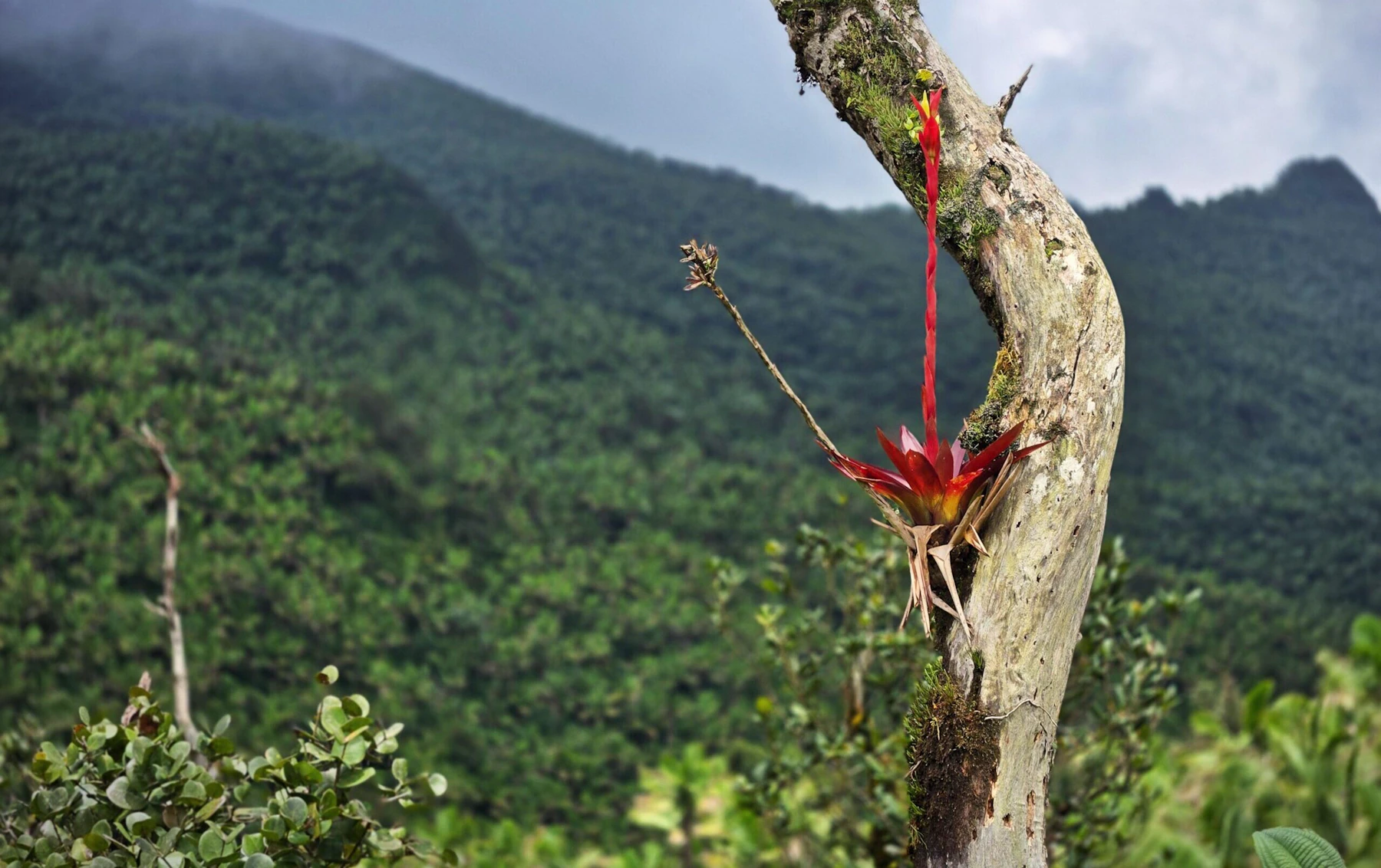
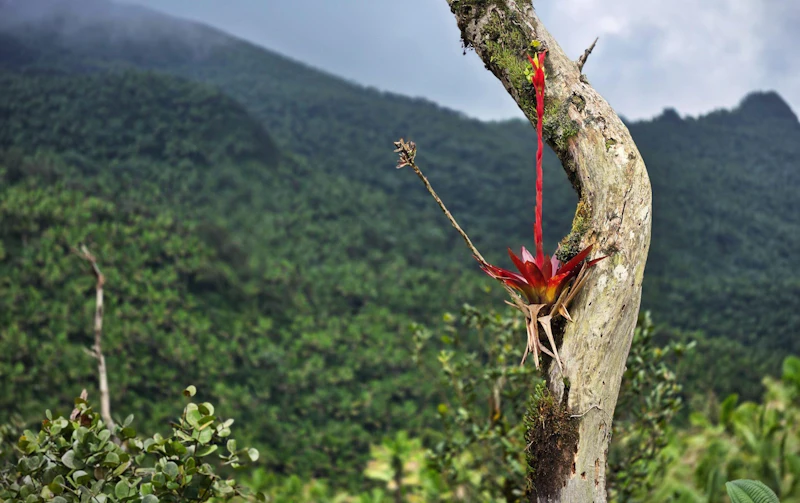
  Staghorn ferns Named after its antler-like fronds, this fern relies on host trees in cloud-forest areas, absorbing nutrients from the air and water
 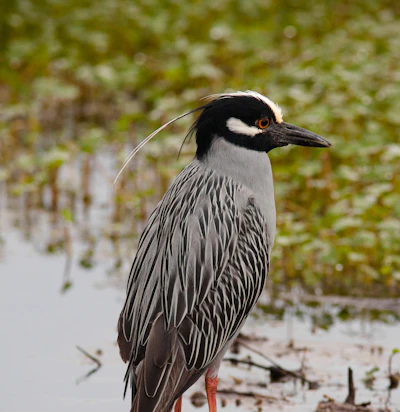 Yellow-crowned night heron This wading bird, recognized by its white cheek stripe and yellow head, is most active around waterways, where they hunt for crabs, insects, and small aquatic animals.
 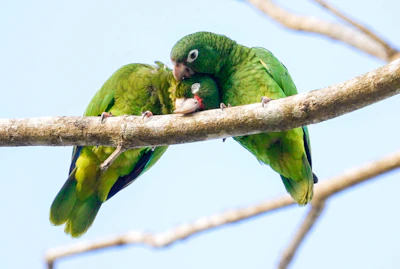 Puerto Rican parrot This vibrant green parrot with a red forehead and blue flight feathers has lived in this forest for well over a thousand years but is one of the most endangered in the area.
 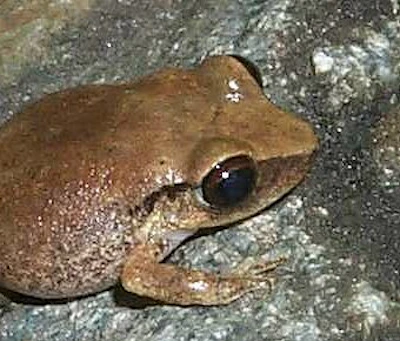 Antillean Coqui One of 16 species of coqui, or tree frog, native to Puerto Rico and 13 found in El Yunque National Forest, the Antillean coqui is a small, brownish species named for its distinctive call.
 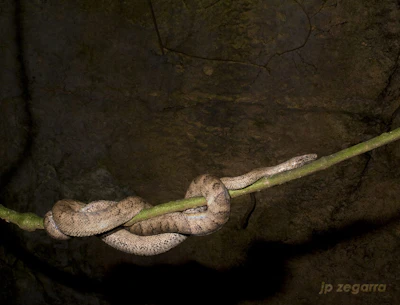 Puerto Rican boa This endemic snake is non-venomous and grows up to six feet long, feeding on small mammals, birds, lizards, and bats. It is protected under local conservation laws.
  Brazilian free-tailed bat One of the most common species found in El Yunque, this bat has a distinct tail that extends out, giving it its name. It feeds on beetles and flying insects.
 What’s the Best First-Timer’s Adventure in the El Yunque National Forest?
Driving the PR-191 Scenic Route, which is also the main route through the forest, is a spectacular way to take in the rainforest scenery. The road winds from lower elevations into the upper cloud forest, where an observation point overlooks the northern coast. Be sure to check conditions before visiting as sections are often closed for maintenance.
Where to Find More Information on the El Yunque National Forest
For more information or questions, visit https://www.fs.usda.gov/r08/elyunque
Discover how communities, volunteers, and partners are shaping the future of our National Forests and Grasslands.
The National Forest Foundation works with partners across Northern Colorado to restore forests, reduce wildfire risk, and care for the…
After years of damage, recovery, and reconstruction, the trail to Hanging Lake has been fully rebuilt, creating a more durable,…
Erosion and wildfire had left Arizona's historic Highline Trail rutted and unsafe. After five years of work with the Tonto…
Forest restoration near Flagstaff is reducing wildfire risk for local communities and safeguarding the water supply for millions across the…
Colorado's 14ers draw thousands of visitors each year, and the pressure on these fragile alpine landscapes is growing. Here's a…
Visitors of all ages can explore forest trails and sparkling waters, discover wildlife and underwater habitats, and connect with Tahoe’s…
A partnership-driven program connecting youth on Montana’s Flathead Reservation with hands-on conservation work, heritage education, and pathways in natural resource…
Seeing the impact first hand on the Grand Mesa, Uncompaghre and Gunnison National Forests
Seven Years of Reopening Trails After the Eagle Creek Fire
Field Ranger Program Connects Diverse Communities to Forests in Southern California
Our Forests Need Us Today.
Your donation powers critical, on-the-ground conservation—from wildfire recovery to watershed restoration—protecting forests for the future.