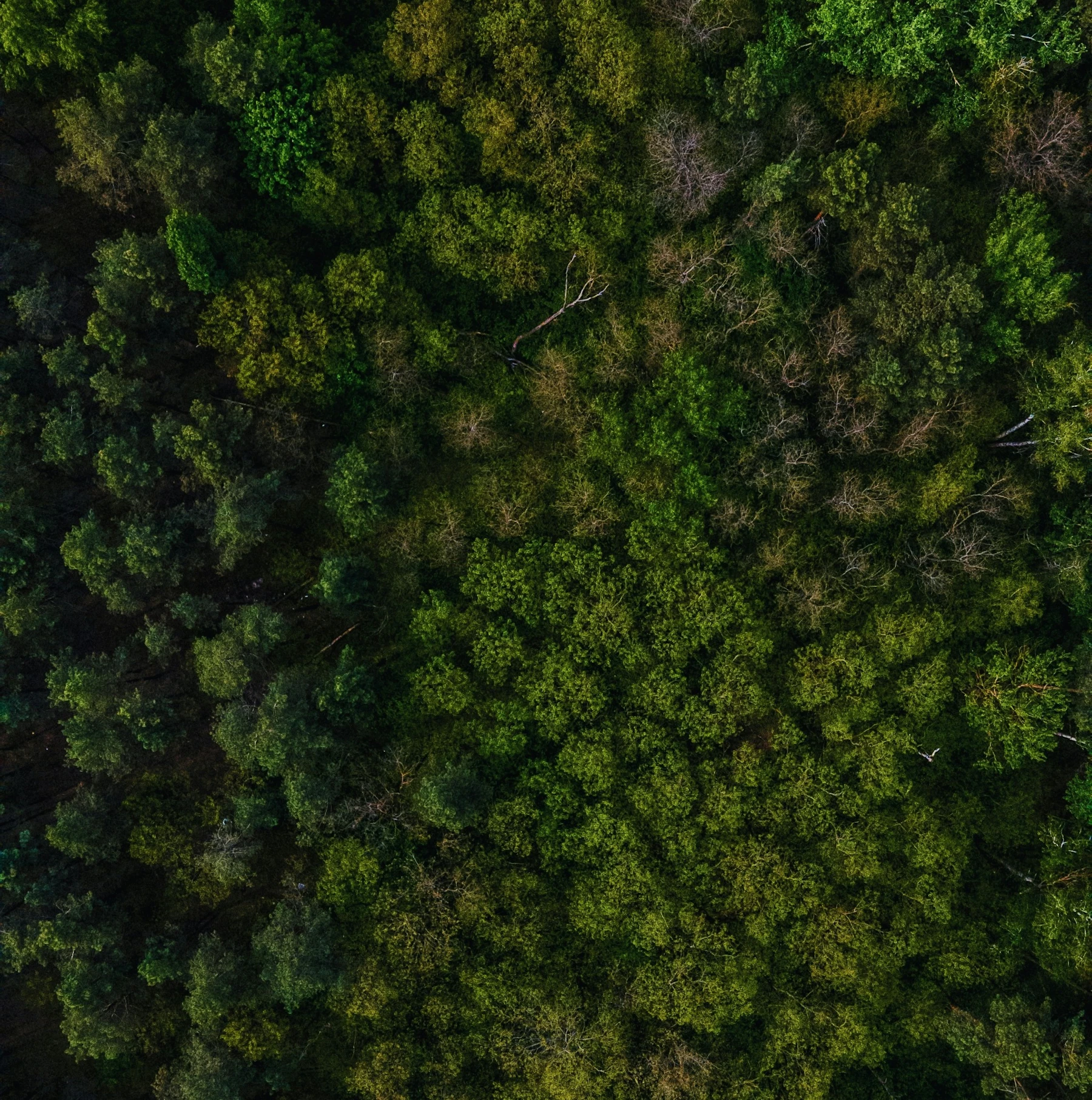
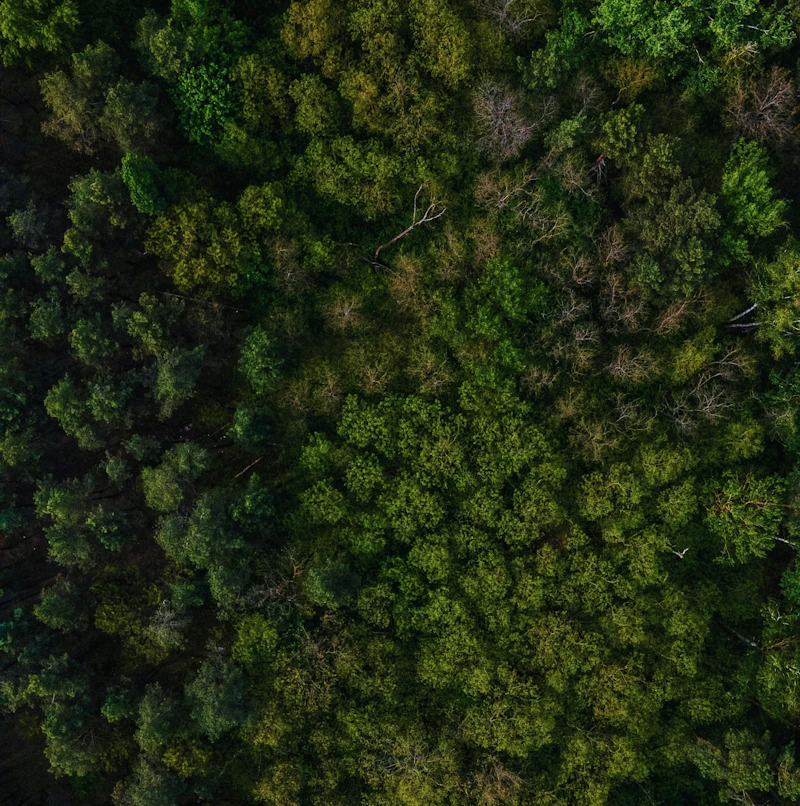
Experience the National Forests in Mississippi, 1.2 million acres spread across the Bienville, DeSoto, Holly Springs, Homochitto, and Tombigbee National Forests. Each of the six separate forests provides visitors with a unique experience of the state’s natural wonders, from the rolling hills in the upper Coastal Plain and the flat piney woods in the Gulf Coastal Plain to bottomland hardwoods in the Heartland.
The Bienville National Forest, located in central Mississippi, encompasses over 178,000 acres of pine and hardwood forests. Marathon Lake and Shongelo Lake are popular destinations, with activities like camping, boating, and fishing.
The Puskus Lake Recreation Area is a lovely place to enjoy the natural beauty of the Holly Springs National Forest, located in northern Mississippi near the Tennessee border. Those looking for an alternative to crowded, concrete destinations will delight in Puskus Lake’s natural beauty and quiet setting.
The Homochitto National Forest, in southwestern Mississippi, features numerous hiking trails that cross rolling hills and hardwood forests, plus the nationally recognized mountain bike trail. Clear Springs Recreation Area has swimming, camping, and fishing.
The 60,000-acres Delta National Forest, in the northwestern Mississippi Delta region, is a popular hunting destination for deer, waterfowl, and migratory birds. As is the Tombigbee National Forest in northeastern Mississippi.
In southern Mississippi, the De Soto National Forest offers a number of special features, including two Wilderness Areas, Black Creek and Leaf, and the state’s only National Scenic River, Black Creek. The river is famous for its wide, white sandbars and relaxed floating pace. Two National Recreation Trails, the Black Creek Trail and the Tuxachanie Trail, offer over 60 miles for hikers to explore the piney woods.
Across the six forests are miles upon miles of trails for hikers, mountain bikers, OTV riders, and horseback riders.


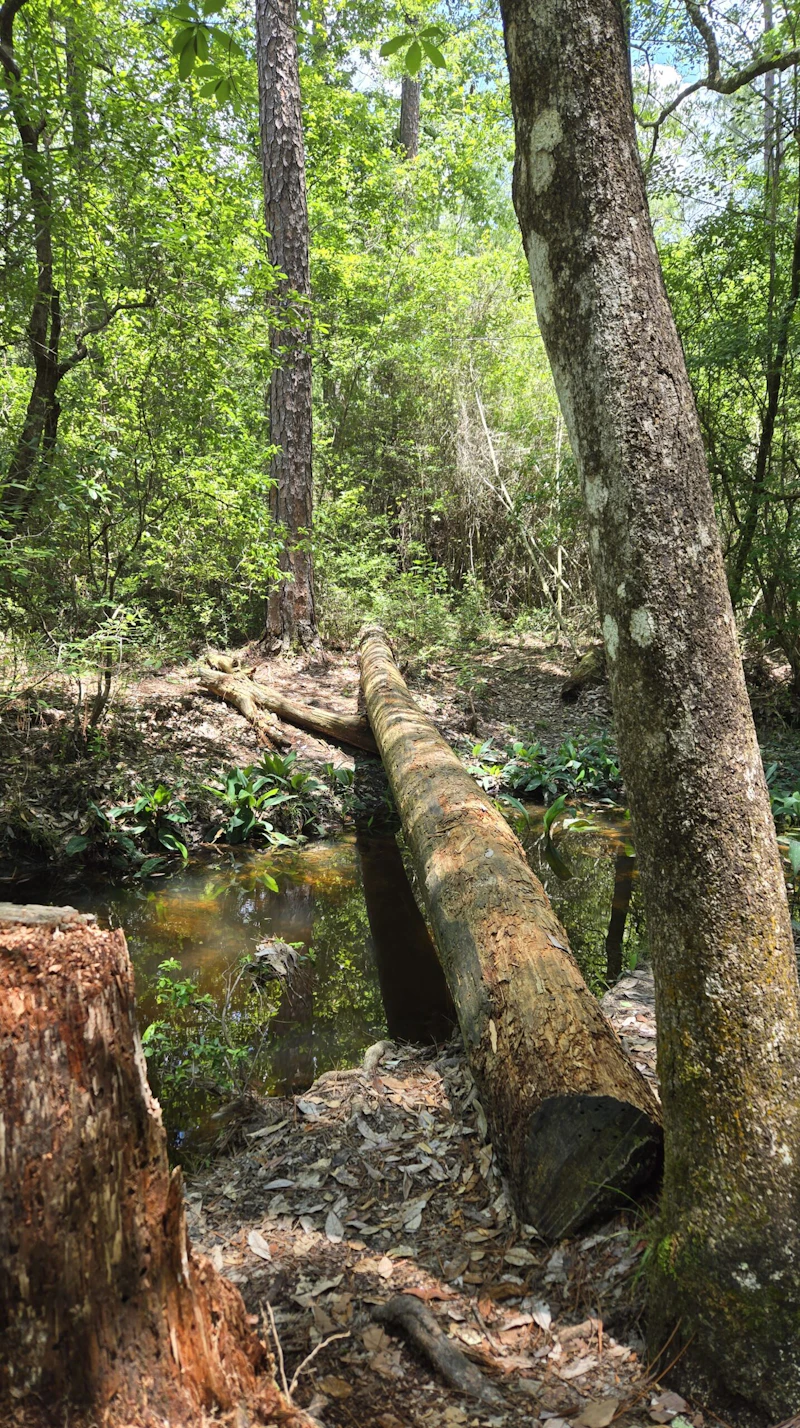
What is the History of the National Forests in Mississippi?
The history of Mississippi’s National Forests are charted in their names: Tombigbee from the Choctaw word for “box maker;” Bienville, after the French colonial governor Jean-Baptiste Le Moyne de Bienville who founded cities like New Orleans; De Soto for the 16th-century Spanish explorer Hernando de Soto.
There are a number of archaeological finds on these forests. The Delta National Forest boasts the Little Spanish Fort site, a prehistoric earthwork and mound dating between 150 BC and AD 400. And the Chickasawhay Ranger District has the mysterious xeric sites with cacti, gopher tortoises and evidence of peoples coming up from the Gulf Coast at circa AD 1300.
De Soto National Forest, designated in 1936, became one of the largest forests in the state. Holly Springs, Bienville, Homochitto, Tombigbee, and Delta followed.
How to Get to the National Forests in Mississippi
The Bienville National Forest, located in central Mississippi near the town of Forest, is most easily reached via Interstate 20. The Delta National Forest is near the gateway town of Rolling Fork, located on U.S. Highway 61, off of Interstate 20.
The De Soto National Forest, in southeastern Mississippi, is accessible from the Gulf Coast or Hattiesburg. The forest can be reached via U.S. 49 north or U.S. 98 east. The Holly Springs National Forest, situated in north-central Mississippi, is reached using U.S. 72 or state highways like MS 5 and MS 4. Gateway towns include Oxford, Holly Springs, and Potts Camp.
The Homochitto National Forest, in southwestern Mississippi, is best accessed from the towns of Natchez or Brookhaven via U.S. 84. The Tombigbee National Forest, in northeastern Mississippi, can be reached from Jackson via Interstate 55 or from Memphis via Interstate 22.
- Hattiesburg, Mississippi: Half-hour by car from the De Soto National Forest, 2 hours by car from Homochitto National Forest
- Gulfport, Mississippi: Half-hour by car from the De Soto National Forest
- Jackson, Mississippi: 1 hour by car from the Bienville National Forest, 1.5 hours by car from the Delta National Forest and the Homochitto National Forest
- Southaven, Mississippi: 1 hour by car from the Holly Springs National Forest, 2 hours by car from the Tombigbee National Forest

This challenging, 39-mile trail along the Wild and Scenic River of Black Creek is one of the state’s most beautiful hikes. The route passes through pine forests and coastal plains, crossing more than 100 boardwalks and bridges. It allows for primitive camping, making the trail an exciting multi-day backpacking trip.
Over a million acres are available for hunting across Mississippi’s National Forests, which are filled with game species such as white-tailed deer, wild turkey, quail, and waterfowl. The Delta National Forest, in the northwestern Mississippi Delta region, is especially popular.
This 10-mile trail winds along the pine ridges, forested hills, and creeks of the beautiful Clear Springs Recreation Area in the Homochitto National Forest. The terrain is a mix of single- and doubletrack, and features big elevation changes that offer epic views—but a challenging ride.
 Magnolia Mississippi’s state tree, this evergreen produces fragrant white flowers in late spring.
 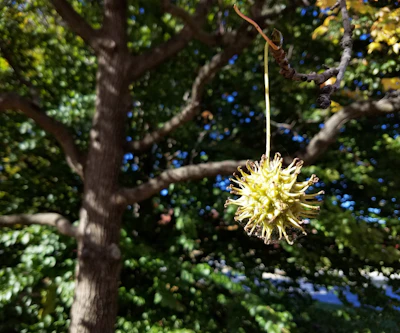 Sweetgum Known for star-shaped leaves and spiky seed balls, this hardwood thrives in moist bottomlands and along streams.
  River otter Nearly extinct from the Upper Mississippi River Basin a century ago, this playful mammal has made an impressive return since the 1980s.
 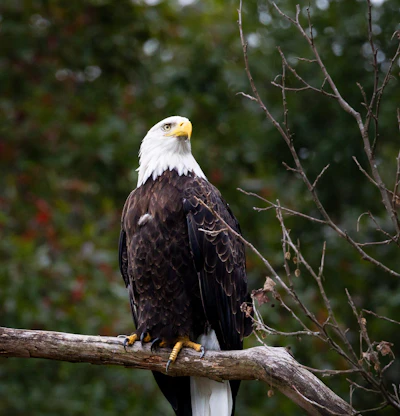 Bald eagle For the best chance of spotting this white-headed bird of prey, head out in the early morning, when it’s more active, to the forests’ creeks, lakes, and reservoirs.
 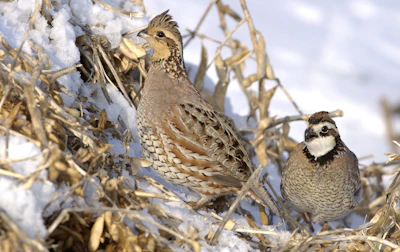 Northern bobwhite quail This species of game bird are active during mornings and late afternoons and occupy open pine forests and grassy clearings.
 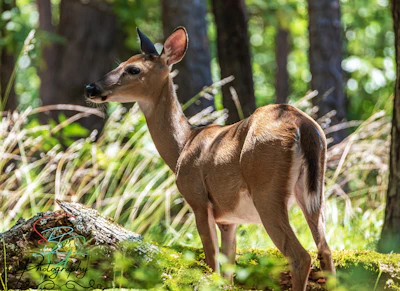 White-tailed deer With a red-brown coat that turns gray in the winter, this deer is frequently spotted throughout the forest. Bucks, or adult males, grow antlers annually, which they shed after mating season.
 What’s the Best First-Timer’s Adventure in the National Forests in Mississippi
Head to the De Soto National Forest to explore the Turkey Fork Recreation Area, the centerpiece of which is a scenic 240-acre lake. The Turkey Fork Lake provides excellent swimming, boating, and fishing for catfish, bass, and bluegill.

Where to Find More Information on the National Forests in Mississippi
For more information or questions, visit https://www.fs.usda.gov/r08/mississippi.
Discover how communities, volunteers, and partners are shaping the future of our National Forests and Grasslands.
The National Forest Foundation works with partners across Northern Colorado to restore forests, reduce wildfire risk, and care for the…
After years of damage, recovery, and reconstruction, the trail to Hanging Lake has been fully rebuilt, creating a more durable,…
Erosion and wildfire had left Arizona's historic Highline Trail rutted and unsafe. After five years of work with the Tonto…
Forest restoration near Flagstaff is reducing wildfire risk for local communities and safeguarding the water supply for millions across the…
Colorado's 14ers draw thousands of visitors each year, and the pressure on these fragile alpine landscapes is growing. Here's a…
Visitors of all ages can explore forest trails and sparkling waters, discover wildlife and underwater habitats, and connect with Tahoe’s…
A partnership-driven program connecting youth on Montana’s Flathead Reservation with hands-on conservation work, heritage education, and pathways in natural resource…
Seeing the impact first hand on the Grand Mesa, Uncompaghre and Gunnison National Forests
Seven Years of Reopening Trails After the Eagle Creek Fire
Field Ranger Program Connects Diverse Communities to Forests in Southern California
Our Forests Need Us Today.
Your donation powers critical, on-the-ground conservation—from wildfire recovery to watershed restoration—protecting forests for the future.