Discover the National Forests in North Carolina, 1.25 million acres that span the Croatan, Uwharrie, Pisgah, and Nantahala National Forests. Each of the four forests provides visitors with a unique experience of the state’s natural wonders, from the Appalachian Mountains to the Atlantic Ocean.
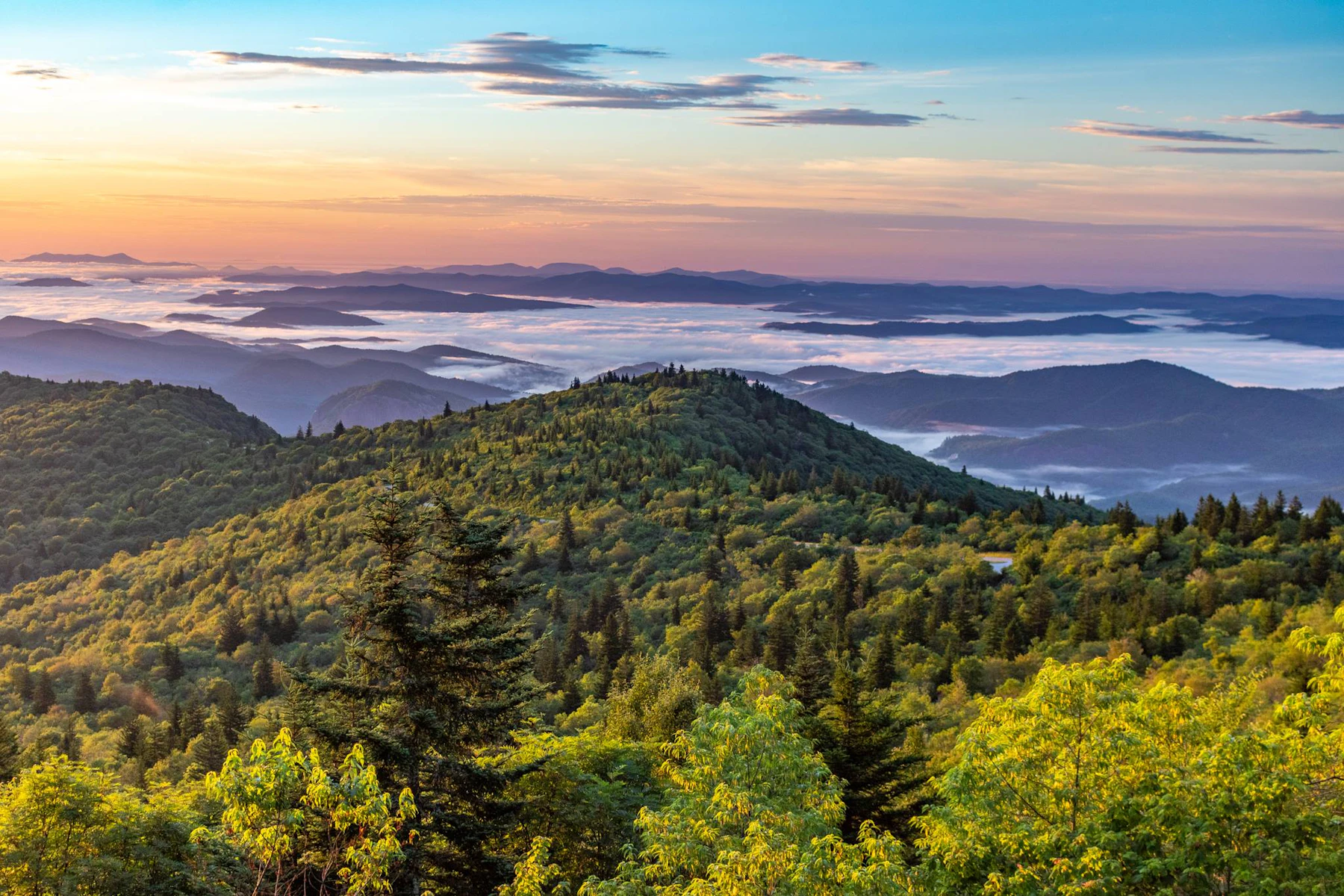
Encompassing over half a million acres of the southern Appalachians, the Pisgah National Forest is known for its towering hardwood forests, spectacular waterfalls, and scenic drives, such as the iconic Blue Ridge Parkway. It also has deep historical roots, as the site of the first forestry school in the nation, the Biltmore Forest School, now the historic site Cradle of Forestry.
Adjacent to the Pisgah to the southwest is the Nantahala National Forest, the largest of the four. The forest, with its deep gorges and high ridges, is popular for whitewater rafting on the Nantahala River, hiking sections of the Appalachian Trail (AT), and exploring the scenic Joyce Kilmer Memorial Forest, home to ancient trees that have never been logged.
Located near the coast, the Croatan National Forest contains wetland bogs, saltwater estuaries, and longleaf pine savannas. While the Uwharrie National Forest, in central North Carolina, preserves the remnants of ancient mountains and gold mining history.
There are 1,700 miles of trails for hikers, mountain bikers, horseback riders, and off-roading fans, including long-distance trails that cross every National Forest in North Carolina. In addition to the AT, there’s the Overmountain Victory National Historic Trail, the Mountains-to-the-Sea Trail, and the Blue Ridge Bartram Trail.
North Carolina’s National Forests are home to more than 5,700 miles of streams and 38,000 acres of lakes offering both warmwater and coldwater fishing. With that bounty of water, it’s no surprise that waterfalls are among the main attractions across the forests.
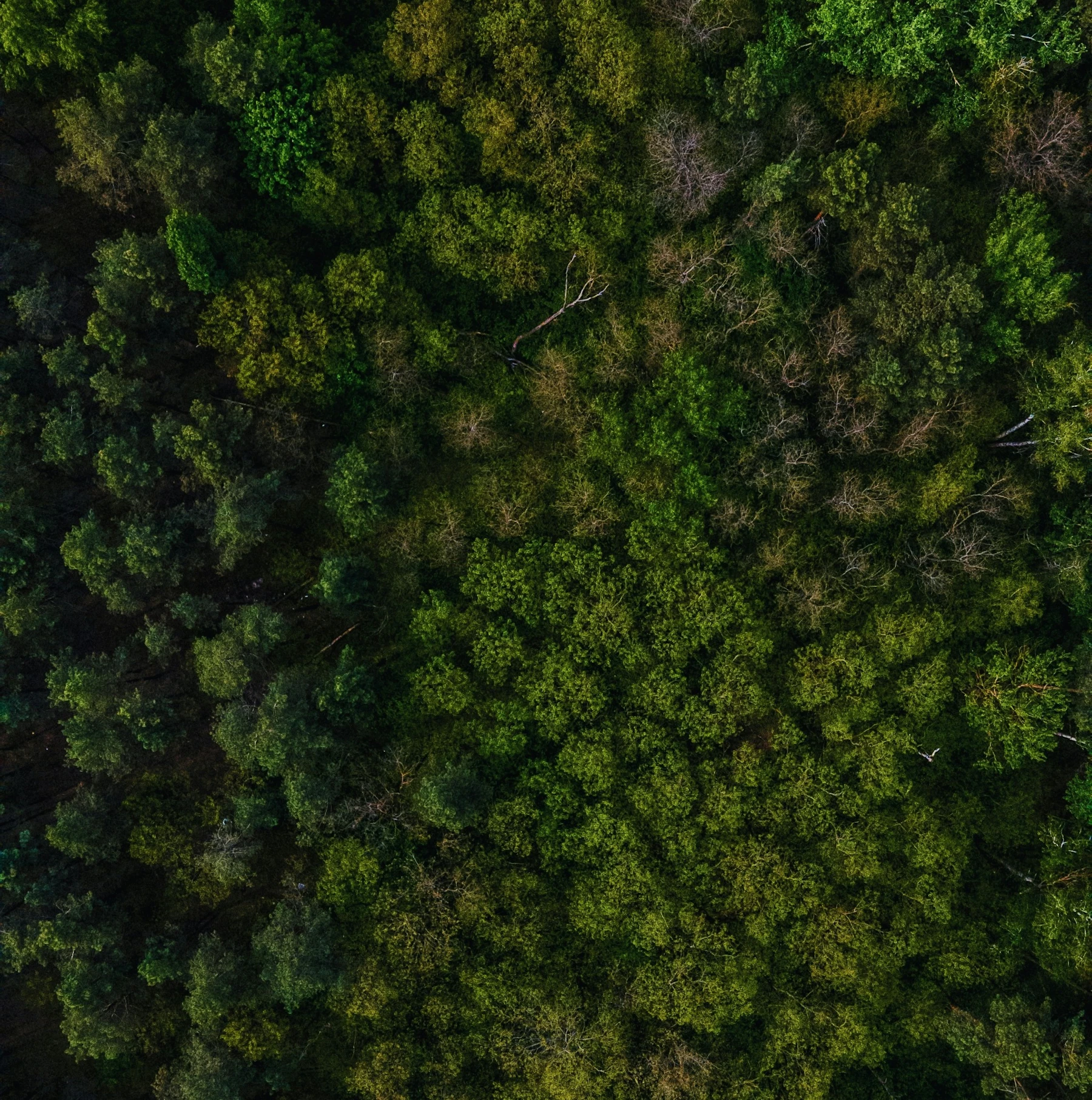
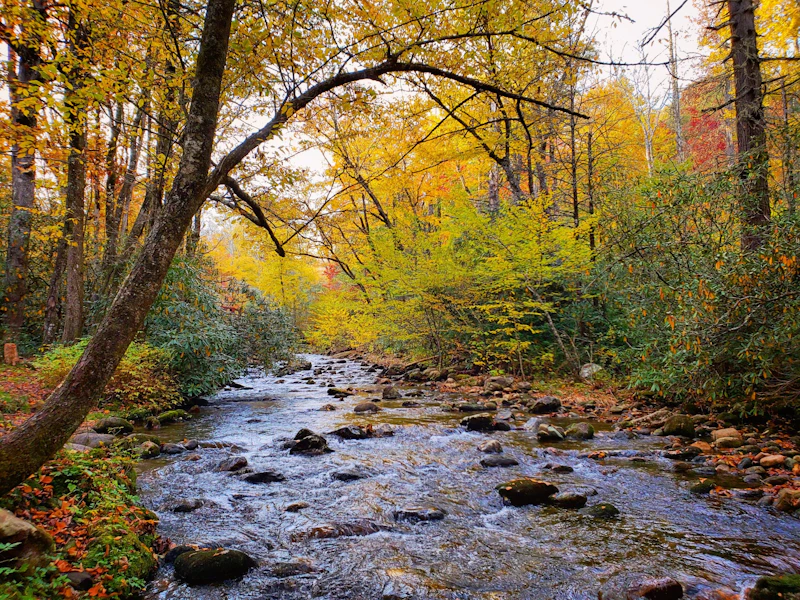 Pisgah National Forest. Photo by Clay McCreary
  Yellow Mountain Fire Tower, Nantahala National Forest. Photo by Mark Krancer
 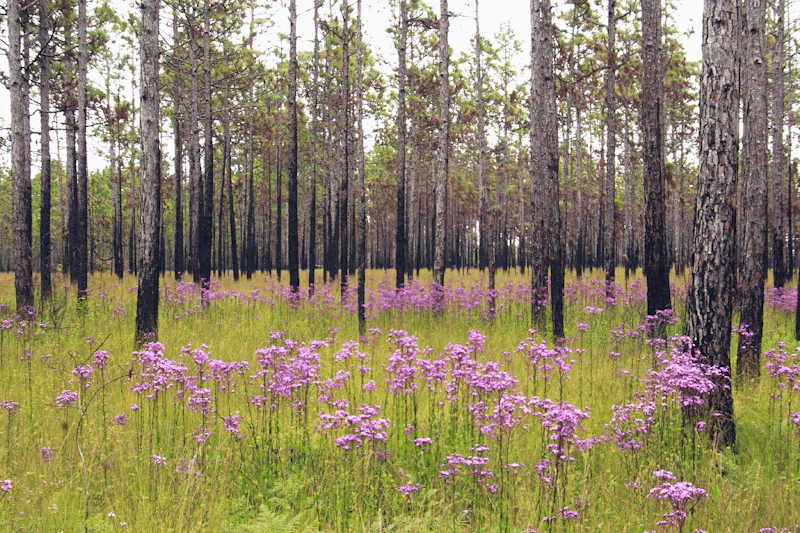 Croatan National Forest. Photo by David McAdoo
  View of the Uwharrie Mountains from the trail on Little Long Mountain, Uwharrie National Forest. Photo by Alexander Ruth
 What is the History of the National Forests in North Carolina?
The Pisgah National Forest was established in 1916 as one of the first national forests in the eastern United States. It comprises lands once owned by George Vanderbilt and managed under pioneering forestry practices by Gifford Pinchot and Carl Schenck.
The Nantahala National Forest, created in 1920, encompasses parts of the former Cherokee homeland, where the Trail of Tears began in the 1830s. It’s named for a Cherokee word meaning “land of the noonday sun,” likely in reference to how the valley floor of Nantahala Gorge only sees sunlight at midday.
The Croatan National Forest, designated in 1936, occupies lands once used by coastal tribes, including the Croatan peoples. The Uwharrie National Forest, established in 1961, covers its namesake ancient mountains, where early gold discoveries drew settlers.

How to Get to the National Forests in North Carolina
The Pisgah National Forest stretches across western North Carolina near the communities of Asheville, Brevard, and Morganton. The Blue Ridge Parkway, Interstate 26, and U.S. Highways 64, 70, and 276 provide direct routes to trailheads, waterfalls, and scenic overlooks.
The Nantahala National Forest, farther southwest, surrounds the towns of Franklin, Bryson City, and Murphy. U.S. Highway 19/74 and U.S. 64 are the primary routes, offering access to the Nantahala Gorge and sections of the AT.
The Croatan National Forest surrounds the towns of New Bern, Morehead City, and Havelock and is accessed via Highway 70 and Interstate 40. Interstate 73/74 or U.S. Highway 64 leads to the Uwharrie National Forest, 60 miles from both Greensboro and Charlotte.
- Asheville, North Carolina: 1 hour by car from the Pisgah National Forest and the Nantahala National Forest
- Greensboro, North Carolina: 1 to 1.5 hours by car from the Uwharrie National Forest
- Charlotte, North Carolina: 1 to 1.5 hours by car from the Uwharrie National Forest
- Wilmington, North Carolina: 1.5 to 2 hours by car from the Croatan National Forest
- Fayetteville, North Carolina: 1.5 hours by car from the Uwharrie National Forest; 2 hours by car from the Croatan National Forest

The river cuts through iconic Nantahala Gorge and offers thrilling yet beginner-friendly rapids, making it one of the Southeast’s premier paddling spots. Outfitters near Bryson City and Andrews provide guided rafting and kayaking trips.
This 20-mile section of the greater Mountains-to-the-Sea Trail passes quintessential ecosystems of the Carolina coast, linking the Neuse River to saltwater estuaries near Havelock.
The Uwharrie National Forest has a system of nearly 17 miles of OHV trails in the Badin Lake Recreation Area. Nearby campgrounds like Arrowhead and Badin Lake allow for longer excursions.
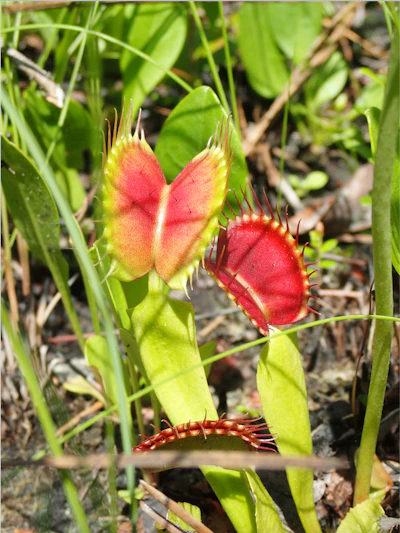 Venus flytrap This fascinating carnivorous plant is native to only a small region of coastal North and South Carolina, including the Croatan National Forest.
  American beech With its smooth, gray bark and dense canopy that turns gold in the fall, this tree produces nuts that are a crucial food source for wild turkeys, deer, and black bears.
 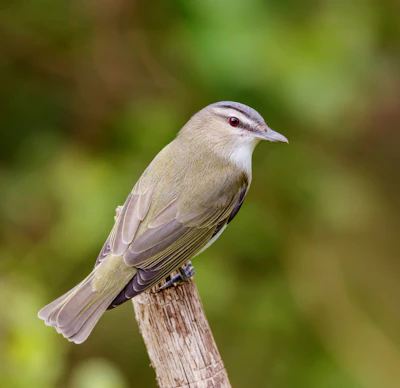 Red-eyed vireo Bright red eyes, white underparts, and distinct gray crown, as well as a melodious call, make this unique species a delight for birdwatchers.
 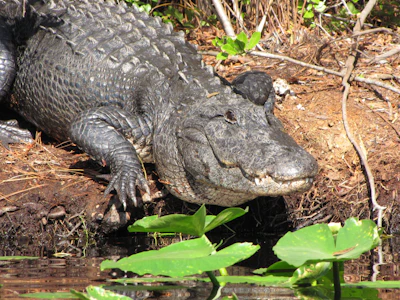 Alligator Found in swamps, ponds, and tidal marshes, these reptiles thrive in the Croatan National Forest’s lowland habitats.
 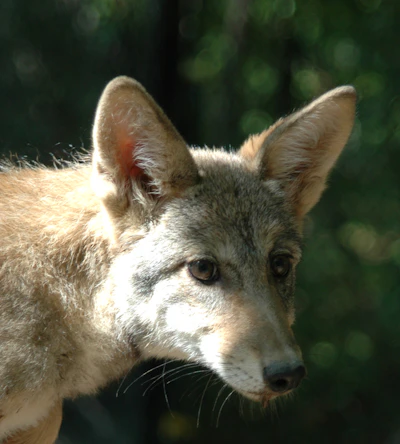 Red wolf Once nearly extinct in the wild, this species, distinguished by a reddish-brown coat, have been reintroduced to the Croatan through conservation programs.
 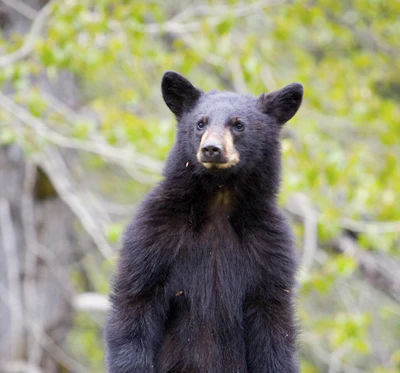 Black bear This mostly shy and solitary bear is active at dawn and dusk, feeding on berries, nuts, insects, and small mammals.
 Related Impact
Restoring Red Spruce in the Southern Appalachians
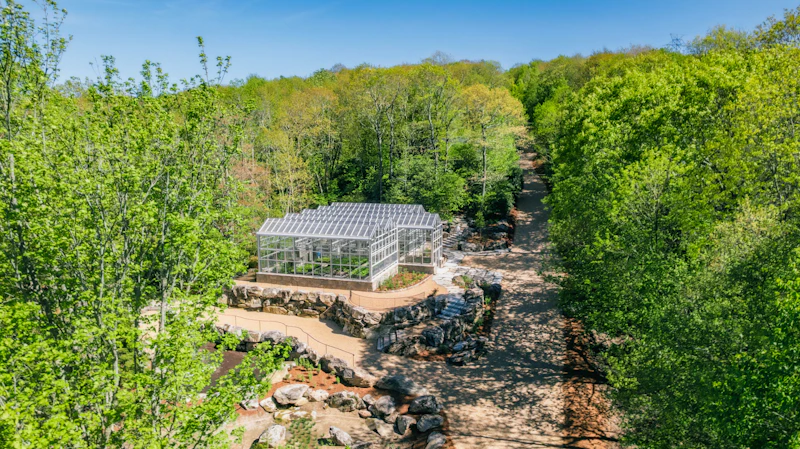
The National Forest Foundation and our partners are joining forces to protect the iconic “sky island” ecosystems of the Southern Appalachians by expanding the capacity for red spruce restoration with a new state-of-the-art greenhouse.
What’s the Best First-Timer’s Adventure in the National Forests in North Carolina
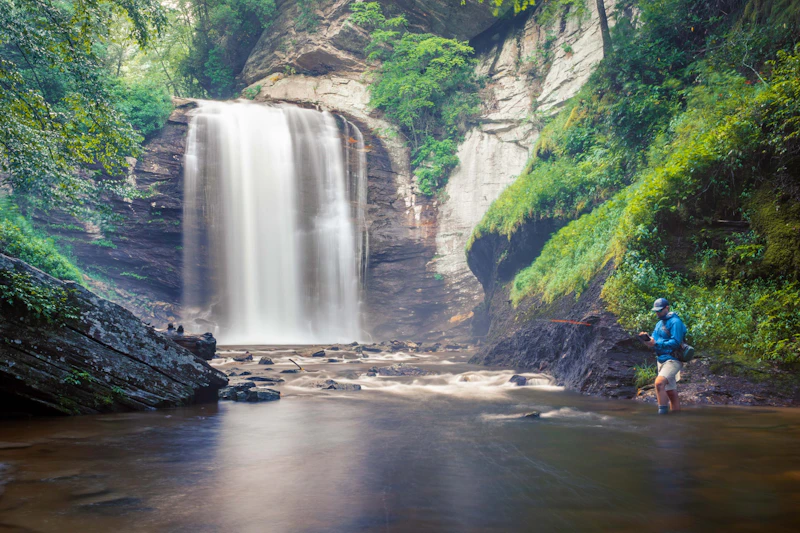
One of the most iconic hikes in the state is Looking Glass Rock Trail, a challenging 6.5-mile round-trip route that climbs to a massive granite dome with panoramic views of the Blue Ridge Mountains. The trailhead is near Looking Glass Falls, a popular roadside waterfall in the Pisgah National Forest.
Where to Find More Information on the National Forests in North Carolina
For more information or questions, visit https://www.fs.usda.gov/r08/northcarolina.
Discover how communities, volunteers, and partners are shaping the future of our National Forests and Grasslands.
After years of damage, recovery, and reconstruction, the trail to Hanging Lake has been fully rebuilt, creating a more durable,…
Erosion and wildfire had left Arizona's historic Highline Trail rutted and unsafe. After five years of work with the Tonto…
Forest restoration near Flagstaff is reducing wildfire risk for local communities and safeguarding the water supply for millions across the…
Colorado's 14ers draw thousands of visitors each year, and the pressure on these fragile alpine landscapes is growing. Here's a…
Visitors of all ages can explore forest trails and sparkling waters, discover wildlife and underwater habitats, and connect with Tahoe’s…
A partnership-driven program connecting youth on Montana’s Flathead Reservation with hands-on conservation work, heritage education, and pathways in natural resource…
Seeing the impact first hand on the Grand Mesa, Uncompaghre and Gunnison National Forests
Seven Years of Reopening Trails After the Eagle Creek Fire
Field Ranger Program Connects Diverse Communities to Forests in Southern California
Anna's family has been planting trees for 50 years. Now she is helping build a sustainable model to meet the…
Our Forests Need Us Today.
Your donation powers critical, on-the-ground conservation—from wildfire recovery to watershed restoration—protecting forests for the future.