Creating a Fire Resilient Truckee
The largest, most destructive wildfires in California’s history have occurred in the last ten years—everything is at stake for mountain communities like Truckee.
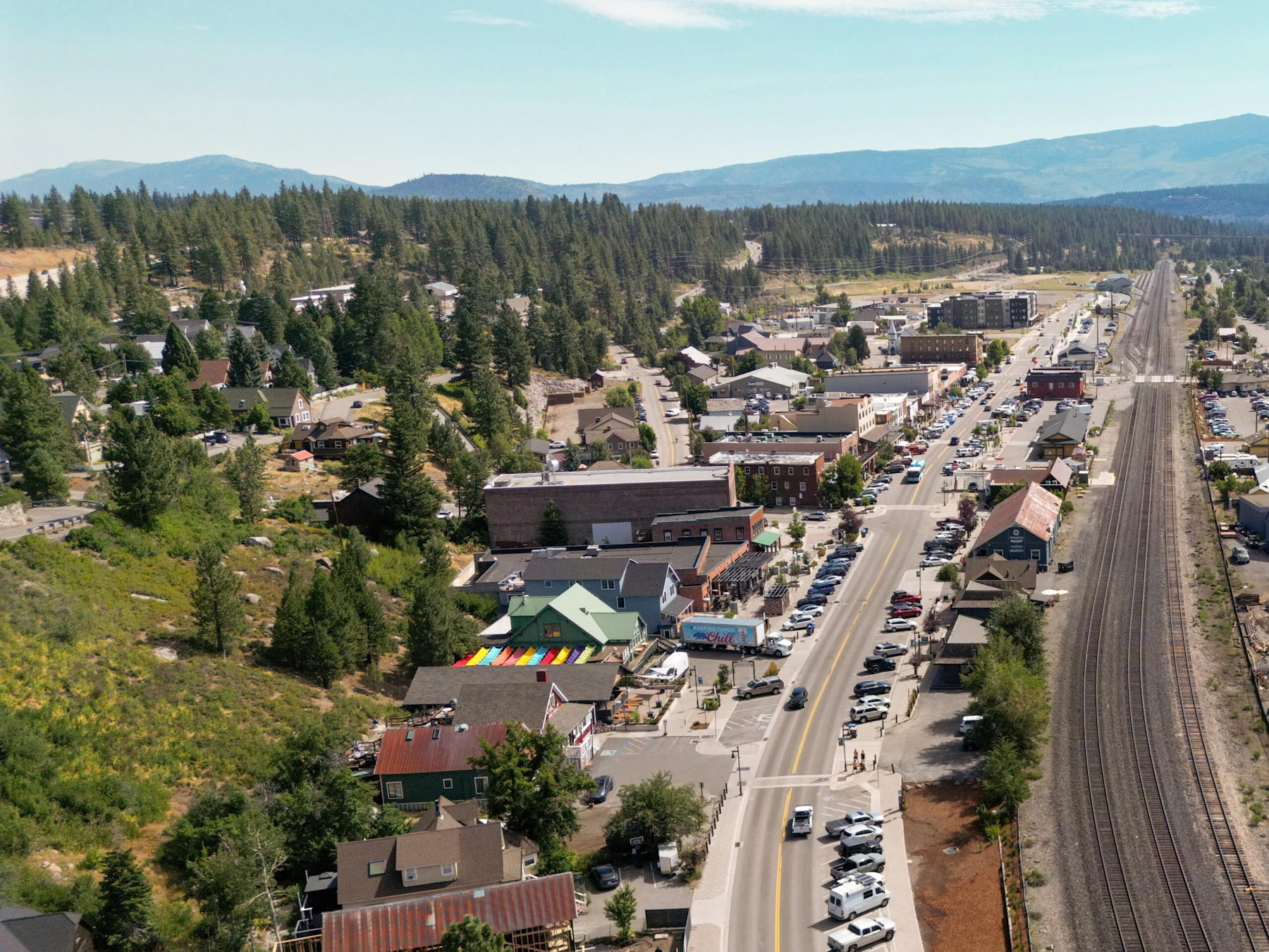
Outdoor recreation on the Tahoe National Forest is a defining feature of Truckee, making it a special place to call home or visit. The very same forests that make Truckee so desirable also put the community at an increased risk from wildfire.
Wildfires nationwide continue to grow larger, burn longer, and cause more destruction. As forest health declines, the risk of wildfire increases with each passing year.
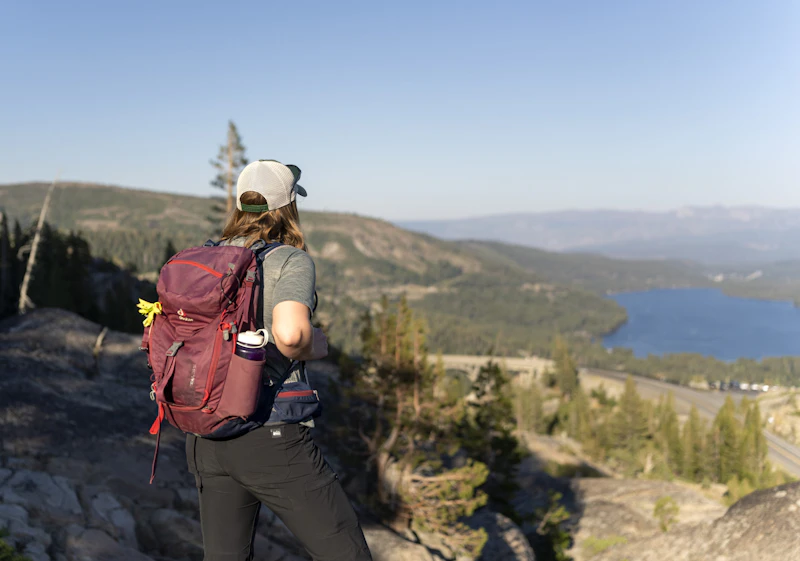
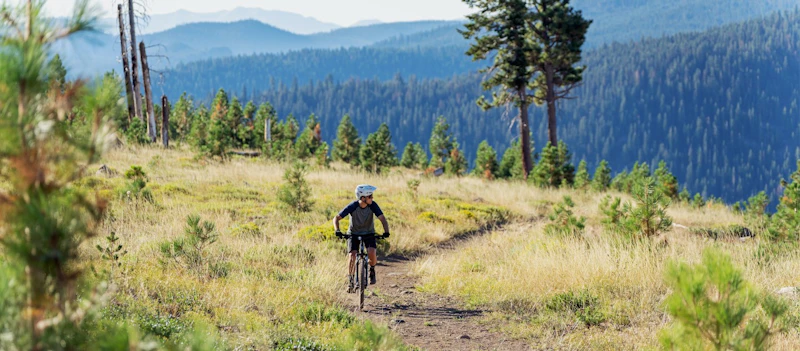
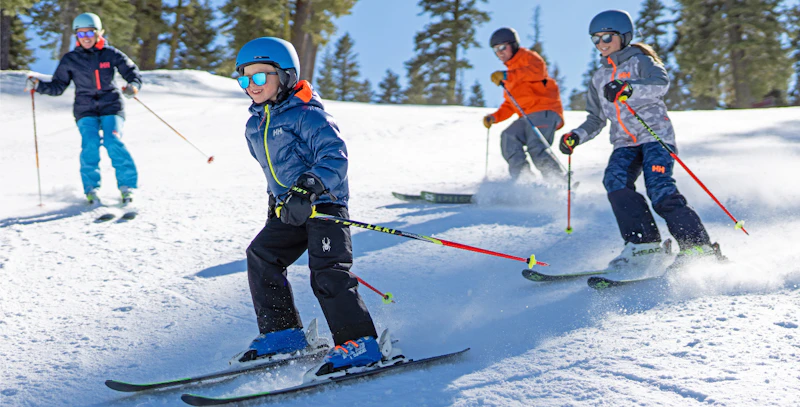
The community of Truckee is within the Wildland Urban Interface (WUI). This means that homes, businesses, schools, and other key infrastructure sit right up against and often within forested areas. WUI areas allow residents and visitors the ability to access and enjoy forests easily, but those same forests, especially when overstocked and unhealthy, pose a risk to communities should a fire come through the area.
To mitigate these risks, the NFF and its partners in the Middle Truckee River Watershed Forest Partnership are working to restore forest ecosystems. Our shared efforts are focused on creating fire-resilient communities, conserving wildlife habitat, and maintaining recreation opportunities for all who cherish these public lands.
Collaboration is Key
Fire knows no bounds and working collaboratively with different organizations, landowners and managers, and interest groups is mission critical to decreasing the risk of catastrophic wildfire.
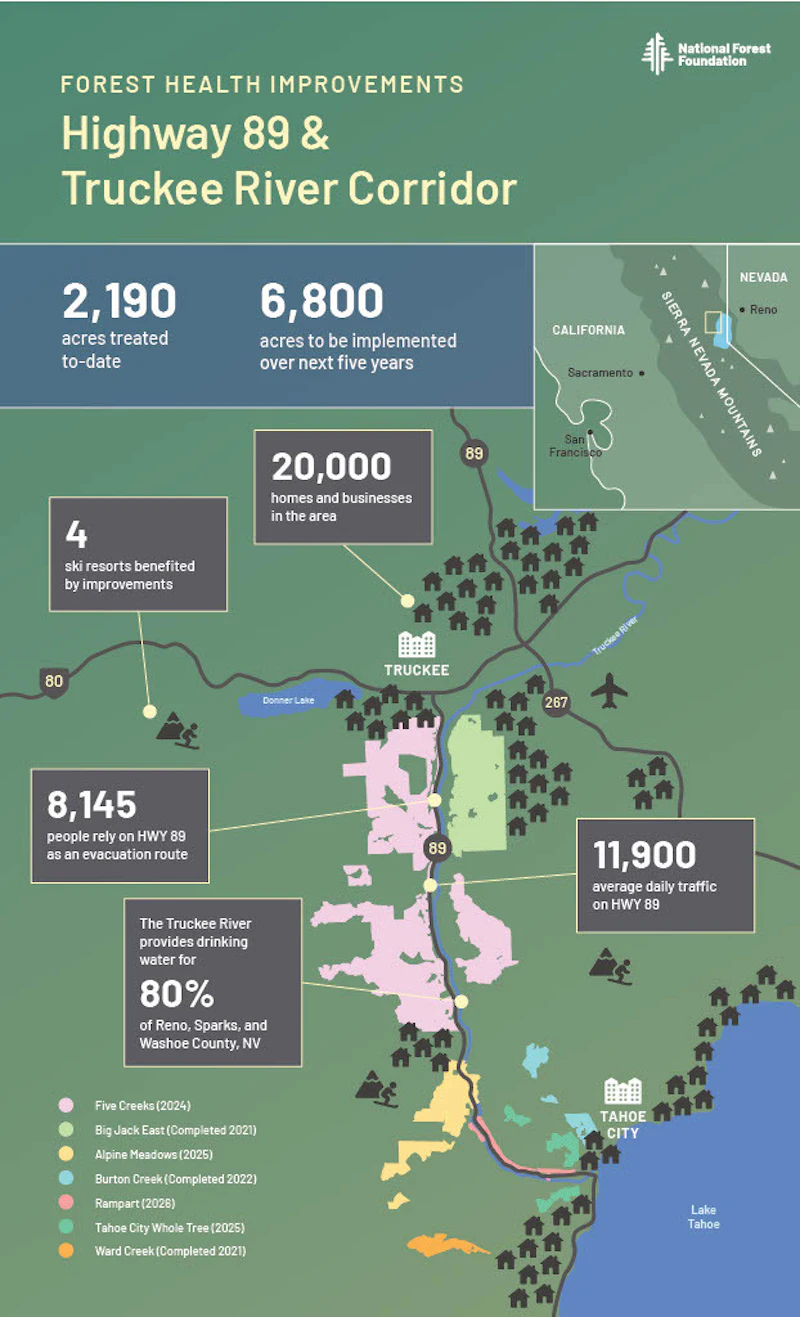
Working along the Highway 89 Corridor between Truckee and Tahoe City is one such example of how the NFF is working collaboratively within the larger Middle Truckee River Watershed Forest Partnership to address forest health, community, and ecological needs of the Truckee and Sierraville Districts of the Tahoe National Forest.
The NFF and our partners have already treated over 2,000 acres of land in this area, with a plan to treat almost 7,000 more acres in the coming years.
The NFF and other partnership members are working to collaborate with local counties, homeowners associations, and fire protection districts, like the Truckee Fire Protection District, to align projects where possible and complete cross-boundary work on private land adjacent to National Forest land.
Using every tool in the toolkit to create healthy forests
Over the last century, strict fire suppression by federal and non-federal forest managers nearly eliminated all fire from landscapes where it was a natural and normal ecological process. The result of this fire suppression was more overgrown, less resilient forests.
For a forest to be healthy and resilient, each tree needs enough nutrients, water, and sunlight to thrive. When trees grow too close together, they have to compete for these resources. This results in weaker trees that are more susceptible to disease, insect infestations, and drought.
Because of these susceptibilities, overstocked forests, or dense forests with too many trees, are prone to high rates of tree mortality. These dead trees then provide fuel for and increase the risk of high-intensity wildfires that can be catastrophic for the forest and surrounding communities.
Prescribed Fire
Before European arrival, Indigenous people managed their lands with fire as an important cultural and stewardship practice and continue to do so today. Unfortunately, the benefits of many of these stewardship practices were lost through colonization and strict fire suppression policies, resulting in more overgrown, less resilient forests.
As forester managers have gained a better understanding of the important role fire plays in maintaining forest ecosystems, they have increasingly looked to prescribed fire to improve forest health and guard against severe wildfires.

Forest Thinning
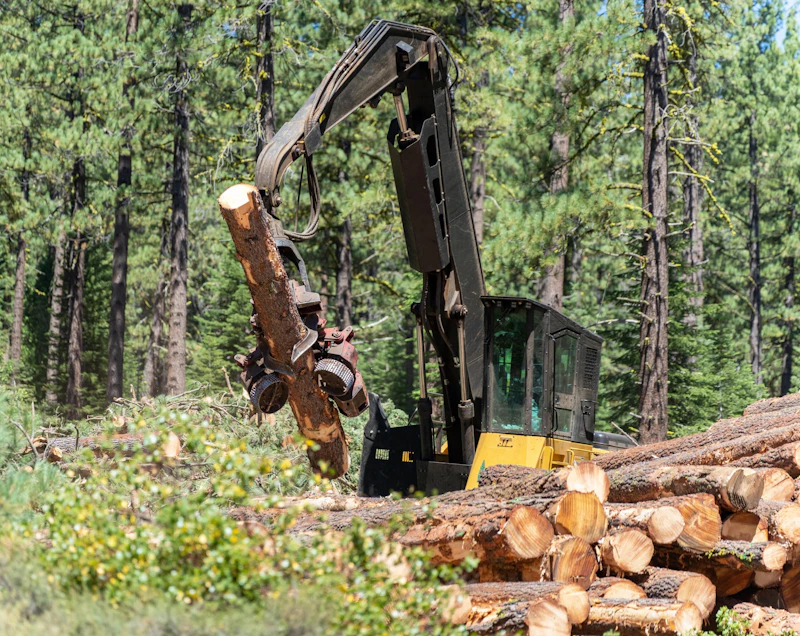
Forest thinning is one of the most important tools land managers have to reduce the frequency and intensity of wildfires. Through thinning, land managers can remove surface fuels such as brush and dead, dying, or weak trees that would feed a growing forest fire.
Removing smaller trees and brush also reduces the number of ladder fuels – vegetation that fire can use to climb from the ground into the forest canopy – which can turn a low-intensity fire into a dangerous and unmanageable one.
Learn more about how cutting down trees can improve forest health!
Targeted Grazing
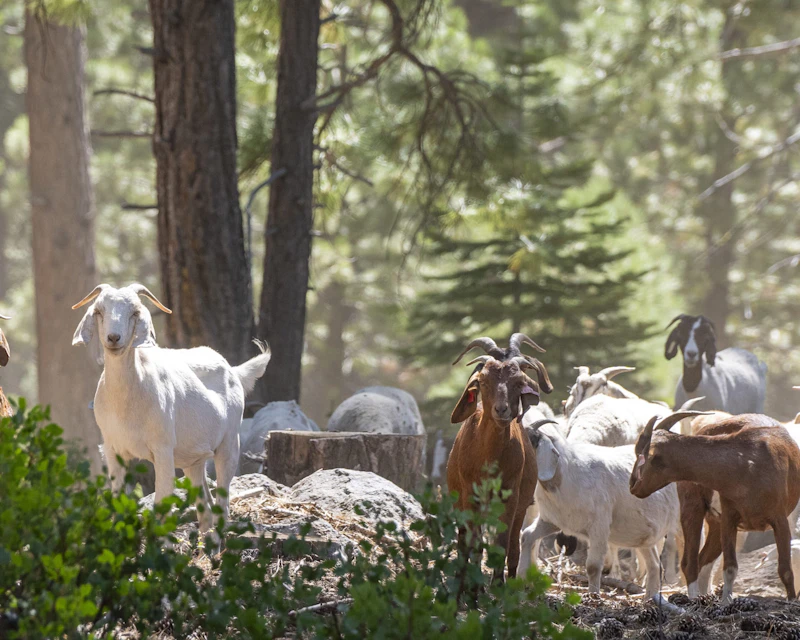
Though still being actively tested in areas, targeted grazing has the potential to be an effective forest management tool, particularly in areas that have already been thinned.
Livestock such as goats or sheep are strategically used to consume grasses, shrubs, and other smaller fuels that can increase fire intensity and spread. By lowering these fuel loads, targeted grazing creates natural firebreaks and enhances overall forest resilience against wildfires, particularly in fire-prone regions.
The streams and creeks of the LBJ National Grassland flow into the Trinity River Basin, which supplies water for over…
Protecting biodiversity and fostering partnerships for resilient forests.
Nature-based solutions are bringing life back to streams and wetlands in the Colorado River Watershed, securing water for people, wildlife,…
The largest, most destructive wildfires in California’s history have occurred in the last ten years—everything is at stake for mountain…
Field Ranger Program Connects Diverse Communities to Forests in Southern California
Seeing the impact first hand on the Grand Mesa, Uncompaghre and Gunnison National Forests
Anna's family has been planting trees for 50 years. Now she is helping build a sustainable model to meet the…
Seven Years of Reopening Trails After the Eagle Creek Fire
Our Forests Need Us Today.
Your donation powers critical, on-the-ground conservation—from wildfire recovery to watershed restoration—protecting forests for the future.