Discover the Midewin National Tallgrass Prairie, a remarkable conservation area located in northeastern Illinois. The Midewin encompasses over 20,000 acres of restored prairie, wetlands, and woodlands in the former U.S. Army Arsenal lands.
The first national tallgrass prairie in the country, the Midewin’s creation reflects a long-term effort to return this landscape to its original ecological state and provide habitat for native plants and wildlife, including the reintroduction of bison.
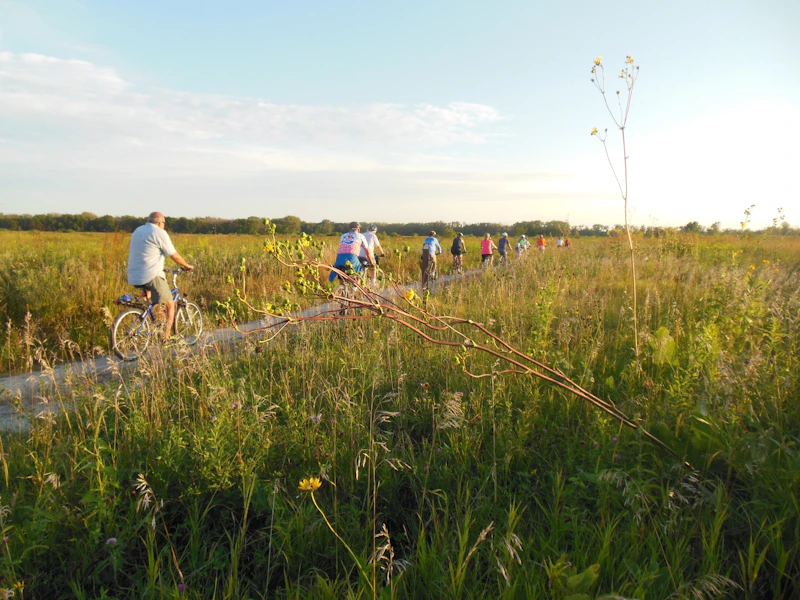
Around half the Midewin National Tallgrass Prairie is open to the public, including over 34 miles of hiking trails, 22 of which are open to biking and horseback riding. In the winter, many of these trails are great for snowshoeing. Hunting is permitted in designated zones. The site also includes educational exhibits highlighting the prairie’s history, ecology, and restoration techniques.
The Midewin’s staff, volunteers, and guest leaders offer a variety of interpretive tours and exploration activities. Some tours are escorted in caravans with viewing stops and radio commentary, some feature outdoor activities, and some are especially designed for history buffs.
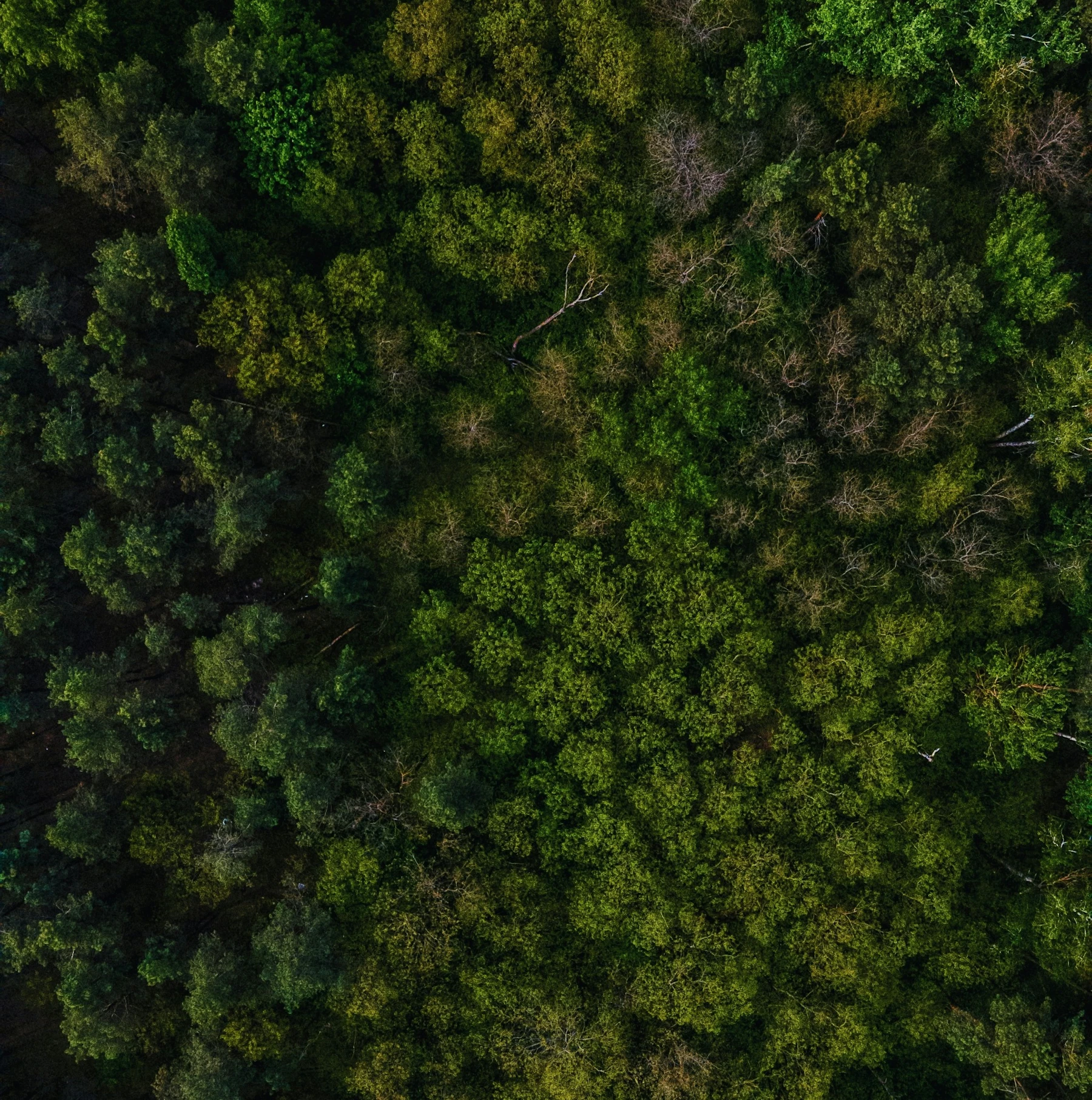
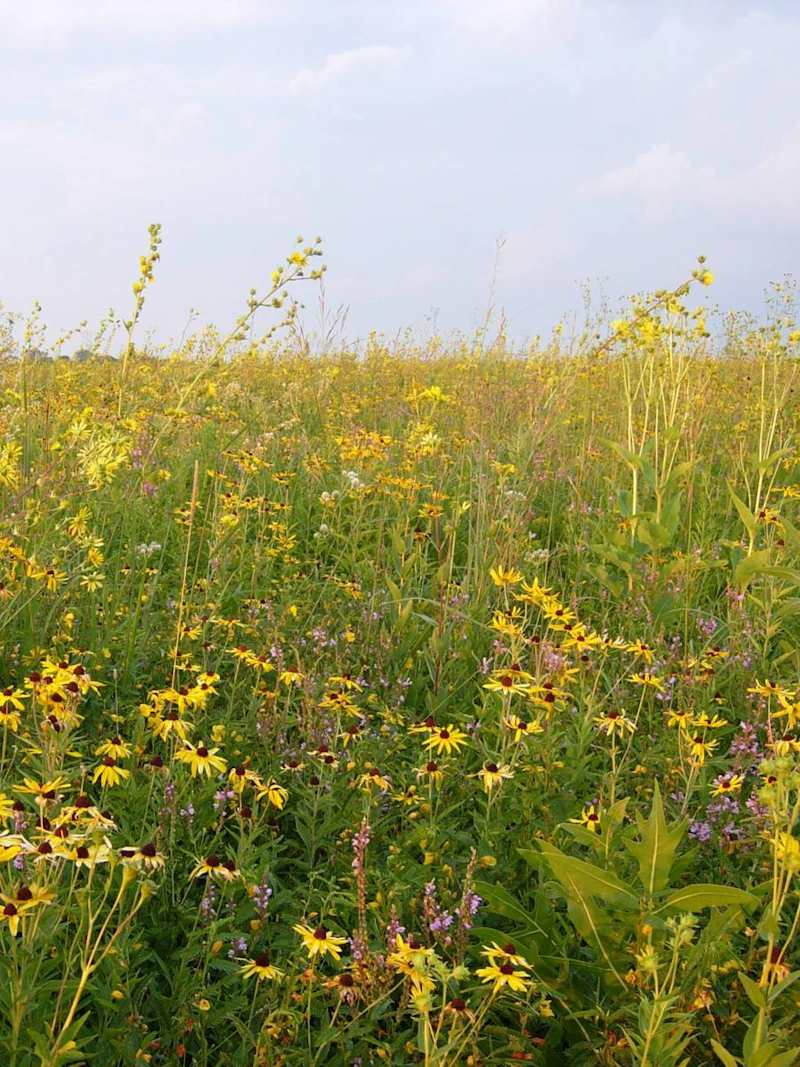 Photo by Jerry Heinrich
 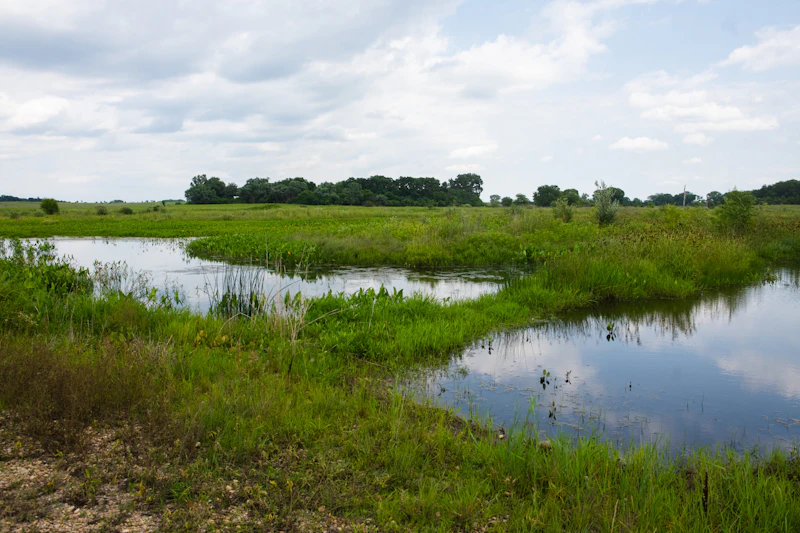 Photo by ANF Chicago
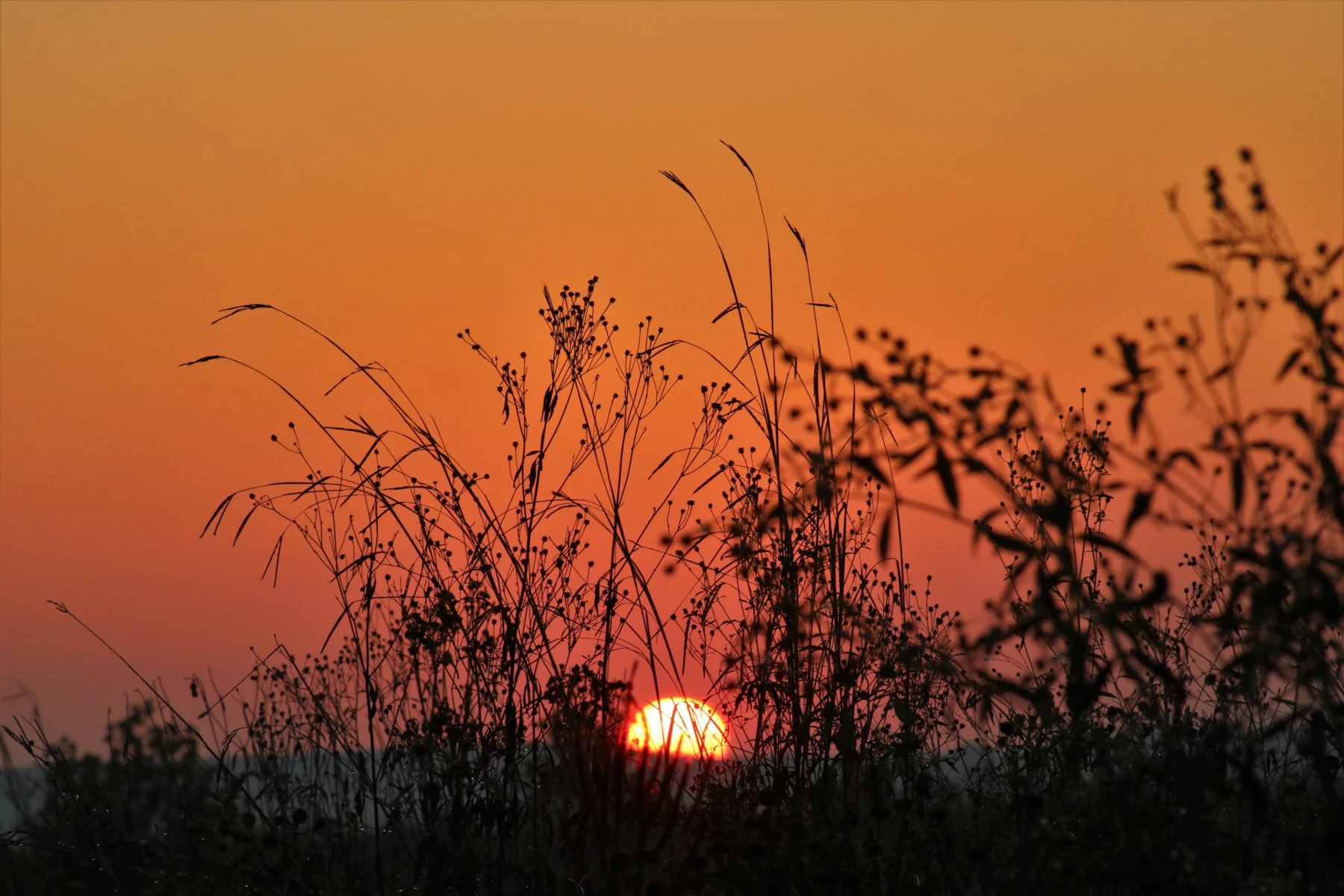
 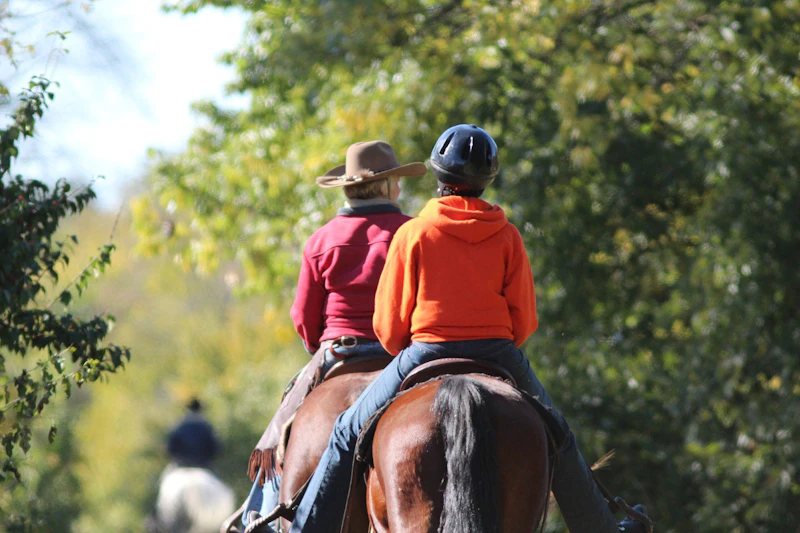 Photo by Arthur Pearson
 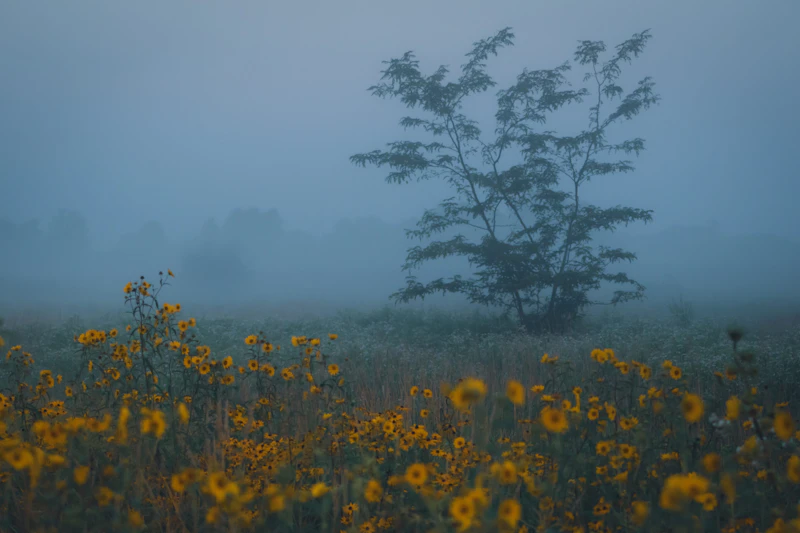 Photo by Michelle Wendling
 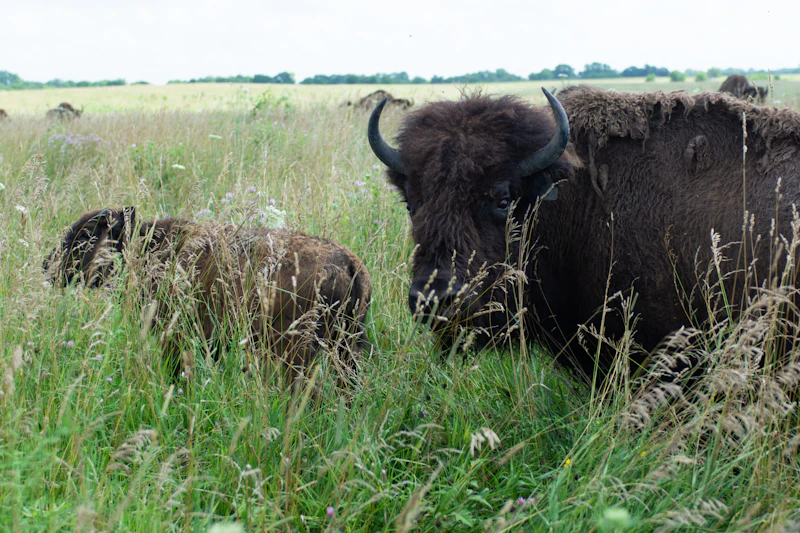 Photo by Lynn Renee
 What is the History of the Midewin National Tallgrass Prairie?
Historically, the land was home to Native American peoples, including the Potawatomi, who used the tallgrass prairies for hunting, gathering, and seasonal settlements. European settlers later converted the land for agriculture, and in the 1940s, much of the area became the Joliet Army Ammunition Plant.
After the plant’s closure, Midewin remained largely closed to the public while the Army cleaned up contamination remaining from decades of TNT manufacturing and packaging. In 199Beginning in 2004, 6,400 acres of Midewin opened to the general public for nonmotorized recreation use.
How to Get to the Midewin National Tallgrass Prairie
- Chicago, Illinois: 1 to 1.5 hours by car
- Milwaukee, Wisconsin: 2 to 2.5 hours by car
- Peoria, Illinois: 2 to 2.5 hours by car
- Springfield, Illinois: 2.5 to 3 hours by car
- Indianapolis, Indiana: 3 to 3.5 hours by car

For an upclose look at the restored tallgrass prairie, hike this 1.6‑mile loop, which meanders along the edge the prairie and dense oak-hickory savanna, eventually reaching Buttonbush Pond, where you can often spot an array of wildlife.
This six-mile loop trail follows a dirt road, making it ideal for horseback riding. The trail will take you through areas of restored tallgrass and past Turtle Pond.
The prairie attracts numerous birds, from upland sandpipers and bobolinks to raptors like red-tailed hawks and northern harriers. Seasonal migrations make spring and fall excellent for birding. Consider the 1.6-mile Newton Loop trail that starts at the Explosive Road Trailhead and winds through a habitat known for loggerhead shrikes and eastern meadowlarks.
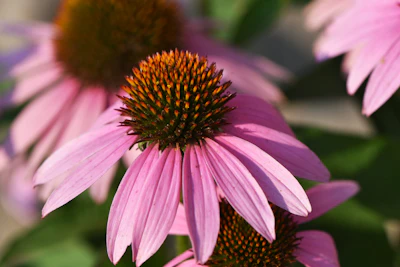 Purple coneflower This wildflower has large, purple-pink petals that radiate around a spiky orange central cone, making it easily recognizable amid tall grasses.
 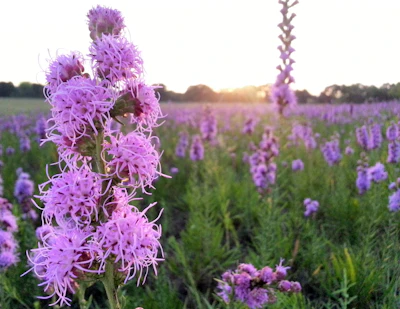 Blazing star This native flower has slender spikes covered in vibrant purple flowers that bloom from late summer into early fall.
 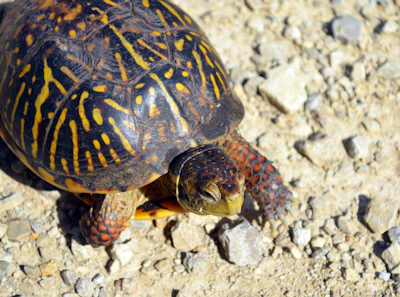 Ornate box turtle Easily recognized by its domed shell patterned with yellow or orange lines on a dark brown background, this turtle is well adapted to open grasslands.
 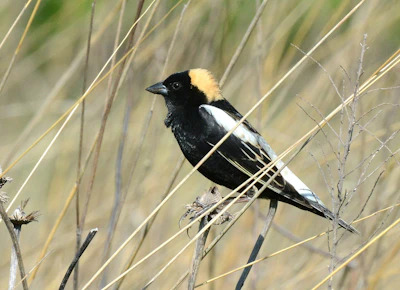 Bobolink With black bodies, white backs, and golden napes, this grassland bird is known for having a bubbling call.
 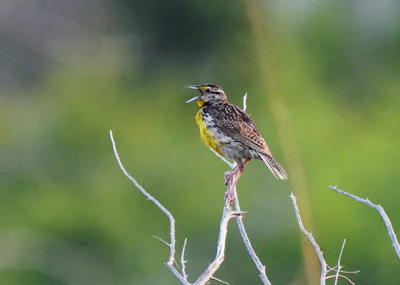 Eastern meadowlark This striking bird, known for its bright yellow chest and flute-like song, nests on the ground among tall grasses.
 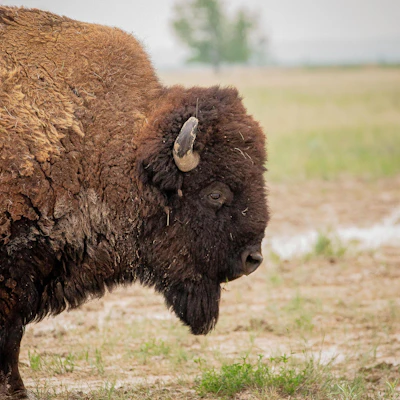 Bison This massive grazer shapes grassland vegetation through selective feeding, wallowing, and trampling, which promotes plant diversity and creates habitat for smaller species.
What’s the Best First-Timer’s Adventure in the Midewin National Tallgrass Prairie
For a chance to spot bison, which were reintroduced to the prairie in 2015, head to Iron Bridge Trailhead, the main access point to the bison area. Stop by the information booth (10:30am to 4:00pm, Saturdays and Sundays, April to October) and hike the three-mile roundtrip trail, which features viewing benches and spotting scopes.
Where to Find More Information on the Midewin National Tallgrass Prairie
For more information or questions, visit https://www.fs.usda.gov/r09/midewin.
Discover how communities, volunteers, and partners are shaping the future of our National Forests and Grasslands.
After years of damage, recovery, and reconstruction, the trail to Hanging Lake has been fully rebuilt, creating a more durable,…
Erosion and wildfire had left Arizona's historic Highline Trail rutted and unsafe. After five years of work with the Tonto…
Forest restoration near Flagstaff is reducing wildfire risk for local communities and safeguarding the water supply for millions across the…
Colorado's 14ers draw thousands of visitors each year, and the pressure on these fragile alpine landscapes is growing. Here's a…
Visitors of all ages can explore forest trails and sparkling waters, discover wildlife and underwater habitats, and connect with Tahoe’s…
A partnership-driven program connecting youth on Montana’s Flathead Reservation with hands-on conservation work, heritage education, and pathways in natural resource…
Seeing the impact first hand on the Grand Mesa, Uncompaghre and Gunnison National Forests
Seven Years of Reopening Trails After the Eagle Creek Fire
Field Ranger Program Connects Diverse Communities to Forests in Southern California
Anna's family has been planting trees for 50 years. Now she is helping build a sustainable model to meet the…
Our Forests Need Us Today.
Your donation powers critical, on-the-ground conservation—from wildfire recovery to watershed restoration—protecting forests for the future.