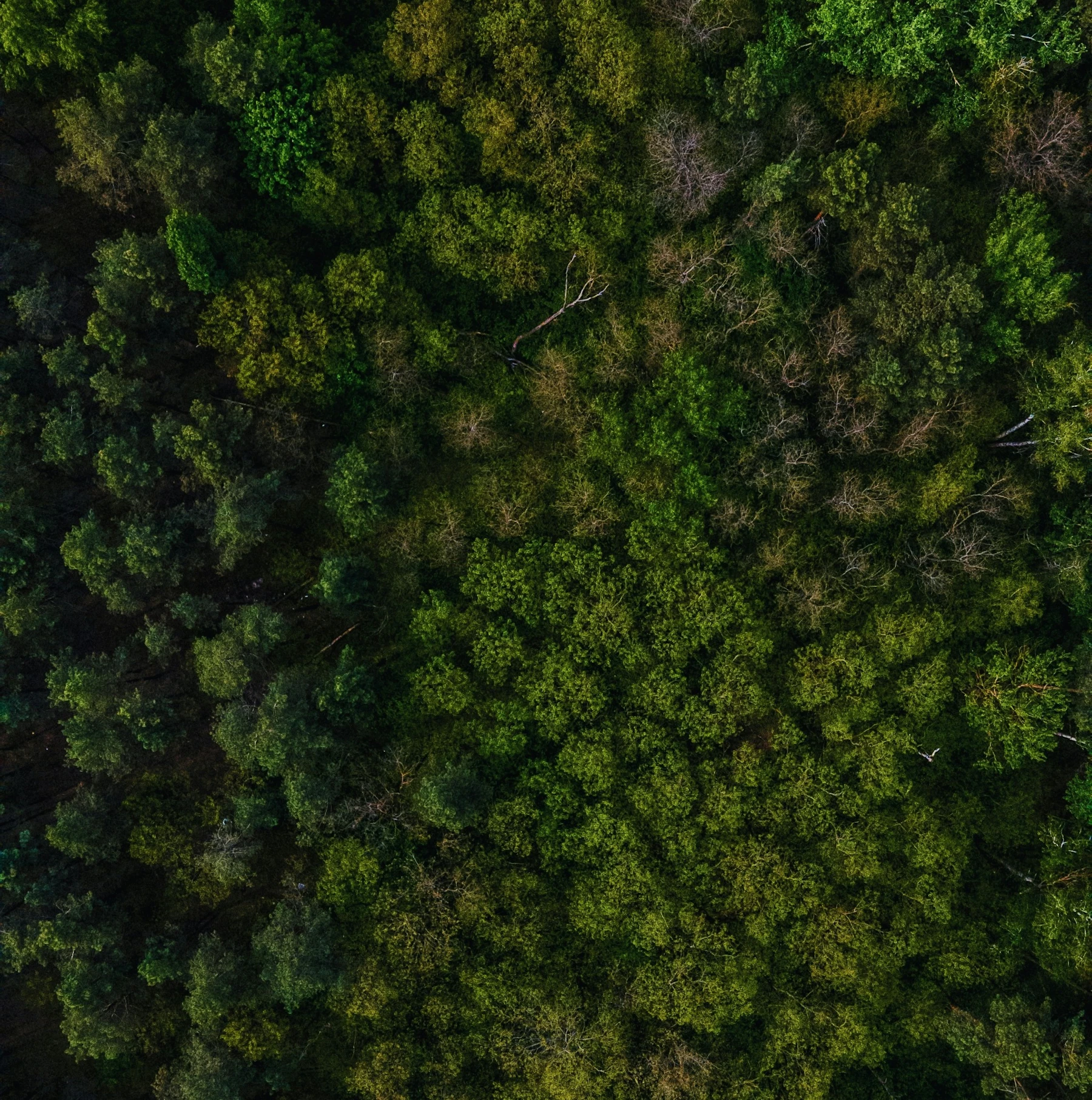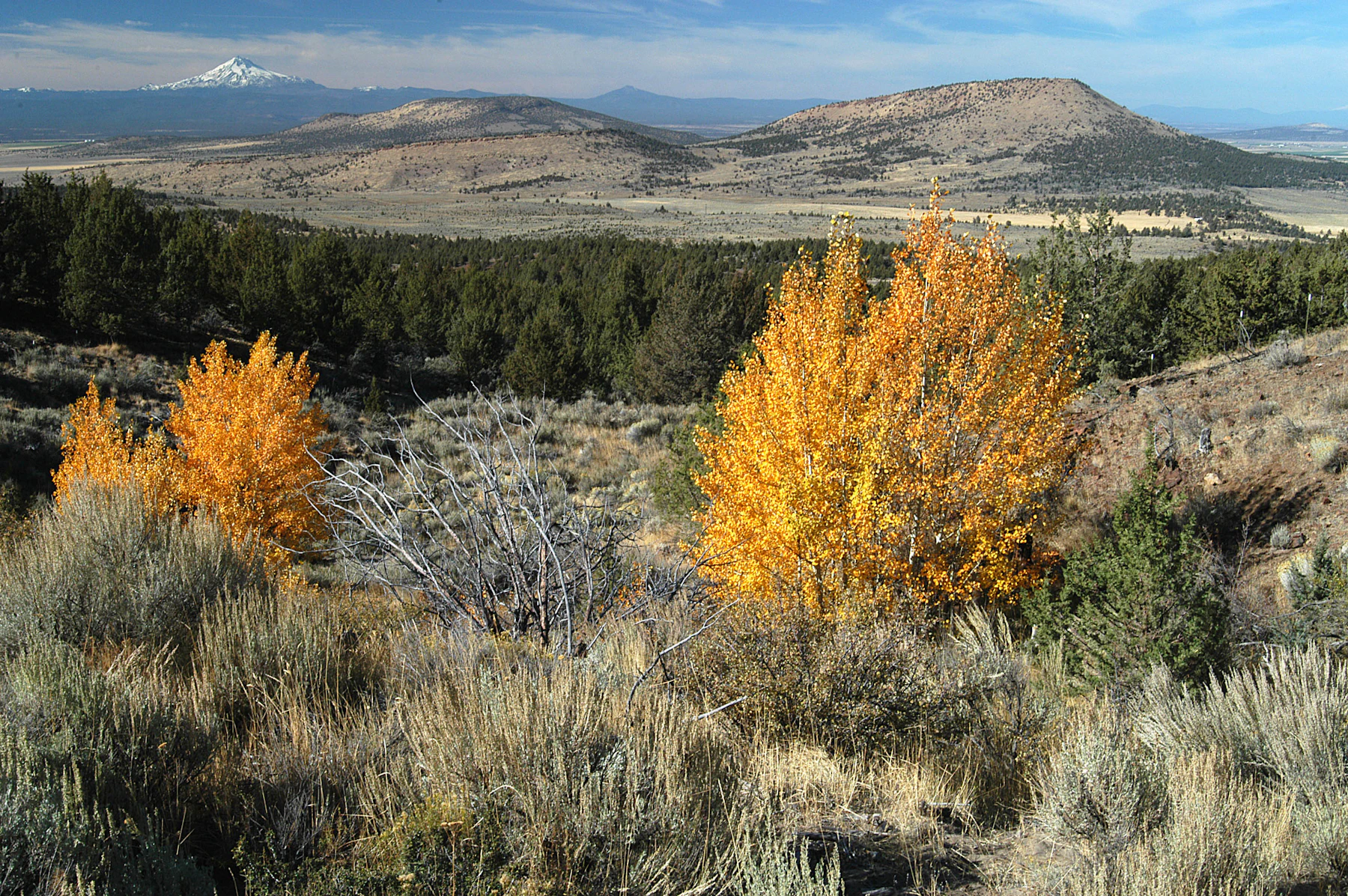
Discover the Crooked River National Grasslands, part of a 2.5-million-acre complex of National Forest lands in central Oregon that includes the Deschutes and Ochoco National Forests. Covering some 76,000 acres, these grasslands are part of Oregon’s high desert, characterized by rolling sagebrush-covered hills, basalt cliffs, juniper woodlands, and expansive rangelands.
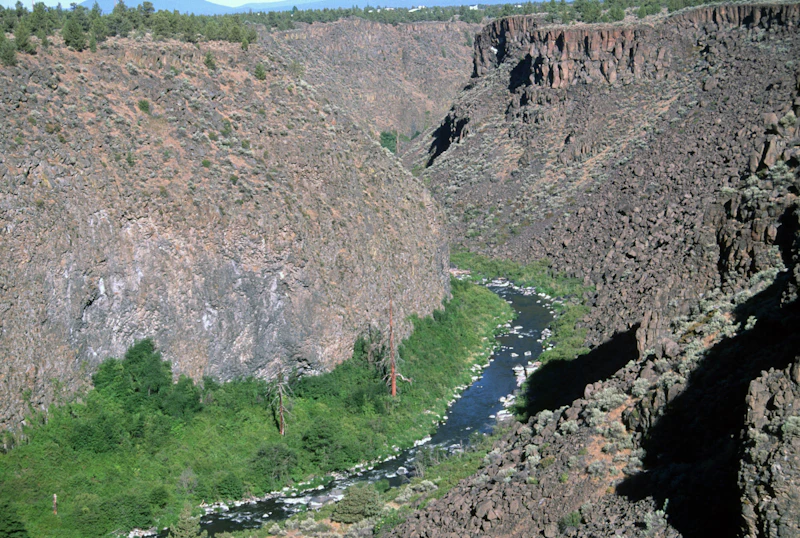
The Crooked River itself carves a dramatic canyon through the landscape, providing scenic vistas, wildlife habitat, and recreation. Hike, horseback ride, mountain bike, and explore off-road vehicle trails across the diverse terrain.
The Crooked River offers fishing, particularly for native trout species, and the game-rich grasslands make for excellent hunting. Lake Billy Chinook is a water-skiing and windsurfing destination. For those looking to stay longer, dispersed camping is available, providing solitude amid the open high desert landscape.
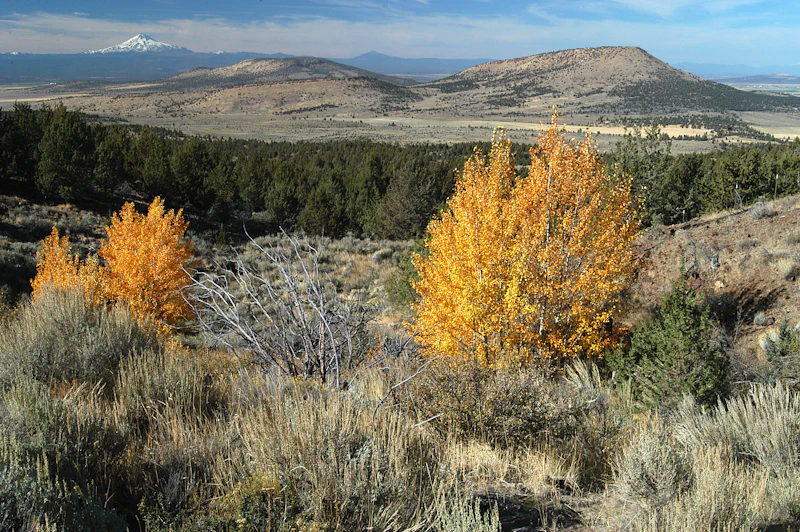
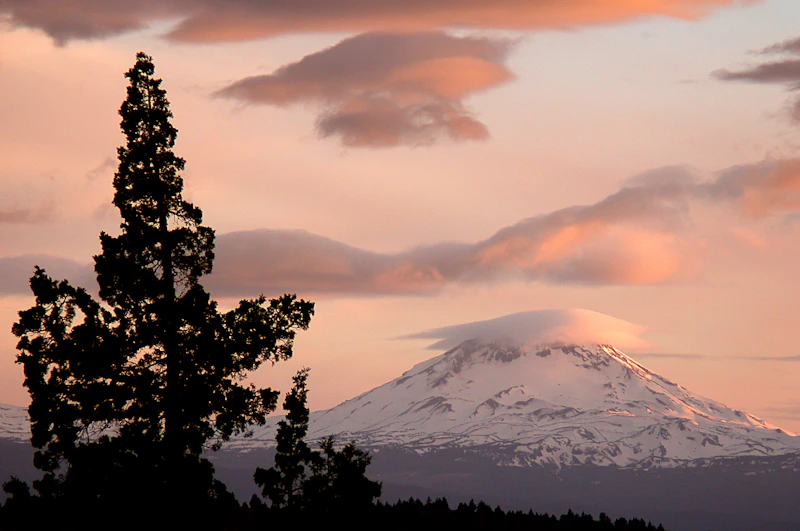 Sunset over Middle Sister. Photo by the U.S. Forest Service
 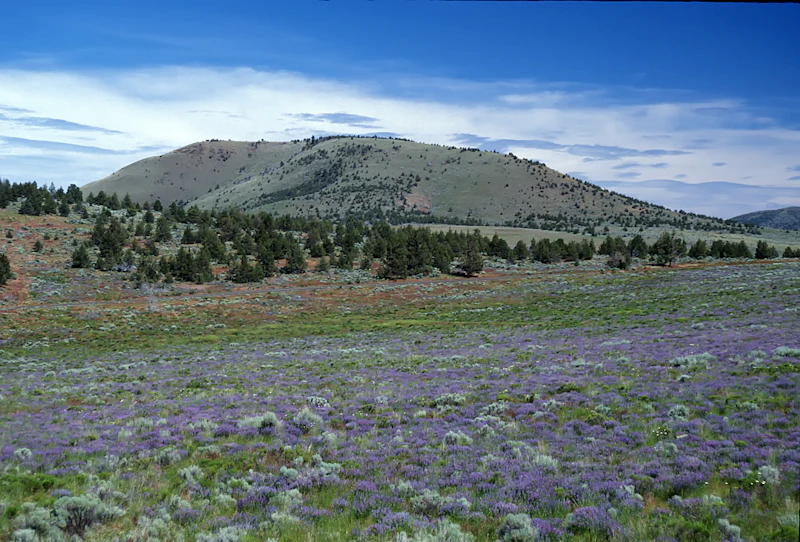 Wildflowers by Haystack Butte. Photo by the U.S. Forest Service
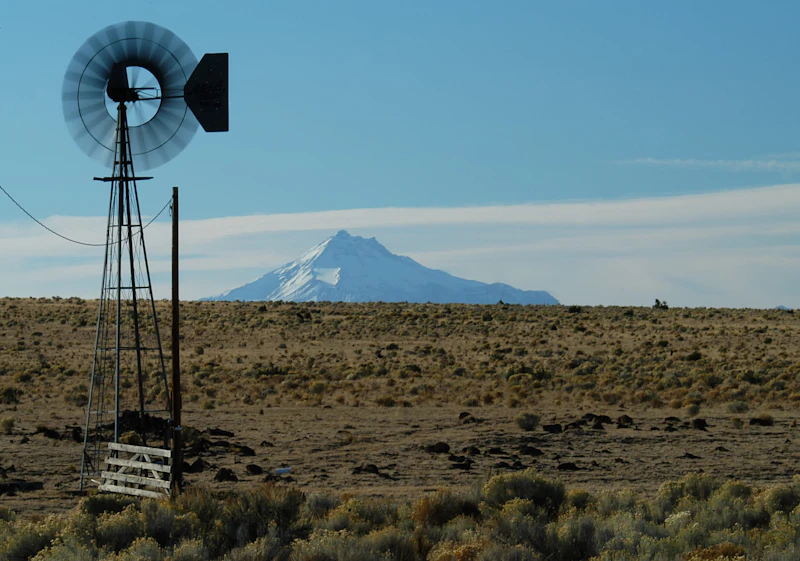
  Mt. Jefferson. Photo by the U.S. Forest Service
 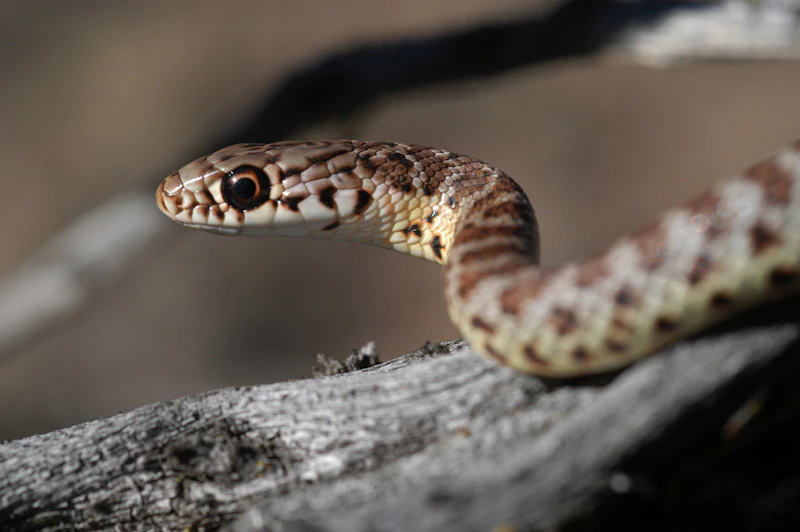 Photo by the U.S. Forest Service
  Photo by the U.S. Forest Service
 What is the History of the Crooked River National Grasslands?
Long before European settlement, the area was inhabited by Native American tribes, including the Warm Springs and Northern Paiute. During the 19th and early 20th centuries, livestock grazing became the dominant use of the land.
Overgrazing, combined with the arid climate and invasive plant species, led to soil erosion and habitat degradation. In response, the federal government gradually acquired parcels of land in the 1930s and 1940s, consolidating them into what is now the Crooked River National Grasslands in 1960.
How to Get to the Crooked River National Grasslands
The Crooked River National Grasslands is located between the gateway towns of Madras, Prineville, and Terrebonne. The main highways serving the area are U.S. Route 97, which is reached via U.S. Route 20 and runs north–south through Madras, and Oregon Route 27, also called the Crooked River Highway, which connects Prineville to Madras and follows portions of the river corridor.
- Bend, Oregon: 1.5 to 2 hours by car
- Portland, Oregon: 4 to 4.5 hours by car
- Eugene, Oregon: 4 to 4.5 hours by car

This 6.5-mile loop climbs through juniper woodlands and sagebrush meadows before opening up to expansive views of the Crooked River Grasslands and distant Cascade peaks, including Smith Rock and Mt. Jefferson.
This unique oasis in Oregon’s high desert is the result of a small, dammed spring that feeds a lush wetland, a vital habitat for waterfowl, songbirds, and raptors. A half-mile paved trail leads to the first viewing platform, and a one-mile dirt route leads to a second observation deck..
This trail system features 18 miles of trails hat overlook the Deschutes Basin and the Cascade Range beyond. The 1,480-acres area is mostly sparsely vegetated high-desert hills.
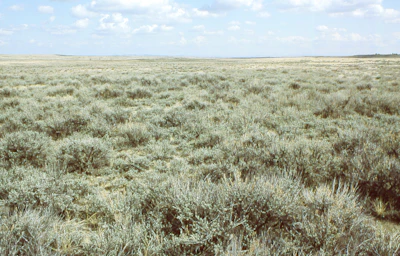 Sagebrush This hardy shrub thrives in the grasslands, providing habitat and food for wildlife like sage grouse, mule deer, and small mammals.
 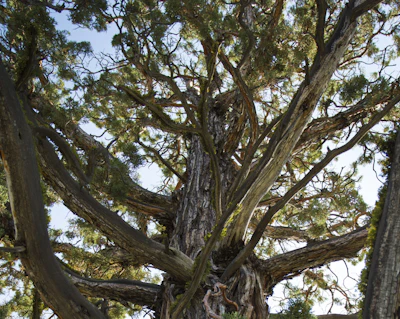 Western juniper This drought-tolerant tree thrives in rocky soils and ridgetops, producing berries that are an important food source for birds and mammals.
 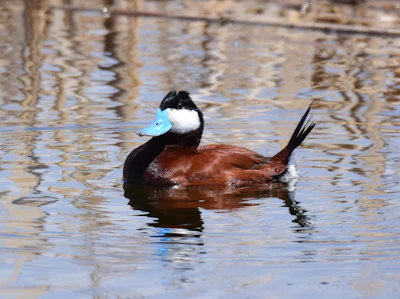 Ruddy duck With bright chestnut bodies, blue bills, and distinctive stiff tails, this duck is best spotted during breeding season or on migration.
 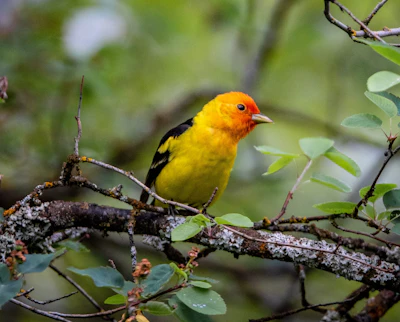 Western tanager This stunning songbird is a coveted sight among bird lovers visiting the forest, thanks to its bright-red red, yellow body, and black wings.
 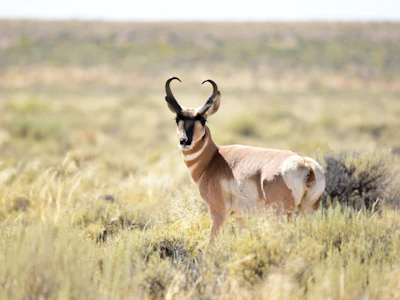 Pronghorn North America’s fastest land animal, capable of reaching speeds of up to 60 miles per hour, can be spotted throughout the prairies.
 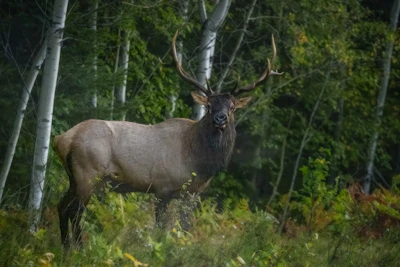 Elk This majestic animal is found grazing in high mountain valleys in the summer, migrating to lower elevations in the winter, and making bugling calls during fall’s rutting season.
 Related Impact
Reforestation on the Umpqua
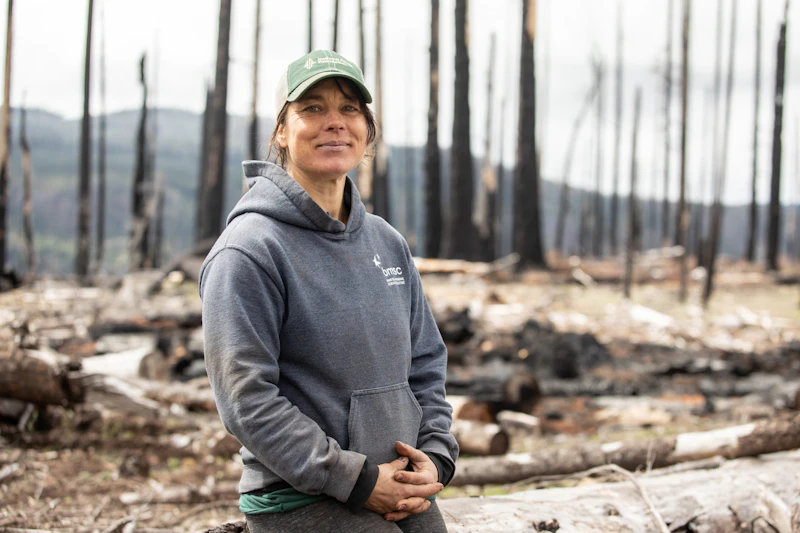
Anna’s family has been planting trees for 50 years. Now she is helping build a sustainable model to meet the Forest’s future post-fire reforestation needs.
What’s the Best First-Timer’s Adventure in the Crooked River National Grasslands
The Crooked, Metolius, and Deschutes Rivers converge to form the vast Lake Billy Chinook, lined by towering cliffs and backdropped by the snowy Cascade Range. Stay overnight in a rental houseboat, swim along 72 miles of shoreline, and fish for one of many species, from kokanee to largemouth bass.
Where to Find More Information on the Crooked River National Grasslands
For more information or questions, visit https://www.fs.usda.gov/r06/ochoco
Discover how communities, volunteers, and partners are shaping the future of our National Forests and Grasslands.
The National Forest Foundation works with partners across Northern Colorado to restore forests, reduce wildfire risk, and care for the…
After years of damage, recovery, and reconstruction, the trail to Hanging Lake has been fully rebuilt, creating a more durable,…
Erosion and wildfire had left Arizona's historic Highline Trail rutted and unsafe. After five years of work with the Tonto…
Forest restoration near Flagstaff is reducing wildfire risk for local communities and safeguarding the water supply for millions across the…
Colorado's 14ers draw thousands of visitors each year, and the pressure on these fragile alpine landscapes is growing. Here's a…
Visitors of all ages can explore forest trails and sparkling waters, discover wildlife and underwater habitats, and connect with Tahoe’s…
A partnership-driven program connecting youth on Montana’s Flathead Reservation with hands-on conservation work, heritage education, and pathways in natural resource…
Seeing the impact first hand on the Grand Mesa, Uncompaghre and Gunnison National Forests
Seven Years of Reopening Trails After the Eagle Creek Fire
Field Ranger Program Connects Diverse Communities to Forests in Southern California
Our Forests Need Us Today.
Your donation powers critical, on-the-ground conservation—from wildfire recovery to watershed restoration—protecting forests for the future.