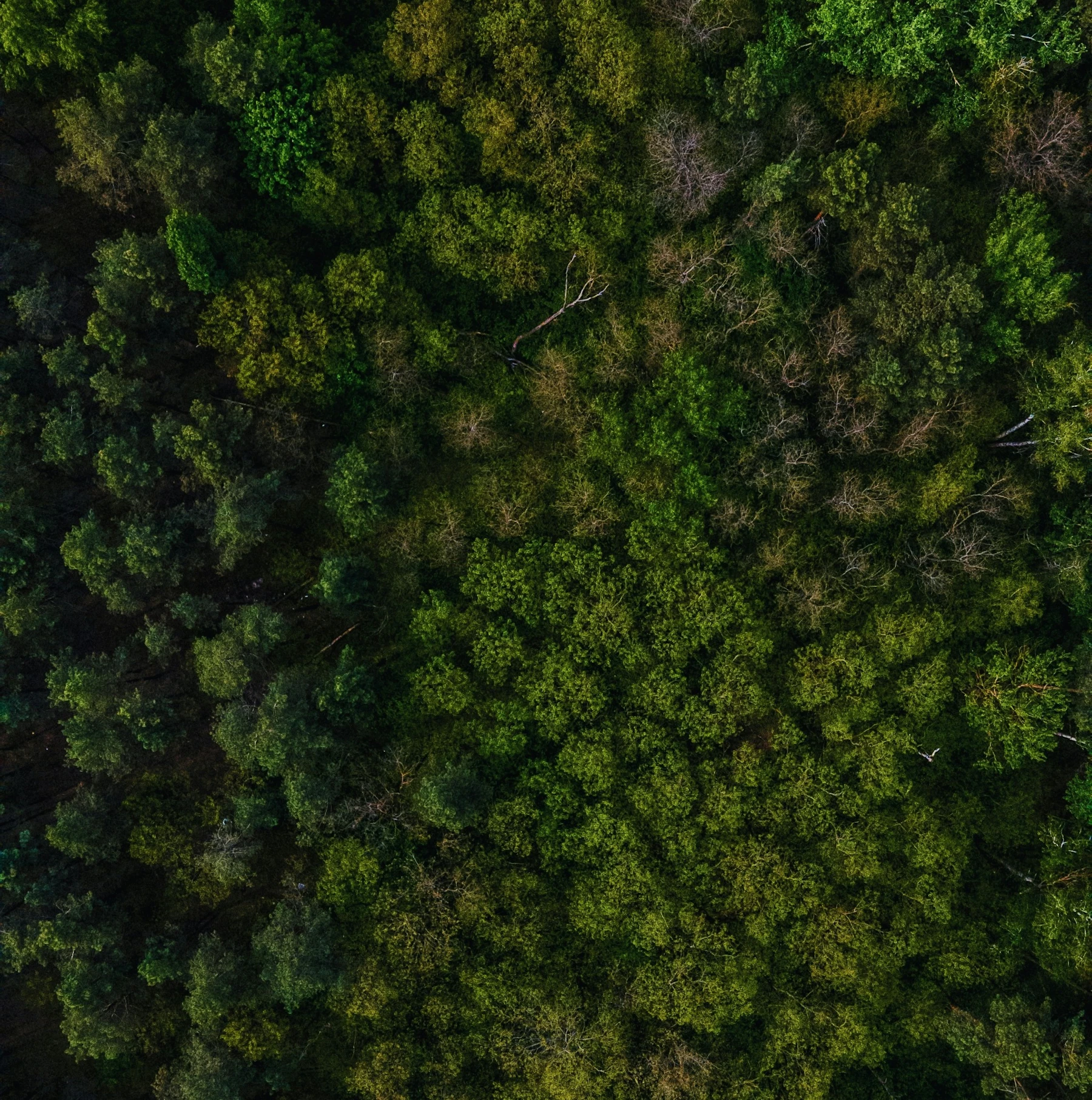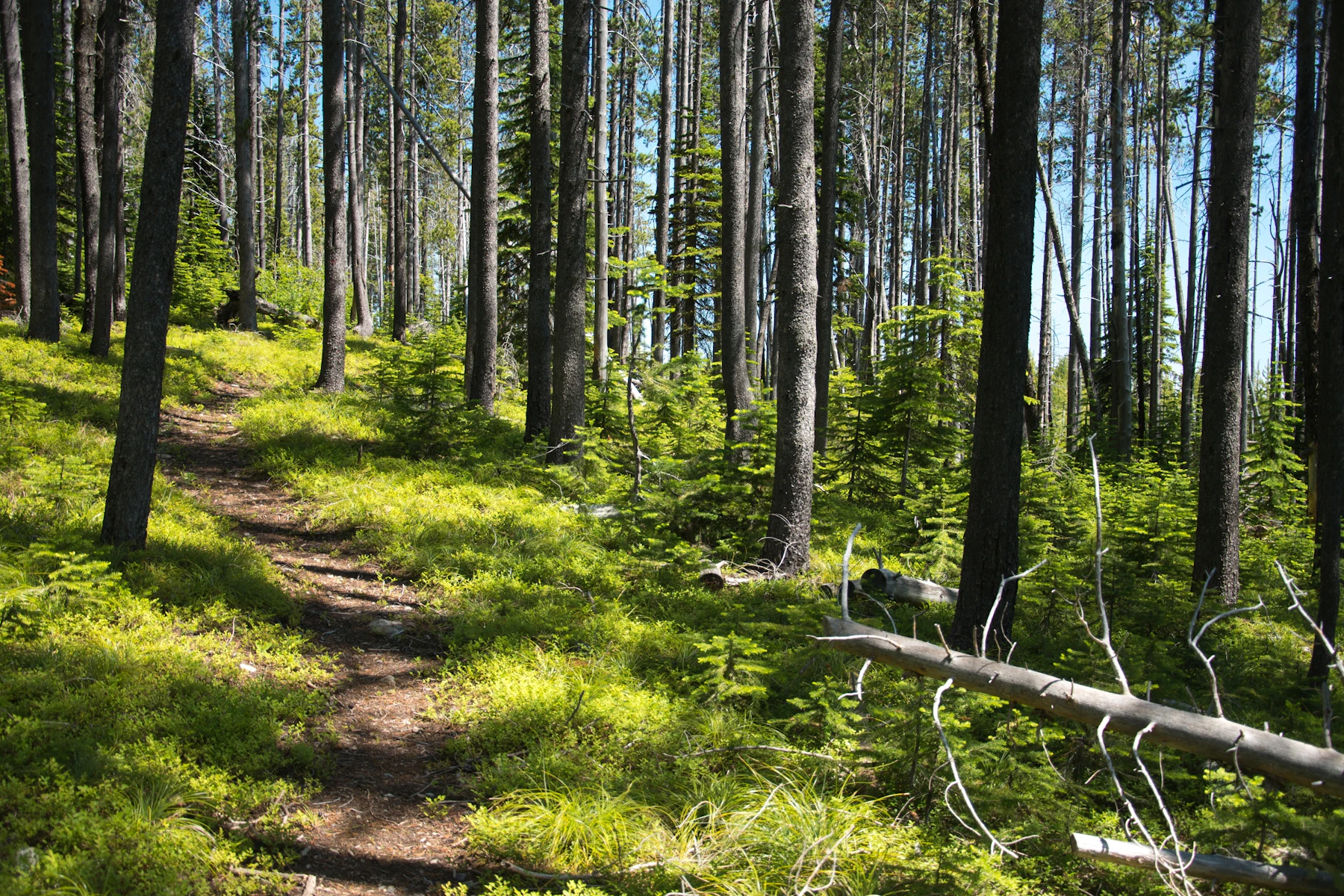
Experience the Kootenai National Forest, where pristine forest, spectacular river canyons, and impressive peaks cover 2.2 million acres, an area nearly three times the size of Rhode Island. Set in northwest Montana, the forest is bordered on the north by British Columbia, Canada, and on the west by Idaho.
Part of the Rocky Mountain region, the Kootenai encompasses diverse ecosystems, from lower-elevation mixed forests to alpine zones, including some of the most beautiful sub-alpine scenery in western Montana. Elevations range from a low of 3,000 feet to 8,738 feet atop Snowshoe Peak.
The Kootenai National Forest is home to the Cabinet Mountains Wilderness, a 35-mile-long stretch of glaciated peaks. Other protected areas with wilderness characteristics include the Scotchman Peaks, the Ten Lakes Scenic Area, and the Ross Creek Cedars Scenic Area.
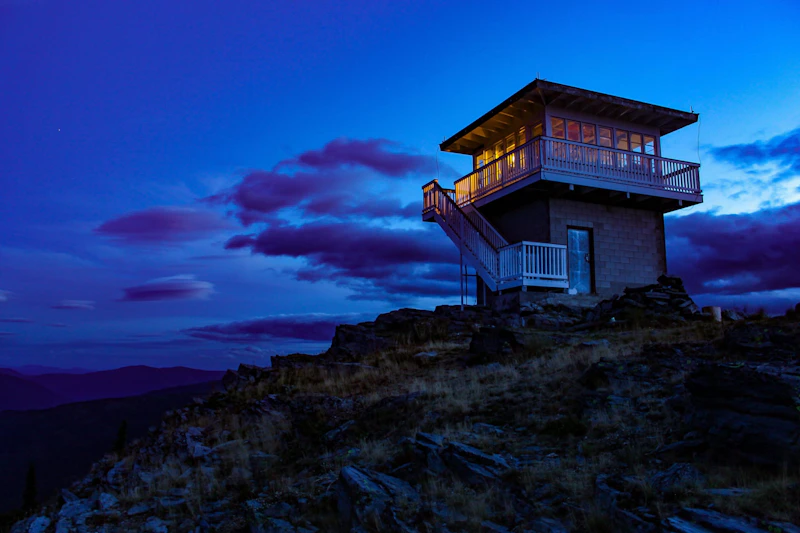
Thousands of miles of trails support hiking, biking, and horseback riding; pair days on the trail with a stay at a cabin or lookout rental, or at a developed or backcountry campsite.
While the more notable areas such as Lake Koocanusa and the Kootenai River are easy picks for watersports, there are numerous recreation sites across the forest that provide boating, swimming, and fishing. Winter brings opportunities for snowmobiling, cross-country skiing, and wildlife viewing, as well as downhill skiing and snowboarding at Turner Mountain Ski Area, which is on the forest and has 2,110 feet of vertical.
 Photo by Jordan Lefler
 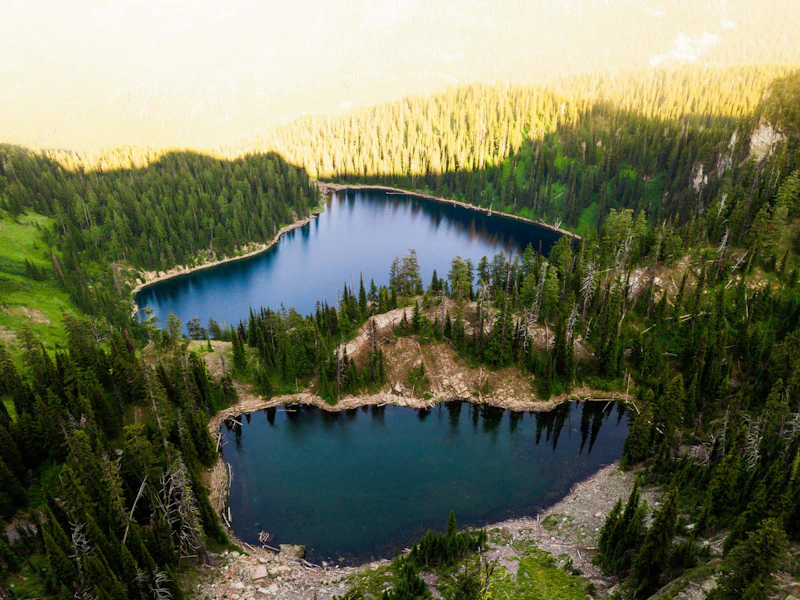 Photo by Jordan Lefler
 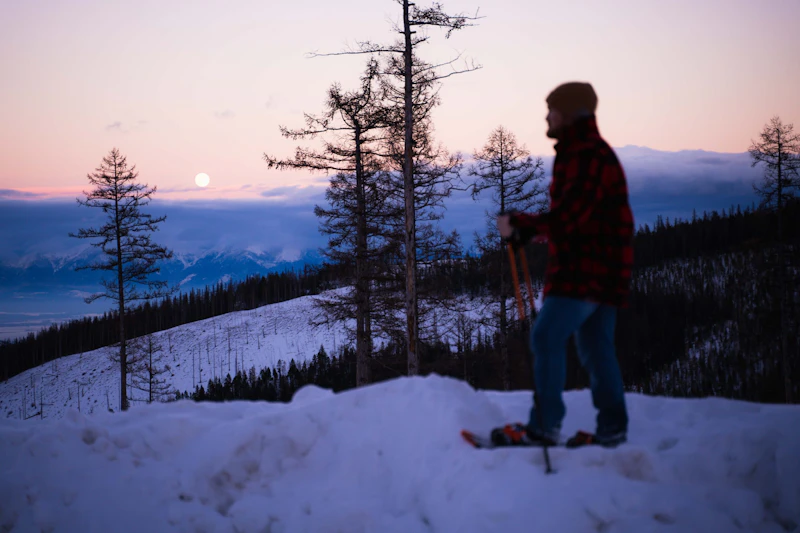 Photo by Jordan Lefler
 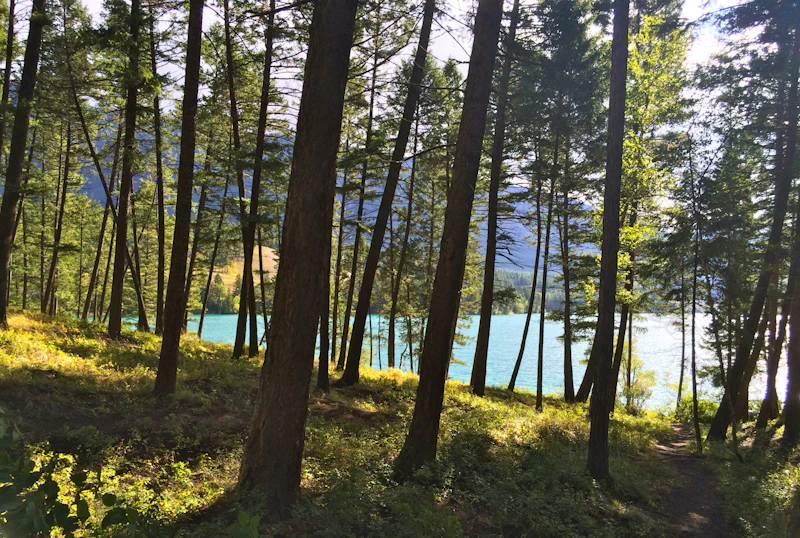 Photo byCharles Hodgkins
 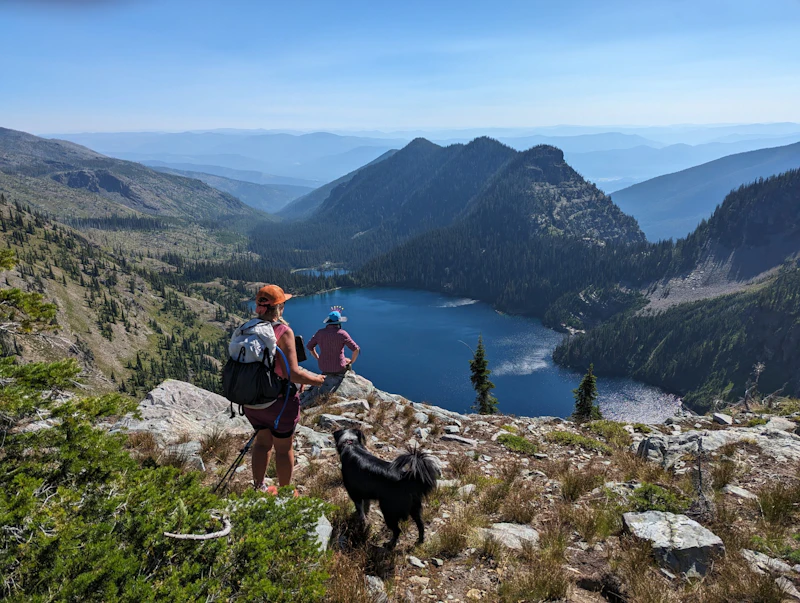 Photo by Trisha Thomason
 What is the History of the Kootenai National Forest?
The Kootenai National Forest was officially established in 1897, making it one of the earliest national forests in the United States. Its creation reflected a growing national awareness of the need to conserve forests for timber, watershed protection, and public recreation.
Long before European-American settlement in the 19th century, largely drive by fur trading, mining, and logging, the forest was home to several Indigenous peoples, including the Kootenai, Salish, and Pend d’Oreille tribes.
How to Get to the Kootenai National Forest
From the west, U.S. Highway 2 runs east–west through northern Montana, connecting towns such as Troy, Kalispell, and Libby, which is one of the primary gateway towns. Highway 2 also connects with Highway 56 and Highway 37, which lead deeper into the forest and toward recreational areas along the Kootenai River.
From the south or southeast, U.S. Highway 93 provides access to the eastern portions of the forest near Whitefish and Eureka. From Idaho, Highway 2 and Highway 56 connect the forest to towns such as Sandpoint and Bonners Ferry.
- Spokane, Washington: 3.5 hours by car
- Missoula, Montana: 4 to 4.5 hours by car
- Great Falls, Montana: 6 hours by car

This 100-acre scenic area is home to cedar trees that are up to 1,000 years old. A 0.9-mile-long accessible loop trail features informative signs about the ecology, history, and cultural significance of the cedars, which were traditionally used by Indigenous peoples for canoes, tools, and ceremonial purposes.
This world-class destination along the Koocanusa Reservoir offers both sport and traditional climbing. Most of the area’s 500 climbs are challenging with ratings of 5.10 and higher, but there are plenty of easier climbs for intermediate levels.
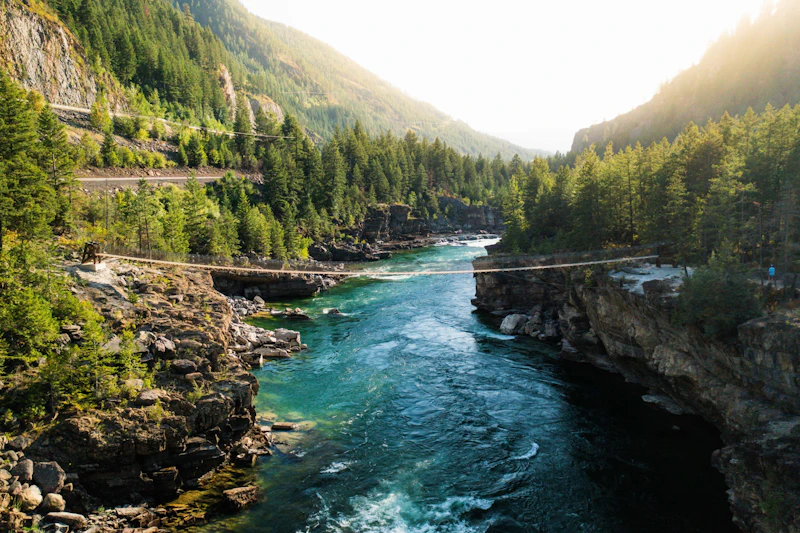
This 30-foot cascade is among the largest free-flowing waterfalls in the U.S., a thunderous display of power with water dropping 90 feet in less than a mile. View the falls from a rope bridge reached by a half-mile hike that starts near the town of Troy.
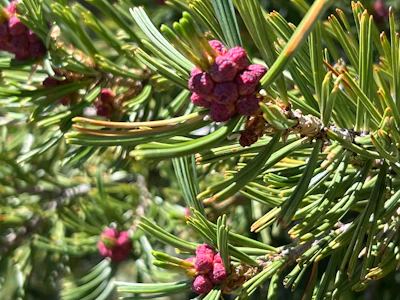 Whitebark pine This sturdy conifer thrives in the harsh mountain ridges where few other trees can thrive, producing nutrient-rich seeds that many wildlife rely on.
 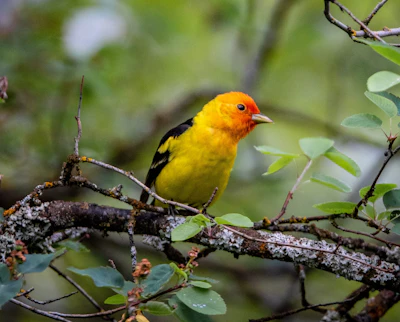 Western tanager This stunning songbird is a coveted sight among bird lovers visiting the Kootenai, thanks to its bright-red red, yellow body, and black wings.
  Pika This rabbit-like creature, known for circular ears, can be spotted in environments above treeline and heard making their distinctive “meep” call.
 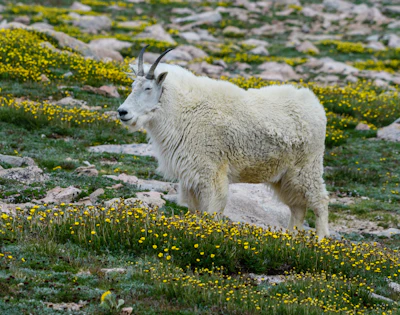 Mountain goat This sure-footed goat grazes along steep slopes during the day and shelters in rocky outcroppings at night.
 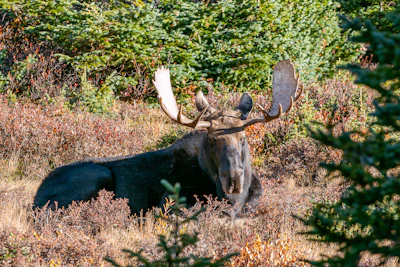 Moose A common sighting across the forest, moose are largely solitary and solitary feed on willows, aquatic plants, and shrubs.
 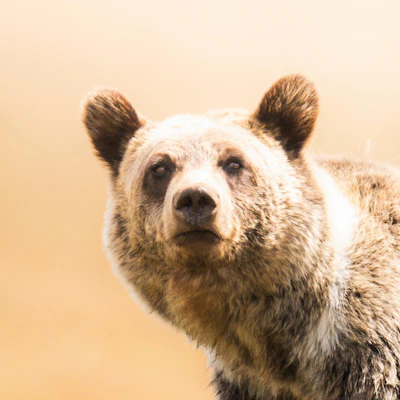 Grizzly bear This apex predator is growing in population size across this region and displays little fear of humans, so keeping food stowed properly and remaining aware are crucial when visiting.
 Related Impact
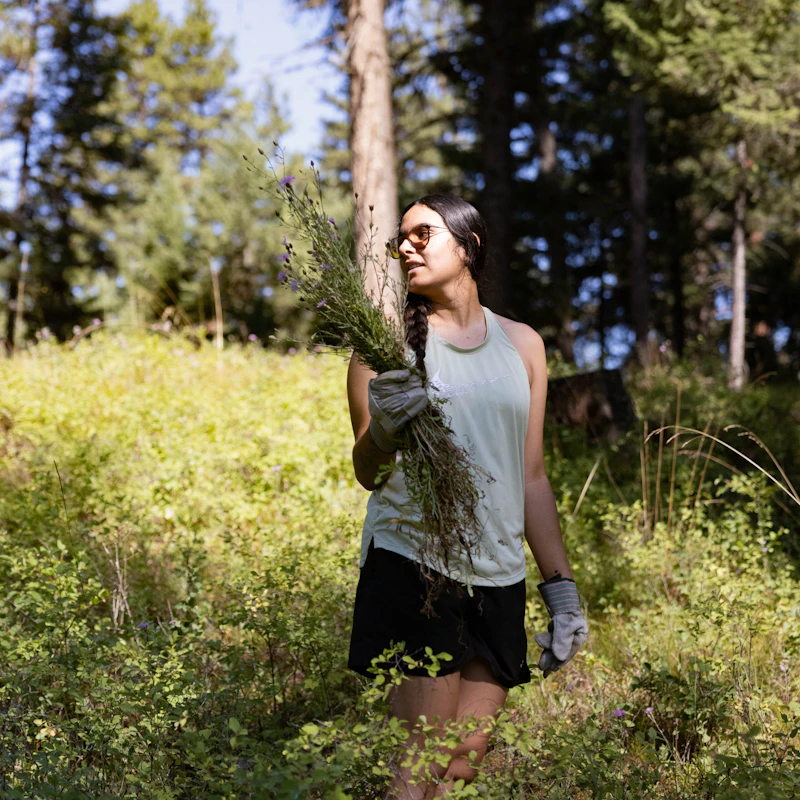
Cultivating Leaders in the Mission Mountains
A partnership-driven program connects youth on Montana’s Flathead Reservation with hands-on conservation work, heritage education, and pathways in natural resource careers.
What’s the Best First-Timer’s Adventure in the Kootenai National Forest
The landscape of Lake Koocanusa Scenic Byway corridor is dominated by the Kootenai River and Lake Koocanusa. The lake cuts a narrow fjord-like gorge between the Purcell Mountains and the Salish Mountains. Rock outcrops and ledges provide habitat for bighorn sheep, seen frequently along the byway.
Where to Find More Information on the Kootenai National Forest
For more information or questions, visit https://www.fs.usda.gov/r01/kootenai
Discover how communities, volunteers, and partners are shaping the future of our National Forests and Grasslands.
After years of damage, recovery, and reconstruction, the trail to Hanging Lake has been fully rebuilt, creating a more durable,…
Erosion and wildfire had left Arizona's historic Highline Trail rutted and unsafe. After five years of work with the Tonto…
Forest restoration near Flagstaff is reducing wildfire risk for local communities and safeguarding the water supply for millions across the…
Colorado's 14ers draw thousands of visitors each year, and the pressure on these fragile alpine landscapes is growing. Here's a…
Visitors of all ages can explore forest trails and sparkling waters, discover wildlife and underwater habitats, and connect with Tahoe’s…
A partnership-driven program connecting youth on Montana’s Flathead Reservation with hands-on conservation work, heritage education, and pathways in natural resource…
Seeing the impact first hand on the Grand Mesa, Uncompaghre and Gunnison National Forests
Seven Years of Reopening Trails After the Eagle Creek Fire
Field Ranger Program Connects Diverse Communities to Forests in Southern California
Anna's family has been planting trees for 50 years. Now she is helping build a sustainable model to meet the…
Our Forests Need Us Today.
Your donation powers critical, on-the-ground conservation—from wildfire recovery to watershed restoration—protecting forests for the future.